A Quarter-Century of Xbox
25 years of trailblazing and controversy

25 years ago, Microsoft entered the console war with the Xbox brand. Against all scepticism and speculation, it has thrived on its own terms through the gaming industry's ever-changing tides.
I was one of the biggest sceptics when Microsoft entered console gaming with the original Xbox, having been more of a PlayStation fan. Once I went Xbox, though, I stuck with it for most of those 25 years.
It has now reached a point where the Xbox I grew up with, and grew to love, just doesn't exist anymore. While I appreciate the console brand moving with the times to attract a different audience, it's clear the old-school Xbox fans aren't part of this vision. The writing was already on the wall during the Xbox One era, with so many of the games I was excited for getting cancelled and some of my favourite Xbox IP lying dormant for years with no signs of life.
That said, it doesn't change the amazing memories I have with Xbox consoles. As my own tribute to all things Xbox, I wanted to take a trip through some gaming memories and highlight some of my favourite games for each console era as the Series X|S continues to pave the path forward.
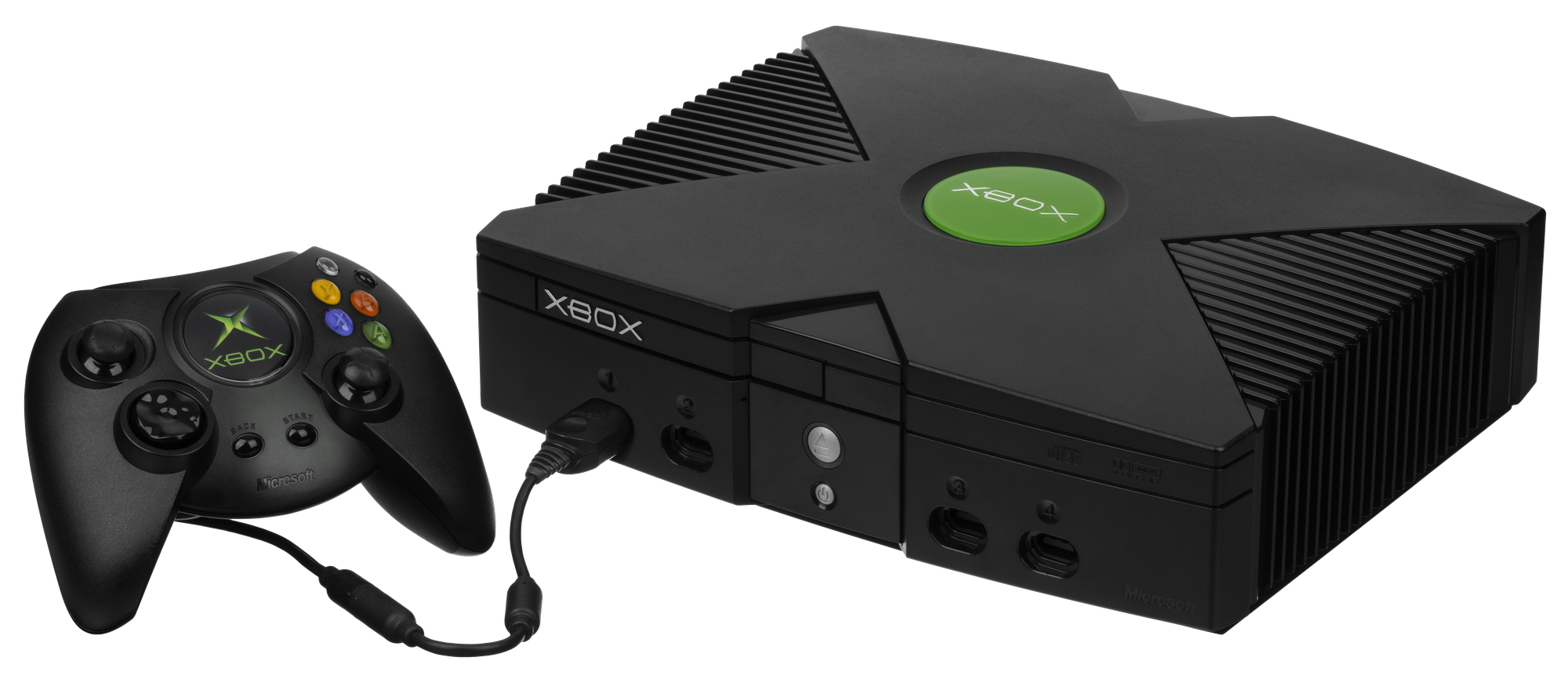
Xbox
Despite my misgivings, the original Xbox gave me more than what I had imagined. It filled a void after SEGA left the console hardware race, and it had a small and focused library of AAA stunners. Once I went Xbox, I stuck by the brand with a loyalty that often confused my loved ones.
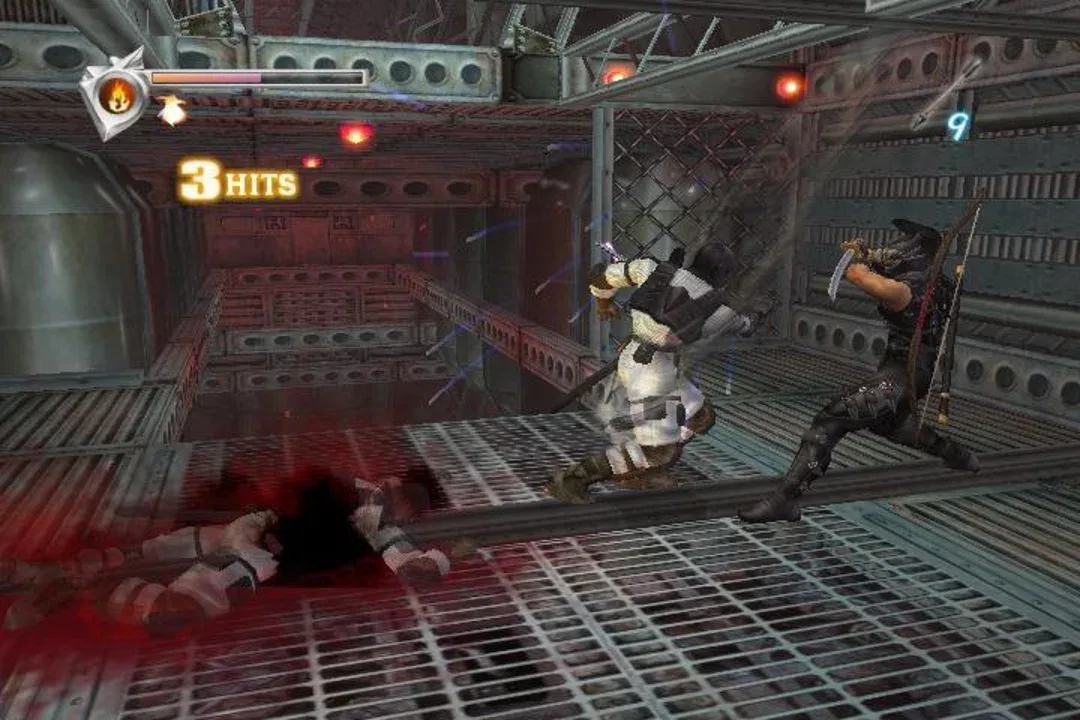
Ninja Gaiden
Ninja Gaiden was already an iconic IP thanks to its legendary NES outings. The 2004 version by Tomonobu Itagaki and Team Ninja was the ultimate 3D reboot of a gaming icon, reinventing core elements of its identity with a daring new game design. The gameplay was sublime, and the challenge was brutal yet addictive; very few action games can match the sheer mechanical depth and nuance of its combat system.
Dead or Alive Ultimate
This was the ultimate 3D fighting game at the time, and my most played game on the system. Dead or Alive Ultimate was an addiction, thanks to its smooth fighting system, cutting-edge 3D environments, and lots of secrets and costumes to unlock. It remains a joy to play, and even with bigger and better sequels, I still feel this is where Dead or Alive as a franchise truly peaked. It was vibrant, fast-paced, and just unapologetically sexy.
Fable
It's always good to under-promise and over-deliver, but our dear friend Peter Molyneux built a reputation of doing the opposite, and over time that became part of his endearing charm. With Fable, he promised the world, and while the end result wasn't quite up to his lofty promises, it was still undeniably an engrossing RPG. It delivered on its character development shaped by moral choices and was the beginning of the legend known as Chicken Chaser.
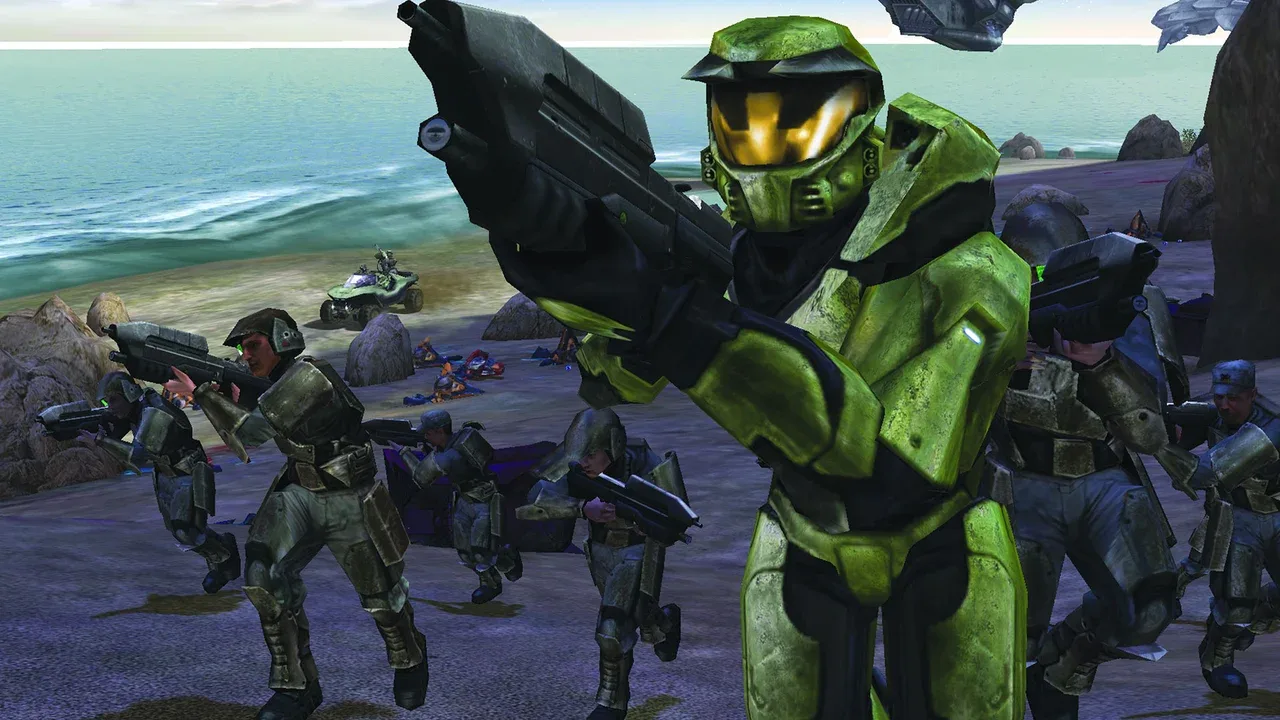
Halo: Combat Evolved
I never particularly enjoyed first-person shooters on console. To me, FPS games meant playing Doom II on PC. Everything changed when Halo: Combat Evolved launched alongside the Xbox, giving the platform its must-have launch title, while also completely reinventing the very idea of FPS on console. I don't claim to be the biggest Halo mark, but it's hard to deny an FPS experience so viscerally grand and entertaining.
Dreamfall: The Longest Journey
Releasing towards the tail end of Xbox's lifespan, Dreamfall: The Longest Journey was the long-awaited sequel to The Longest Journey, of which I knew absolutely nothing. As a standalone experience, Dreamfall gave me some serious Shenmue vibes, but unlike the campy dialogue and writing of the latter, Dreamfall was expertly written and presented like a Pratchett sci-fi fantasy novel. The world and lore building had me hooked, and it would be almost a decade before I saw the conclusion in Dreamfall Chapters.
Xbox 360
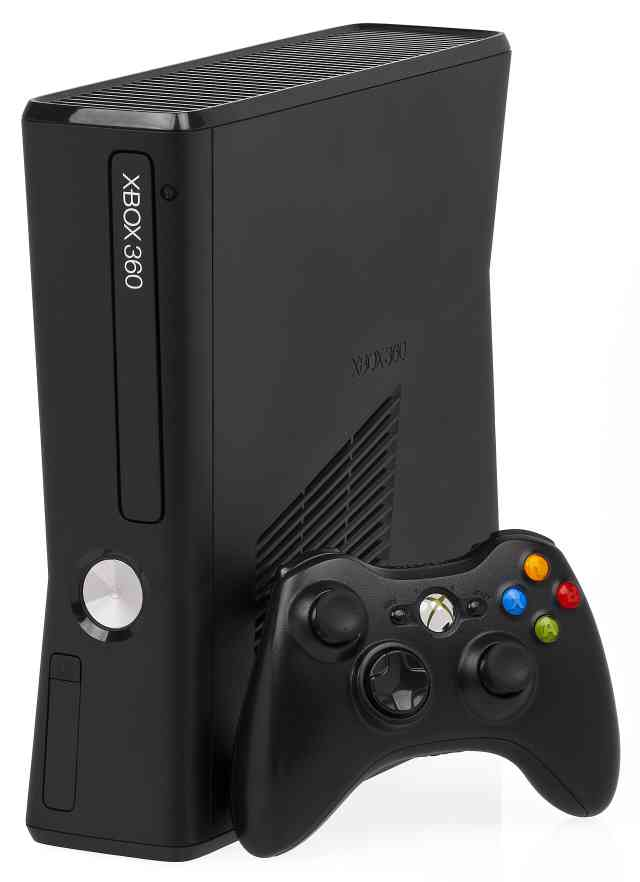
Xbox 360 was the last system I expected to be a haven for Japanese video games, so moving from Xbox to Xbox 360 was easy because I simply had to play Dead or Alive 4. This was probably the system I purchased the most games for before starting my increasingly out-of-control Nintendo Switch collection. While I had to double-dip thanks to the dreaded Red Ring of Death, owning a Japanese region-locked console proved to be a real treasure.
Ketsui: Kizuna Jigoku Tachi
Xbox 360 became the console of choice for shmup fans, and even now the vast array of Japanese STG titles continue to be sought-after collectibles. I would have loved to have owned more, but the shooters I imported at the time remain my most treasured collection items. Out of all of them, Ketsui: Kizuna Jigoku Tachi stands out. In my mind, this is the best of the best of bullet hell design. That a 2002 arcade game could not find a home console powerful enough until the Xbox 360 speaks of true gaming horsepower. Blast processing be damned.
Kameo: Elements of Power
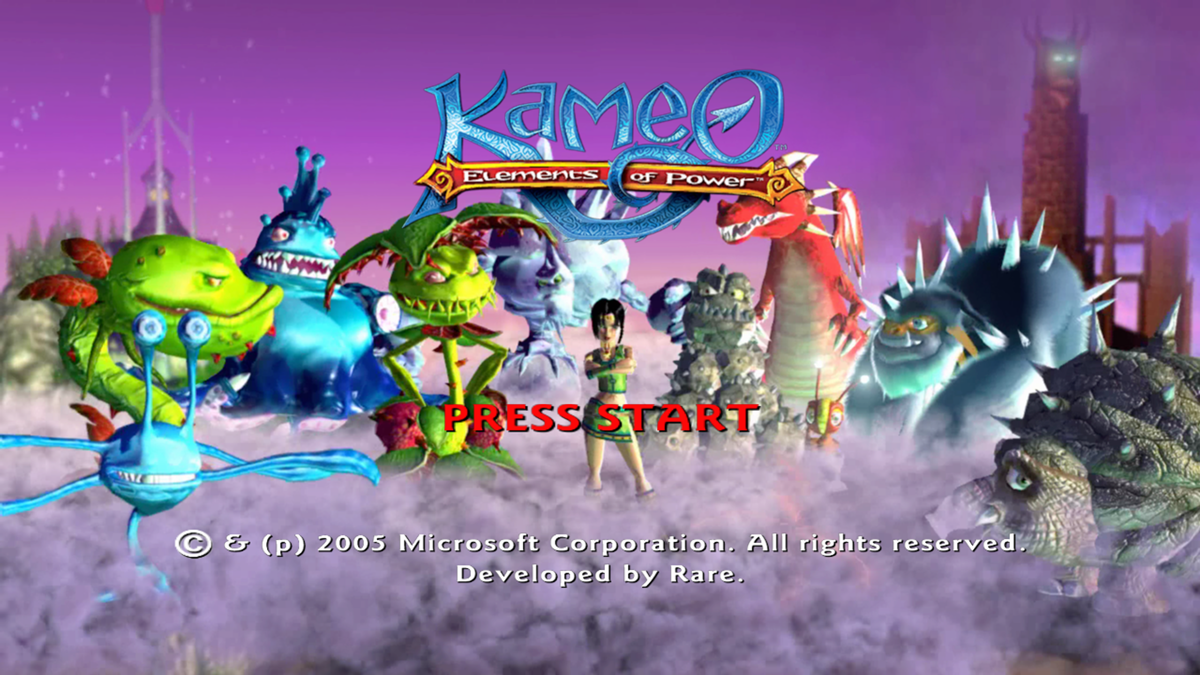
The Xbox 360 launched with not just one but two titles from then-acclaimed developer Rare: Perfect Dark Zero and Kameo: Elements of Power. The latter was a real joy to play as one of my first next-gen experiences, and remains one of my favourite launch titles on any console. Rare today is a complete far cry from what they once were, but back when I played Kameo, the possibilities were just so exciting and magical.
Blue Dragon
When Final Fantasy creator Hironobu Sakaguchi left to form his own studio, Mistwalker, no one could have dreamed his first post-Final Fantasy project would be an Xbox 360-exclusive JRPG. At the time, Microsoft really wanted to build a following in Japan, and while their efforts could barely dent the Japanese market, we were still better off having games like Blue Dragon. It took the basic Dragon Quest template and brought it to life in stunning detail, combining Sakaguchi's game design chops, Nobuo Uematsu's music, and the iconic artwork of Akira Toriyama for a signature Japanese RPG experience. The opening segment of Blue Dragon, featuring a stunning sunrise flare and a realistic pool of water, was a moment of awe that will always stay with me.
Alan Wake
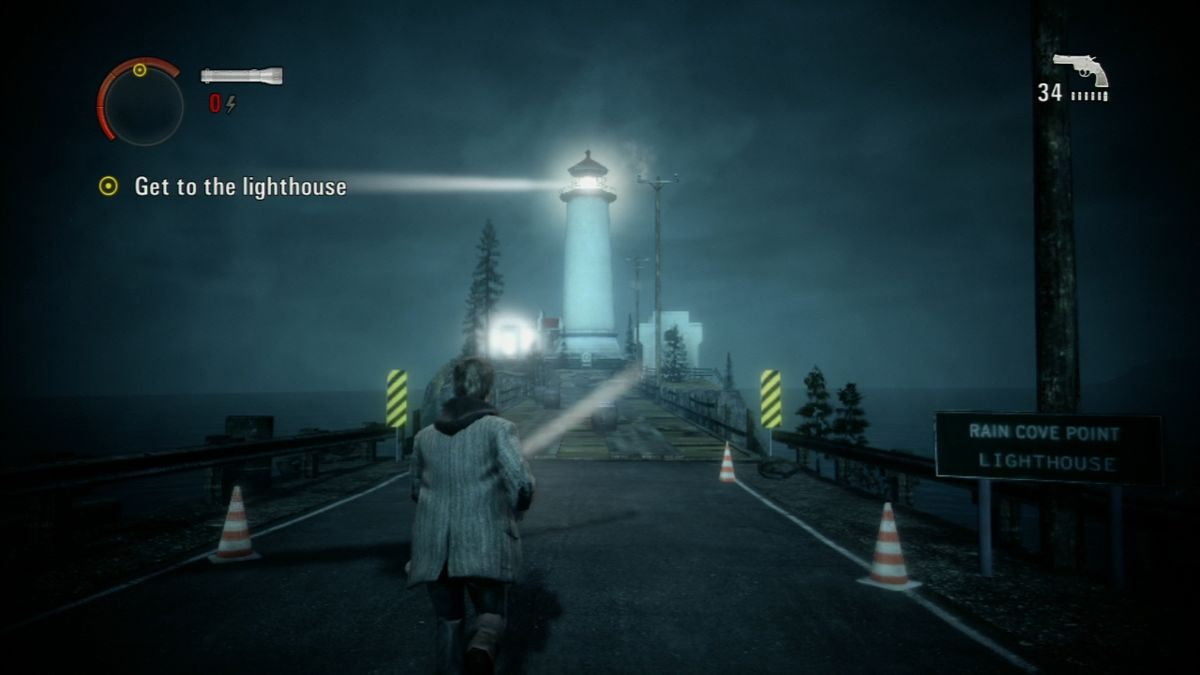
Long before Control became one of the biggest gaming hits in recent memory, it was Alan Wake that created the vibe and universe for a rather unique narrative-driven action thriller. The coolest thing about Alan Wake that will always stay with me is the band Old Gods of Asgard, which in turn was a fictional depiction of a real band called Poets of the Fall. The band itself continues to produce music as their fictional alter ego, creating new music for the Control soundtrack.
Gears of War
I may not have been a mark for Halo: Combat Evolved, but I most certainly was for Gears of War. If Halo was the marquee title for the original Xbox, then Gears of War did the same for the Xbox 360. Although subsequent sequels on the console did absolutely nothing for me, the original Gears of War won me over immediately because it was a focused, totally badass shooter, featuring great control and tightly paced combat. It's one of those games I still find easy to replay time and time again, and not even the Gears of War Ultimate Edition remake on Xbox One could quite capture the charm and magic of the grittier Xbox 360 classic. This was a prime example of lightning in a bottle.
Xbox One
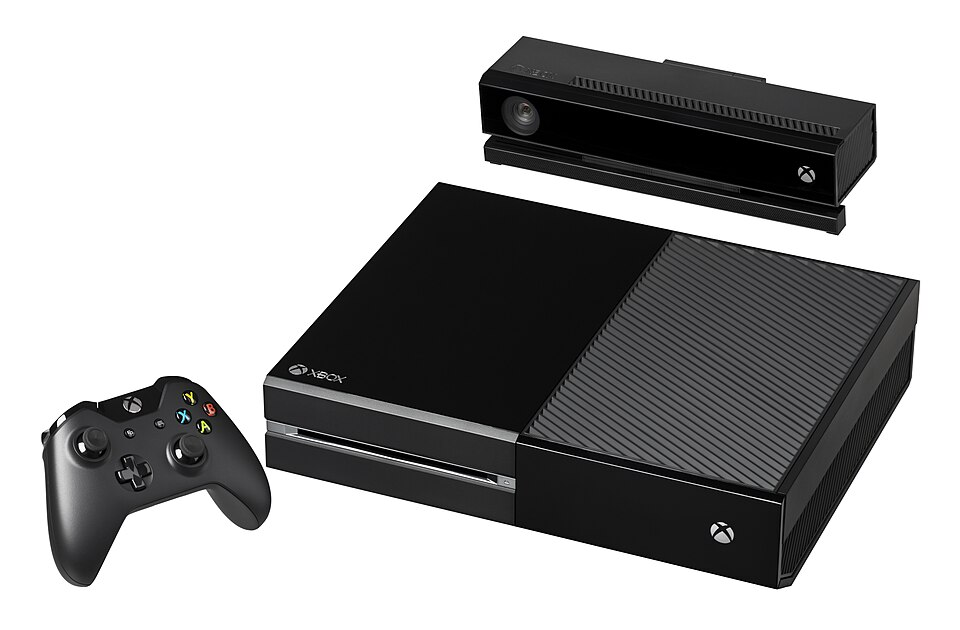
I think I went into Xbox One expecting a natural continuation of the things Xbox 360 did, and while initially this seemed to be the case, it didn't take long for me to realise I had backed the wrong horse. By the time games like Scalebound were unceremoniously cancelled, it was clear to me that Microsoft's idea of console gaming had completely changed, having fallen behind on must-have exclusives. That said, I loved Xbox One as a platform, especially once the powerhouse Xbox One X was launched, and also thanks to its excellent controller and overall performance and interface.
D4: Dark Dreams Don't Die
I bought my Xbox One the very day D4: Dark Dreams Don't Die received a surprise launch on the Xbox Store during Tokyo Game Show in 2014. Better yet, it was free to Xbox Live Gold subscribers. It was an artistically charged, zany adventure game with a surrealist mystery story brimming with personality. The first season ended on a high note and since then... nothing. D4 remains an unresolved tale, and was part of a disappointing trend on Xbox One where promising titles and projects would get cancelled or abandoned without warning.
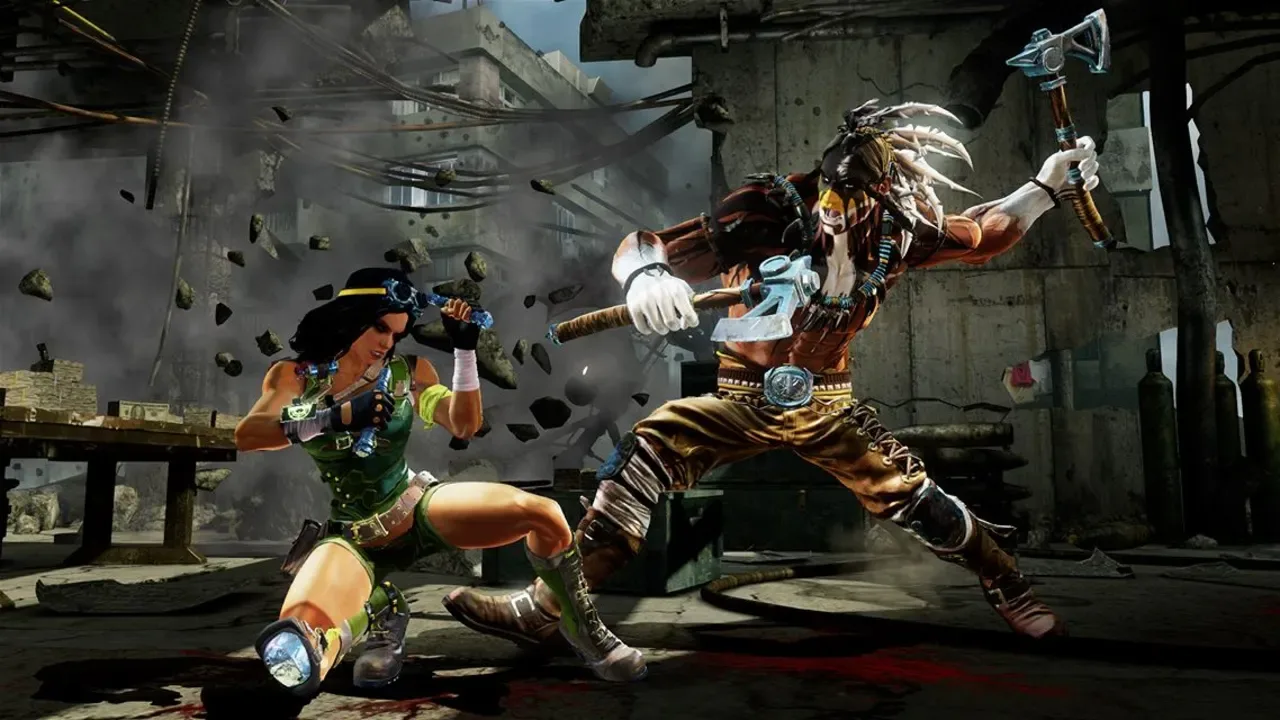
Killer Instinct
Killer Instinct was one of the best fighting games of the last generation, not called Street Fighter V. Unlike the many other promising but abandoned Xbox One projects, Microsoft followed through on Killer Instinct and supported the game with major seasonal updates for several years. In its current and final iteration, the game is an absolute kitchen sink of a fighting game, jam-packed with content and featuring a diverse cast of characters that very few games in the genre can match in terms of play styles and design.
Gears of War 4
I loved the original Gears of War, but the rest of the trilogy on Xbox 360 did absolutely nothing for me. I remember begrudgingly picking up Gears of War 4 during a very slow time in the Xbox One release cycle, downtime that would only get worse from here on! I walked in expecting very little, but it didn't take long for me to be swept into an absolutely sublime action shooter. Under the helm of a new developer, this felt like a complete renewal of the franchise, presenting a game world far more vibrant and alive than ever before, and for the first time featuring a cast of characters worth caring about. The pacing of the ambitious Gears 5 took a major hit from the open world segments, but Gears of War 4 was perfectly paced and addictive.
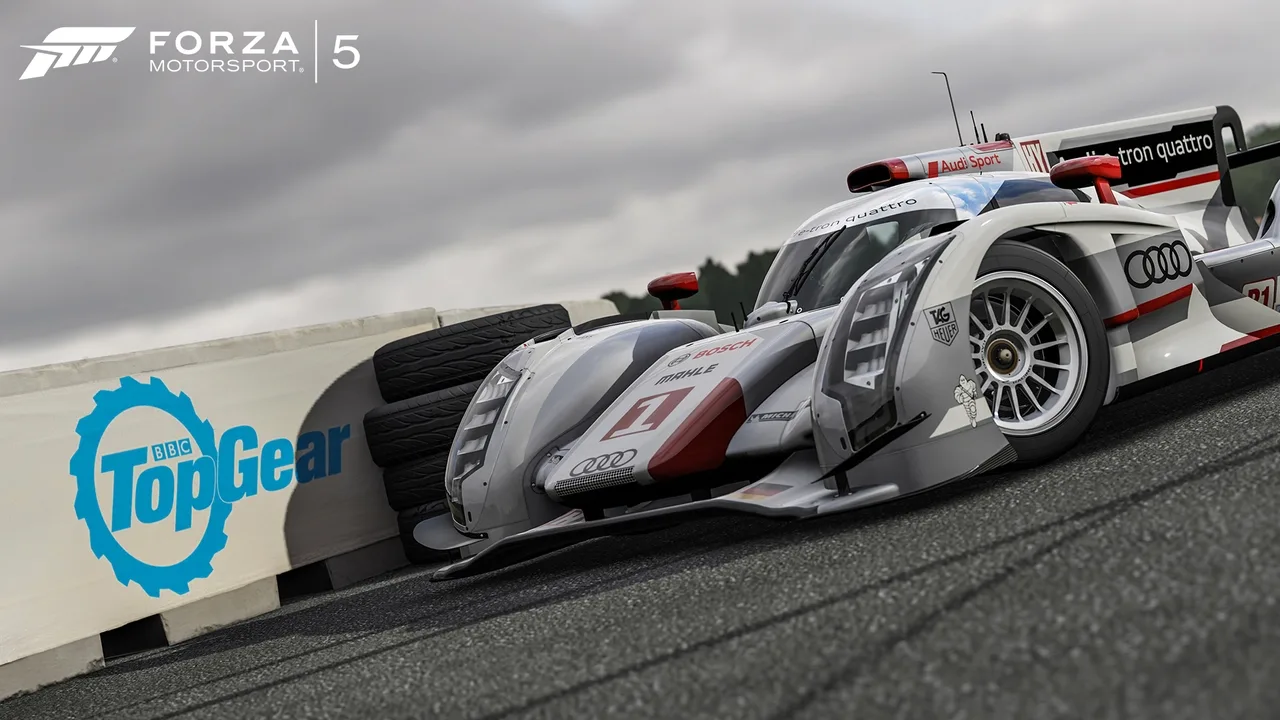
Forza Motorsport 5
I loved Forza Motorsport 5 on Xbox One for the very same reason I enjoyed Gran Turismo 3 on PS2: it was a streamlined racing simulator offering cutting-edge graphics that didn't overwhelm you too much with content. This is also the reason why longtime fans of both those series dislike the aforementioned games, but I find less is more when it comes to racing games. People have tried to sell me on the idea of Forza Horizon and all these crazy sequels, but I enjoy racing games at their most basic and simple, because I can just relax and enjoy the eye-candy graphics without all the fuss of tinkering with too many choices or menus.
Gaijin Charenji 1: Kiss or Kill
One of the most uniquely terrifying experiences I ever had as a gamer, Gaijin Charenji 1: Kiss or Kill was billed as an unfinished Dreamcast title launching on Xbox One, and the SEGA nerd in me couldn't have been more excited. It was a pretty cool sentiment at first, until it suddenly dawned on me how its alleged Dreamcast history was a complete hoax, and was in fact part of the game's fictional lore. Needless to say, this was an experience which made me question what was even real anymore, and the game was designed to break the walls of sanity. I got played for real here.
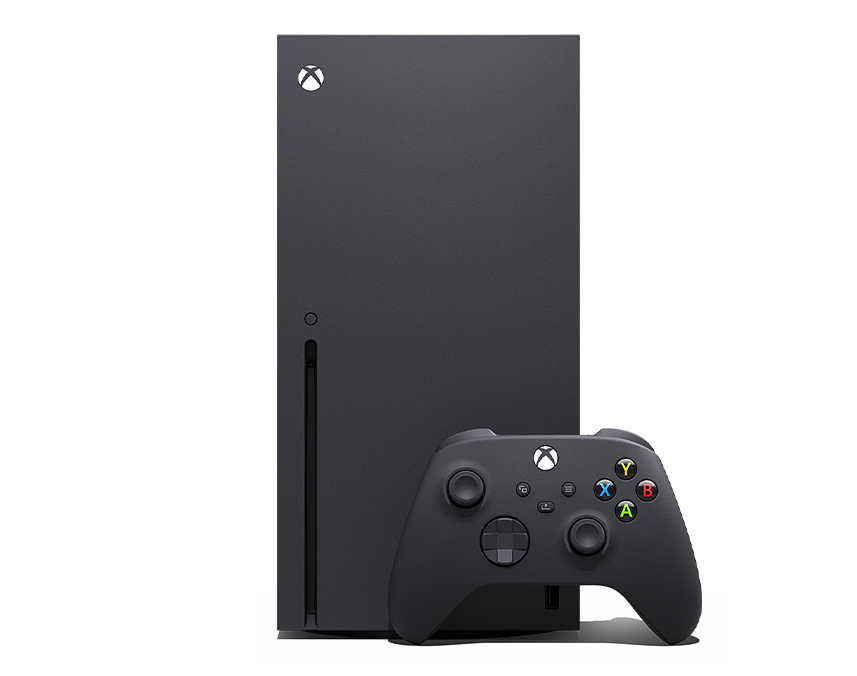
Xbox Series X|S
I wish I had a warm, nostalgic story behind how I ended up with an Xbox Series X, but unfortunately this was more of a forced upgrade. My once-trusty Xbox One X finally expired from overheating; owning such a large library of titles on the platform, the Series X was the only way for me to keep going.
I like that it loads my older library of games so much faster and plays them in their best state, and some titles (the excellent Samurai Shodown, for example) even received free X|S optimisation upgrades. I like the new Gears of War, and Microsoft Flight Simulator 2020 is a relaxing way to unwind after a long day, but this platform is more about having continued access to my existing Xbox collection. I mean, there's Starfield, but that can be played on PS5, and so can Halo too, actually. Apparently everything is an Xbox now.
I hope Xbox remains part of the gaming zeitgeist. Even if it heads in a direction I don't agree with, I wish it success in helping the industry evolve. Here's to the last 25 years.
Join the conversation
What do you think? Reply below to share your perspective.