From Scratch to Space: Interviewing Max Trest About Astrolander
Building big ideas with Max Trest from Lost Cartridge Creations

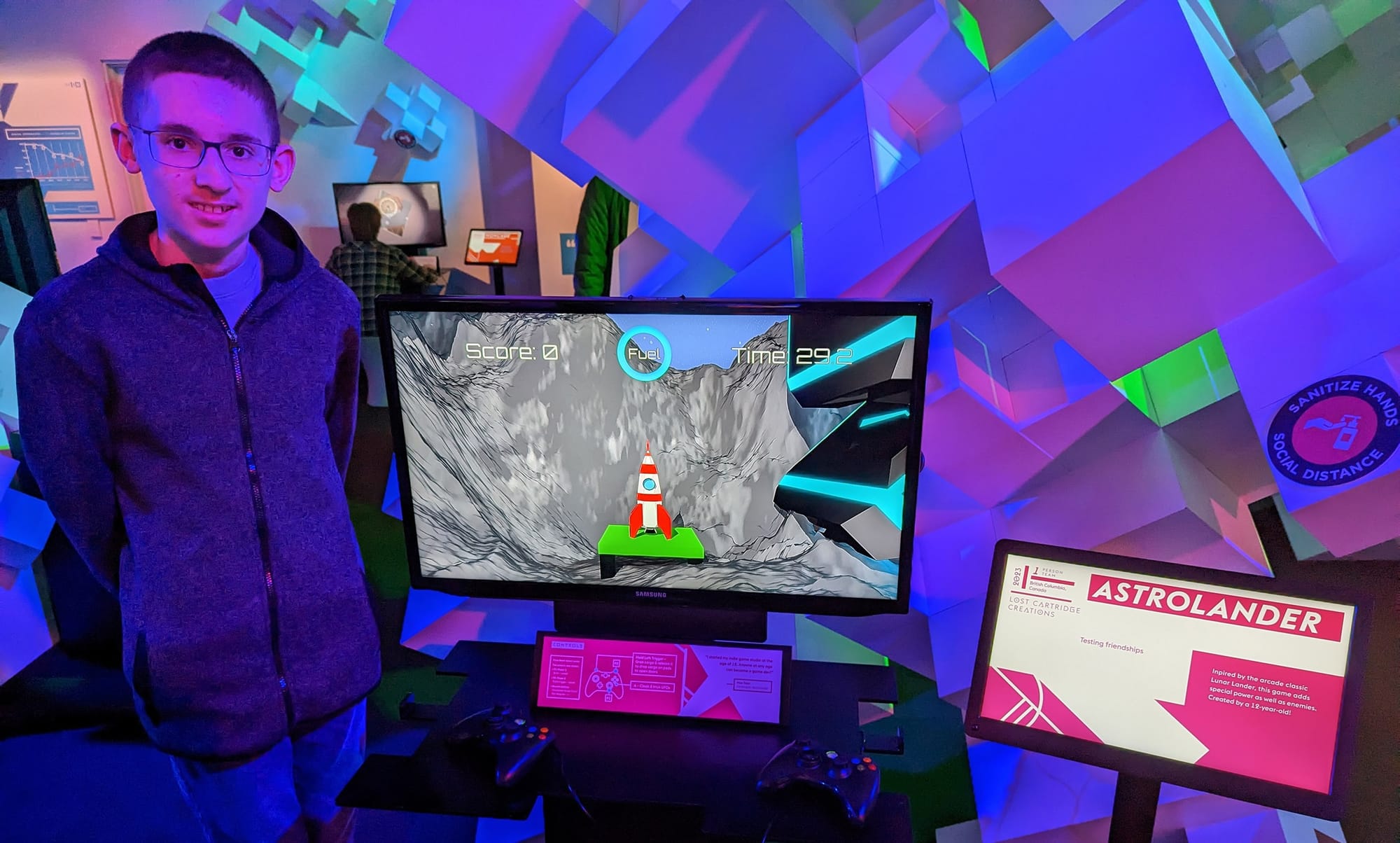
There’s a myth that game creation begins with a big, cinematic moment, a lightning strike where a developer suddenly just knows what they’re meant to do. But most of the time, it starts somewhere quieter: tinkering with tools that initially feel like toys, until one day they start feeling like real instruments of the craft. It’s easy to talk about games like finished products and forget how many of them began as small, half-working experiments. Then, every so often, one grows into a game that keeps people coming back decades later.
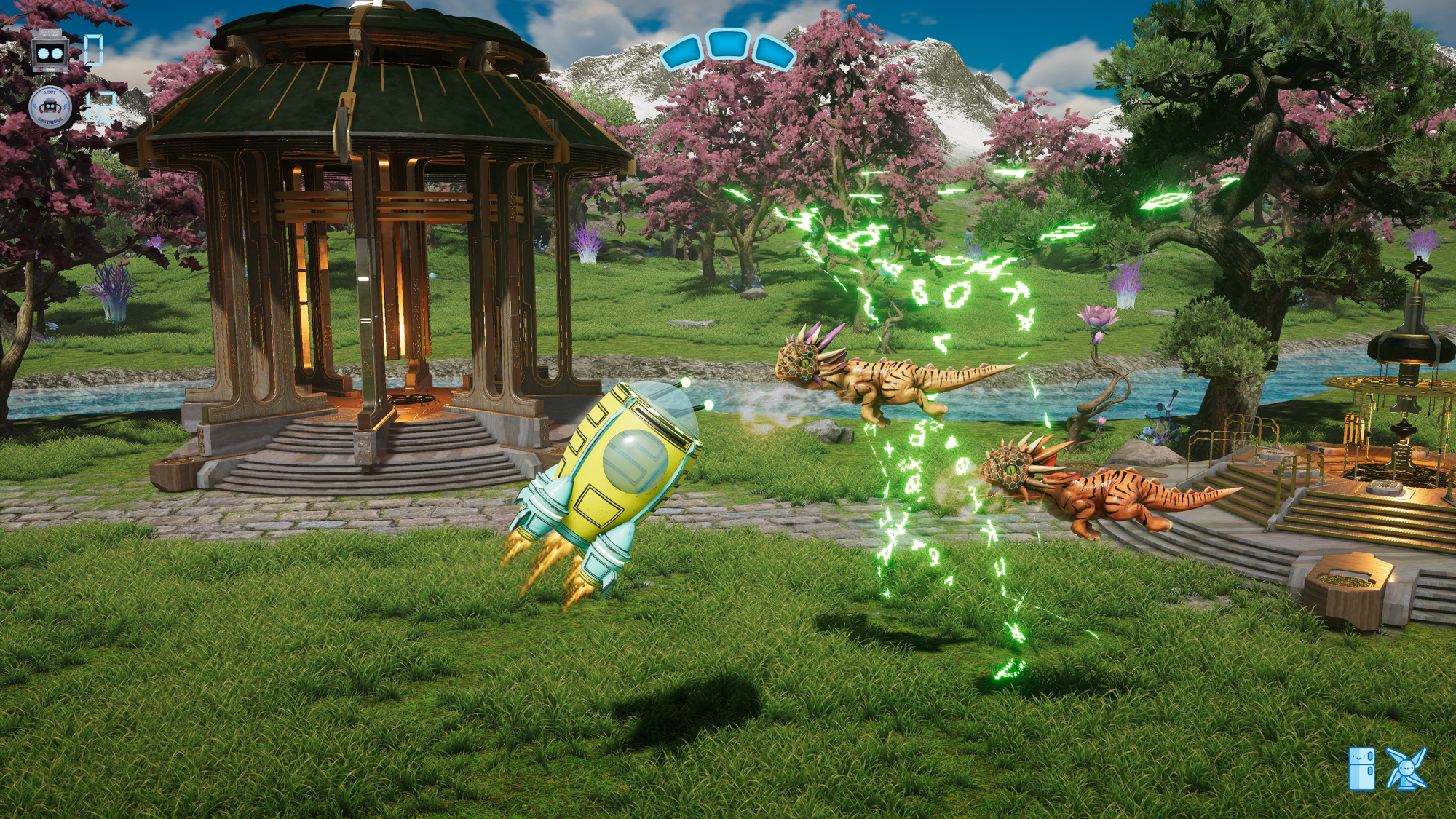
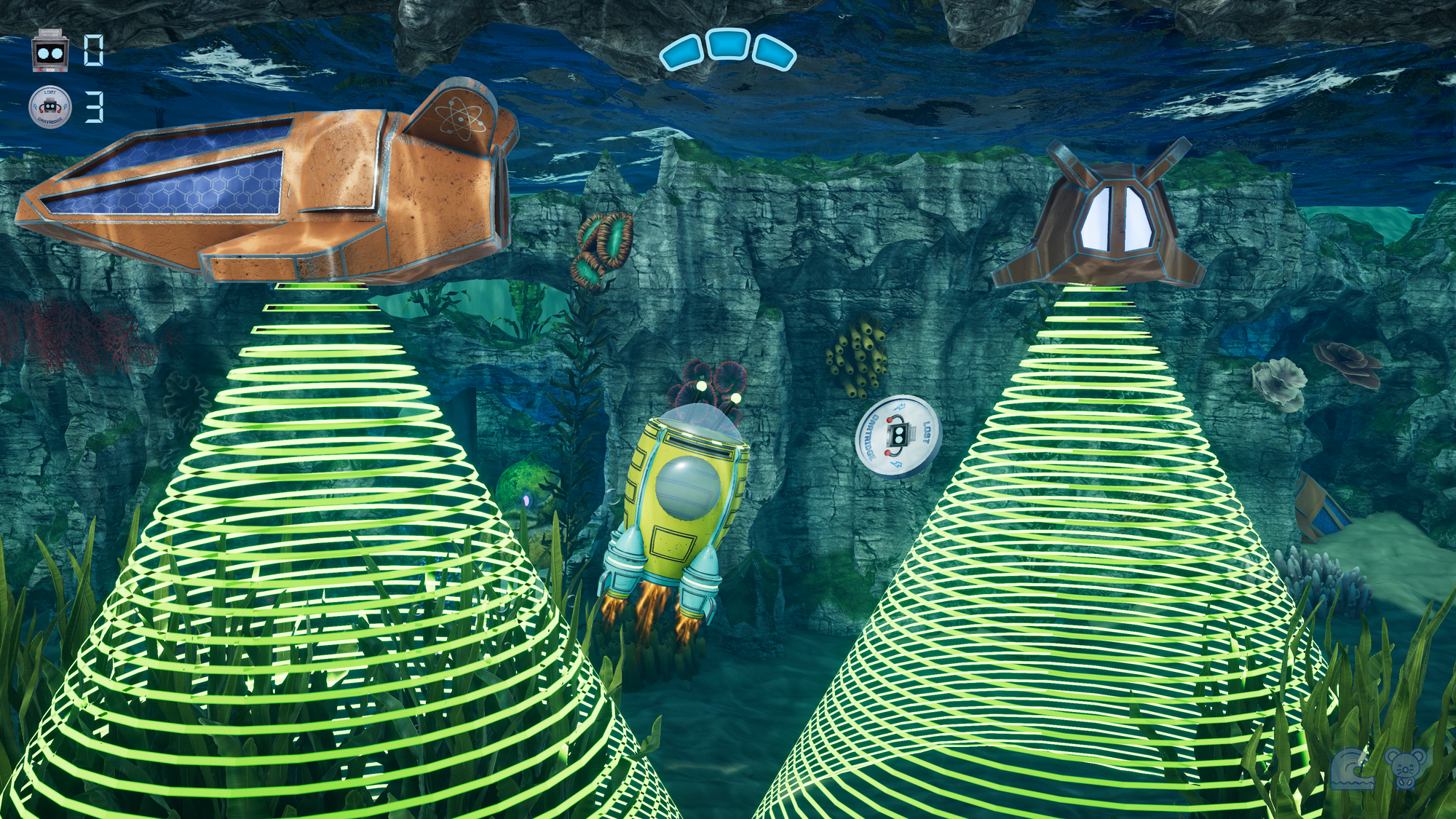
At just sixteen years old, developer Max Trest is already working in ways that matter, staying hands-on and relentlessly focused on the one thing players actually feel: whether the game is fun. He designs with clarity in mind, making sure ideas land the instant you pick up the controller, then polishes the moment-to-moment gameplay until it can carry you to the end. What he's building could be a standout hybrid of 2D and 3D platforming: his debut game, Astrolander, is slated for release on Steam and PS5 later in 2026.
Astrolander Gameplay Trailer. Source: Playstation Japan.
SUPERJUMP
Thank you for joining SUPERJUMP for this interview, Max! You’re now sixteen, but you started Lost Cartridge Creations at just thirteen years old. Can you take us back to the moment when you first realised that you didn’t just want to play games, but actually make them?
Max Trest
Thank you for doing the interview with me! I’ve never been much of a “gamer” myself and have always preferred working on my own projects. From a young age, I loved experimenting and building things, and 3D modeling and programming felt like the next step in that journey. I started learning game development with a tool called Scratch when I was nine years old. It’s a simple, block-based programming language that taught me the basics of coding. Around the release of Blender 2.8, I began 3D modelling, following the famous ‘donut’ tutorial. Eventually, I moved on to Unity and started building larger projects, which ultimately led to my work on Astrolander.
SUPERJUMP
You’ve mentioned being fascinated with retro computers and consoles. What was it about those older machines that captured your imagination, and how does that influence the games you’re making today?
Max Trest
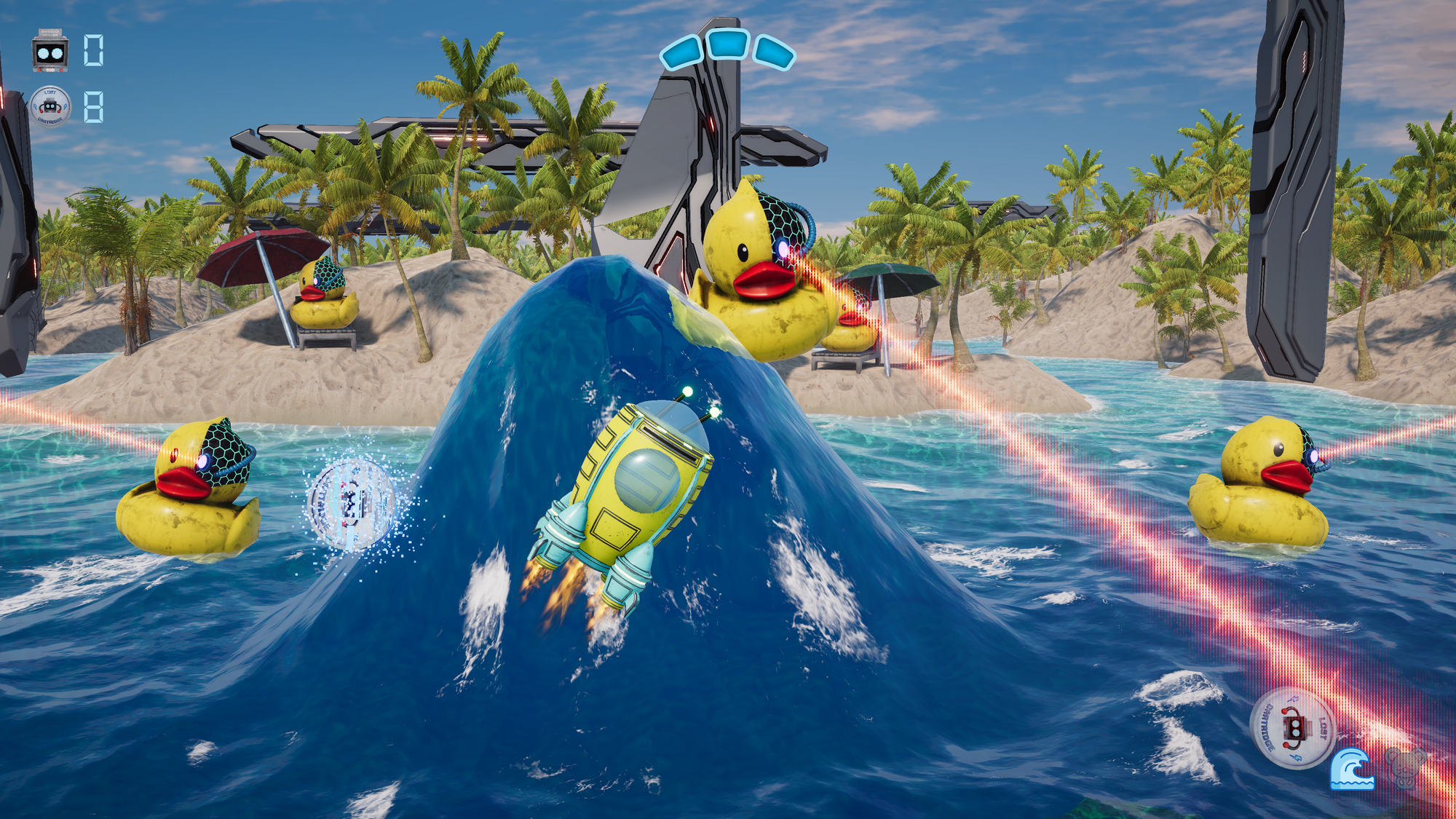
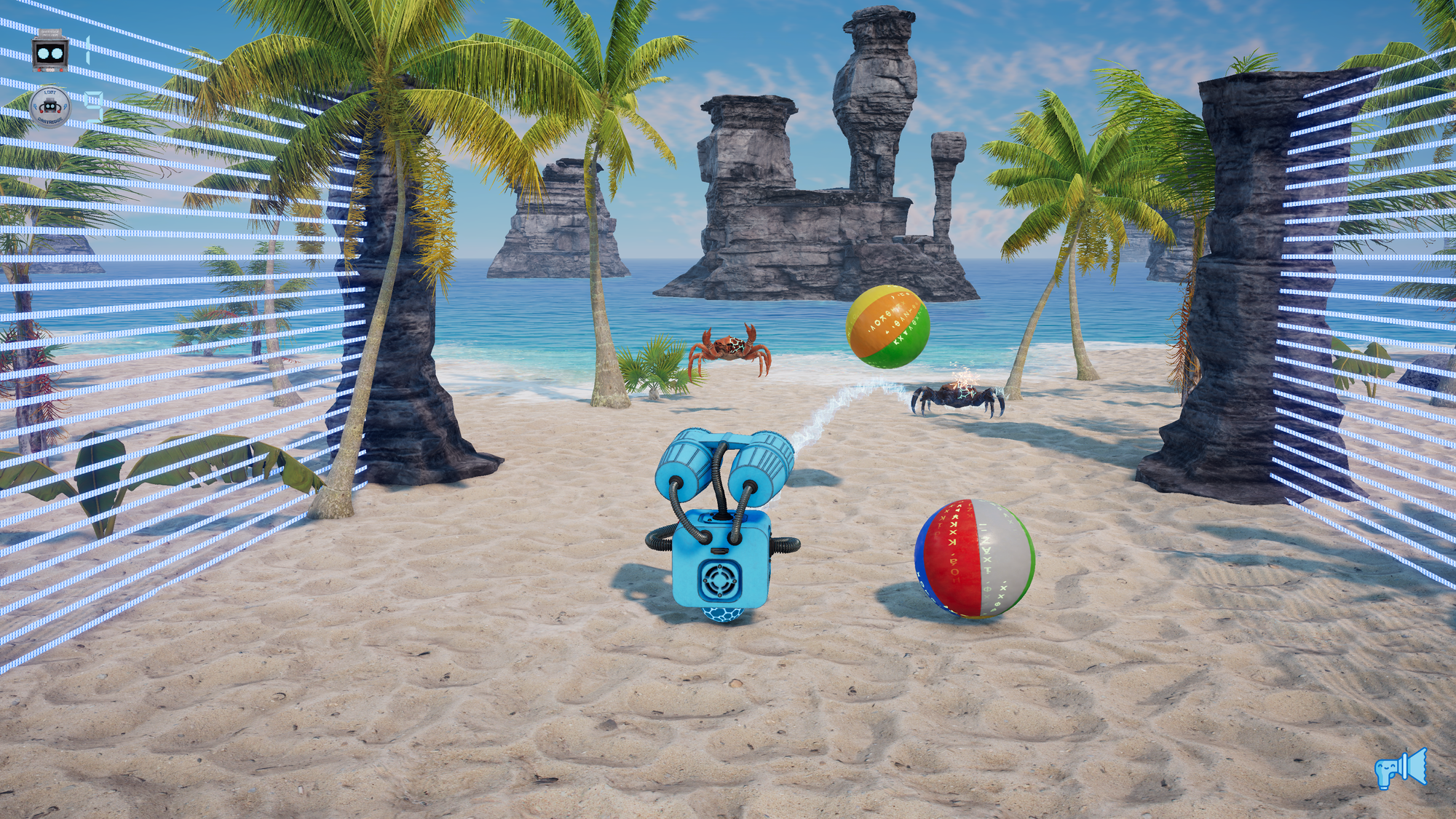
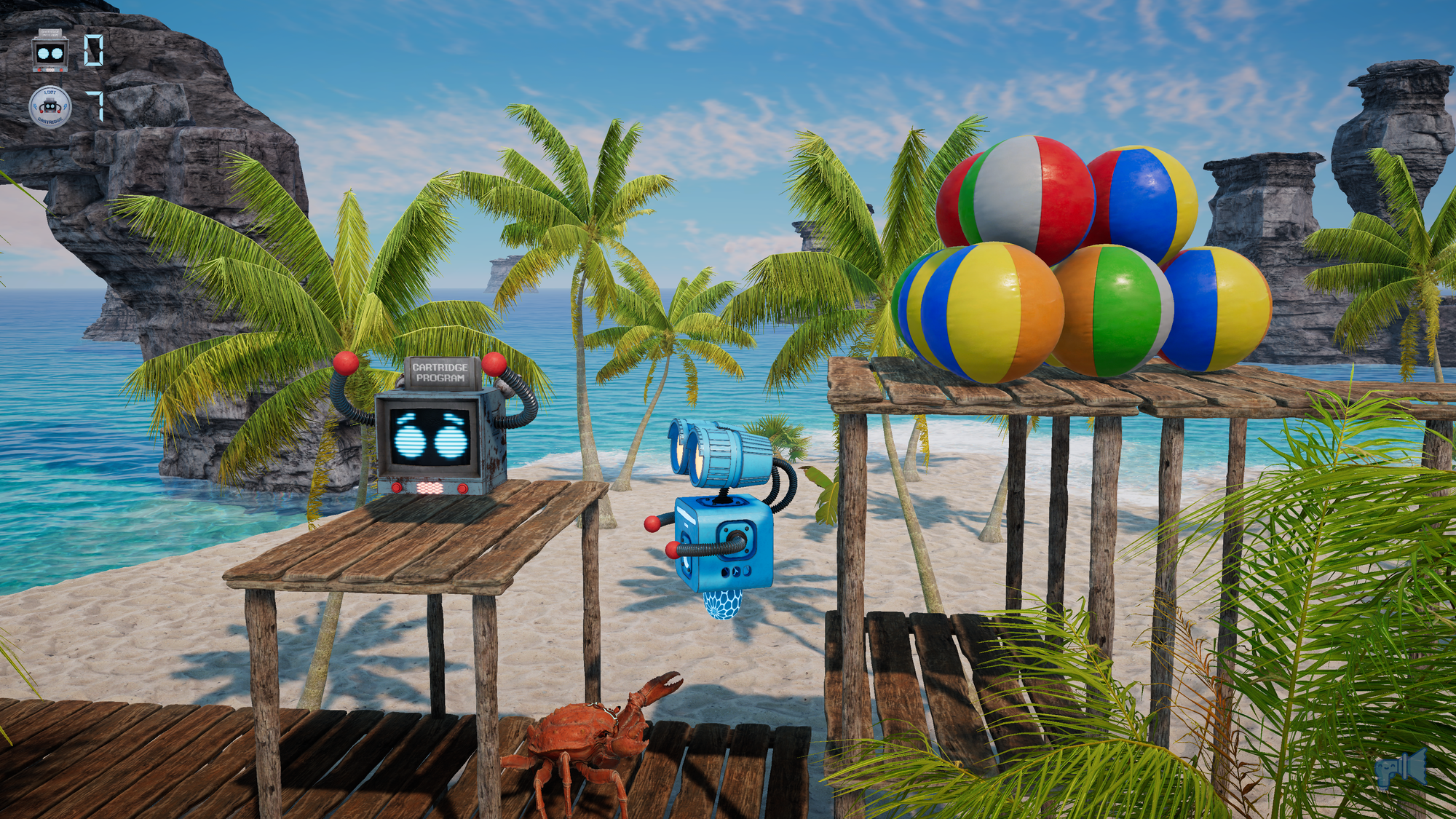
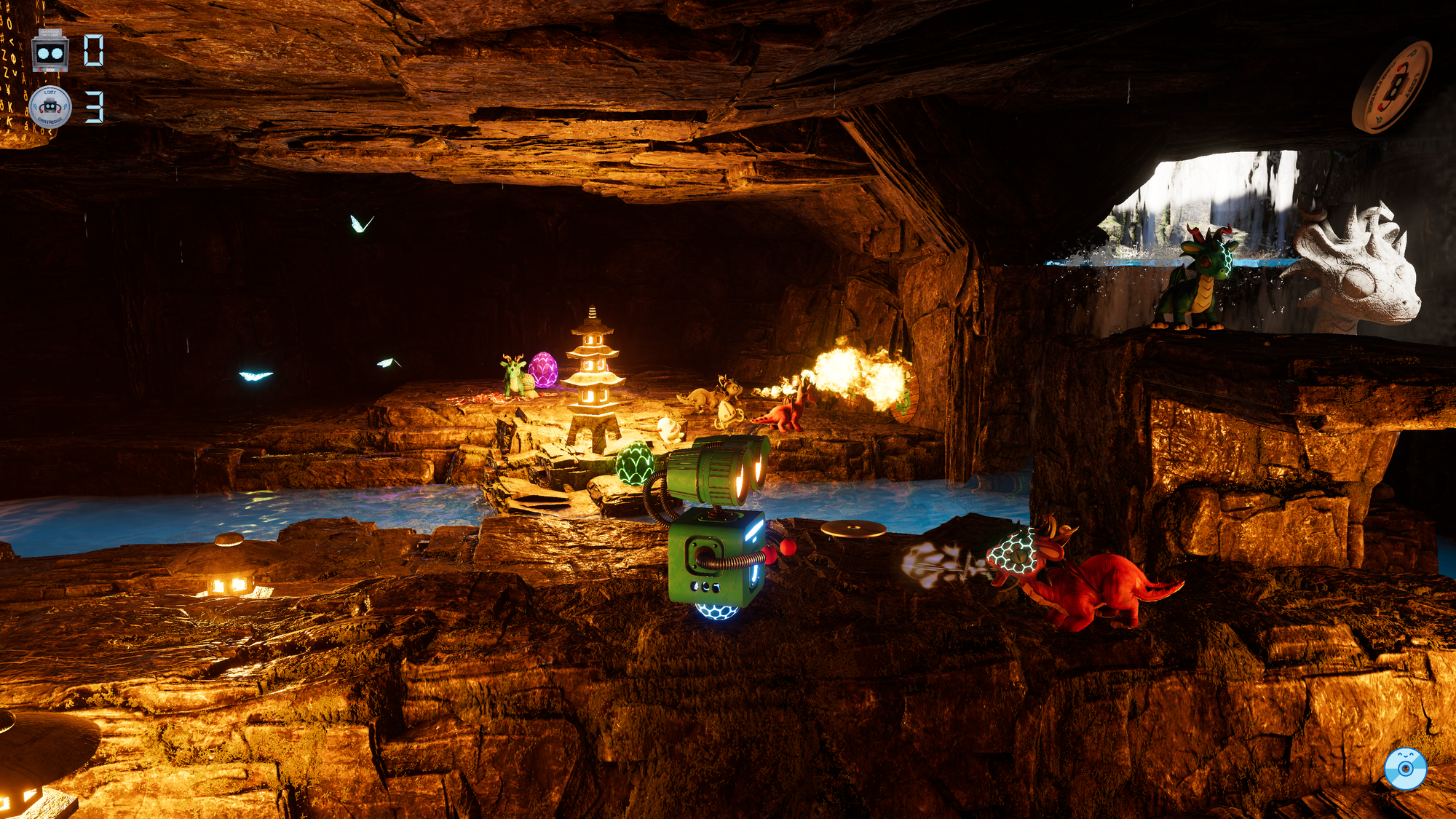
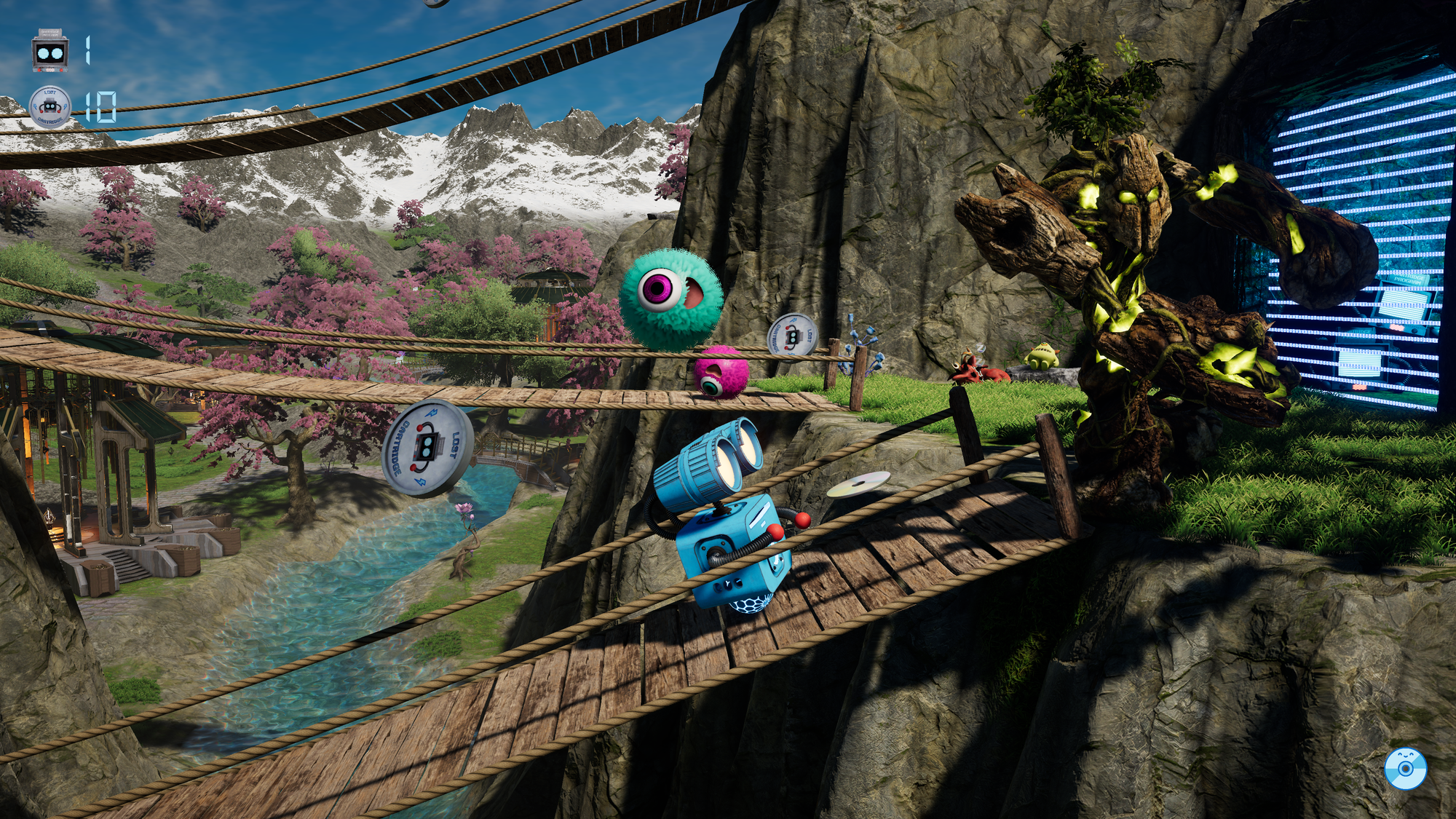
I feel many developers forget the impact classic computers and consoles have on modern games. The video game industry is still relatively new and has evolved rather quickly. Even so, every game today borrows ideas from titles released in the '70s or '80s. Astrolander is a game about a robot named Feedback, and was originally started as a modern take on Atari’s Lunar Lander from 1979, until I expanded the game with Feedback’s platformer sections. Some sections of the game, such as the Kodama (golems) and Kedama (furry creatures), are inspired by classic arcade games like Donkey Kong, but brought into 3D and modernized, while adding my own spin.
SUPERJUMP
The original Astrolander prototype you built at age 12 ended up in a museum exhibit. Tell us about that, and how it felt seeing something you created recognized like that so early in your journey?
Max Trest
It was very exciting to have Astrolander installed at the Museum of Pop Culture (MoPOP) in Seattle! The museum was founded by Paul Allen, so it was such an honor to have the prototype featured there. I remember going to see the exhibit for the first time in person and watching people have so much fun playing the game.
SUPERJUMP
Many developers start by trying to copy their favourite games. At what point did you realise you wanted to create something distinctly your own, rather than just recreating the classics you love?
Max Trest
From the beginning of working on Astrolander, my goal has always been to create a unique experience. When I started working on Feedback’s platformer sections, I wanted to avoid copying what platformers of the past have already done and instead try to push the genre forward. For the PS5 version, I also integrated the DualSense in a way that wouldn’t overwhelm players, but would complement the experience. Many games don’t use the controller features at all, or they overuse them and end up distracting players.
SUPERJUMP
Astrolander has been compared to games like Mario and Astro Bot, but it clearly has its own identity. What do you think defines the “Lost Cartridge Creations” style?
Max Trest
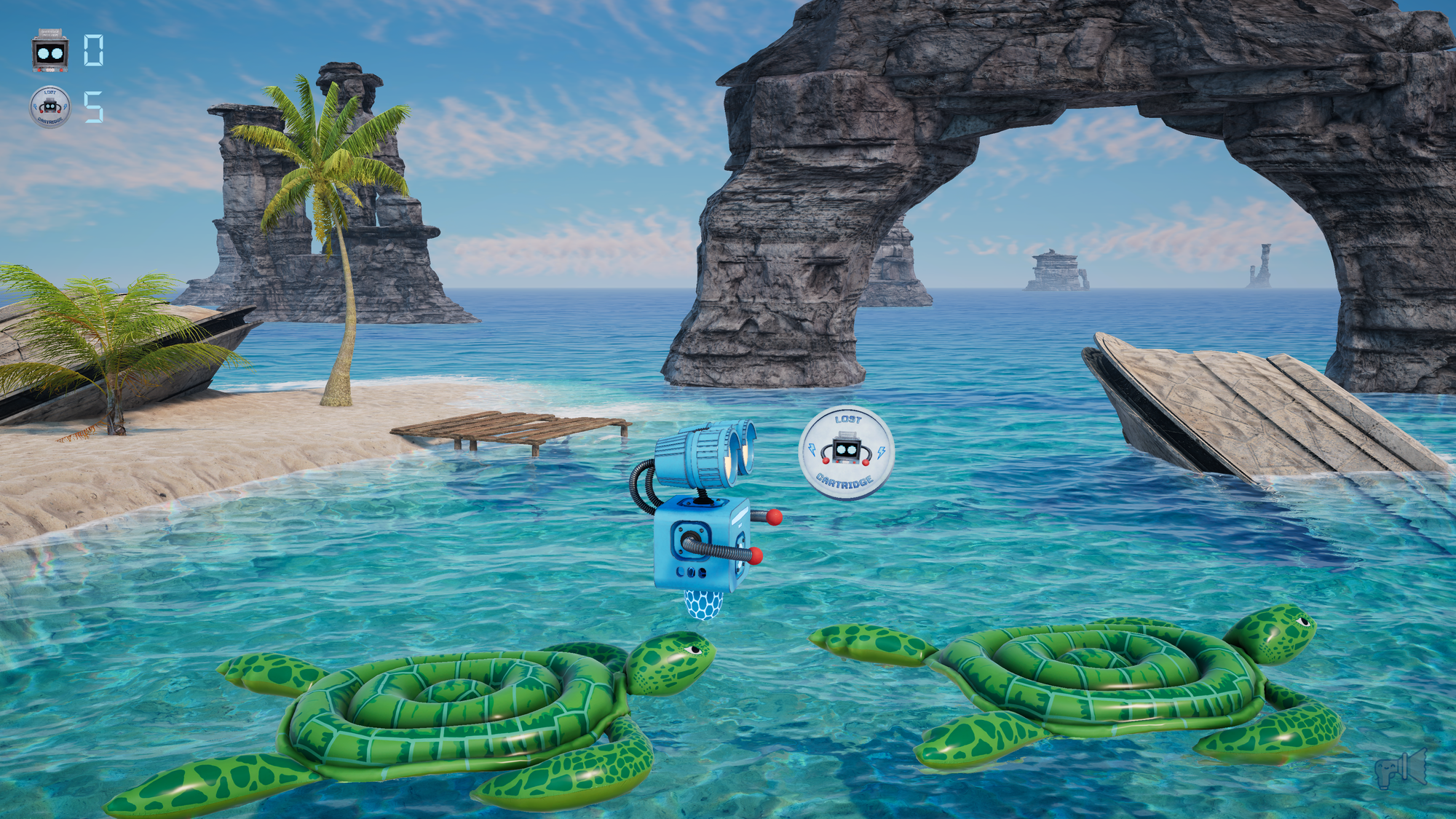
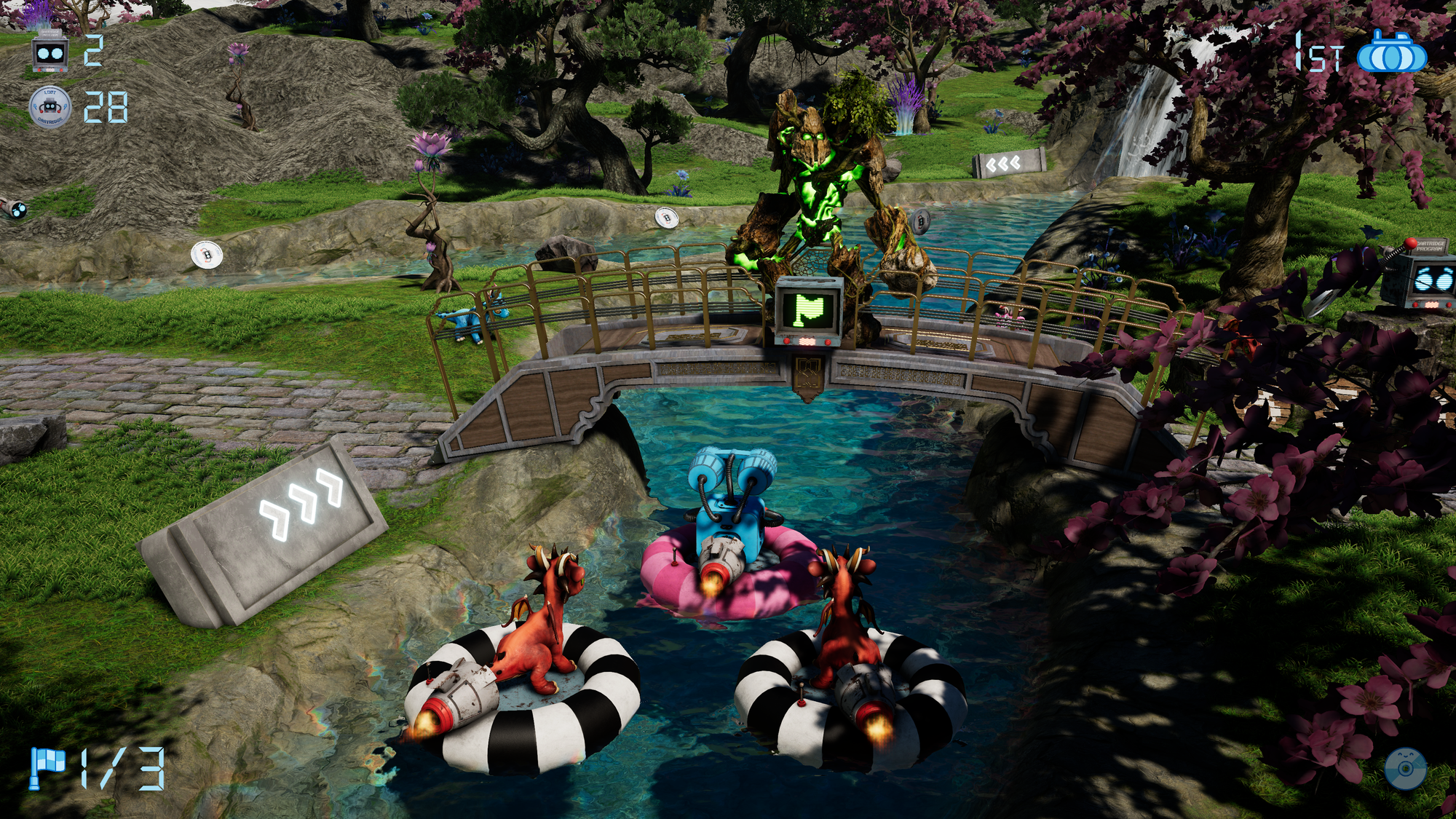
Lost Cartridge Creations is about creating distinctive experiences. Once people have a chance to try Astrolander, they understand what makes it so different. From the revolutionary blend of 2.5D and 3D, to the co-op mode, to the bumper boat battles and races, each level introduces something new. I also wanted to push the graphical fidelity of platformers, an area where I feel the genre has fallen behind.
SUPERJUMP
When you’re designing a new mechanic, what comes first for you: the technical idea, the gameplay feel, or the imagination of a world it belongs in?
Max Trest
The most important question I ask before designing a mechanic for Astrolander is simple: Would it be fun? I think many developers overlook this question or get distracted by more obvious technical issues. Obviously, not every fun idea is technically practical or fits the game, but it’s a good starting point. Even if the idea isn’t implemented directly, it can still inspire other ideas!
SUPERJUMP
You handle programming, 3D art, and technical work on the project. How do you balance all those roles without getting overwhelmed?
Max Trest
It’s always a challenge! The most important part of managing all these roles is having a plan and making sure it’s practical. I keep a list of ideas for mechanics, but I understand that some would simply be impossible for a team of two to implement. I do believe that if a mechanic is too technically complicated for the developer, it’s probably too complicated to explain to the player. There are also advantages to being a small team and being able to pivot so quickly!
SUPERJUMP
What tools or engines have been the most important in helping you bring Astrolander to life?
Max Trest
The game engine I’m using to develop Astrolander is Unity. The Unity team has been very supportive of the project. This is a bit technical, but Unity has two “render pipelines.” Most games are built using URP (Universal Render Pipeline), but for Astrolander, I’m using HDRP (High Definition Render Pipeline). This allows me to access tools that improve the visual quality of Astrolander. All the models for the game are created in Blender and textured using Adobe Substance Painter. This workflow is common in AAA game development, but it isn’t often used by indie game developers.
SUPERJUMP
Looking back at the early prototype you built years ago, what’s the biggest thing you’ve learned about game development since then?
Max Trest
The biggest lesson I’ve learned over the years is how important it is to take the right feedback from players. There’s a talk by Mark Cerny from DICE Summit 2002 where he mentions game testing. The biggest takeaway is: don’t just listen to what players say, watch what they do and how they react when playing parts of the game.
SUPERJUMP
Every developer hits moments where things just don’t work. What’s been the most difficult technical or creative challenge you’ve faced while building Astrolander?
Max Trest
As mentioned earlier, taking feedback on the game is a difficult process. It’s important to think about who the target market for your game is. Unfortunately, it’s almost impossible to make a game that will appeal to everyone, so knowing your target market is key. With Astrolander, I’m trying to balance giving players a challenging platformer with the understanding that making the game too difficult will alienate some audiences. It’s about finding the right balance.
SUPERJUMP
As a young developer entering an industry that can sometimes be tough to break into, what has surprised you most about the game development world?
Max Trest
I was surprised by how supportive many of the people in the game development industry are. Even though the game industry is so big, it’s a very tight-knit community where lots of people know each other.
SUPERJUMP
Many indie developers talk about chasing a particular feeling: curiosity, challenge, wonder, nostalgia. What emotion do you most want players to feel when they play your games?
Max Trest
Fun. I always go back to this when working on Astrolander. Will this mechanic be fun? When testing at shows, is the player having fun? When exhibiting demos at events, I love seeing the excitement on players’ faces when a new mechanic is introduced, and I want to make sure every moment of gameplay in Astrolander feels like that.
SUPERJUMP
Platformers have existed for decades. What do you think still makes the genre exciting today?
Max Trest
Because the core of platformers has existed for so long, the genre offers developers a chance to experiment with out-of-the-box ideas. From creative stories like Psychonauts 2 to nostalgic adventures like Astro Bot, platformers still have plenty of space to innovate!
SUPERJUMP
The games industry is evolving rapidly with new technology, distribution platforms, and development tools. Where do you think indie developers have the greatest opportunity right now?
Max Trest
The audience for indie games has never been larger than it is today. One of the biggest issues I see facing indie developers is the amount of AI slop being posted on platforms such as Steam, but I think this also provides indie developers with an opportunity to create unique experiences. Especially today, people are looking for unique and thoughtful experiences created by fellow humans.
SUPERJUMP
If you imagine yourself ten years from now, what would success look like for you? Is it building a bigger studio, making dream projects, or simply continuing to create games that people love?
Max Trest
I already have ideas for a sequel to Astrolander! I want to continue expanding Lost Cartridge Creations and building more ambitious projects. At the same time, I want to stay focused on creating fun games that introduce something new to players.
SUPERJUMP
Max, thank you for sitting down with us and talking so openly about what it’s like to build a game! For our readers who want to keep up with Astrolander, you can wishlist it on Steam and PS5, and there’s a gameplay trailer out too via PlayStation Japan if you want a closer look at how all those ideas actually move.
w