Hidden Gems of Game Design Vol 44
Unearthing Zexion, OpenTTD, Bullets & Brains, and Werewolf: The Last Warrior




Plenty of amazing games go unnoticed and are not played widely, for various reasons. Maybe it’s a diamond in the rough, or the marketing wasn’t there, or it could be a game ahead of its time. For this monthly series, I’ve asked my fellow writers at SUPERJUMP to pick a game they think is deserving of a chance in the spotlight. Please share your favorite hidden gems in the comments.
Josh Bycer
Zexion (2025).
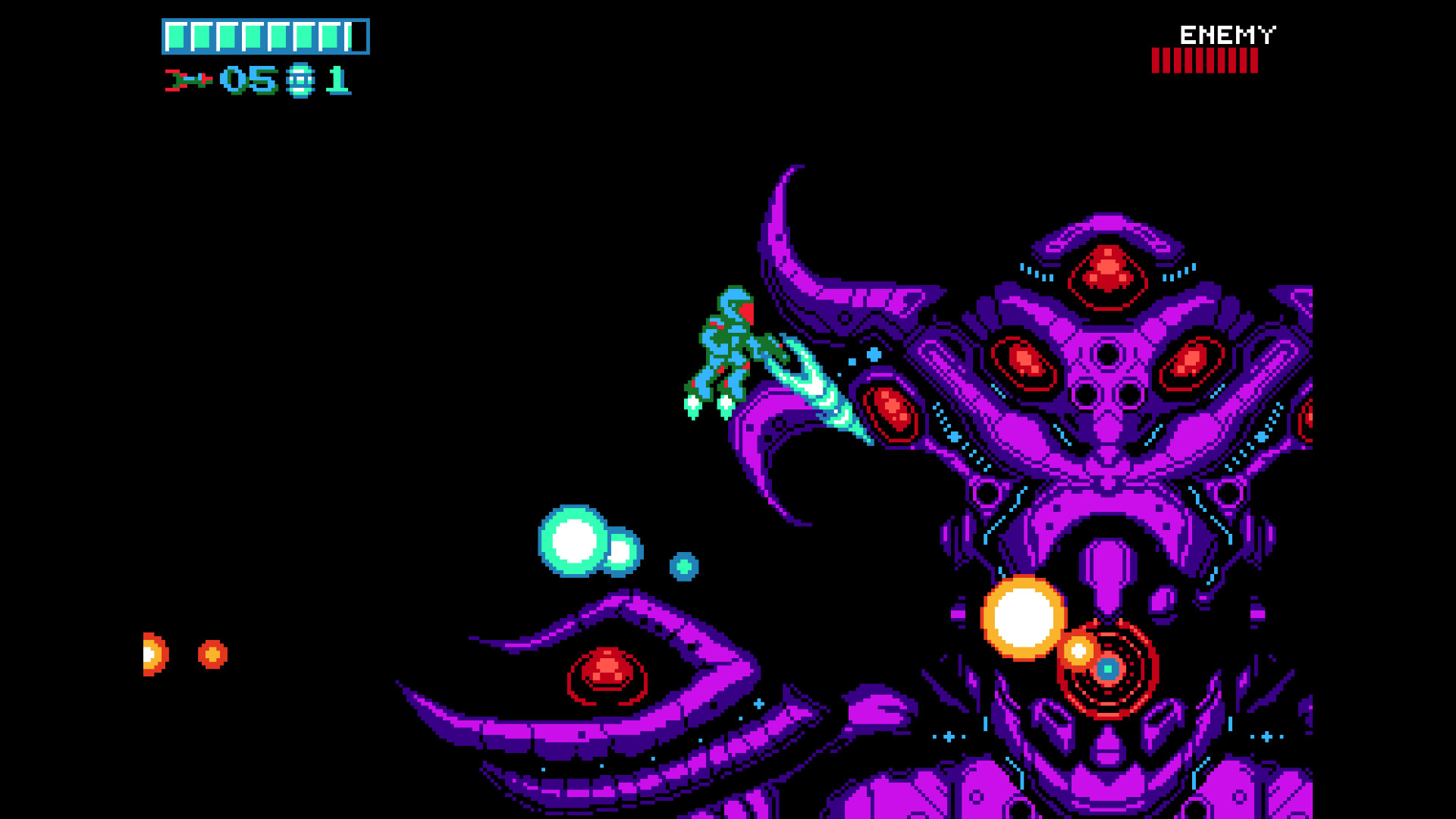
2025 may be the year of Hollow Knight: Silksong dominating the Metroidvania genre, but there was another game, Zexion, that I found to be every bit as good and challenging. You have arrived on a planet to find the mysterious technology known as Zexion, but every other space-faring race is out to take it from you, along with the myriad of strange creatures who make up the world.
While the game looks and plays like the classic Metroids, everything is ramped up to 11. You’ll need to make use of multiple weapons and movement tech if you want to explore the world. If you’re someone who found the bosses and enemies in Silksong to be challenging, well, they don’t hold a candle to the fights in Zexion. Bosses are often multi-phase, fully transforming gauntlets that will test your ability to dodge and shoot. The boss fights will make even the most hardened Metroidvania fans sweat with their attack patterns. The world is mostly open for you to explore from the beginning; however, all the various upgrades will dramatically expand your exploration.
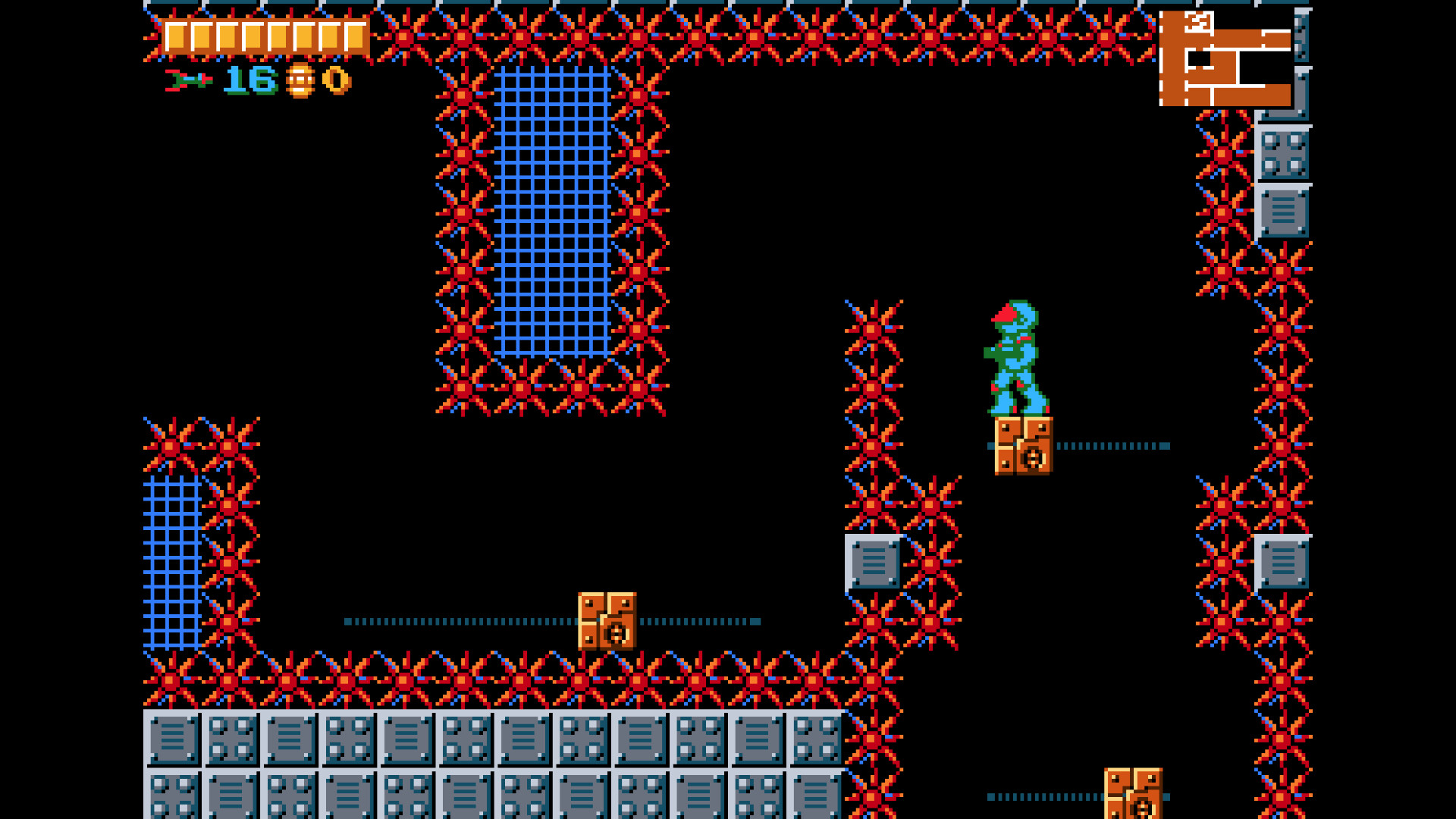
No matter your skill level, Zexion is going to put you through your paces. Most enemies don’t drop healing items, and there are some nasty sections where you will fight tooth and nail to get to the next save point.
For fans looking to do more, there is a full randomizer unlocked after finishing the game, true ending challenges, and, of course, the thrill of going for 100% completion. While everyone has played or heard of Silksong, Zexion deserves praise as one of the best Metroidvanias of 2025, and easily one of the more challenging examples of the genre.
Matthew Lawrence
OpenTTD (2004)
As I zoom out to look at the map, I can’t help but feel a sense of pride and satisfaction watching my little planes, trains, buses, transport trucks, and ships zip around the map. While far from perfect, and certainly nowhere near optimal, I have connected all the major cities and industries in a small section of my OpenTTD map, allowing them to grow unfettered as I stand by and watch the cities expand.
At face value, OpenTTD certainly looks like an old game, and for good reason: Transport Tycoon Deluxe, upon which OpenTTD is based, was originally released in 1994 for MS-DOS. The “Open” aspect of the game came about in 2004 when programmer Ludvig Strigeus converted it to the C programming language and released it as open-source. Since then, the game has continued to receive support from dedicated fans through patches, mods, and graphics changes.
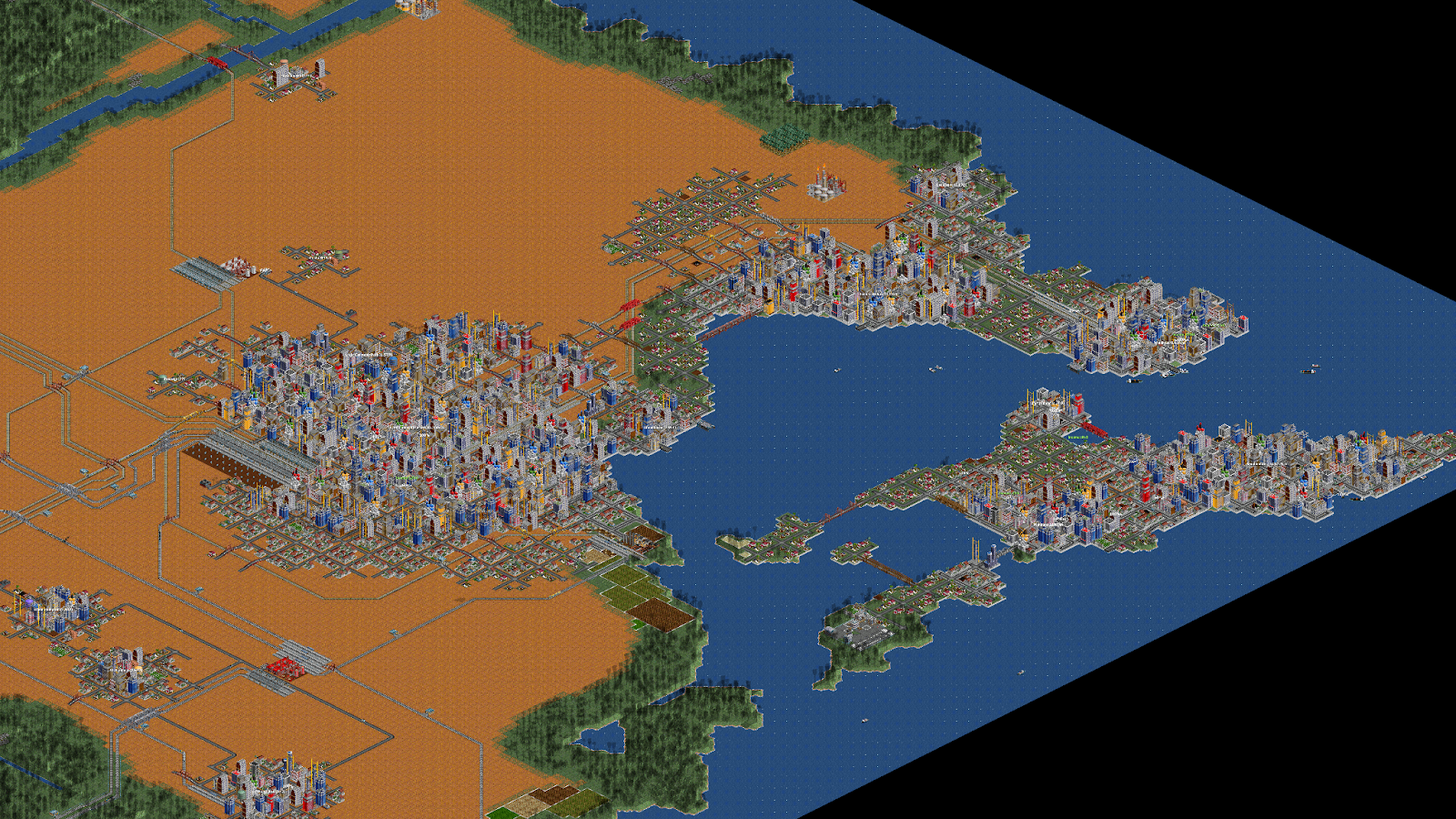
Although the UI and controls take time getting used to, once you have a grasp on them, the gameplay is deceptively simple. Players connect cities by various modes of transportation, and then watch as the money rolls in. Routes connecting cities further away earn more money but might take longer, while shorter routes are completed quicker but provide less money. Towns and cities grow when their transport needs are met, but the real money comes from connecting industries to their buyers. Some industries are as simple as transporting one resource to its buyer, like connecting a coal mine to a power plant. Other industries can require multiple steps and multiple different resources, requiring the player to construct networks spanning the map.
The core complexity of the game, and why it appeals to me, is that there are always new ways to innovate and make my transport networks more efficient. The route-creation tools can allow the player to make some truly complex routes, such that network creation feels like a genuinely iterative process. If you’re interested in seeing just how complex things can get, I would strongly recommend checking out Master Hellish on YouTube and watching some of his videos about the game.
I recommend OpenTTD to anyone who enjoys playing automation games such as Factorio and Satisfactory. While OpenTTD doesn’t get into the weeds as much as those games do in terms of supply chain management, I think modern gamers will be pleasantly surprised by the amount of depth it offers. OpenTTD is free on Steam.
Ben Rowan
Bullets & Brains (2025)
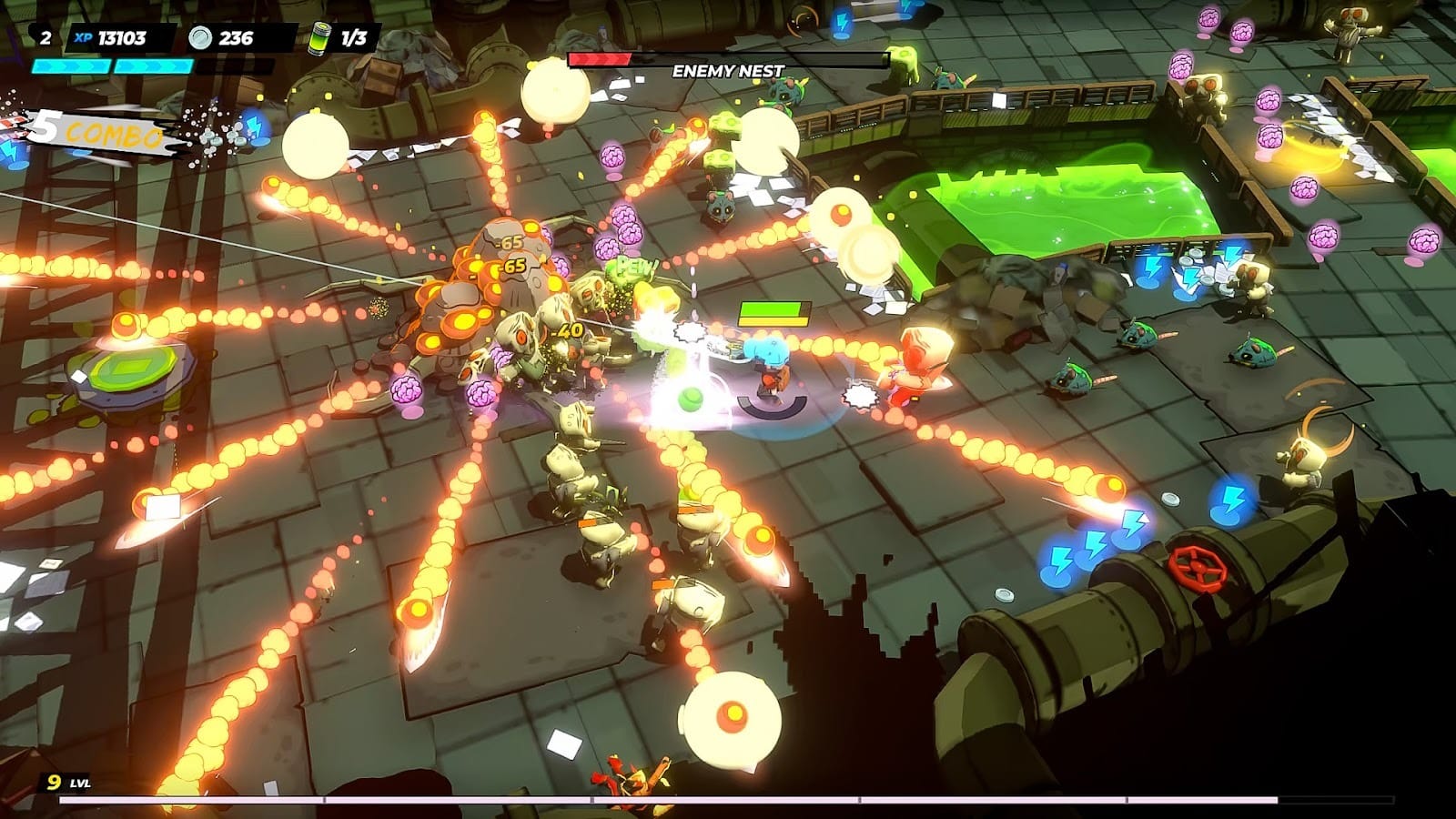
Not sure about you, but I certainly play a lot of video games for that quick, satisfying dopamine rush. Sure, sometimes I want a deep story, a big open world, or an all-night strategy epic. Other times, I just wanna switch off my brain and watch numbers go up while I mow down a sea of hapless zombies. For reasons I still can’t fully explain, few things scratch that itch quite like a top-down splat-fest where the only plan is to keep moving and never stop shooting.
So that's exactly why I’ve been sinking time into Bullets & Brains, a scrappy indie that's tailor-made for short bursts of fun. It’s developed by Ajvar Studios, a tiny two-person dev team based in Croatia, and it’s quietly made its way onto pretty much every platform, including Xbox, PlayStation, Switch, and Steam.
The setup is pretty straightforward: post-apocalyptic zones, sprawling maps, and an arcade-style focus on keeping the action flowing. In practice, it blends several genres I love: twin-stick shooters, bullet hell, zombie horde shooters, plus a mix of RPG progression and a 'light rogue-lite' structure that keeps things sticky.
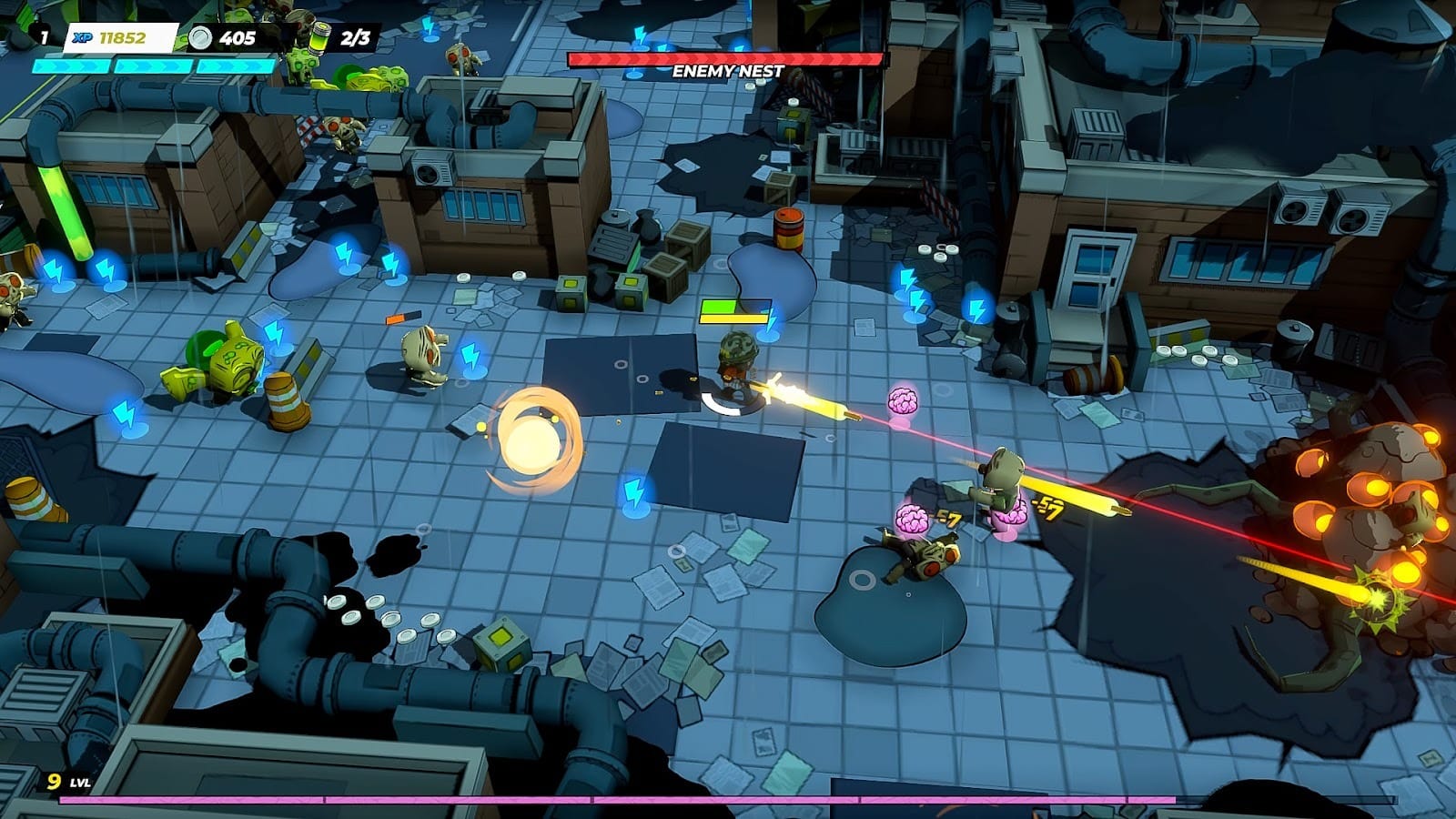
Structurally, it plays like a semi-linear RPG. You venture into different zones, pick off levels and objectives, and gradually open up the map. Once you’re inside a level, it becomes its own mini rogue-lite run. Zombies spawn in waves that never fully stop, so you’re always dashing and cutting angles. As you drop zombies, they spit out the game’s namesake currency: brains. Grab enough brains, and you level up, which triggers that addictive “choose 1 of 3” moment: More health, faster movement, passive weapon buffs, healing, damage spikes, etc. The randomness keeps each attempt feeling fresh as you gain power and take down the never-ending hordes.
Meta-progression is a big part of the hook, too. You collect coins to purchase upgrades, like buying better weapons that unlock as you level up in-game. And you're also earning experience points that feed into permanent upgrades. So even when you get flattened, it rarely feels like wasted time. The final collectible is electricity, which lets you unleash your 'ultimate', a giant room-clearing blast that kills all zombies on screen and puts everything into temporary slow-mo. Perfect for when things get, as they say, ‘a little out of hand’.
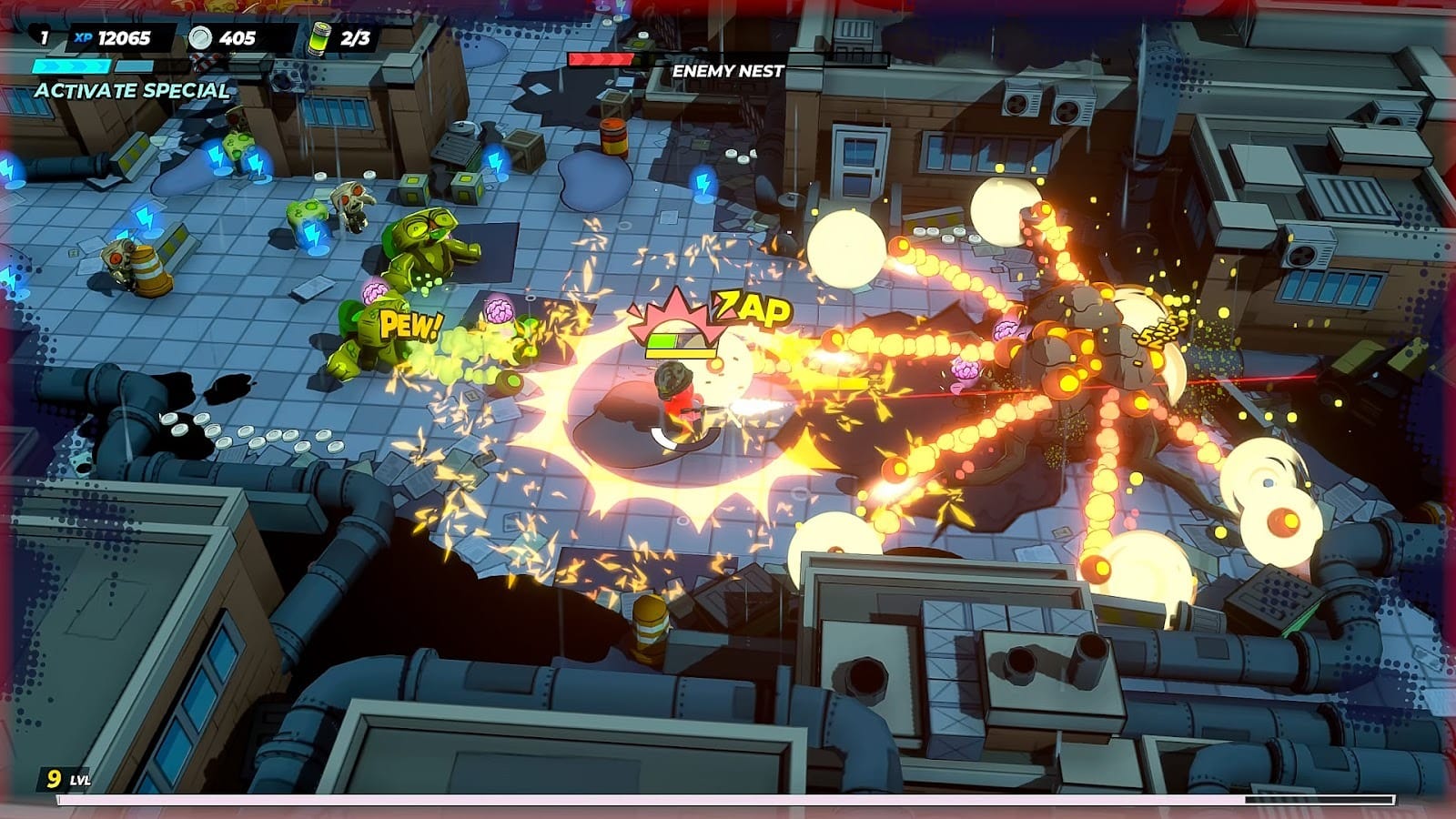
The moment-to-moment action is properly frantic. Exploding barrels are everywhere, slobbering hordes pile in from all sides, mini-bosses crash the party, and there are crates galore begging to be blasted into smithereens. Every crate has loot inside, too, which makes it doubly satisfying. There’s also a co-op mode, which looks like the ideal way to play, but my partner hates twin-stick games, so I’m running solo, which is fine with me; I'm having a blast nonetheless!
With only about a dozen Steam reviews and limited critical coverage, Bullets & Brains is absolutely a hidden gem. It’s mindless, chaotic, and it’s become a go-to palate cleanser when I want something instantly gratifying. Now, back to frying zombies with a flamethrower.
Anonymous
Werewolf: The Last Warrior (1990)
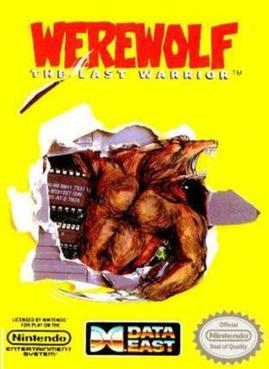
NES games are notorious for their difficulty. Werewolf: The Last Warrior by Data East follows this trend to a tee, even when it lets you rip foes apart as a werewolf.
This action platformer charges you with stopping Dr. Faryan, a possessed scientist who mutates the world into a toxic wasteland. Naturally, this means you don’t want to be a mere human when ninjas and mercs in jetpacks gun you down.
This is made apparent right at the start with a boss fight against your human form.
Finding red “W” symbols lets you transform into a werewolf with T-1000 blade arms, like in the Terminator films, turning the platformer into a Hollywood montage as you backflip, crawl, and wall climb between slicing your enemies. The beast also comes with a substantial health bar, letting you take some hits.
Unfortunately, the game’s precise jumps are its real bosses.
Pair that with an unintuitive long jump (pressing up + the jump button) and you have a recipe for frustration long before you meet its mini-bosses. If the jumps don’t kill you, watch out for the blue “W” symbols that pop out of crates and secret spaces that un-werewolf you back to a human.
Its gameplay quirks are even more jarring. Enemies and projectiles drop on you with no warning, forcing you to memorize them to clear levels. You can pick up guns from enemies, but you can only fire them once. Worse, you can only use them as a werewolf, which confounds my mind to this day.
Decent visual spritework and neat transformation gimmick aside, it’s hard to recommend Werewolf: The Last Warrior’s brutal missions unless you’re curious about the evolution of NES titles. If you’ve made your choice, the Japanese version of the game simplifies some of its platforming to make it bearable.