Hidden Gems of Game Design Vol 47
Unearthing Ginger, Sublevel Zero Redux, and PlanetSide 2



Plenty of amazing games go unnoticed and not widely played, for various reasons. Maybe it’s a diamond in the rough, or the marketing wasn’t there, or it could be a game ahead of its time. For this monthly series, I’ve asked my fellow writers at SUPERJUMP to pick a game they think is deserving of a chance in the spotlight. Please share your favorite hidden gems in the comments.
Josh Bycer
Ginger (2025)
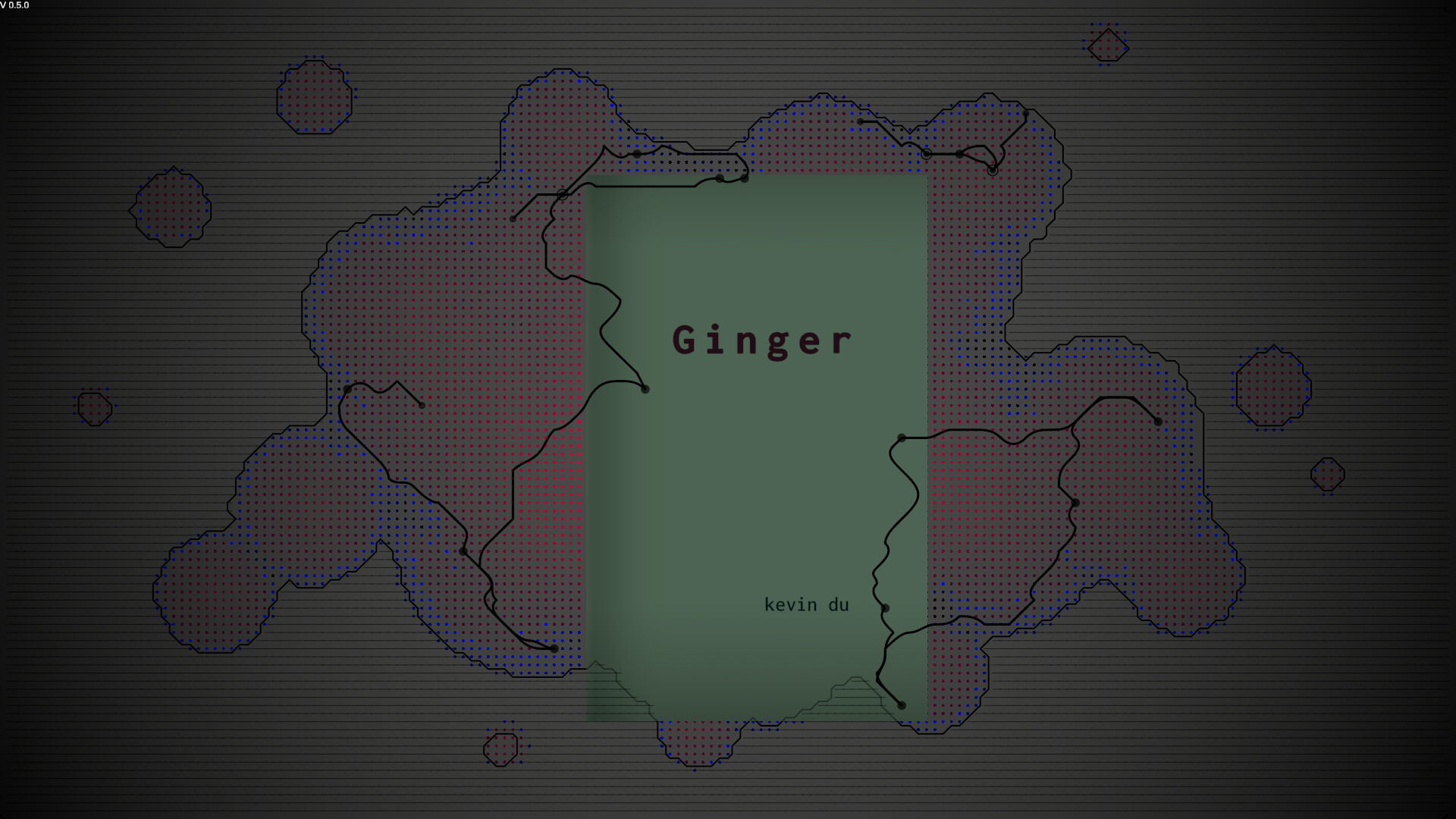
My pick for this month is going to be the shortest entry, not because the game is bad, but because it’s such a niche design that I cannot play it at all.
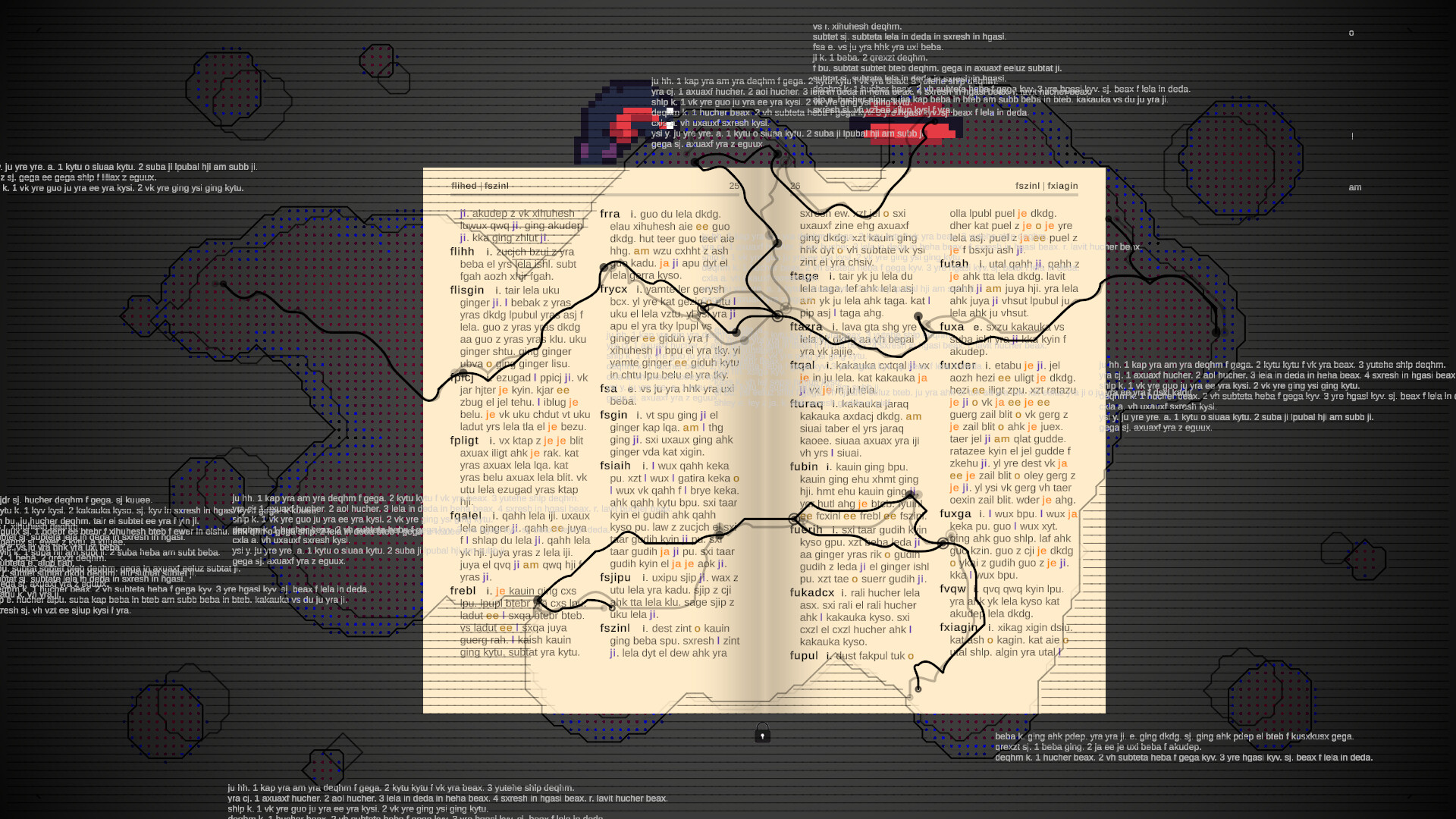
Ginger is a phonetic adventure game. Your mission is to learn a language you’ve never heard of by using your lips to create words…yes, you read that right. By pressing different keys, you will adjust the character’s lips, which will then make noises to create the words of this language.
The more words you uncover, the more your dictionary will grow, and the story of Ginger will reveal itself. This is a game I can’t help but marvel at someone making, but I cannot play this to save my life. I have a horrible ear for music and tone; if a game has any music-related puzzles, I simply can’t do them. So an entire game built on learning and understanding sounds is impossible for me.
This is the very definition of a niche game; most of you reading this will never touch this game with a ten-foot pole. But if you like your games to be experimental and original, I think I’ve found your next purchase.
Ben Rowan
Sublevel Zero Redux (2015)
I’m old enough to remember Descent on PC, back when “true 3D” still felt like a magic trick. It wasn't that the visuals would impress anyone today, but because the movement was so satisfying, like someone mashed together X-Wing vs. TIE Fighter with Doom and made it work.
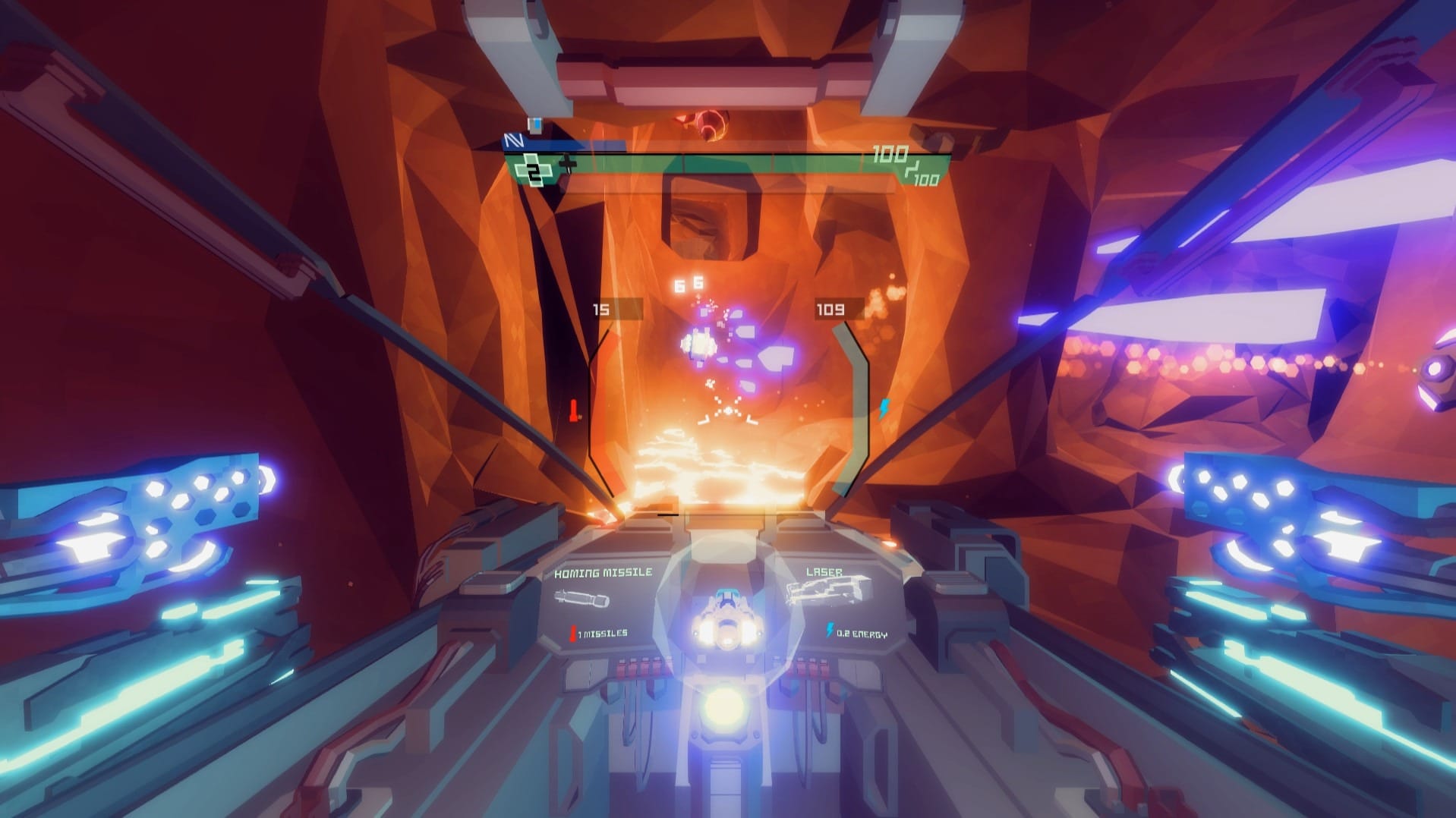
Six degrees of freedom (6DoF) meant you weren’t just running down corridors with a wider field of view. You were floating, rolling, pitching, and sliding all around the place while firing miniguns and launching rockets at flying enemies. You’d drift into a chamber, slide the ship sideways to keep your guns on target, strafe a turret clinging to the ceiling, then flip upside down to line up a missile on a pesky drone and end the whole encounter in a flurry of explosions.
I played Descent’s cousin, Forsaken, on the N64 too, and I’m glad I did, but it never got under my skin in the same way. Descent was the one that stuck. But then the whole genre kind of died off, a forgotten detour of 90s gaming. So when I recently stumbled across Sublevel Zero Redux on the cheap from the Switch eShop, it hit me with a jolt of welcome nostalgia.
A modern riff on the 6DoF corridor shooter, Sublevel Zero Redux was made by UK-based indie dev Sigtrap Games. It originally launched on Steam in 2015, with the Redux version (and 2019’s Switch release) positioned as an expanded release with extra enemies, new starting classes, difficulty options, and a reworked campaign structure.
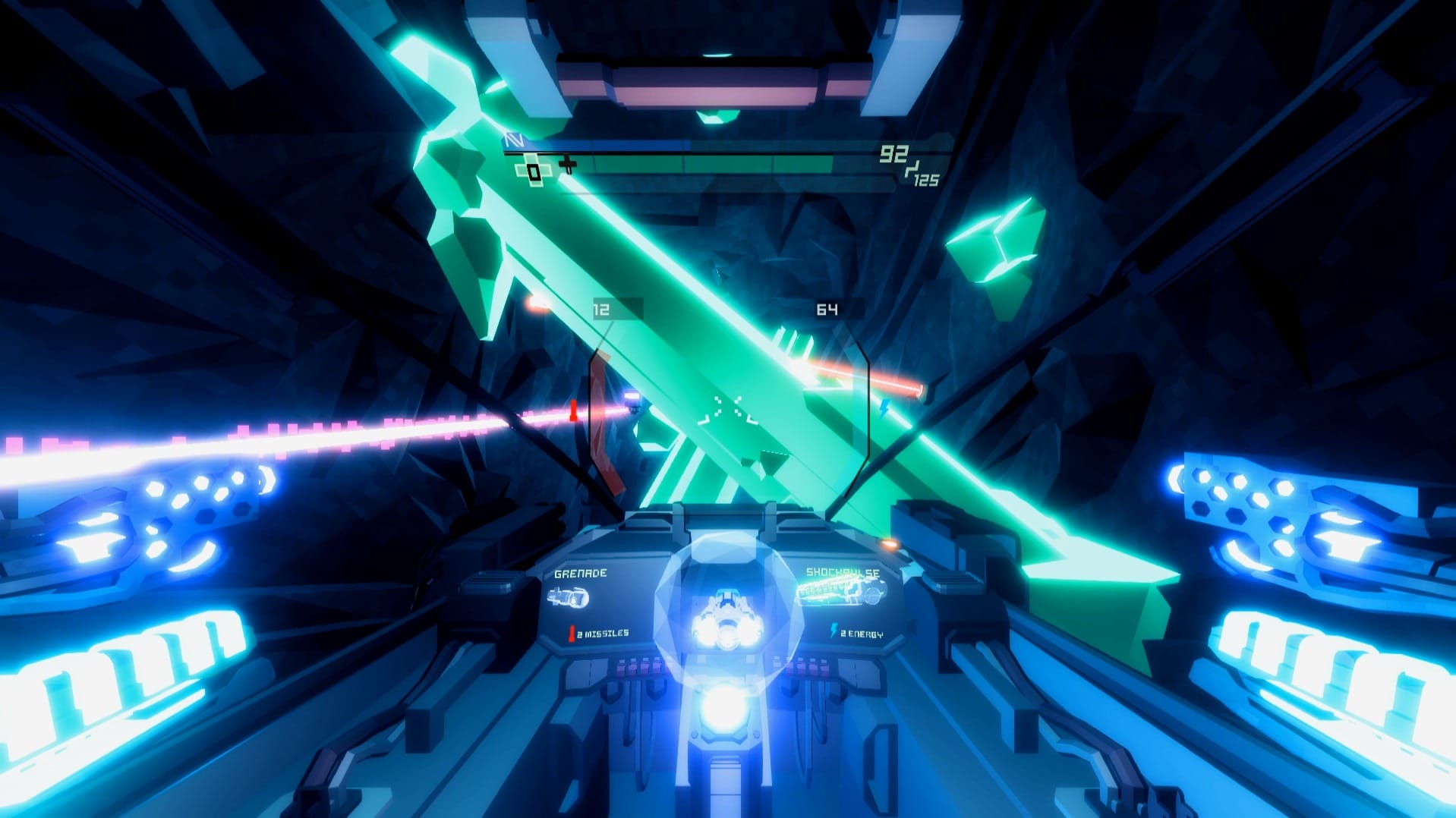
You drop into a procedurally generated facility and start picking your way through maze-like rooms packed with drones, turrets, and nasty little robots that love to rush you the second you show up, all while keeping one eye on the real objective: the end-of-level reactor core. Early on, those reactors are manageable, but the deeper you go, the more they turn into full-on boss fights. Stacked with turret clusters and layered defences, these reactors don’t just sit there and wait to be destroyed so much as they actively punish you for getting sloppy.
The best surprise is how the game forces you to monitor your ammo usage, especially early on, which shifts your approach from mindless spraying to cautious, situational combat. Crafting leans into that tension, since you’re scavenging parts, unlocking blueprints, and spending in-game currency to build better weapons, engines, and shields mid-run. The light meta-progression in the background, where certain unlocks and blueprints carry across attempts, turns the experience into a huge, permanent power ladder.
In fights, the game plays like zero-gravity Doom: constant movement is needed, but the extra degrees of freedom give that movement a slippery, fluid edge. You’re not just circle-strafing; you’re rolling, drifting and cutting weird angles through space. Ammo is scarce, too, and you're often crafting weapons based on how healthy your various ammo supplies are looking, which means you're constantly switching up your playstyle.
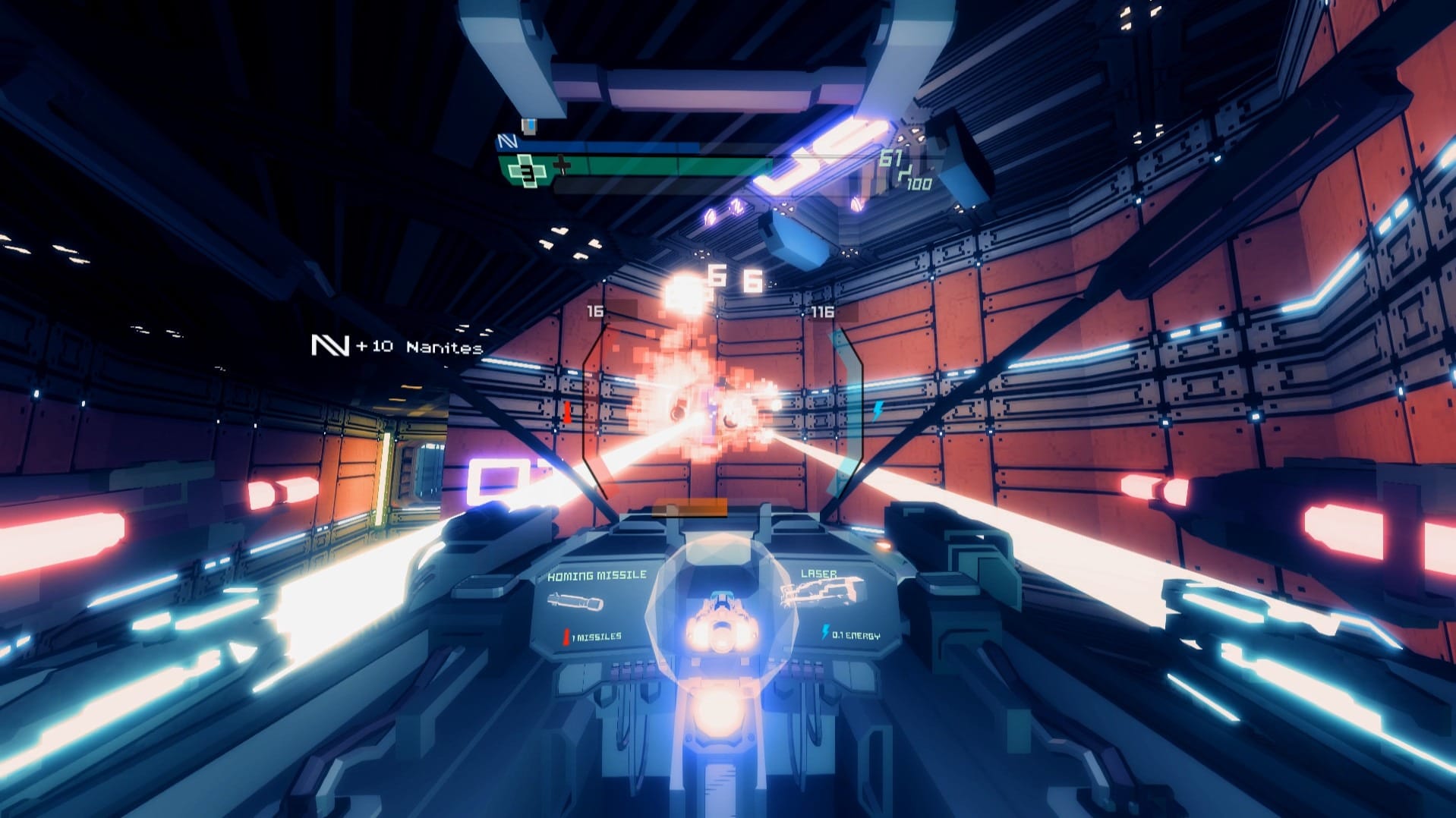
Sublevel Zero Redux starts to really click once you settle into the rhythm of constant movement and correction. Gyro aiming ends up being the cherry on top, giving that extra precision for longer shots without making the whole thing feel like a fight with the sticks. The only real downside is the familiar roguelite trade-off: procedural generation gives you variety, but not always freshness, and after enough runs, you start noticing the repetition. Still, if you grew up on Descent and Forsaken, this is a hidden gem that feels right at home on the Switch, and it’s an easy recommendation when it goes on sale on the eShop.
Anonymous
PlanetSide 2 (2012)
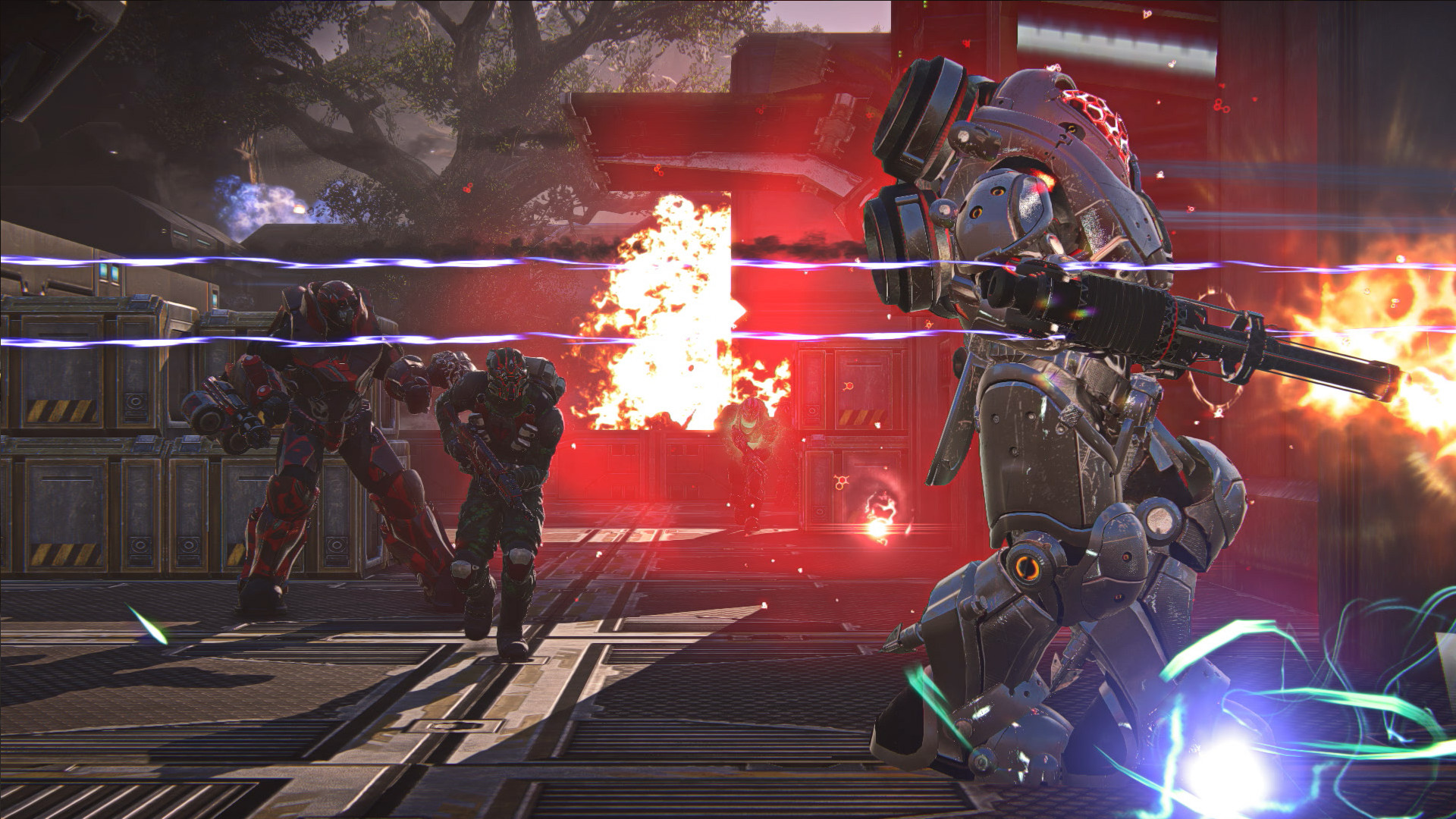
Laser fire, airstrikes, and tank duels between thousands of players on a scale DICE’s Battlefield games could never match. At any given moment in developer Toadman Interactive’s free-to-play PlanetSide 2, 48-player platoons break into squad battles for outposts sprinkled across the various continents of the planet Auraxis.
The game’s titanic scale works against itself early on, with a tutorial that barely prepares newcomers before throwing them, unguided, into ongoing battles with zero matchmaking. Solo-friendly classes like the Infiltrator and armored MAX suits are unlocked over time, meaning you’ll need to take orders and work in a team before going off on your own. Jets, APCs, and tanks require an in-game currency that regenerates with time, so keep an engineer close at hand for repairs.
As you enter a server, the map hits you with glowing patches of blue, red, and purple, indicating territory controlled by the game’s three factions. Borders are redrawn by the minute, and strangers form organized ops called Outfits, pushing objectives with vehicle rallies or defending bases with suppressive fire. Be a lone wolf, and you’ll get sniped by the odd sharpshooter or tank. Laser rifles and pistols perform as expected, borrowed on trial or purchased with in-game currency. Gunplay boils down to spotting foes in muted faction colors from low-texture environments.
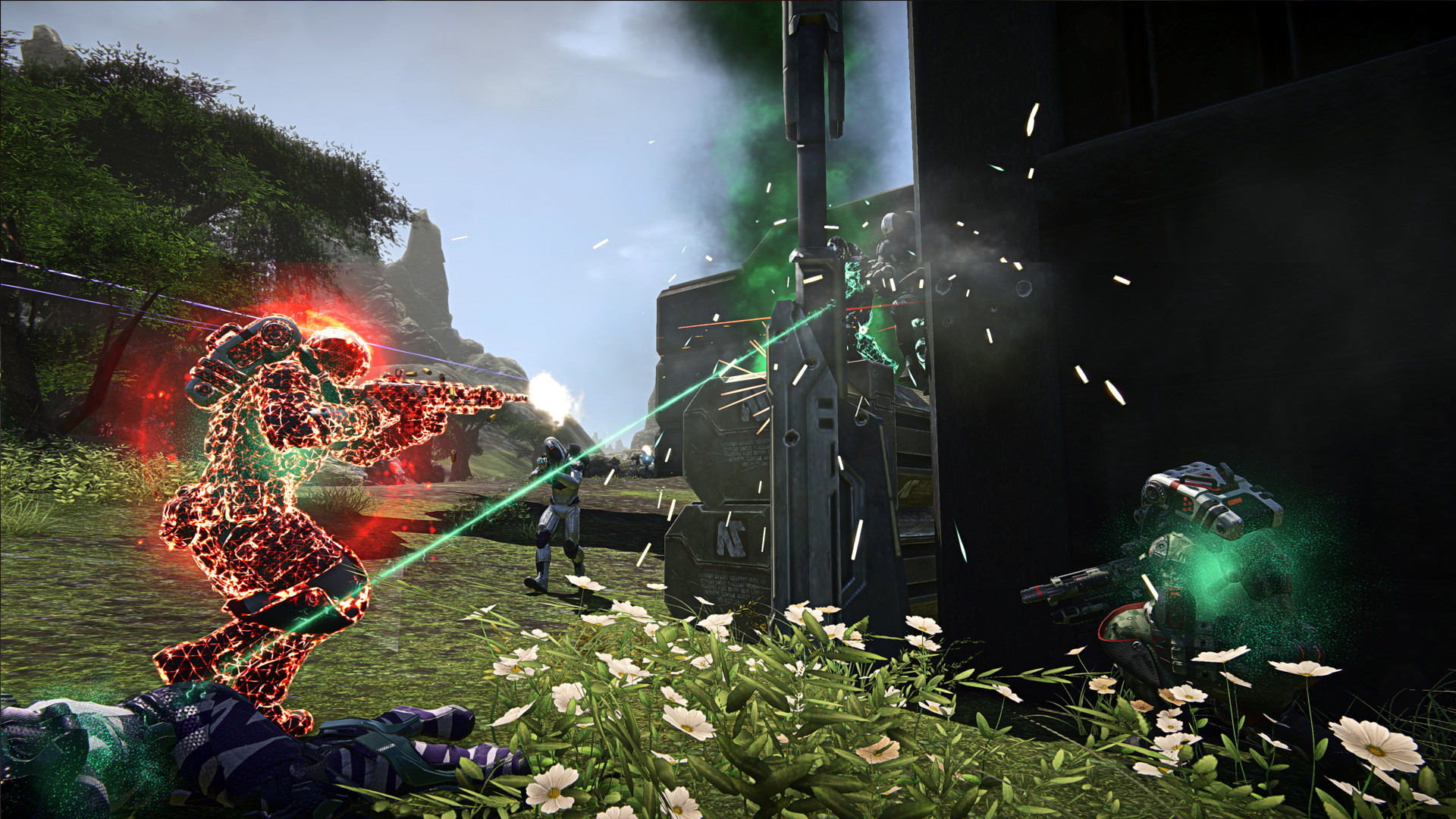
Outside of XP boosts and certification points for gear, the game’s core features are free. Moody swamps, snowy wastes, and lush mountaintops keep combat visually engaging, even as you sprint for minutes between outposts if you lack a vehicle. Variables like reinforcements and air superiority dogfights keep faction boundaries contested at all times. A coordinated push finally breaking through a rival faction’s defense is bliss well earned. PlanetSide 2 isn’t a solo hero’s joyride, but mastering its tactical three-way conflict with friends is still worth your time.
Join the conversation
What do you think? Reply below to share your perspective.