Steins;Gate Ø Scares You With the Truth
Pushing the narrative boundaries of a franchise

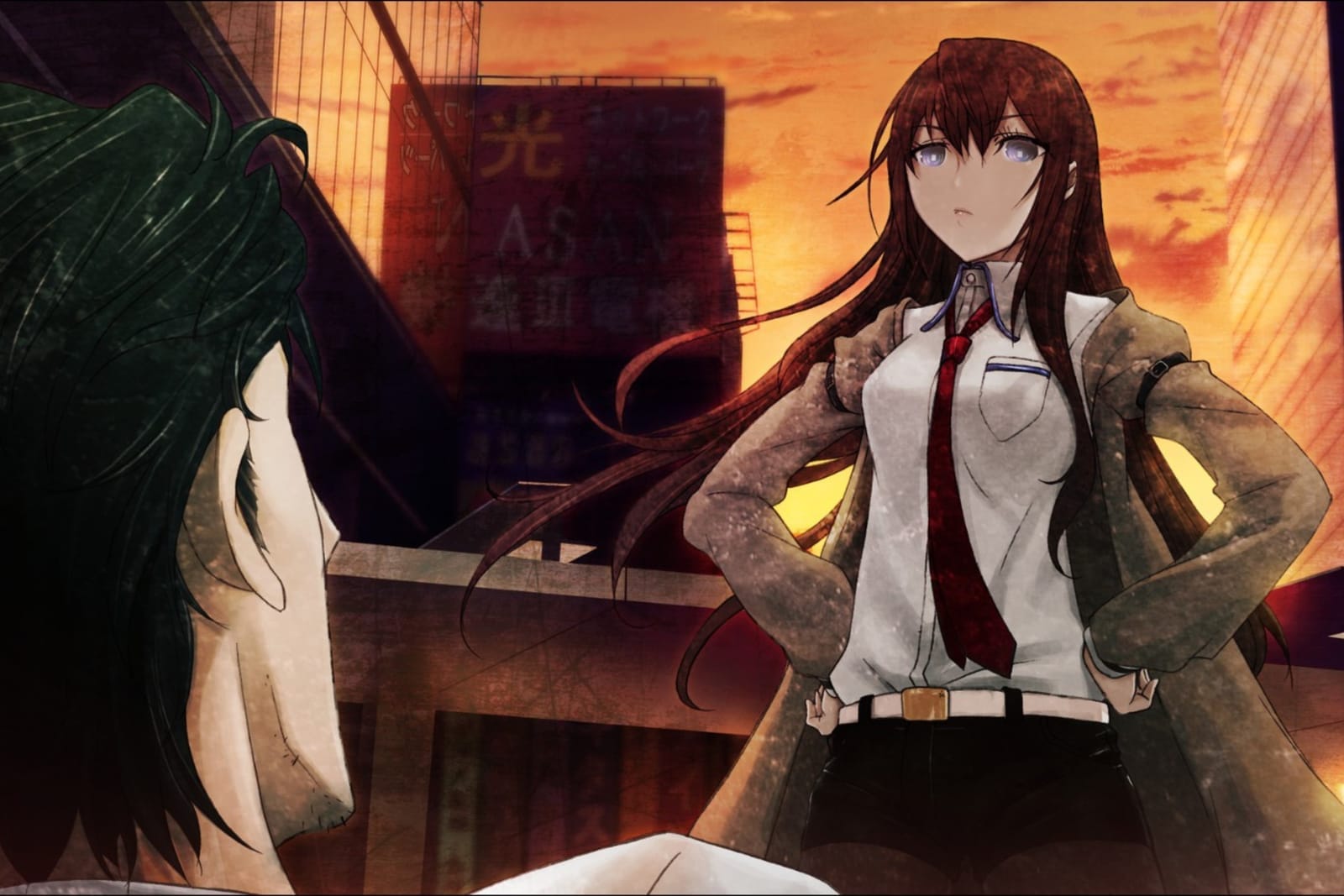
How do you improve on perfection? It’s a question many video game franchises struggle with after a successful first entry. That’s also the case for Steins;Gate, which received this sequel (of sorts) 6 years after the first mainline entry, although the excellent spinoff games had entertained fans during the intervening years, too. Steins;Gate Ø tries to escape its predecessor’s enormous shadow by being a different kind of game. Let’s see if it succeeds or fails.

Sections of a Soul
If we want to split hairs, I guess it’s somewhat incorrect to refer to Steins;Gate Ø as a sequel, because it actually takes place within the sequence of events of the first game. It sketches the events of one timeline, namely one of the darkest ones. It is thus more of an interquel.
It depicts a story that played out off camera during the events of the first entry. That’s not a bad thing, since we didn’t see what happened in many of the world lines during the first game, and it means we can spend more time with Okabe and the Lab Members. We soon learn this is a different Okabe, though.
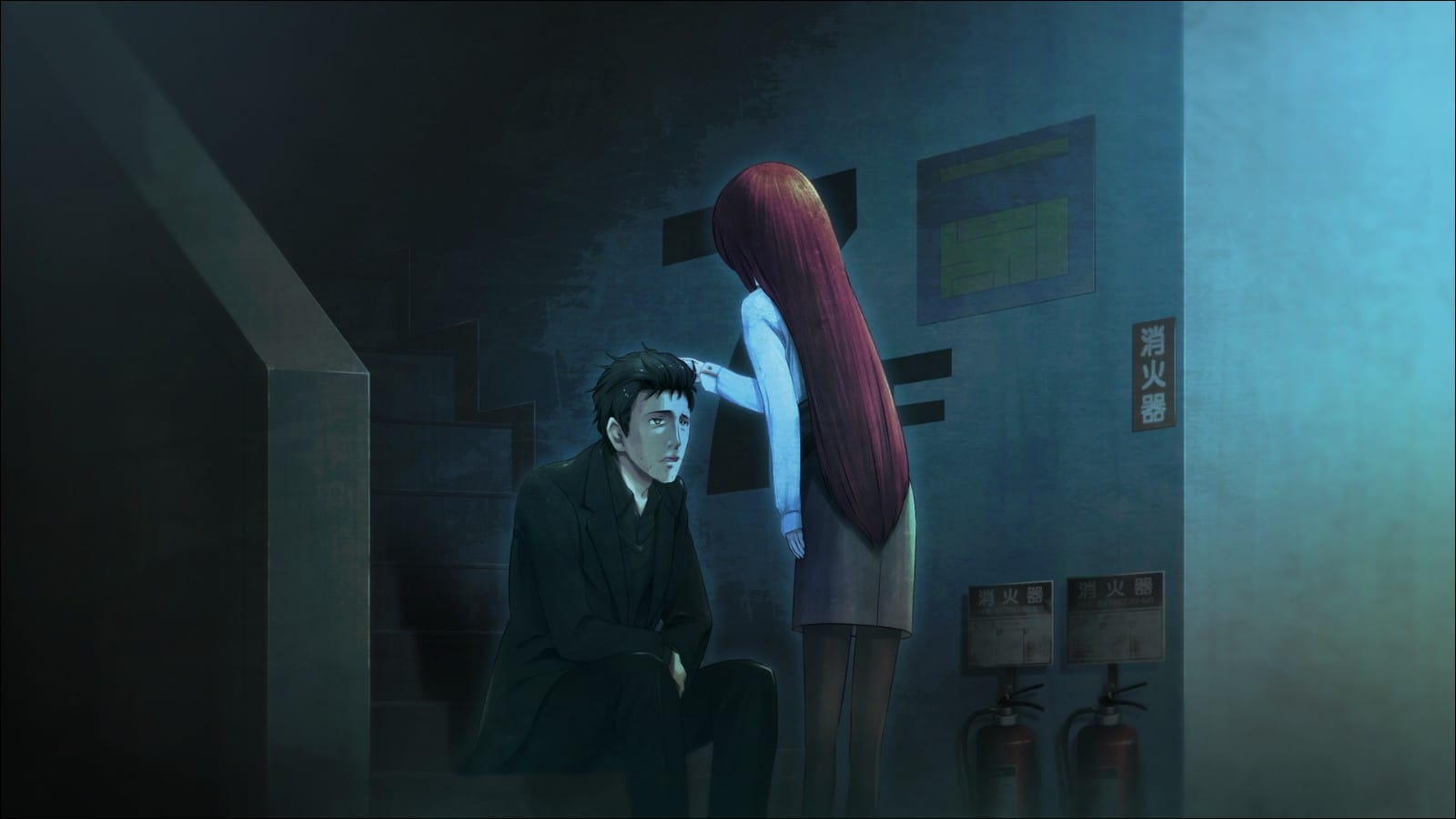
This Okabe — emotionally drained by traumatic time jumps — refuses to go with Suzuha to try and reach the Steins Gate World Line. Instead, he represses all his horrible memories and creates a life for himself in the Beta World Line. Dressed in black, he’s mourning a life he couldn’t reach.
One day, while working at the help desk of a university conference, he runs into Maho, a scientist from Viktor Chondria University, the same institution Kurisu used to work at before her death. At the lecture, Okabe learns that scientists from Viktor Chondria University are working on a way to digitize a person’s memories in order to create an AI copy of a person.
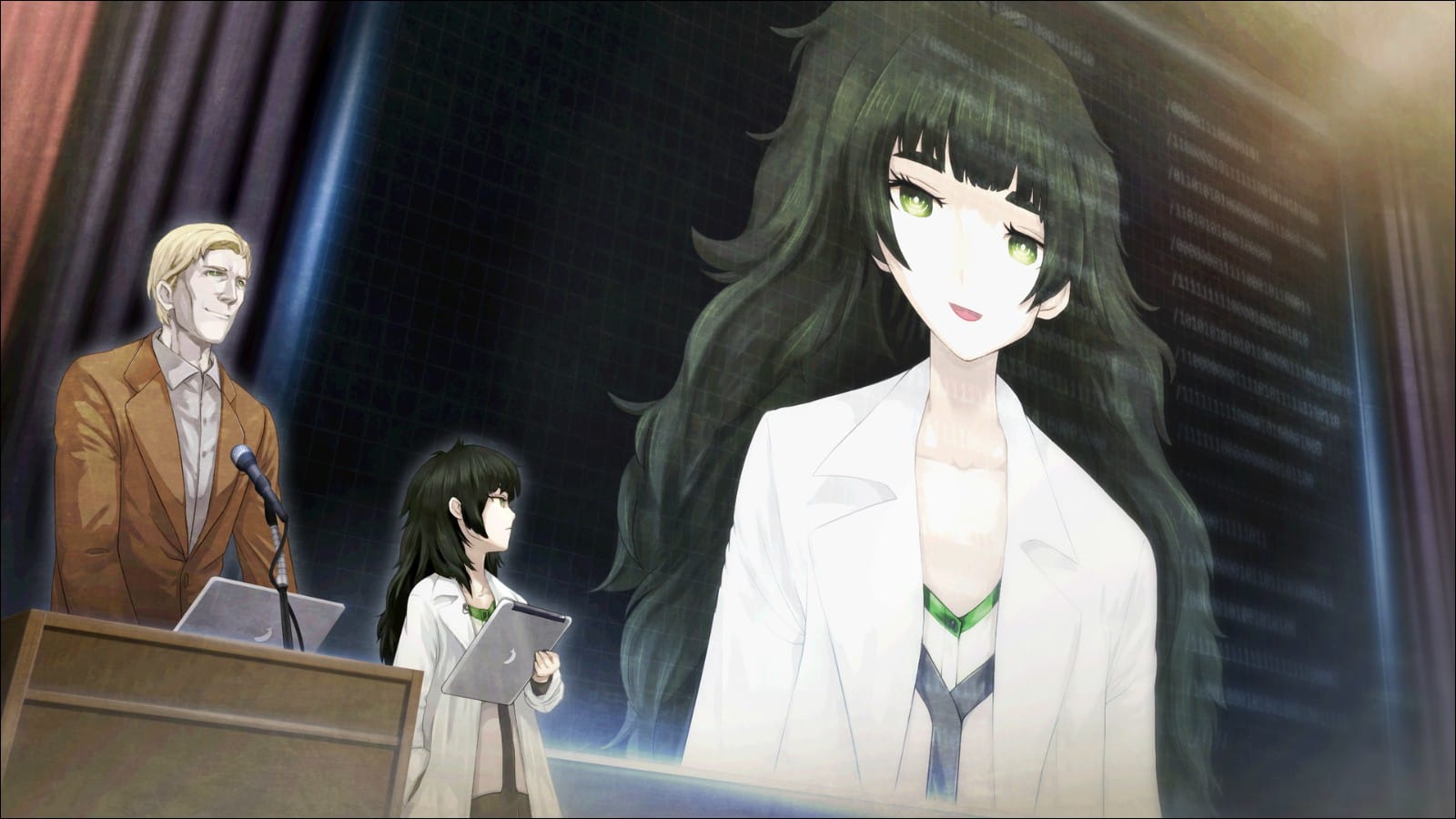
To show their progress, they allow a digital version of Maho to appear on a screen, which stuns everyone in the room. The real shock for Okabe comes later, when he’s face-to-face with Amadeus, an AI version of Kurisu. She has the exact same appearance and mannerisms as the recently deceased genius, and Okabe agrees to become a tester, allowing the software to be uploaded onto his phone.
Ripples of a choice
Back in 2015, Steins;Gate Ø’s release year, the rise of large language models (LLMs) was still far away, but the creators of the game clearly saw that train speeding towards society, because it wrestles with many of the issues we face today. Grief stricken, Okabe reaches out to Amadeus, and it provides comfort, for example.
At the same time, Okabe is disgusted with himself and the program. He feels like he is sullying the memory of a person. All the while, he knows that Amadeus is merely digital data, but he also projects the memories of Kurisu onto the program, turning it into something dangerously alluring.
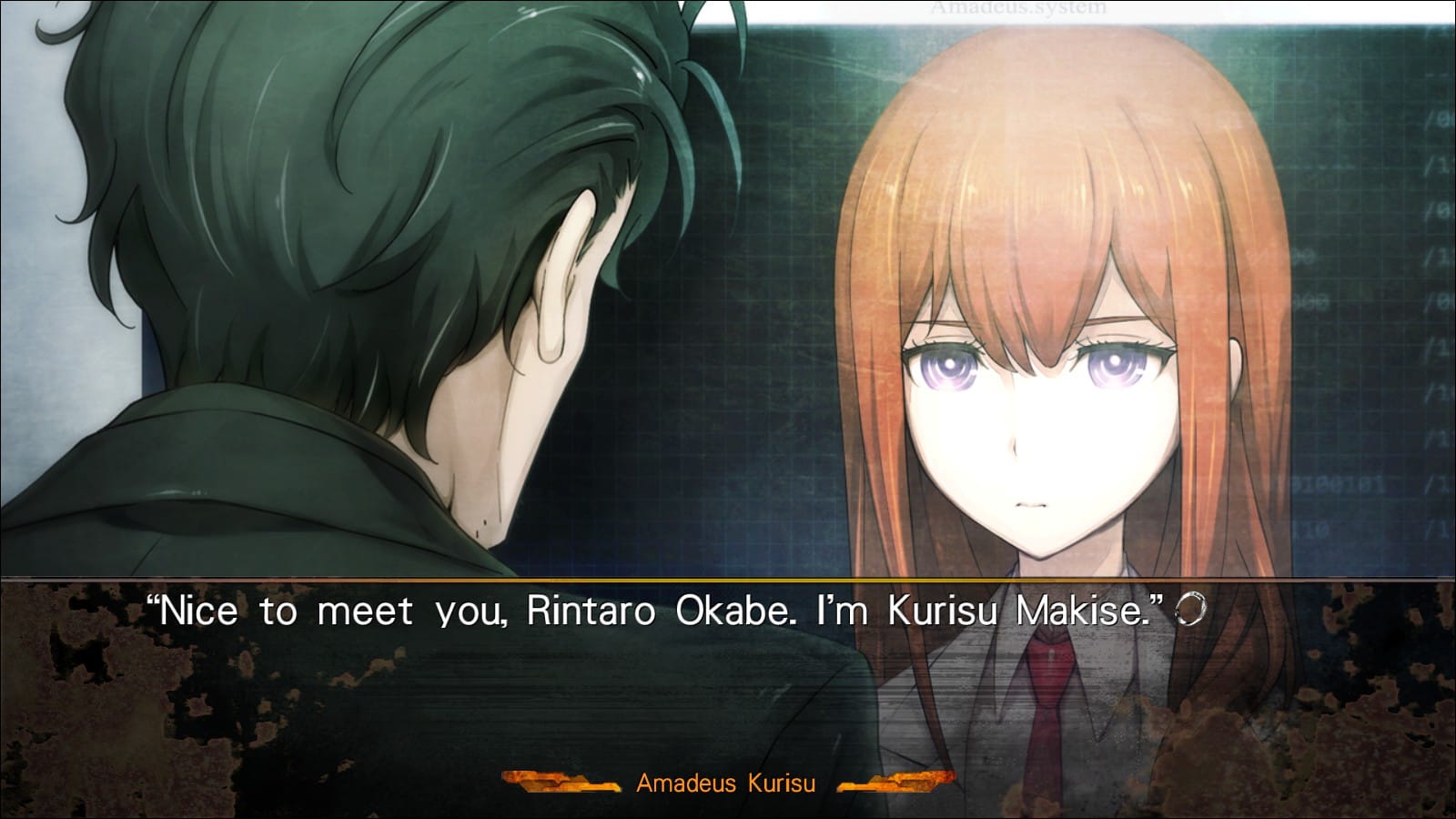
Players wrestle with how ethical it is to use a person’s memories after their death, too. Kurisu had been actively working on the project while she was alive, but she isn’t present to monitor how her digital self will be used in the future. Her digital self might also say something embarrassing or incriminating in her absence.
This technology clearly opens up various scary possibilities. It’s easy to see the parallels between it and the fears surrounding LLMs, even though people haven’t figured how to truly digitize a person’s memories yet. Steins;Gate Ø doesn’t shy away from asking some of these thought-provoking questions that humanity will need to answer.
Hands that shape time
It’s all well and good to have an interesting premise, but without an emotional core, it risks becoming drab. Thankfully, Steins;Gate Ø features some interesting emotional journeys as well. One, which I haven't seen explored much in stories, is the struggles associated with having an inferiority complex.
Many of us have seen or experienced it: A colleague or acquaintance is so effortlessly talented that they cast other people in the shade. It’s not their fault that they make others feel bad, but it’s still difficult for their co-workers to process those feelings, and so everyone remains stuck in a weird limbo, unsure of how to address the problem. That’s a tough situation.
Steins;Gate Ø alludes to the story of Wolfgang Amadeus Mozart and Antonio Salieri; in specific, the tale of how Mozart’s innate talent fanned Salieri’s jealousy. Kurisu stands in for Mozart, and Maho is Salieri.
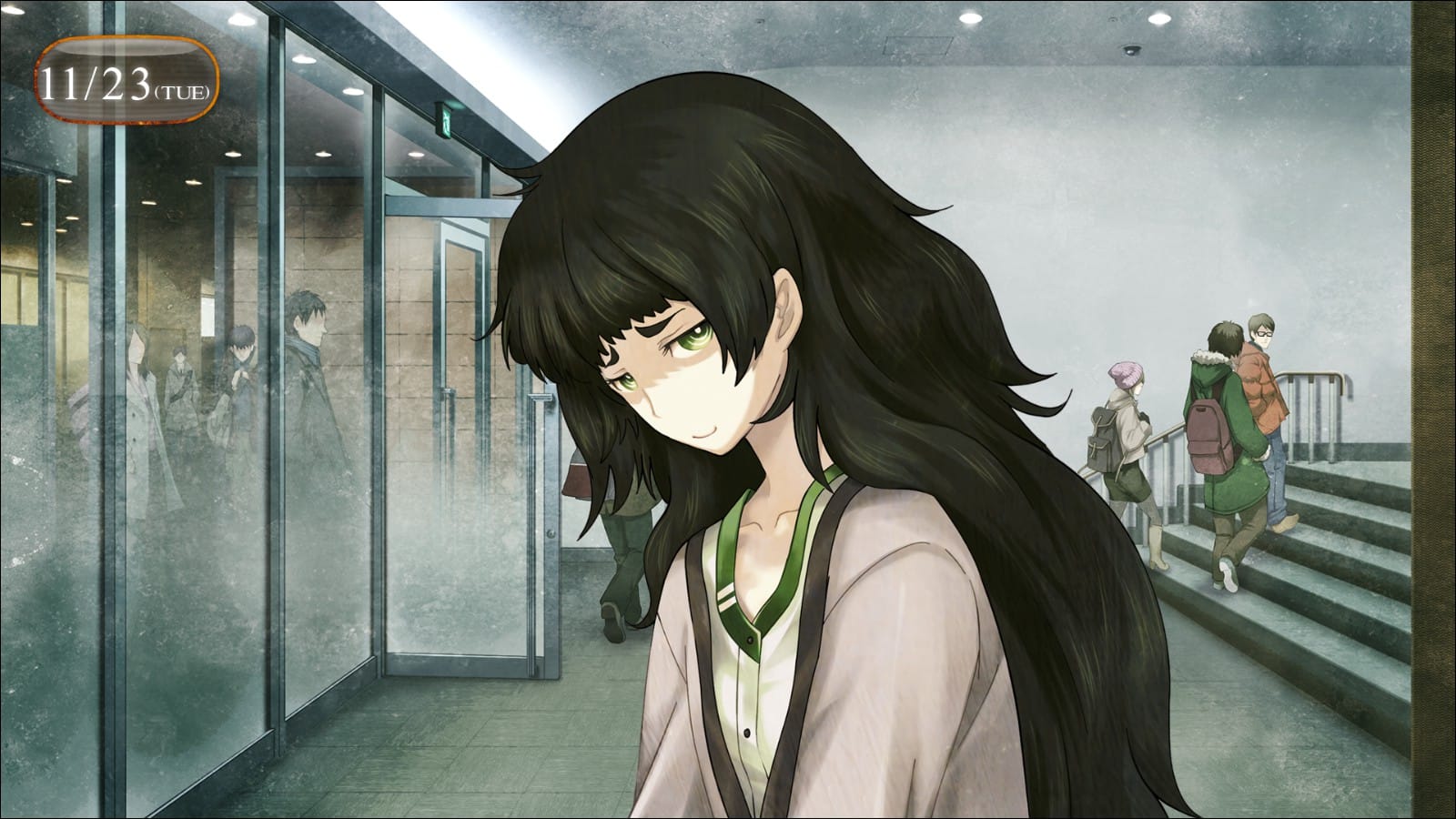
Despite Maho’s scientific brilliance, she struggles with feelings of inadequacy, made especially intense by Kurisu’s untimely death, since it robs her of future chances to prove herself against her rival. From a writing perspective, hitching her emotional anguish to an established character is a clever way to make us care about Maho, who is a new face in Steins;Gate Ø.
The Amadeus system itself, the digital copy of Kurisu’s soul, is also an integral part of this story. It definitely has access to Kurisu’s knowledge. Can it access her soul, though? In a way, I couldn’t help but feel sorry for Amadeus, too, despite it causing so much anguish and anxiety, because it did not ask to be created in the first place.
Emotions in a cube
Steins;Gate Ø highlights what makes us intrinsically human as well. In this timeline’s Okabe, we see a person who doesn’t really enjoy life or really engage with anything anymore. He has seen too much. His innocence disintegrated at the tender age of 18, and now he just wants to survive, not thrive.
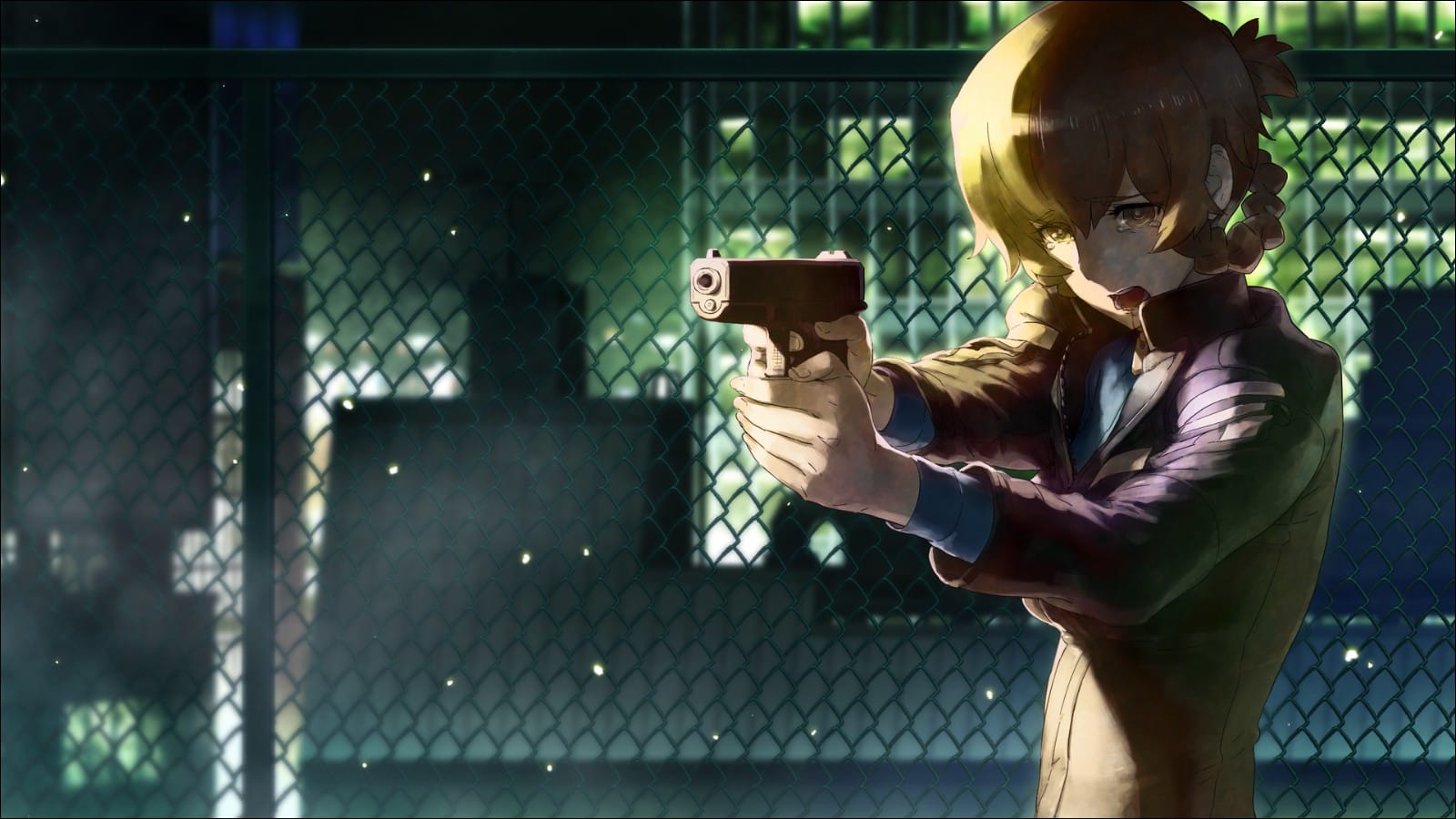
There is no fight left in him. It’s a logical reaction, and few would begrudge him that after what he went through. An AI or robot, fed on logic, might reason that it’s perhaps even better for him to live like this, because the chance of Okabe changing anything is infinitesimally small.
But humans aren’t like that, are they? It’s the irrationality that pushes us to try over and over again, even when the odds make it nigh impossible. Change lives on the other side of that stubborn push.
That kind of hope is what makes a person truly human. It’s what drives many to do irrational acts of kindness, like pulling over to help a stranger on the side of a desolate road, or giving their own life to defend a train full of strangers. It's not logical, nor is it something a purely logical being would do. From a cost/benefit analysis, some choices are inefficient, but a human life isn’t built only on efficiency.
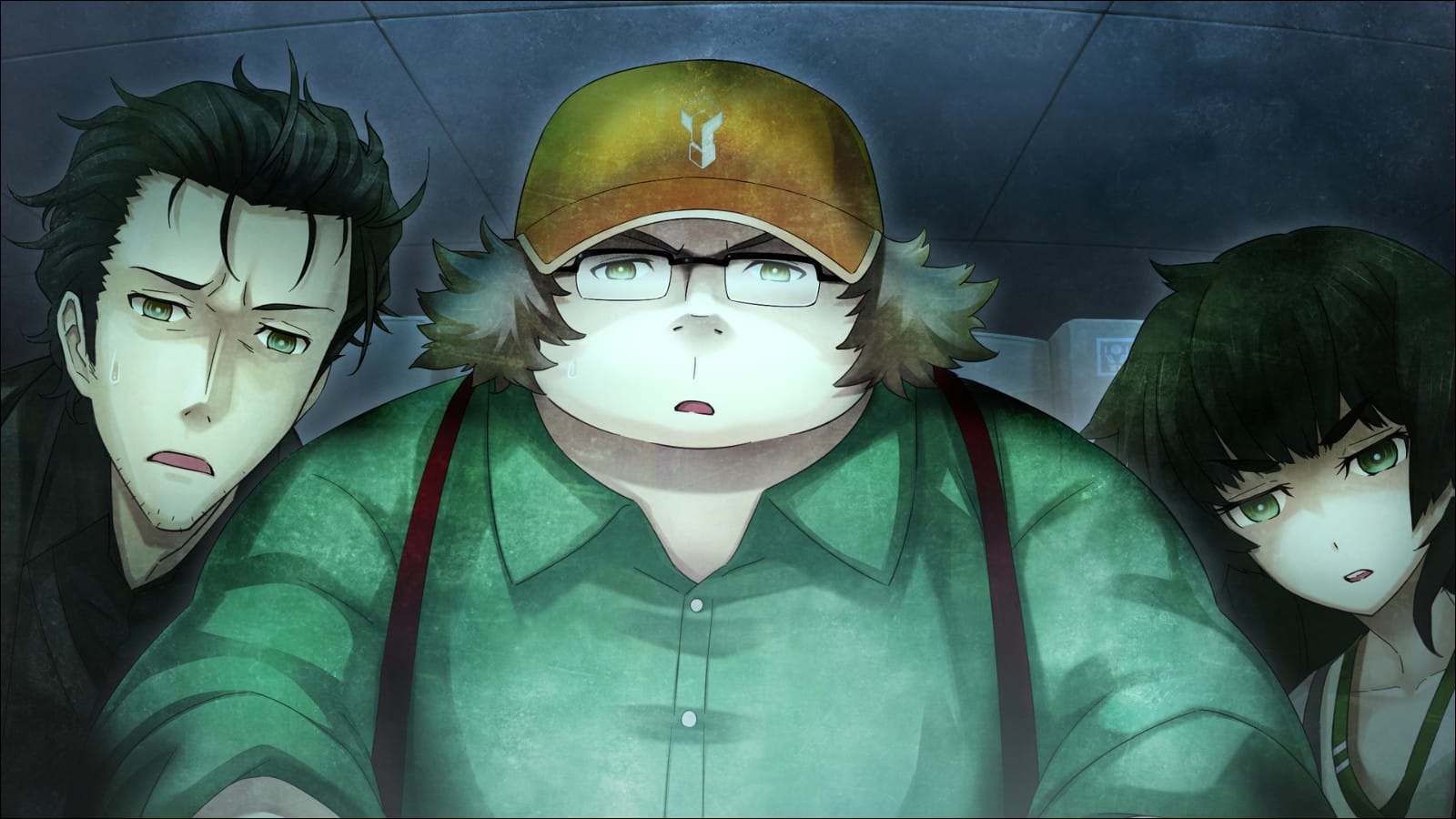
Steins;Gate Ø ventures into dark places to illuminate some of humanity’s strengths, which we sometimes take for granted or even overlook. As thinking machines and other synthetic beings become commonplace, we would be wise to remember the advice this special game tried to impart to us over a decade ago.
Questions for a time
One interesting point the game makes is that a creator carries some responsibility for what they create. Without thinking about the repercussions of their actions, a person could doom themselves and others to a horrible future, even if the potential benefits looked promising at first. Move fast and break things often enough, and you’ll end up living in a room full of trash.
We’re influenced by our emotions, though. The factors that drive us to chase those breakthroughs are often our own inadequacies, and sometimes we aren’t even aware of them. A breakthrough makes us feel less small for a moment, but it won’t heal that wound in the long run, and it might even hurt others.
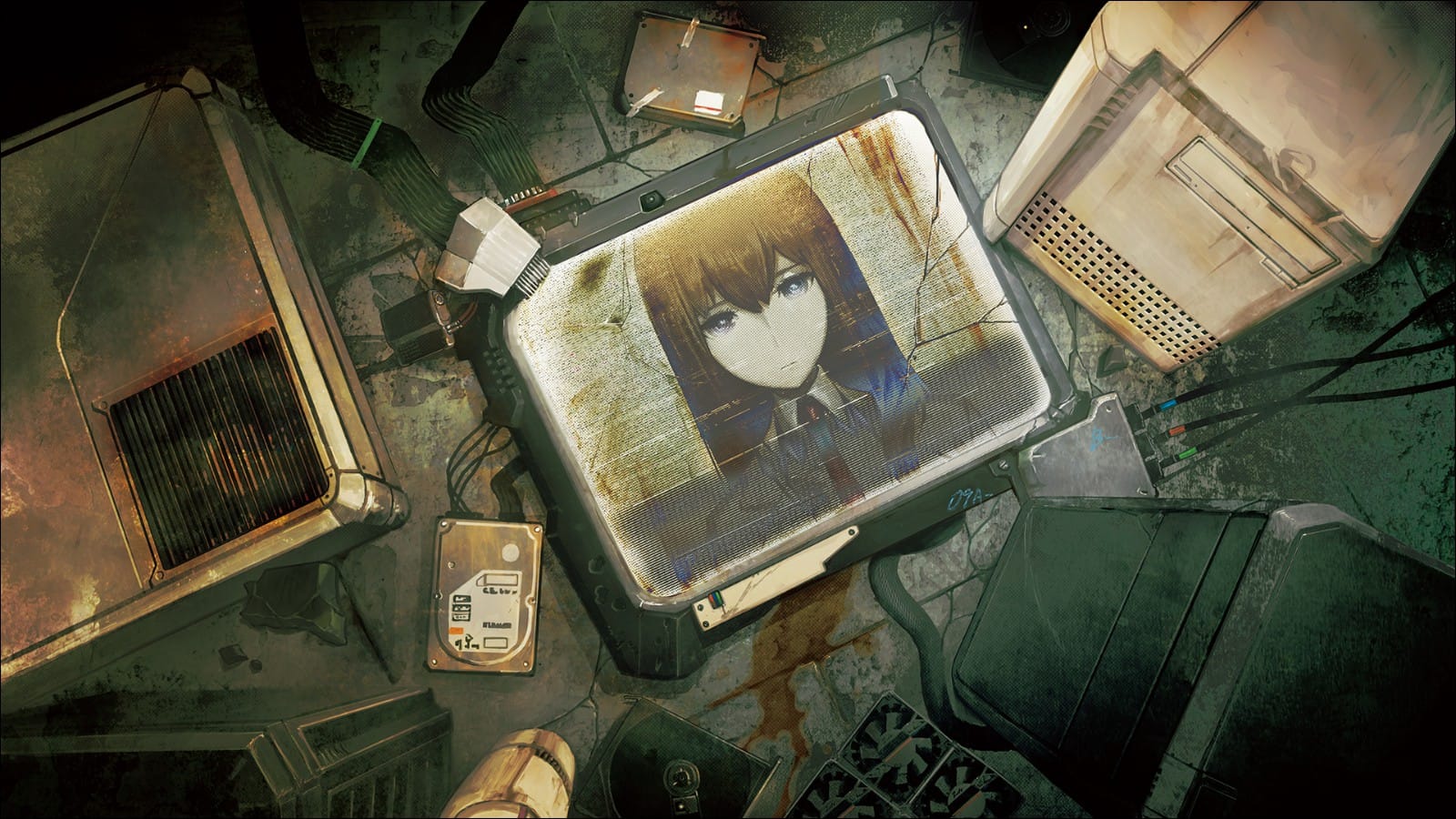
Steins;Gate has always communicated that actions have consequences. Each human has to confront that double-edged sword of responsibility at some point, and it’s impossible to shirk it forever. That’s a bitter pill.
But that truth also opens up second chances for us. Reframed, the fact that each choice carries consequences means we can also send love and kindness through the ripple effect of our actions. The butterfly effect will continue to influence events regardless of what we choose, so we might as well try to steer it with our human stubbornness. That's the will of Steins Gate.