Taking Mario to New Galaxies
Coming home for the first time

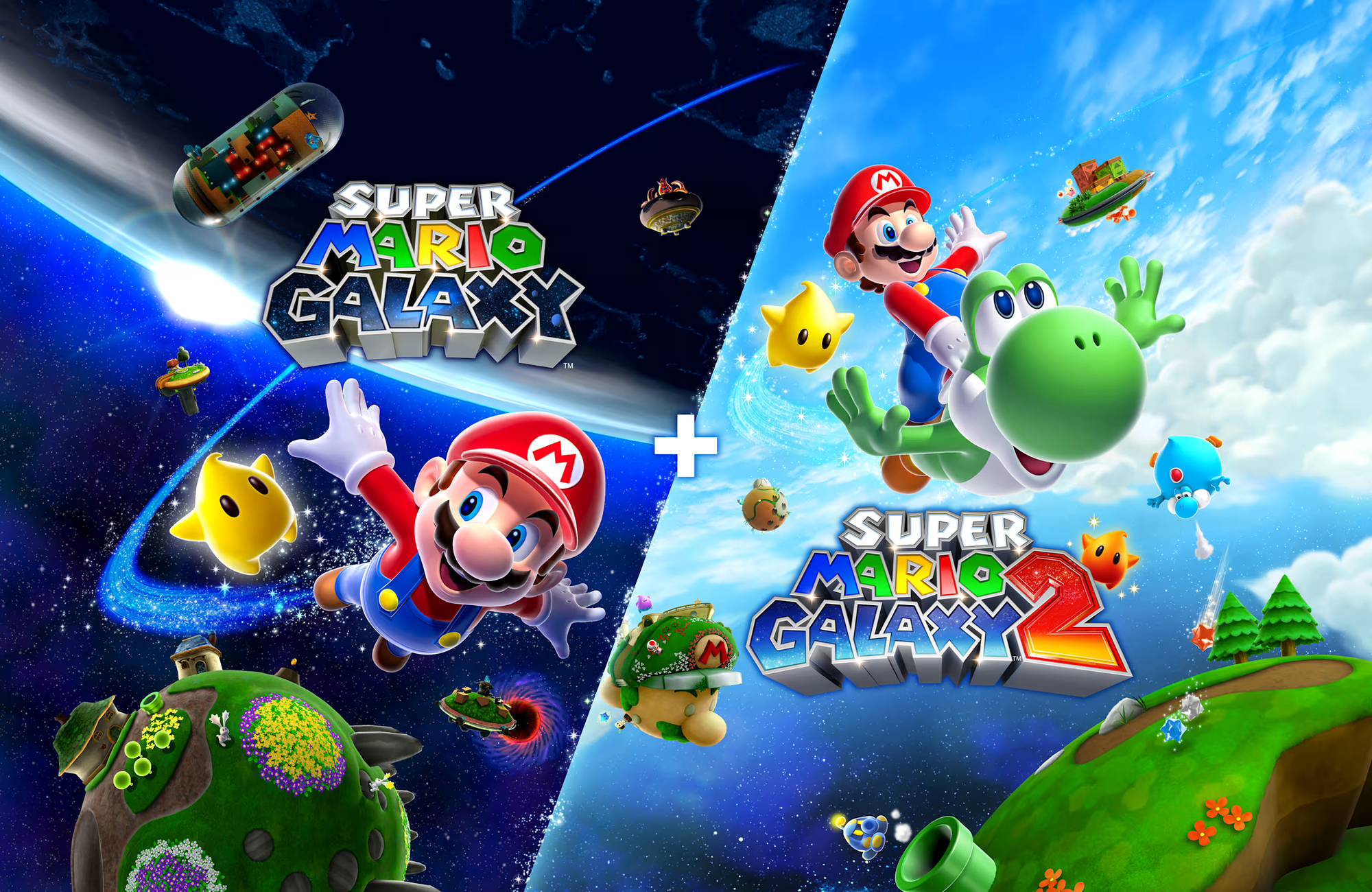
Super Mario Galaxy and its sequel, Super Mario Galaxy 2, are among the best, if not the very best, in the plumber's impressive 40-year platforming career. He's had other careers: entrepreneur, golfer, painter, and English Premier League player, just to name a few, but plumbing will always be his most famous profession.
The pair of games has been released together for Nintendo Switch, and playing on Switch 2 brings stunning improvements to the visuals and gameplay flow with a smoother frame rate and higher resolution. These are easily among the best games released in 2025, and even with Donkey Kong Bananza leading the charge on Switch 2, this Galaxy double pack is a worthy companion. Mario Galaxy is in its best possible shape and form today; in fact, younger players could be forgiven for not realising that it's nearly two decades old. Mario Galaxy itself had quite a journey before it reached its pristine form on Switch 2, and it almost feels like it had to travel light-years to reach this point today.
The initial circumstances surrounding the release of both Galaxy games were far from ideal, and that's largely due to their primary platform: Nintendo Wii. The console is still among the best-selling systems in history, and yet it was always subject to criticism, especially when compared to the PlayStation 3 and Xbox 360. Unlike Sony and Microsoft, who were aggressively pursuing high definition raw power, Nintendo wanted Wii, for better or worse, to distinguish itself from the rest purely on the basis of 'play'. The Wii Remote and Nunchuk were far from everyone's ideal ergonomics, but we can now see how the Switch JoyCons would not exist today without the foundations set by their predecessors.
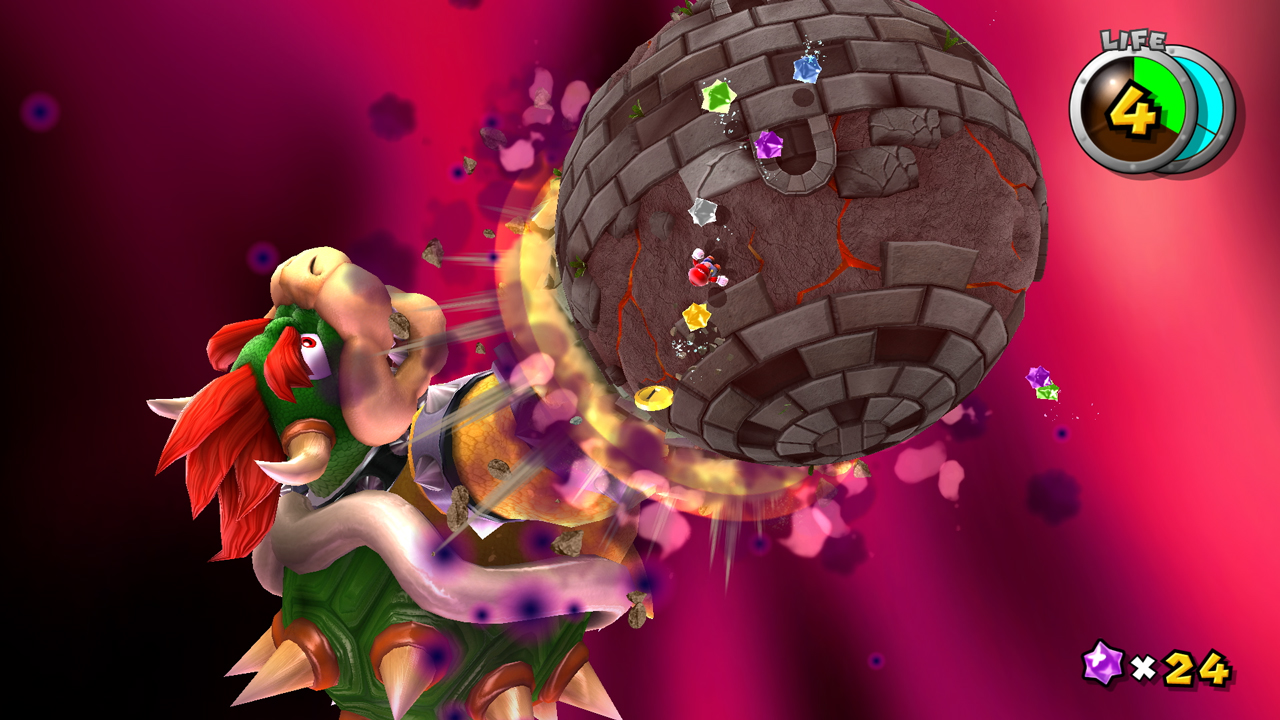
The Wii was the furthest thing from a graphical powerhouse, but first-party developers made the most of these limitations to create beautiful-looking games. Games that simply should not have worked somehow worked, and so after a weak launch lineup, players wondered how a major 3D Mario would fare, if at all.
Super Mario 64 raised a pretty high bar and also set the blueprint for the very notion of 3D platforming, and its follow up on GameCube, Super Mario Sunshine, couldn't quite be the epic sequel everyone hoped it would be, despite its interesting play mechanics. Most gamers wanted Mario 64 turned up to 11 and more, and Sunshine wasn't quite that with its water hose gimmick. Then, with 'gimmick' being the middle name of the Wii, this mega sequel seemed even less likely, at least until the sheer brilliance of Super Mario Galaxy blindsided the legions of sceptical fans.
On paper, Galaxy should not have worked; from the unconventional control scheme to the even less conventional spherical level design. These ideas would have created a disaster if it were any other developer, but Nintendo gave us a game that not only built upon the strong foundation of their Nintendo 64 hit, but also took this foundation to new galaxies. It crosses the dimensions of 3D platforming, allowing players to experience new perspectives, and the sensation of exploring spherical spaces becomes second nature almost instantaneously. I'm not a game design expert by any means, but I feel only Nintendo could have pulled this off. Decades earlier, believe it or not, there was a title for the SEGA Saturn that attempted almost these very same ideas, but was cancelled after a development hell that resulted in its lead designer nearly dying due to sheer overwork... that game was Sonic X-Treme!

Super Mario Galaxy introduced bold ideas to perfection, and brought it all to life with stellar presentation, stunning orchestral music, and, for the first time, rich lore for Mario that was as emotional as it was whimsical. On Switch 2 today, this is a stunning and engrossing platformer; the core control mechanics translate effortlessly to the JoyCons when playing docked, and the experience feels tight and polished on handheld. This is what makes the game great; it wasn't tied strictly to its original Wii hardware, as the core principles were so strong that they still shine on modern hardware. That's even more true for the visuals; no longer scaled down to fit the hardware limitations of 2007, Galaxy shines today in all of its intergalactic starry-fullness, evoking a sense of discovery and wonder that very few 3D platformers can offer.
Nintendo did something else that they don't often do with Mario: taking a concept and performing an encore remix of the best ideas. Super Mario Galaxy 2 was never intended to be a numbered sequel; in fact, the core story is exactly the same, but it remixes and refines some of the ideas and level design approaches of its predecessors to create a novel and fresh experience. Where Super Mario Galaxy was methodical and challenging with emphasis on exploration, Super Mario Galaxy 2 streamlines the design and pacing for sheer, utter delight. Using Sonic again as an example, it's a bit like going from Sonic Adventure to Sonic Adventure 2, where it's not necessarily one game being better than the other, but rather each game has its own unique philosophy. At the end of the day, it will all come down to player preference. Even now, forums are filled with Galaxy vs. Galaxy 2 debates with no clear or decisive winner.
Super Mario Galaxy 2, from a purely gameplay standpoint, feels like a sequel; while it shares core fundamentals with its immediate predecessor, it adds plenty of layers to make the experience feel evolved. Most notable of all is the inclusion of Yoshi as a playable ally, rekindling the magic of SNES's Super Mario World in a fully 3D space. The experience feels like a roller coaster in outer space, with great thrills and brisk pacing.
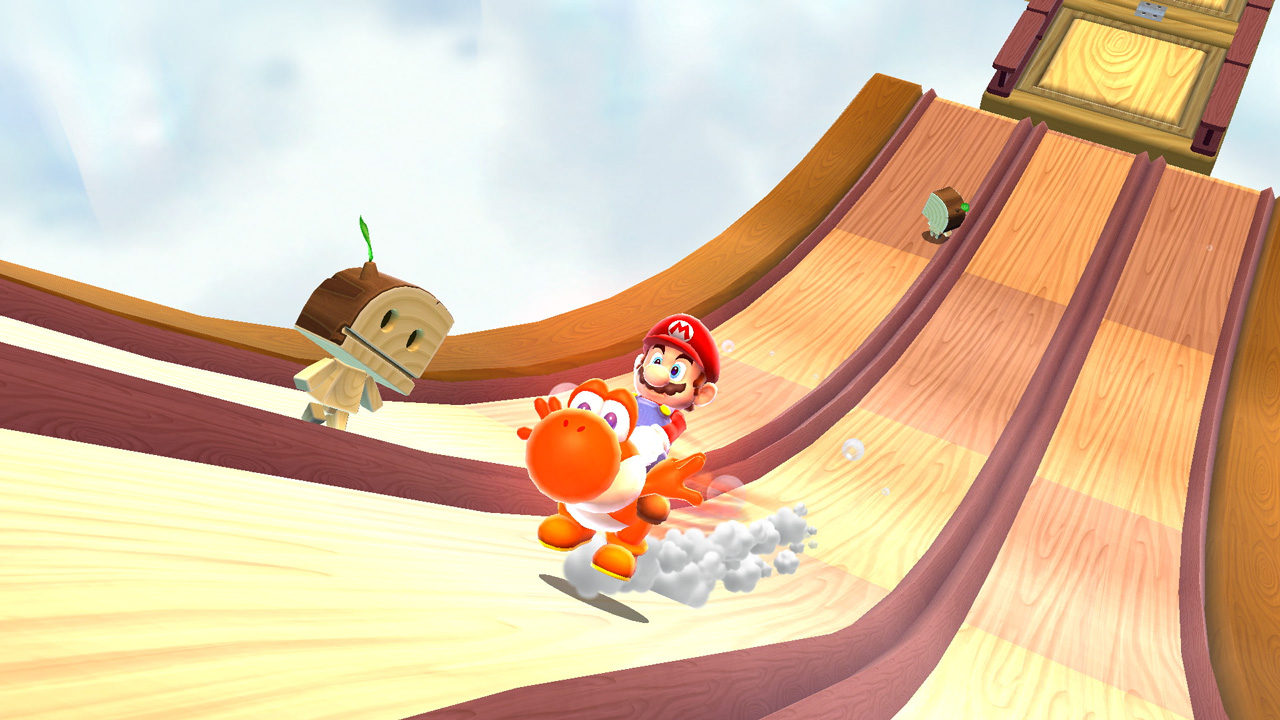
Together, Super Mario Galaxy and Super Mario Galaxy 2 are games that other developers could only dream of making. I wouldn't be surprised if Nintendo itself had to fight the temptation to create a Galaxy 3 (fans of the Blue Blur still beg for Sonic Adventure 3, by the way). Paired together on Switch 2, this is an excellent trip that will feel new even to players from 2007. Until the next Mario entry comes along for the current generation console, both longtime fans and newcomers have plenty to discover in the galaxies offered here.
Despite their origins, the games' arrival on Switch 2 feels like a true homecoming. Super Mario Galaxy and Super Mario Galaxy 2 finally look, feel, and play like the games they were always meant to be. It may have taken short of a light-year, but it goes to show that some ideas are not only built to last, but are built with the future in mind.