The Gameplay of Gacha
Why Gacha games still show no signs of stopping

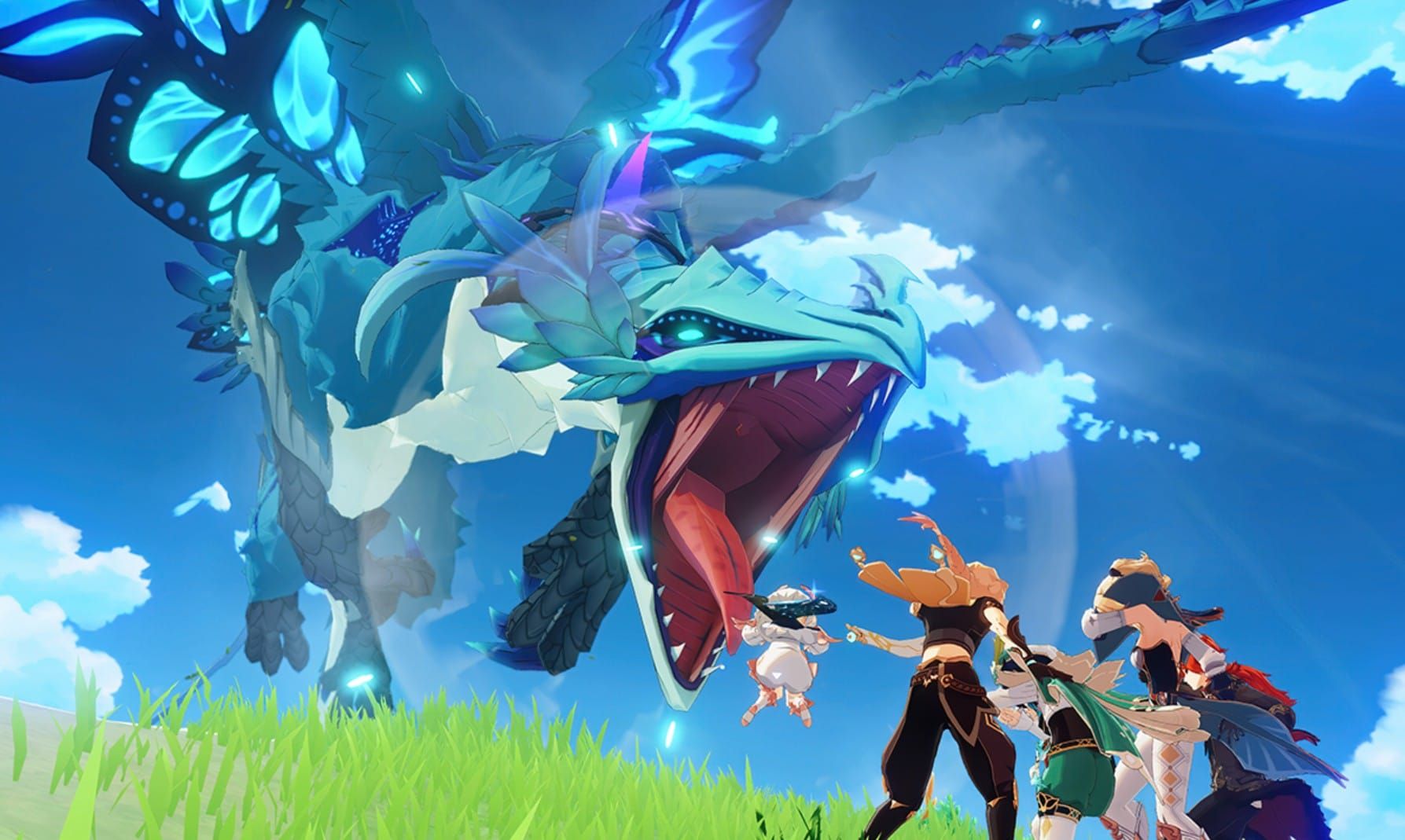
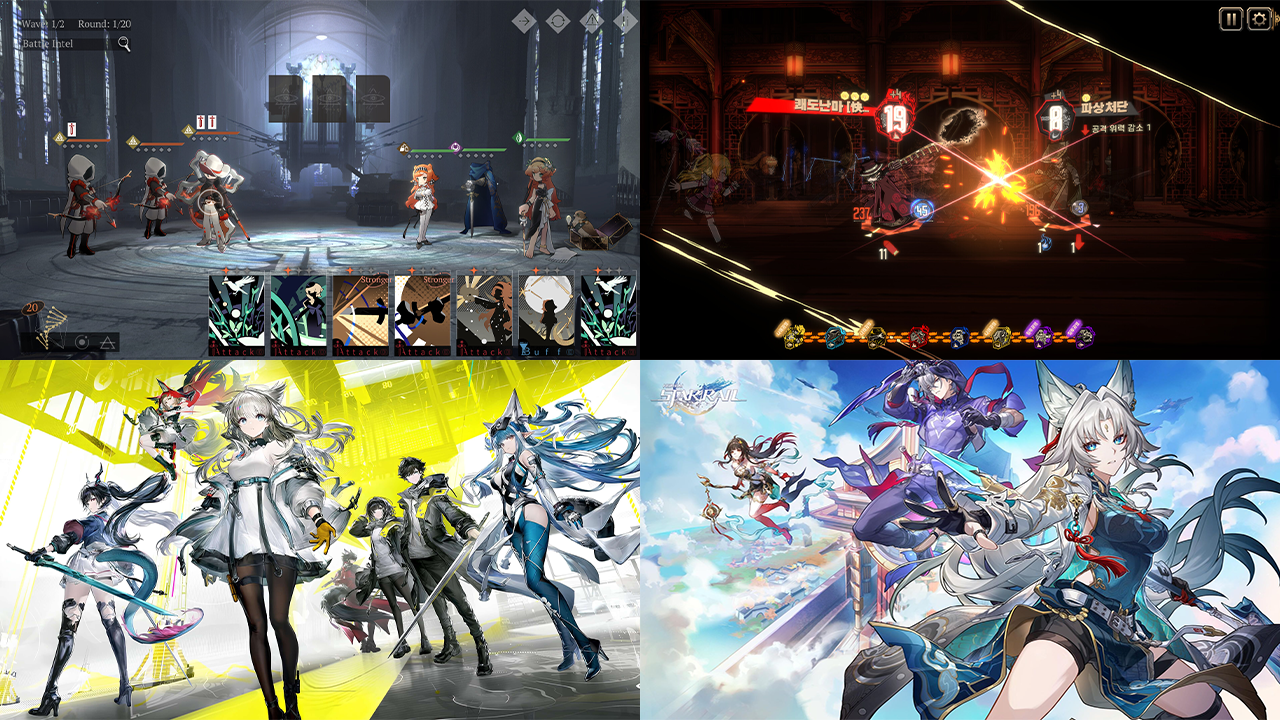
It's been a few years since I wrote my book on Free to Play games, and gacha and free-to-play design continue to dominate on mobile. Long-term successes like Marvel Contest of Champions (MCOC), Mortal Kombat Mobile, Fate Grand Order, and Dragon Ball Legends have had massive anniversaries. At the same time, games like Arknights, Reverse 1999, and Limbus Company boast impressive numbers that have allowed their studios to continue growing.
Despite the falling out of the live-service model among console and AAA games, mobile design still popularizes gacha games, with many of the newer and not-so-newer titles getting official PC clients. From the outside, people tend to see gacha games as nothing more than slot machines for PNGs, but for the market and people who grew up with them, there is more to their appeal.
The Power of the IP
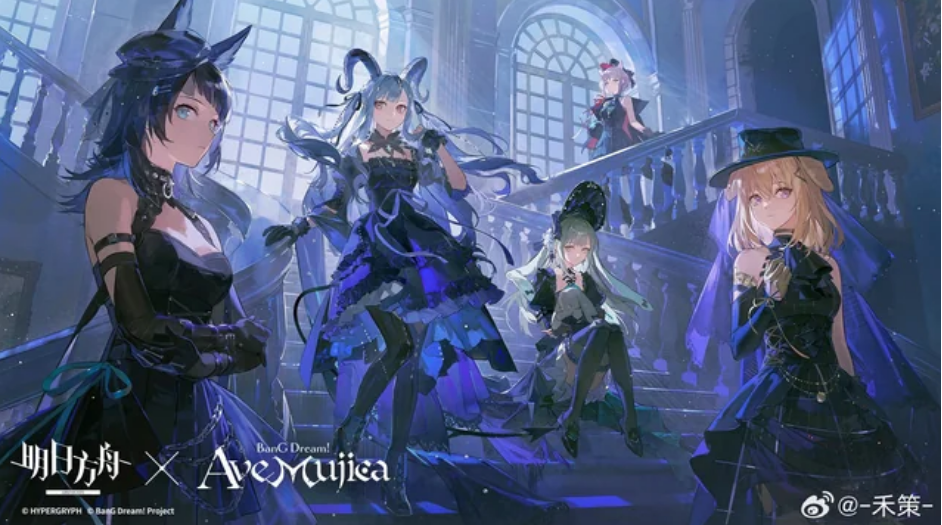
The first, and most easily explained point about gacha appeal is something that developers have been using since the 80s and the MMOG boom of the 2000s – popular IP. Everyone can play a fantasy game where they use "generic swordsman 3", but if you're a fan of Dragon Ball, One Piece, Marvel, or DC, being able to use a character that you love in your game of choice is a huge pull. The same reasoning is why there are so many collab events in games today: The Simpsons in Fortnite, the many horror characters appearing in Dead by Daylight, and increasingly more gacha games with limited-time collab events.
If you can get a character you love in the game you love playing, that's a win-win for many people, no matter how much it costs to get that limited-time pull.
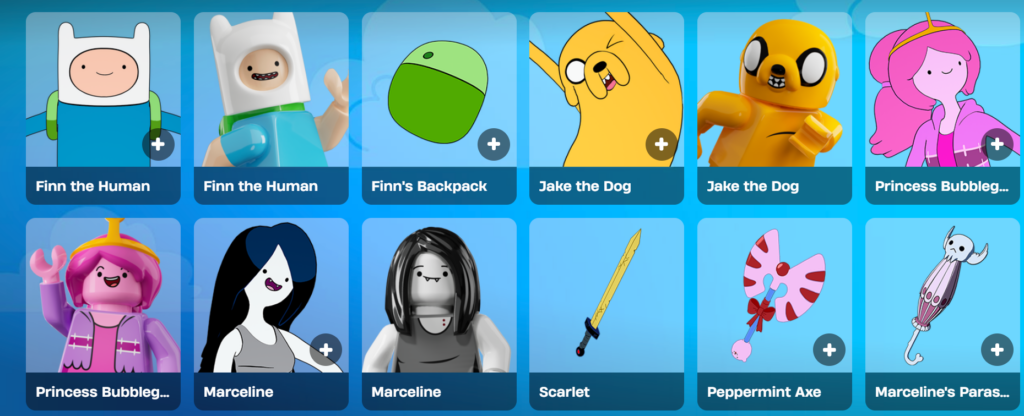
That much is obvious, but we've seen plenty of these IP-rich games also end up going End-of-Service (EoS), which takes us to why the gameplay attracts people.
Role Progression Games
Gacha and RPG mechanics fit like a hand in a glove and have been the glue that has held these games together for years. The integration of leveling, upgrading characters, and building teams has been instrumental to the appeal of gacha games. It is the exact opposite structure that has become popular among competitive games and competitive design, which tend to favor making the experience as symmetrical as possible.
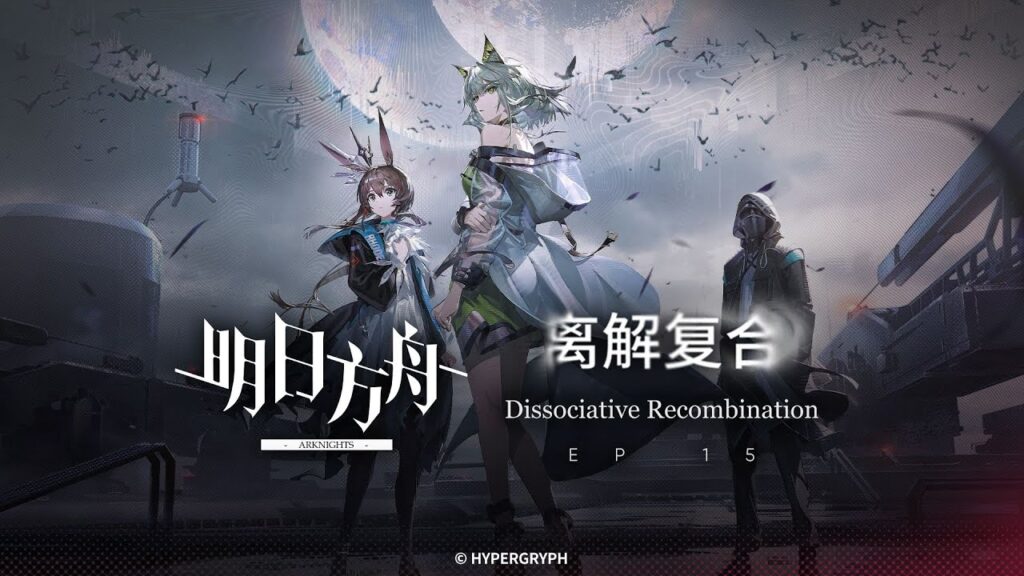
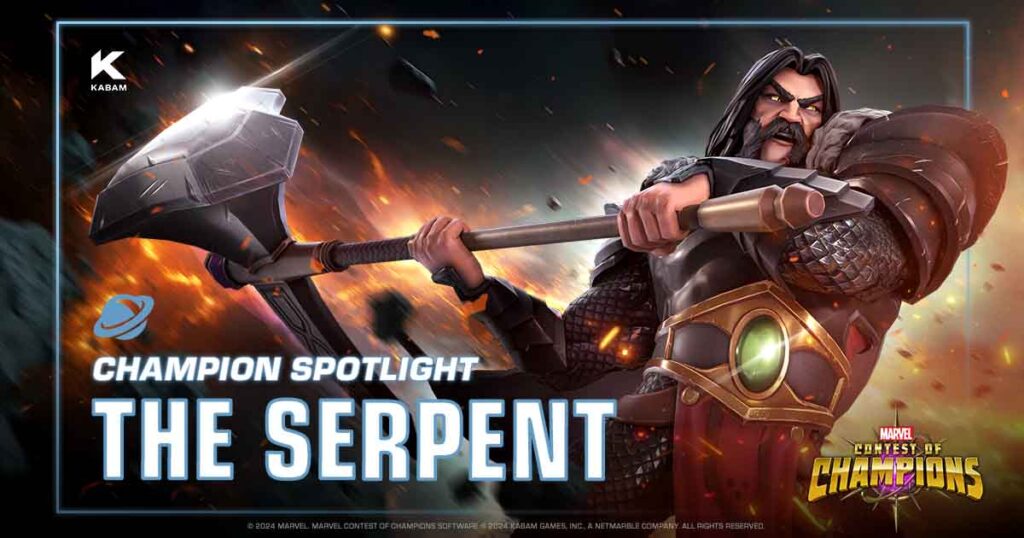
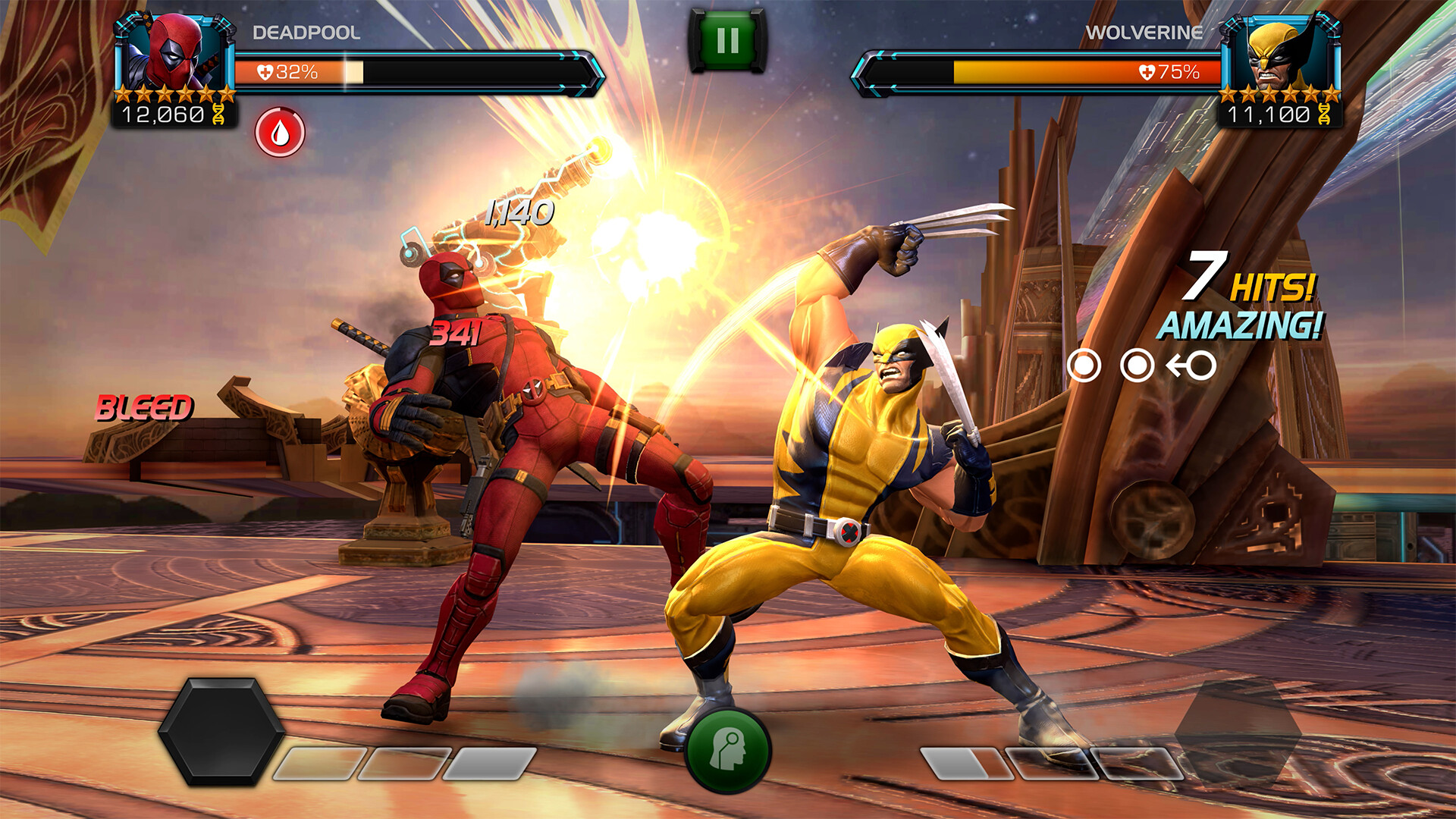
In gacha design, you can have characters that have no comparable peers in terms of abilities. As you go up the rarity tiers, the best characters tend to be unique among everyone else. Games like Arknights have introduced six-star characters that just break the normal rules of the game. With MCOC, despite the limited interface for controlling characters, they have managed to make many original characters with their own playstyles over the years.
This is on top of the means of leveling and upgrading characters to give them more stats and keep them relevant. Just having numbers is not appealing enough, and high-level play is all about mastering how to use these characters either alone or within team dynamics. Many gacha RPGs are all about team compositions and not just building one favorite character, but a team to dominate. Often, there is more to the planning and team building than there is to the actual interaction.
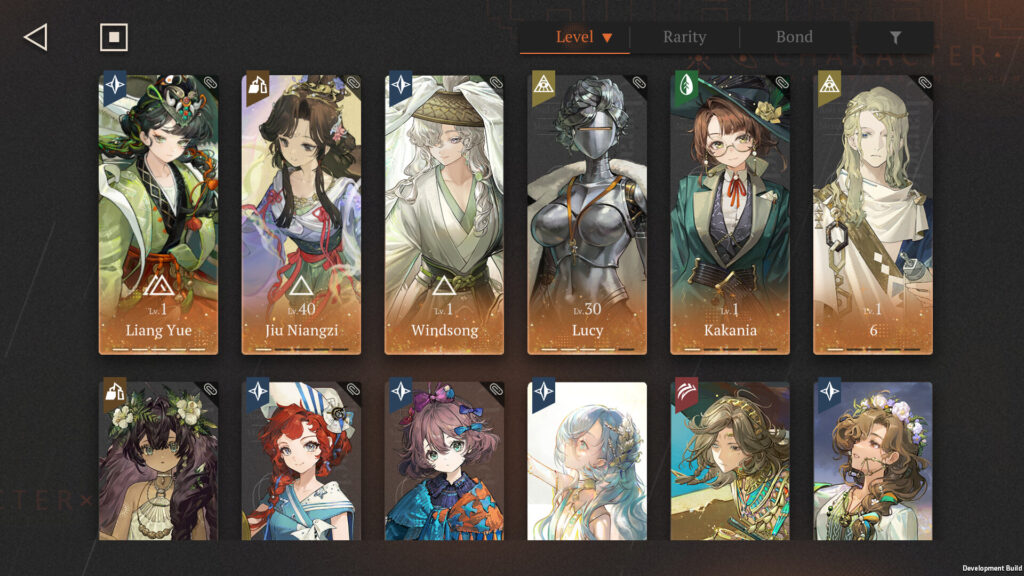
And to that point, it's often where many mobile games have succeeded in gacha and live service design compared to AAA games that have tried to adopt gacha systems. Playing the best gacha games with the rarest characters won't (or shouldn't) be an automatic win as you get further in. Players who know the game inside and out can punch up with weaker characters, and there are plenty of content creators who love to do new account challenges with their favorite games. This also allows them a chance to potentially use characters they didn't get on their other account.
The progression curve is similar to idle design – letting the characters grow in power such that they're not fundamentally changing, but their impact is. You do 10 points of damage, to 100, 10,000, a million, and so on. Due to the diversity of character design and the rate at which you can acquire them, players can have vastly different experiences depending on who they get.
The Chase
Much has been made over the years about the psychological aspect of gambling and how it relates to gacha design. Going after a new limited character or pulling on an anniversary banner has much of the same addictive qualities as playing a slot machine. The difference is that while there are gamblers who are in it simply to gamble, gacha design has a giant carrot on the end of the stick to get people to pay.
Being able to get the hot new character can mean different things for different people. For a completionist, it's about having it all. For competitive players, that new character could fit perfectly into a team or be the next meta-breaking character in the game. What we've been seeing as well is tying special rewards and characters to high-end challenges. Returning to MCOC, many of the best and rarest characters can only be acquired by doing extra hard content or spending money during their debut. In my previous piece about MCOC, I mentioned "Deathless Thanos", who is one of the best champions in the game, and the hardest to acquire due to the conditions to unlock them. It was such a popular chase that they're doing it again with another character.
As I've also discussed plenty of times, the fear of missing out (FOMO) plays a huge role in gacha games. If you miss that rare character, you may not be able to get them for months or years, if ever again, if it's a limited-time collab. Gacha games also add the appeal of summoning animations and making the whole thing a spectacle.
With AAA games, just telling everyone “This is the best gun", or "this is the best character," reduces choice and makes it a battle between the haves vs. the have-nots. What's important to understand is that the previous sentence doesn't mean you should only sell cosmetics. Part of the appeal of gacha design is the very fact that someone can acquire that cool new character, and that there are always new characters coming. Just like with multiplayer games and keeping the meta from becoming stale, designers need to keep creating new reasons to spend money. As I'll talk about next, there still needs to be a reason to use those characters.
This is where even the worst gacha games can excel at earning money, but what separates them from the successes like the HoYo-verse games is what to do with all those characters.
Long Term Growth
A gacha game can have amazing character design and all the budget in the world, but if it doesn't show signs of growth and new content, that game will be dying and/or dead within six months. This is a topic I've talked constantly about in the past – keeping people engaged with your game for days, weeks, months, and years at a time.
This requires a plan for delivering short, mid, and long-term content to your game. There should be something new happening at least once a month. This can be reruns of popular game modes and stories, or mini-events, something that everyone can enjoy doing. Mid-term content is about adding new characters, seasonal play, major events, etc. With MCOC, they have been using "Sagas" as their version of seasonal play with specific rewards for participating. Lastly, long-term content adds brand-new systems and rules, and generally makes the game bigger and different from what it was before. Arknights has teased new game modes that show up from time to time, with some becoming permanent options due to their popularity.
It's common for mobile games to start relatively bare-bones in terms of late-game content, but the window for getting something out there is narrow. If you don't have a plan for players who have reached the current level cap by the end of the first month, you're in trouble. Likewise, new content has to fit with the game itself.
And this is, of course, on top of designing new characters and banners for your game. Some games love to use sales as a driver for their monetization, such as MCOC does with regular and seasonal mega sales.
You cannot just use sales and characters as your major game content; if people realize that doing everything in the game is still not enough to get remotely close to earning the character they want, they will stop playing and paying. While Marvel: Mystic Mayhem had everything going for it in terms of aesthetics and IP, free and low spenders were not able to get anywhere near the resources required to get characters on their debut banner and the associated equipment.
Limbus Company is facing a bit of a problem with its endgame content: there really isn't anything in the game that stands out. Yes, the game has its seasonal "Refraction Railway," and the mirror dungeons, but the railway is a one-time play for rewards, and the dungeons become second nature to anyone who has been playing long enough. They're trying to raise the overall difficulty through the continued story content, but, as I'll discuss further down, that presents another issue.
The more content you put out that is required for progression, the more of a commitment you are requiring from your player base. What eventually soured me on MCOC was that the game was asking more of my time when I was already committing to daily play. There's a difference between having a fun or a limited-time event that rewards bonus resources and an event with daily or weekly required elements to keep progressing. That takes us to one of the main reasons for the popularity of gacha design and the chase.
Competition
Competition in gacha design means different things based on the game in question. There are plenty of gacha games that are entirely single-player-driven, just as there are those with multiplayer and PVP options. Returning to FOMO, even in single-player games, players can compete with one another to see who can complete content the fastest, build the best teams, and acquire those amazing characters. Being able to become the #1 player in the game or on the server has been the start of many whale wars over the years. Games with fleshed-out competition modes further incentivize them with huge or unique rewards for participating.
Player vs. Player content has been a major driver of competitive gacha games, even if the players aren't competing directly. Many games tie the best rewards and premium currency to their PvP. These modes also provide another benefit – giving the player more reasons to build teams and use characters. While the player base is waiting for new story content or events, they can hop into competitive play or do weekly guild challenges.
This can also lead to the rich getting richer effect – the player spends a lot of money to get ahead and, using that advantage, can earn more resources, allowing them to keep growing. For free or light spenders, this can create a scenario where it's all but impossible to catch up, regardless of their skill.
A good comparison is the mobile game Morimens, contrasted with MCOC. As I've talked about, MCOC puts all its best resources and rewards behind its PvP modes. If you have no interest in PvP, you are throwing away so many resources needed to progress and acquire new characters, even more so when you factor in alliance maps and challenges. Since everything is filtered through its PvP mode, it means character changes and imbalances are always factored by how something works in it. This can lead to a character getting nerfed due to PvP play that would not have any impact on someone who doesn't do those modes.
While Morimens has active PvP, it is instead designed so that every character in the game is completely different between the PvP mode and the single-player story and challenges. There is never a risk of something being nerfed that affects the entire game, as the two modes are completely separate from one another.
The Peacock
Another draw of these games is being able to show off, and there have been studies and discussions about the use of premium skins and their role in creating peer pressure. As a teen, how does it feel to be the only person in your group of friends who is still using the default character skin?
Premium skins, cosmetics, shirts, belts, hats, etc., are huge drivers, allowing players to personalize their character, and are some of the biggest money-makers in games outside of gacha. This has become a big part of season passes, offering skins only for that one particular season. Being able to stand out from everyone else has become big business. Art and cosmetic assets are easier to produce than new game modes and full characters, providing an easy money-making opportunity if one or more of the assets blow up.
For IP-focused games, being able to get your favorite costumes or versions of characters is another draw, and has been part of Marvel Rivals' success. A major monetization change that MCOC implemented in 2025 has been giving fancier profile pictures for people who pull a character during their debut run. This "First Edition" picture does not affect gameplay but provides another incentive for whales to spend money.
Is Gacha Good?
This is the major question I tried to answer in my design book. Gacha design exists on a spectrum – there are very manipulative examples, and those that are on the fairer side. However, even the best gacha games out there still operate using a system that is inherently designed to attract addictive personalities.
The problem is that for these games to exist as they are, and continue to be supported, the gacha design is a necessity. I've used the phrase "money comes in, money goes out" in the past to describe working on a gacha game. Where AAA studios failed, and what most people outside of the market don't realize, is that gacha design is a never-ending development.
Between new characters, new events, new standard content, and new monetization, a studio is in for the long haul when designing gacha games. Something I hear from a lot of fans and people who cover mobile games is that in order to understand gacha design, you need to realize that these games are always designed as gacha first, before the gameplay comes in. The reason is very simple -- no money means no ability to create new content.
What people have failed to agree on is a standard for purchases and gacha. How much should a UR character cost? What about a weapon banner? What about pity systems? If someone doesn't have hundreds of dollars to spend, how long does it take to catch up?
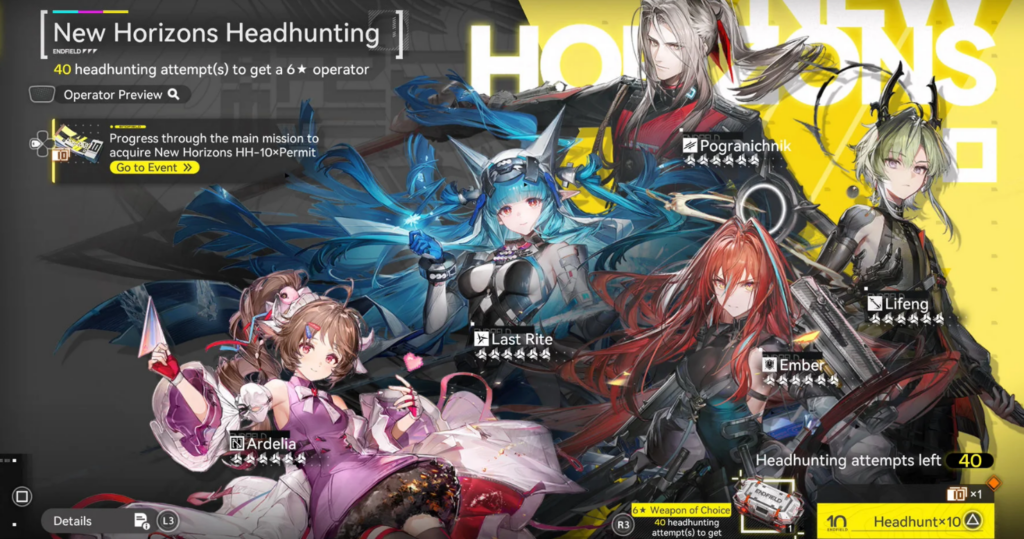
People can defend the quality of the gameplay and story in games like Arknights and Limbus Company, but it's still important to point out how frustrating they can be for a new player. Limbus Company's biggest issue is that the developers are constantly increasing the complexity and challenge as the story progresses. If you're someone who is following the game from the beginning and has access to everything, then there's no problem. But good luck if you are starting the game in 2026 and get to the harder chapters before you get access to good characters. Arknights has gotten a lot better in recent years, but the early days could be rough before your collection has answers to some of the game's more specific maps.
No one has yet defined what the average cost for playing a gacha should be, or what should be standard for F2P and light spenders. And when you have games on average earning $30-50 million dollars a month, on the small side, there isn't much incentive for developers to put limits.
Banners and Big Business
Gacha design is not going anywhere, barring a massive change in legislation around the world. For you, it's important to understand how much work goes into these games and the fact that the best ones are not thrown together. There is a lot of science and psychology that goes into making someone want to do that one more 10-pull on a limited-time banner.
Join the conversation
What do you think? Reply below to share your perspective.