The Legacy of Killer Instinct
Microsoft's foray into competitive fighting remains an overlooked genre gem

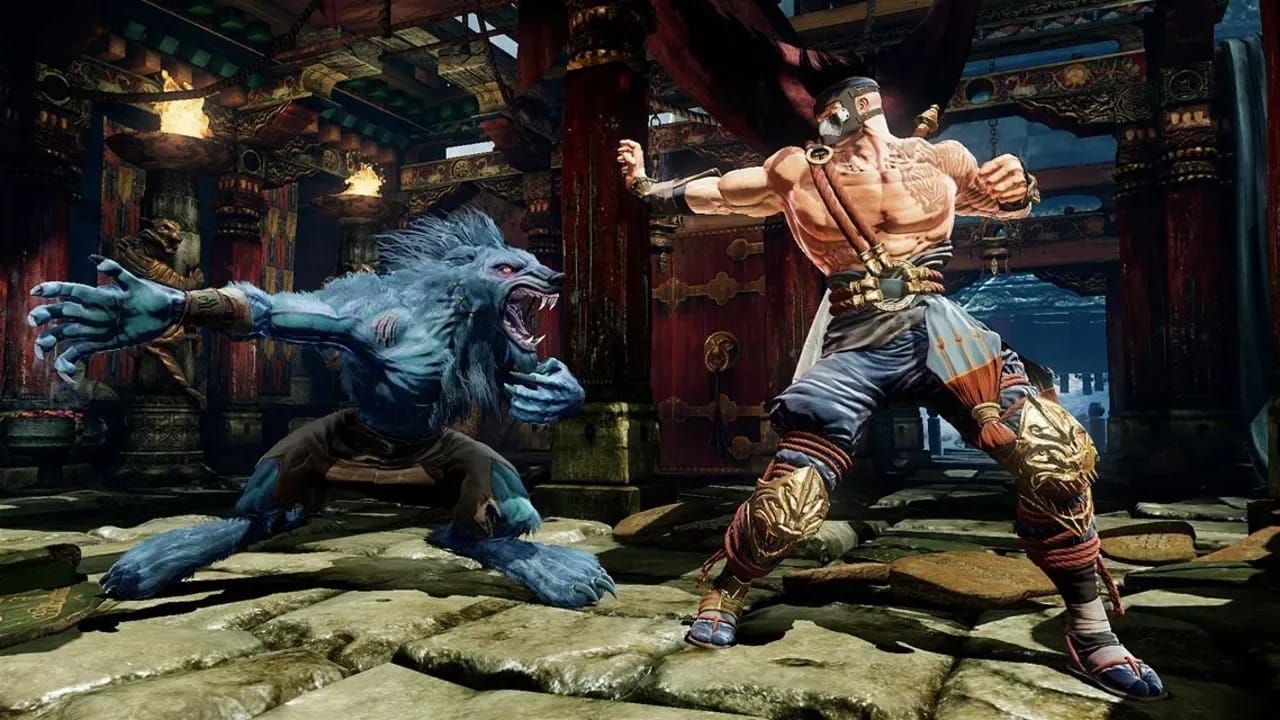
Killer Instinct is one of the most underappreciated Xbox games, and a key launch title for Xbox One back in 2013. Delivered in the style of a live-service title, the game only got better over time, improving substantially in gameplay, graphics, and content. It received future-proof updates to make it playable on Series X/S, but the future of the game, its development studio, and even the IP itself appear bleak. Still, despite the odds and competition, Killer Instinct persevered with its own unique brand of fighting and a graphical style unlike anything in the genre today.
When Microsoft acquired Rare, a developer once synonymous with Nintendo, the possibilities for gamers everywhere seemed limitless. Looking back now, this potentially legendary partnership didn't quite leave a legacy of greatest hits for Xbox. There have been a few gems here and there, like Grabbed by the Ghoulies, Kameo: Elements of Power, and the highly imaginative Viva Piñata, but there were never quite enough hits to help Rare maintain the same reputation it enjoyed during its Nintendo era.
Some of Rare's established properties attempted to find a new identity with the Xbox brand, but with limited success. Sure, there was Perfect Dark Zero, a sequel that launched with the Xbox 360 in 2005. A remaster of the original N64 title came out in 2010, but that was followed by an announced Series X/S reboot that would ultimately be cancelled. There was even a Banjo-Kazooie sequel, which completely pulled the rug from under fans by making it more about driving than platforming.
Then, when the time came to launch Xbox One, among the biggest titles announced for its launch lineup was a next-generation reboot of the iconic '90s fighter: Killer Instinct.
The Instinct to Kill
Launching as a free-to-play and digital-only title, it received mixed reviews and only a modicum of fanfare, despite being a fundamentally solid game. The game experienced what would also befall Street Fighter V years later: an incomplete launch. Still, having a fighting game as revered and anticipated as a brand-new Killer Instinct at launch for Xbox One was a pretty cool sentiment nonetheless. The custom of having a fighting game ready for a console's launch is certainly a lost art form, as back in the day there were legendary titles like Virtua Fighter on SEGA Saturn, Battle Arena Toshinden on PlayStation, Tekken Tag Tournament on PlayStation 2, Dead or Alive 3 on Xbox (later Dead or Alive 4 on Xbox 360), Super Smash Bros. Melee on GameCube, and of course the biggest one of all: SoulCalibur on Dreamcast. An exclusive fighting game as a launch title doesn't quite carry the same weight anymore, but even in hindsight, this was pretty great.
Before becoming one of the first members of the Xbox One library, the IP had a rich history with Nintendo as its publisher. Today, these releases can still be played via several avenues: Definitive Edition, Rare Replay, and the Nintendo Switch Online library of classic games.
Killer Instinct (1994)
The look, the music, and the iconic announcer: this is where it all began. The arcade game used pre-rendered graphics that became the signature style of Rare as a developer, most notably in the Donkey Kong Country trilogy. Killer Instinct would swiftly receive an excellent 16-bit home conversion on SNES, complementing the console's already excellent fighting library that included Street Fighter and Mortal Kombat. Killer Instinct stood out with its unique combo system, which even developer Midway would emulate by the time Mortal Kombat 3 released.
Killer Instinct 2 (1996)
The sequel took everything about the original and simply added more. The character sprites were richer, and the combos were as wicked as ever. Keeping up with the evolving genre norms, Killer Instinct 2 would also include Super Combos. The game more or less stayed true to the foundation and didn't try to reinvent the wheel, instead polishing up its sound fundamentals. While the SNES was more than up to the task of an arcade conversion, Nintendo, as the publisher, instead chose to delay the home release to give its next console a fighting game worth bragging about.
Killer Instinct Gold (1996)
Compared to PlayStation and Saturn, the Nintendo 64 felt a little starved when it came to fighting games, so having Killer Instinct Gold as one of its launch-period exclusive releases helped scratch that fighting itch for platform owners. It may not have been comparable to the likes of Tekken on PlayStation or Virtua Fighter on Saturn, but it did enough to create a uniquely Nintendo fighting experience. It provided variety alongside the Mortal Kombat N64 conversions until Nintendo finally decided to do fighting games its own way with Super Smash Bros.
Killing Season
Killer Instinct was at the forefront of Microsoft's original all-digital and fully online vision for Xbox One. Though it was met with flaming torches and pitchforks in 2013, nowadays it's the widely accepted norm for consoles. As a free-to-play title with paid content passes, it understandably disappointed many gamers who were excited to get into a major fighting game on a new console. Since then, nearly every fighting game has fallen into this quasi-free-to-play model, with games like Dead or Alive becoming almost notorious for it, Mortal Kombat charging for expansions at the cost of a new RRP release, and Street Fighter V launching at full price with barely any content while pretending not to be a free-to-play fighter.
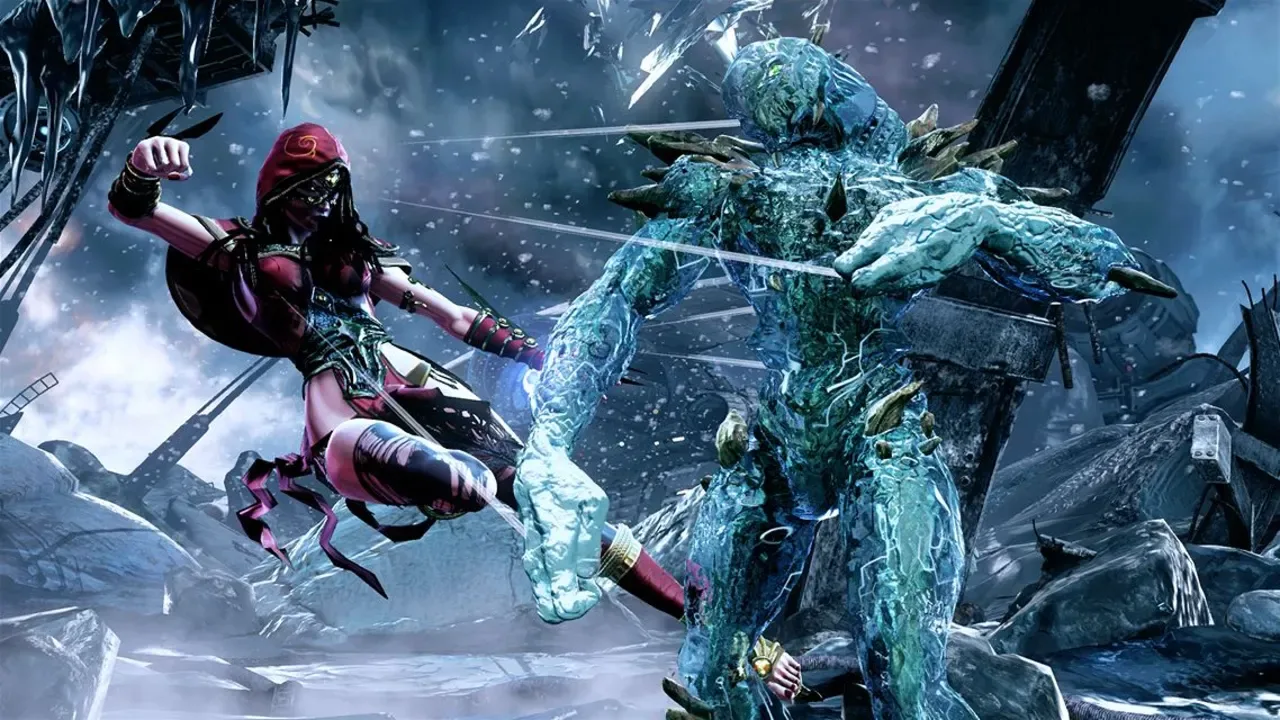
The experience was empty and hollow at launch, though it at least provided players with a graphical showcase for their then-new Xbox One, and offered an utterly enjoyable fighting system. Not to mention, the art and presentation won fans over; even if they were upset about certain things, it was hard to stay mad for long when the music by Mick Gordon (who later composed the excellent score for Doom) was just so darn infectious.
The digital season pass model has been a terrible development in fighting games, and it's a pain to see it become the accepted norm. Still, despite Killer Instinct receiving the initial flak for this, of all the aforementioned fighting franchises to have used this exploitative model, it was perhaps alone in creating a pro-consumer version of the controversial monetization scheme.
Free-to-play and digital-only content expansions are objectively terrible, no doubt about it. Killer Instinct, however, demonstrated the most transparent and beneficial way this model can work for both developers and gamers. Microsoft and Xbox One may have gotten a lot of backlash for their digital online ambitions, but the vision they had for the digital fighting game model, and their respect for the community's expectations were things they followed through on with much success.
Past Becomes Present
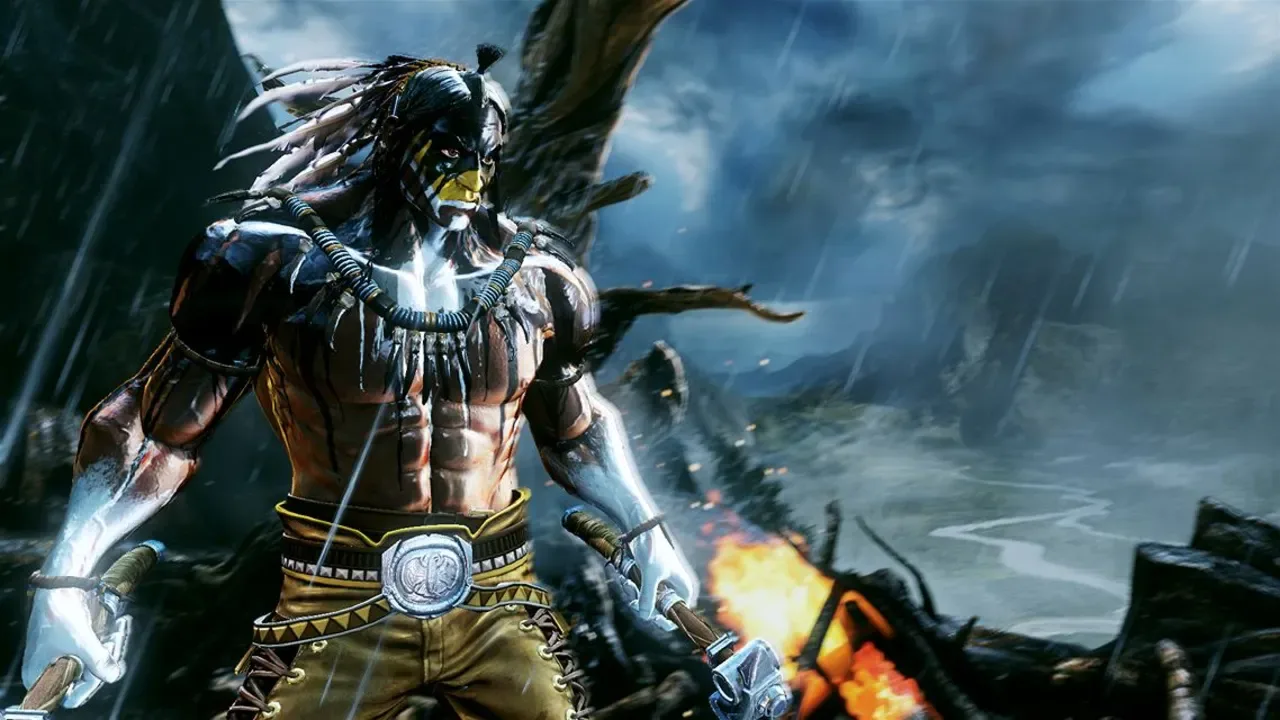
So the way the free-to-play model works in Killer Instinct is quite simple: you get the game and all of its modes for free; no exceptions or paywalls here. The only thing players end up paying for is the ability to own and use the massive roster of fighters (which even features guest characters from Halo and Gears of War) at their whim. Even then, the free version essentially rotates a free character on a daily basis.
Honestly, this arrangement isn't terrible in the slightest, as anyone with the free version gets to enjoy all the features, including cross-platform (PC and Xbox) multiplayer. Not to mention, the majority of the content was given away for free on numerous occasions as part of the (then) Games with Gold promotion. And so, of all the ways a free-to-play fighting model could be achieved, this is perhaps the least offensive way to go about it.
In 2016, Microsoft released the Definitive Edition: a full retail release loaded with all content and bonus features (including remasters of the classic arcade games). The packaging was great and was excellent value for money. It was fantastic for newcomers as they essentially got the complete game and more, but it was also worthwhile for dedicated fans to have a one-stop destination for the complete experience, even nicely rounding out the offering with the final Season 3.5 sendoff.
Looking back, the Season updates were done really well. Going from the original 2013 incarnation to Season 2 was like going from Street Fighter II Turbo: Hyper Fighting to Super Street Fighter II: The New Challengers. It was a major jump; the game's graphics were substantially bolstered, and in fact, the evolution of the game's graphical prowess almost mirrored that of Xbox One as developers came to grips with the hardware. By the time Killer Instinct had wrapped up with its third and final (well, third-and-a-half) season, it was a 4K-powered monstrous showcase for the console. The title has remained a constant presence in the Xbox narrative, even transitioning to Series X/S with graphical optimisations and revamped network play.
Killer Instinct, in a way, represents a rare instance of Microsoft following through on its vision despite apprehension and scepticism. The very ideas once met with protest have now become the industry norm, and while everyone was once adamant about owning discs for their Xbox One in 2013, it has become a complete non-issue in 2026, given the success of Game Pass (where the entirety of Killer Instinct can still be found, by the way). The cross-platform service completely changed how gaming is done on Xbox (whatever an Xbox even is these days), and most gamers still wouldn't have it any other way despite the recent price hikes.
Killer Legacy
Killer Instinct also represents an exception to a disappointing trend on Xbox: it was perhaps the only "stolen" IP which managed to forge a new identity on the brand, far surpassing its previous iteration on Nintendo platforms.
Microsoft certainly dropped the ball on many of its other major acquisitions:
- Did nothing with Shenmue (yes, they owned it for a brief time before it landed back in Yu Suzuki's lap).
- Created a Banjo-Kazooie game literally no one had asked for
- Delivered a decent but ultimately inconsequential Perfect Dark sequel, followed by a cancelled Series X/S reboot
And there's still a whole range of other properties sitting somewhere in Microsoft's dusty attic.
It is also the only example of a project that managed to survive Microsoft's cancellation frenzy, even as the core development team had to change halfway through when Amazon purchased Double Helix (current developer Iron Galaxy is now also facing an uncertain future). Despite everything, the game outlived Microsoft's Kinect vision, the ambitions of SWERY's D4: Dark Dreams Don't Die, the once-promising Fable Legends, and it sure as hell outlived Scalebound. Just for that alone, I take my hat off to Killer Instinct.
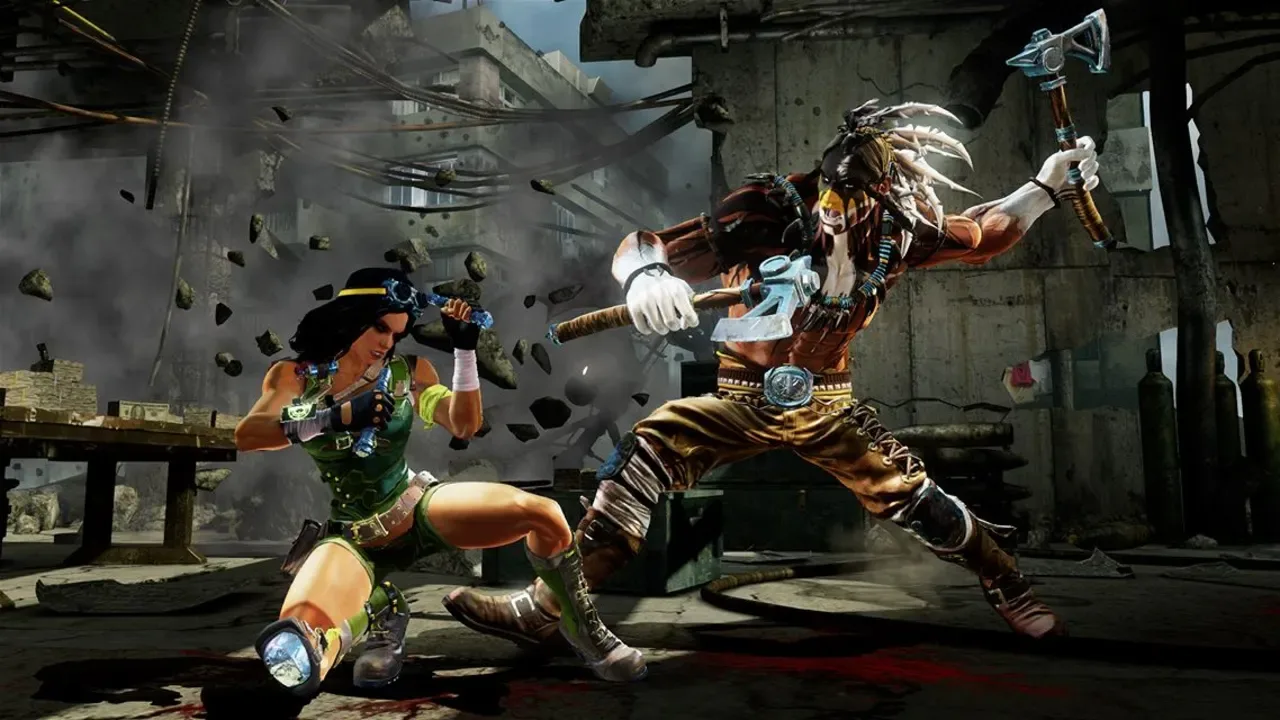
The game lived up to, and even surpassed, its incredible legacy in the arcade and on Nintendo platforms. This was unquestionably the most creatively charged first-party experience on Xbox One, thanks to a Mortal Kombat-sized lore and artistic direction simply brimming with imagination. It played great too, allowing complete newbies to string together combos like they were pros, and making use of the trademark Combo Breaker counter system that other fighting games could really benefit from.
The soundtrack, above all else, is out of this world. When you get into the behind-the-scenes material included in the Definitive Edition, you appreciate just how much passion went into it as a long-term project, and just how many painstaking invisible details came together to bring its universe to life. Despite the initial controversy surrounding its release model, the game would evolve into a textbook "by fans, for fans" experience we rarely see from major first-party developers not called Nintendo.
Today, it's available on Xbox/Windows and Steam as the Anniversary Edition, which launched back in 2023 to commemorate 10 years. It will be remembered as one of the Xbox One's defining games and, arguably, among the strongest fighting game releases of the last gaming generation. Today, the game offers its ocean-sized Pandora's Box for a low entry fee. Reflecting on the journey of Killer Instinct and the legacy of Xbox One is quite bittersweet in hindsight. It was an era where Microsoft gave up on its most well-intentioned ideas far too soon, a trend that unfortunately continues. At least we can look back and say Killer Instinct achieved everything it set out to do and so much more.
Join the conversation
What do you think? Reply below to share your perspective.