American McGee on Plushie Dreadful, Dreadful Land, and Building a Brand
From Plushie Dreadful to Dreadful Land — how a developer's aesthetic became a business

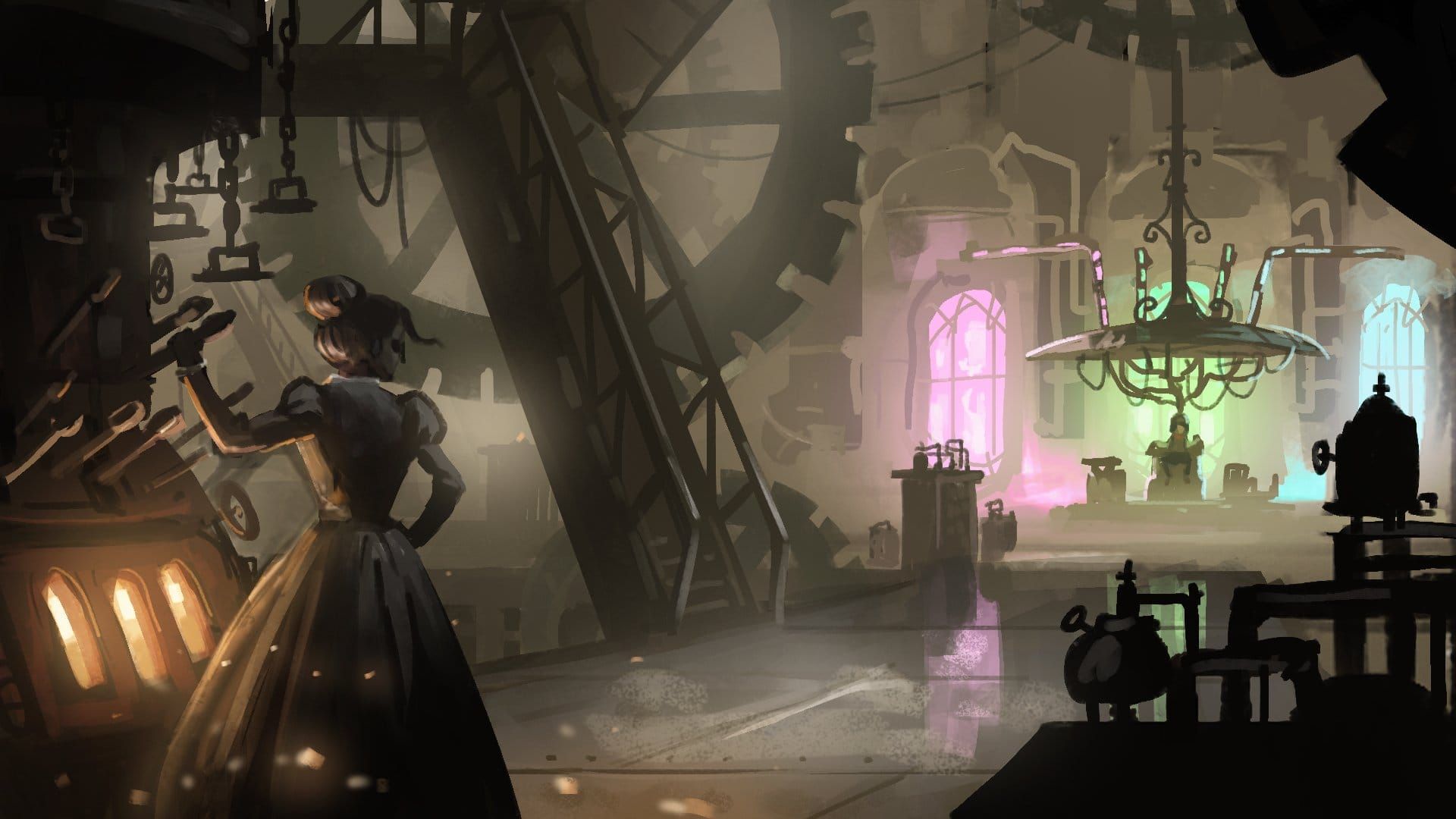
I recently sat down with American McGee — the former id Software designer behind American McGee's Alice (2000) and Alice: Madness Returns (2011) — for a podcast interview about his return to games with Dreadful Land.During our talk, we discussed this notion of aesthetics and how he himself, along with the original Alice games, were really the first time in the industry that a particular look and aesthetic was tied to a person in marketing — and what that can mean for developers today.
American McGee's Aesthetic
Thinking about the game industry and marketing over the years, there have only been a handful of times when a developer's name becomes part of the brand itself; that their name gets attached to the property. In the 90's and early 2000's, the only names I can remember are Sid Meier, John Romero, and American McGee.
American McGee's Alice and Alice: Madness Returns were both third person action games; while they weren't the most challenging or deep games for their time, they made up for it with style. Today, the strategy of taking something for kids or something considered light and making it dark has become commonplace among entertainment, but for the early 2000's, it was a new concept. So much so that American McGee himself became the Penny Arcade shorthand for any property going dark for the first time.
When we fast forward to today, indie game marketing has changed so much in terms of what it means to brand yourself and your studio.
The Indie Brand
In the 2010's, the idea of marketing as an indie developer and studio was about becoming known as "the studio behind X" – if you make RPGs, you're an RPG company, and the same went for platformers, horror, etc. This led to many smaller and mid-sized studios creating a niche unto themselves.
But as we entered the 2020's, and indie developers today are more about sustainability rather than betting it all, there has been a change. It's not about your games becoming the branding of your studio, but your studio branding becoming a part of your games. This can be seen this decade with the rising popularity of New Blood Interactive, Strange Scaffold, and a lot of smaller developers I've spoken with over the past six years. It's no longer about wanting to be branded as just a studio who makes X, but the games being built around the style and philosophy of the studio that gets people excited.
From Plushie Dreadful to Dreadful Land
Here's our full conversation:
Source: Game-Wisdom.
After American McGee's very public departure from the games industry — following years of trying to revive the Alice franchise with Alice: Asylum — he turned his attention to Plushie Dreadful, a designer plushie line built around his signature dark, Victorian-tinged aesthetic. While we didn't have the time to discuss his entire career, he wanted to talk about what it was like leaving the game industry to start his own company and apply his own style to making plushies.
He talked about how the plushie line is so successful that people don't know that he's behind it, but the second they find out, they can immediately see his aesthetic in it and the world and lore that are behind the plushies.
It's that world building that has led him to possibly coming back into the game industry by licensing the IP — collectively called Dreadful Land — for games. And this has been a proven model for mega brands like Games Workshop, which has turned the Warhammer property into a variety of games from different developers and genres.
One point that hasn't been figured out yet are the game genres that American wants to see the IP go with, as this is still very much an early concept at this time.
Positively Plushed
Speaking with American, it's funny how much the industry has changed from his time at id Software, to making Alice, to completely leaving the game industry for a time. Today, more than ever, it's important to figure out how to establish yourself and your studio beyond just your games.
Join the conversation
What do you think? Reply below to share your perspective.