Blue Reflection Quartet and the Effort of Preserving Multimedia Projects
Blue Reflection Quartet revives a shut-down mobile game and turns an anime into a playable recap. Is that genuine preservation?
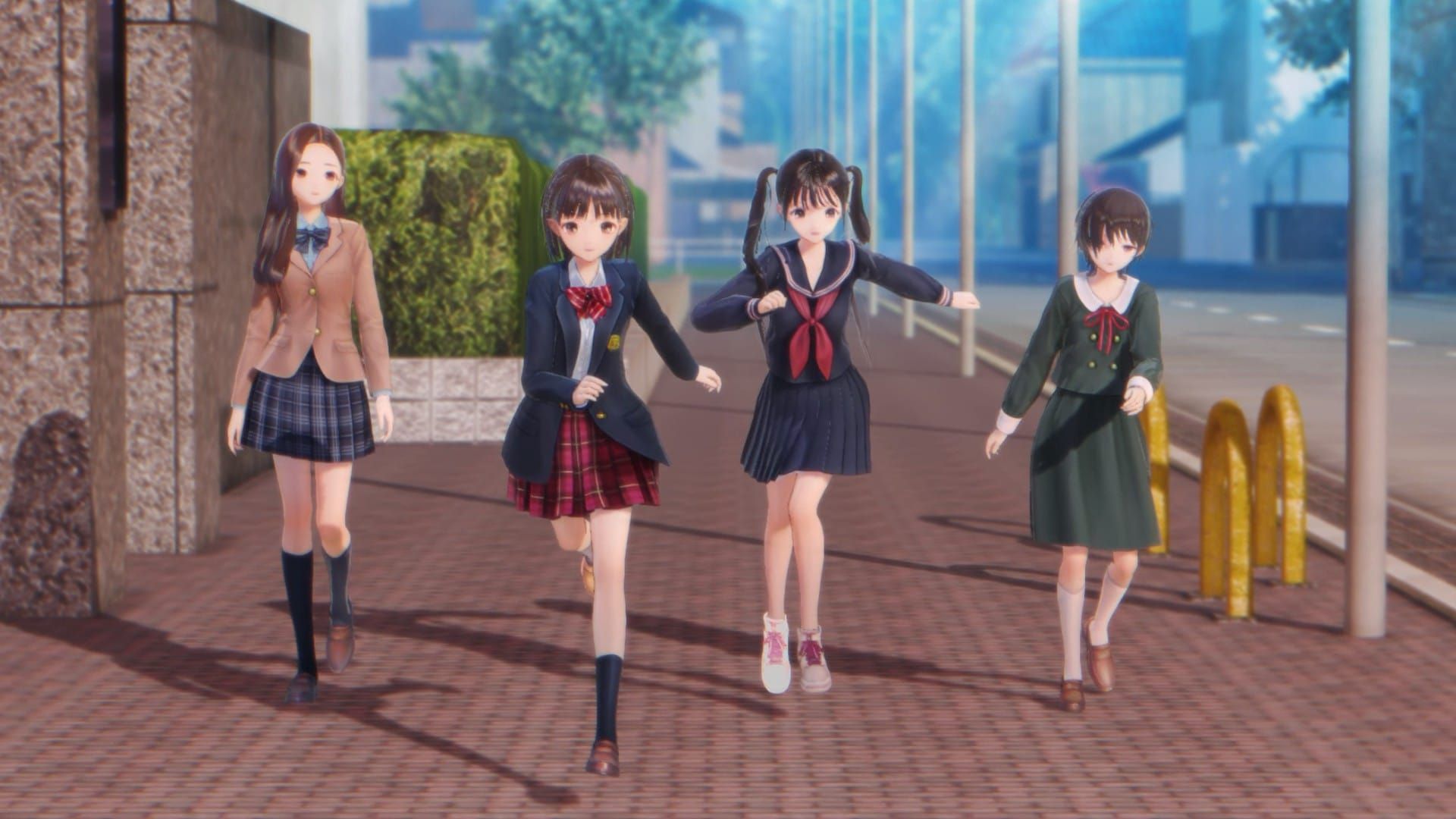
Blue Reflection Quartet from Koi Tecmo Games is now available on PC, Switch, Switch 2 and PlayStation 5. The experience aims to gather four experiences of the multimedia franchise in a single package. However, with two unique entries, it opens up the question of how preserving games and multimedia projects can work.
The History of Gust’s Magical Girl Franchise

Back in 2017, Koei Tecmo and its subsidiary Gust released Blue Reflection as a new project for PlayStation Vita and PS4 with a PC version taking the place of the handheld for the English release. Conceived by character designer Mel Kishida, who had previously worked with the development team on the Atelier Arland trilogy, the concept of the game was that of an RPG with magical girls.
After the first game, the company would once again come back to the series, but now from multiple fronts trying to expand the IP into a multimedia format. Back in 2021, three new projects were announced together as a way to further develop the series. The list included the animation Blue Reflection: Ray, the free-to-play mobile/PC game Blue Reflection: Sun, and the console experience Blue Reflection: Second Light.
All of these projects would be connected in story, so, even though it would be possible to enjoy each separately, players with the knowledge of previous games would have an enhanced experience. This concept is different from direct adaptations, which generally try to cover the same major events, making each part complementary.
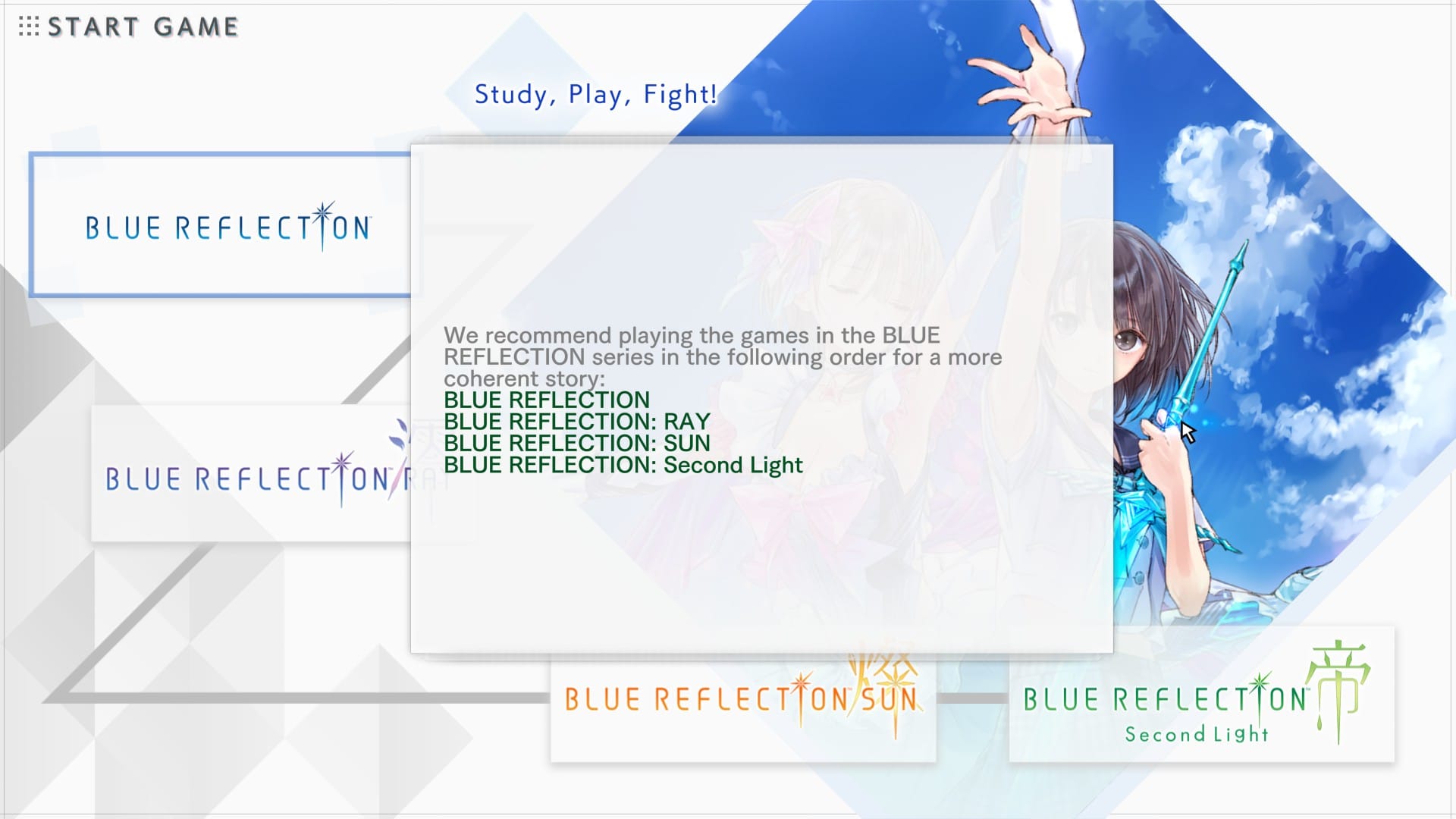
With Blue Reflection Quartet, the developer decided then to make a package quite unlike anything else in the industry at the moment: making every part of this multimedia strategy available in some form. But how does one go about doing this in a video game collection?
The easiest part is for Blue Reflection and Second Light to get new versions that run on current systems. Generally, developers would likely stop here since these are the only console games, but a big chunk of the proposed experience would be missing, alienating newcomers who would be more likely to ignore those unavailable pieces.
As a result of trying to make a complete pack, Gust would opt to make the other two pieces of the franchise also available in a new format. Both Blue Reflection: Ray and Blue Reflection: Sun would become new “playable experiences” that complement the package, raising the question of how multimedia projects can be preserved in a collection.
Back from the Mobage Graveyard
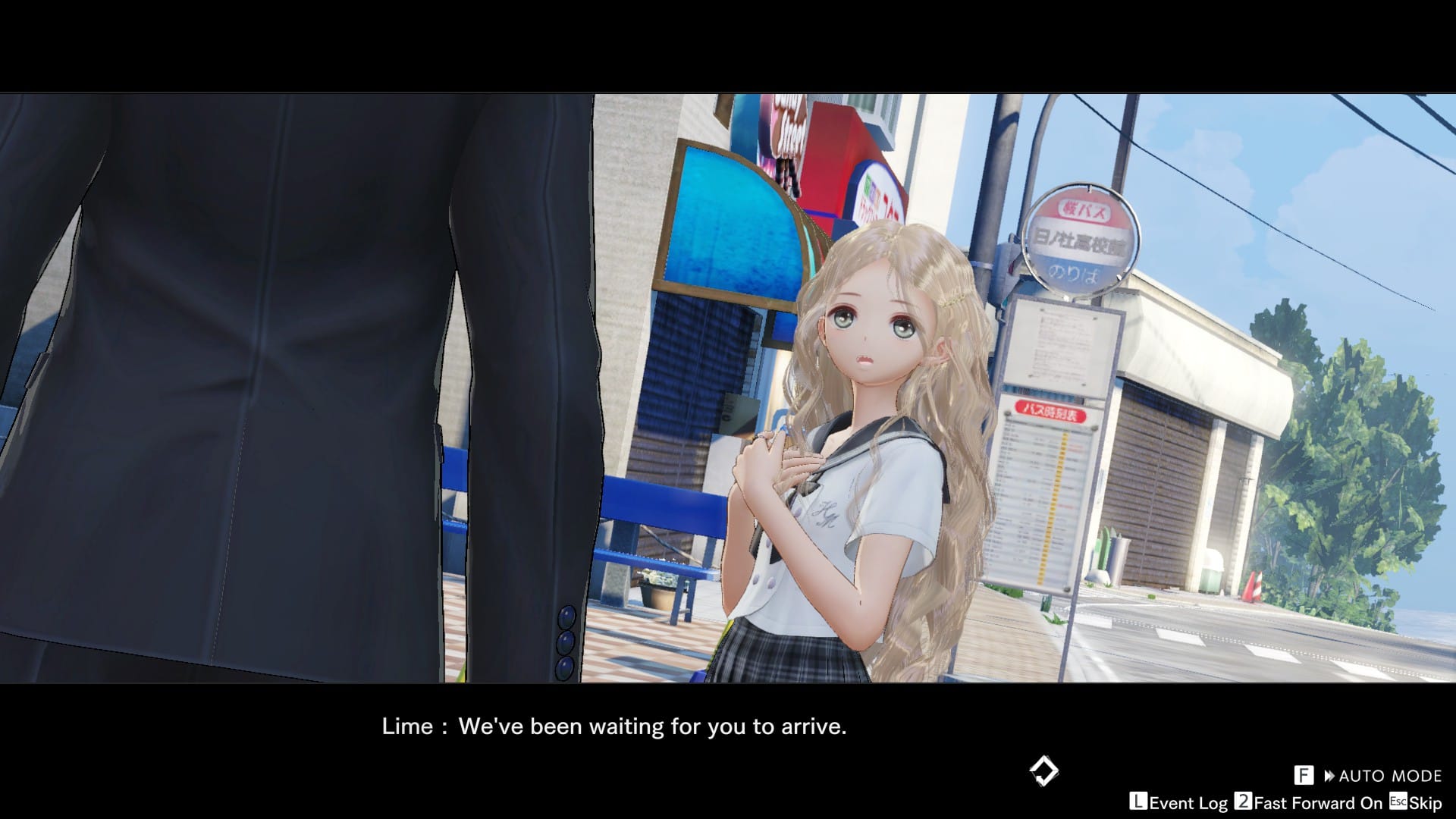
Blue Reflection: Sun was initially conceived as a free-to-play game for mobile devices and PC. Released in 2023 as a partnership between Gust and Japanese juggernaut DMM Games, which has its own online distribution platform in the Eastern country, it would reach an end of service in 2024 without ever receiving an English release.
Unlike premium experiences that continue being playable many years after developers have had any involvement with them, games like Blue Reflection: Sun expire. The data is pulled from the game’s servers, so once they’re not maintained anymore, the experience is simply gone forever. According to a research by SuperScale commented by GamesIndustry.biz back in 2023, around 83% of mobile games fail within three years of their release. The complete evaporation of similar games published strictly as services is a common fact in the industry.
That’s not to say that there aren’t efforts to save titles that were once released in this manner. A few of them are actually preserved officially with “offline versions”, like Capcom’s MEGA MAN X DiVE Offline, with some limitations, like not covering some special events. There are also some cases of private servers for online experiences that go beyond the official support of a game, though limited to only a handful with very passionate fans.
When it comes to offline versions, much of the experience has to be reworked to cut elements that were once dependent on the server. For instance, in the case of the original Blue Reflection: Sun, players would spend in-game (or real life) currencies to get new characters and fragcards that unlock skills. Other systems include borrowing characters from friends and strangers as well as facing ranked battles against others’ teams, all of which are common.
At the bare minimum, all of these elements end up being cut from such offline versions or reworked in some way. For instance, the Switch edition of rhythm game i*Chu keeps the gacha as a system so that players can feel the adrenaline of pulling even though it’s all in-game currency instead.
In other cases, however, the game may even be completely redesigned to try and provide an experience that makes more sense for someone who has already paid full price for it. As a result, things may be cut, altered and remade to provide a different package. Upcoming experiences like Final Fantasy Resonance and Another Eden Begins are good examples of this promise to the players: taking an experience available on mobile and trying to revamp it so that it feels like something made for consoles instead.
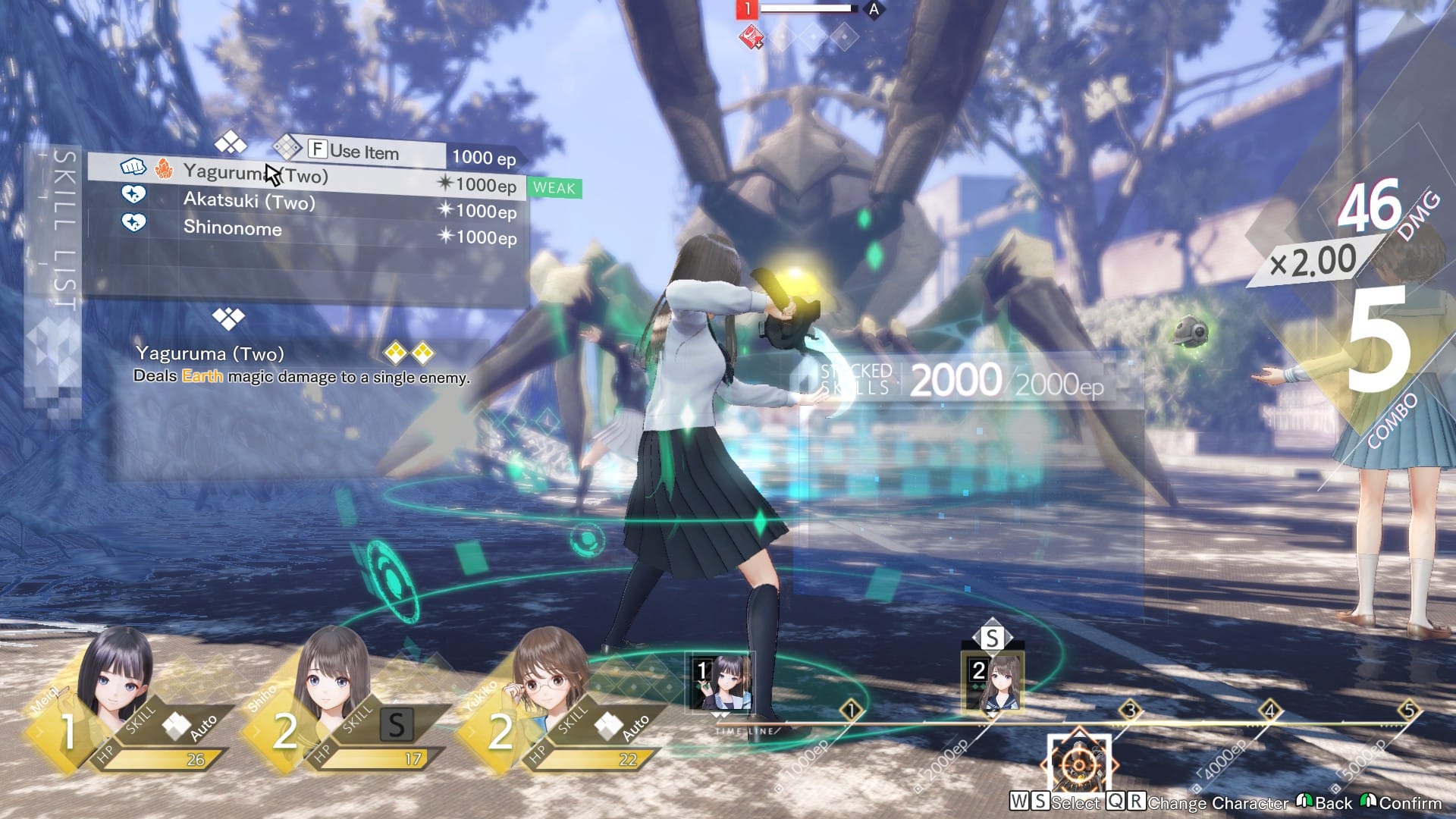
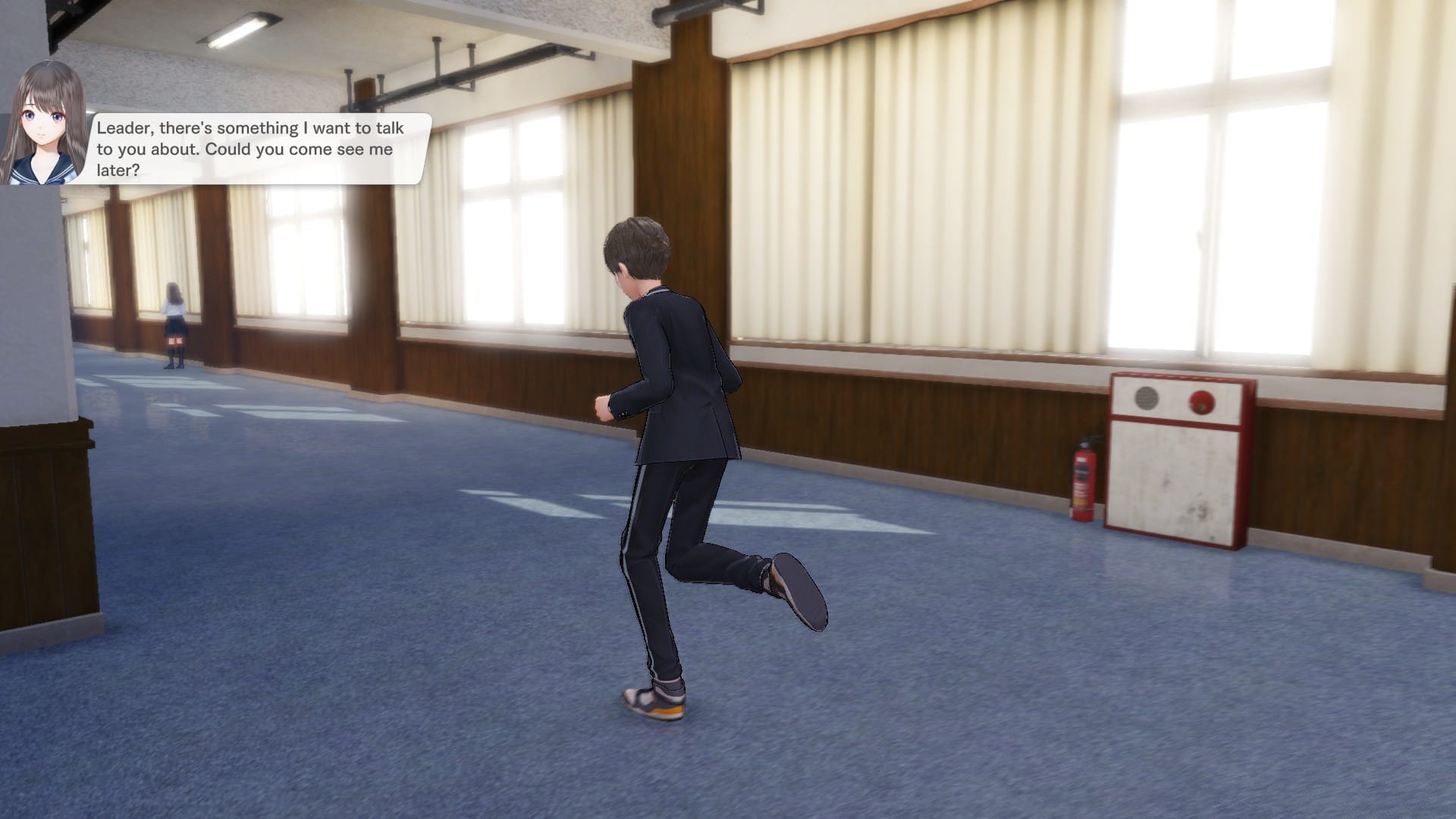
The Quartet edition of Blue Reflection: Sun is one such “remake” of the mobile experience. It doesn’t really cover everything the original did, altering how the story is presented and offering a mostly digested experience. Combat is recreated using the same mechanics as Blue Reflection: Second Light instead of following the systems of the original release, and it keeps only a few more significant battles. Smaller enemies that would offer challenges in between bosses are completely scrapped.
On one hand, it’s interesting to note that many times these battles are created for games like Sun as padding. These games often offer limited Stamina gauges and use increasing challenges as a big wall that keeps players from reaching rewards and progress. Along with the desire for specific assets like characters that are hard to get due to the gacha odds, these limitations are often one way that games like that are engineered to encourage the use of microtransactions.
On the other hand, how can we consider a game preserved when the recreation of it is hardly anything like the original? This is one of the issues with considering “remakes” as preservation in any sense. The same characters are there and their experience may mimic the original’s big strokes, but the experience of a game can hardly be reduced to its main narrative.
When it comes to games, sometimes there are different sensibilities to what it means to preserve an experience. Some design choices can be seen as limitations and technical issues by some people, for instance, making some aspects something to “fix” rather than as an optional adjustment. There are also things that are more costly to recreate and maintain and the effort may not make sense for the development team. When it comes to mobile games and other experiences that demand online connection to servers, all of these aspects factor into how to preserve them.
Adaptation as a Retreading of Familiar Territory
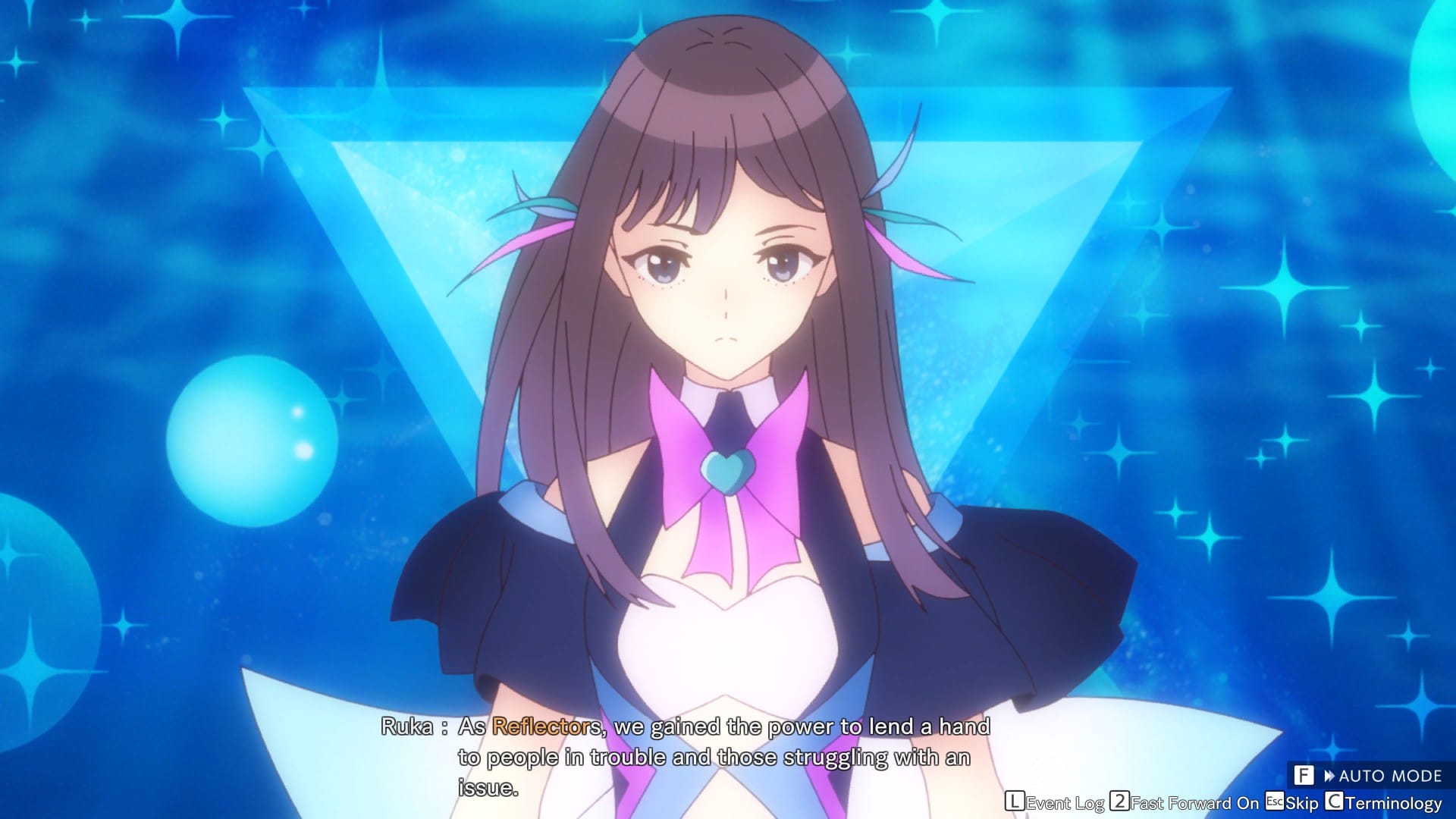
While the remake of Blue Reflection: Sun was already a complicated topic when it comes to the idea of preservation, there’s an even more unique case in the Blue Reflection Quartet. As previously mentioned, the series has an anime entry as part of its effort to expand in scope, and this experience is integral to the franchise, with nods to it on Second Light.
Instead of simply ignoring it or making a brief summary of events for players, Gust decided to go a step further and create a brand-new “Blue Reflection: Ray” in-engine experience. The company carefully pointed out that it would not exactly be a game, but a new way to see the adventures of Hiori and Ruka gathering fragments of their memories. The distinction is important as it’s pretty much a glorified recap in a “playable” state and expecting anything else would be disappointing.
The game-like edition of Ray puts players to move around the Common, exploring it to gather fragments that the protagonists of the anime have lost. By finding them, they reminisce about the events that took them to the final moments of the animation, thus retreading the whole experience through their commentary and feelings.
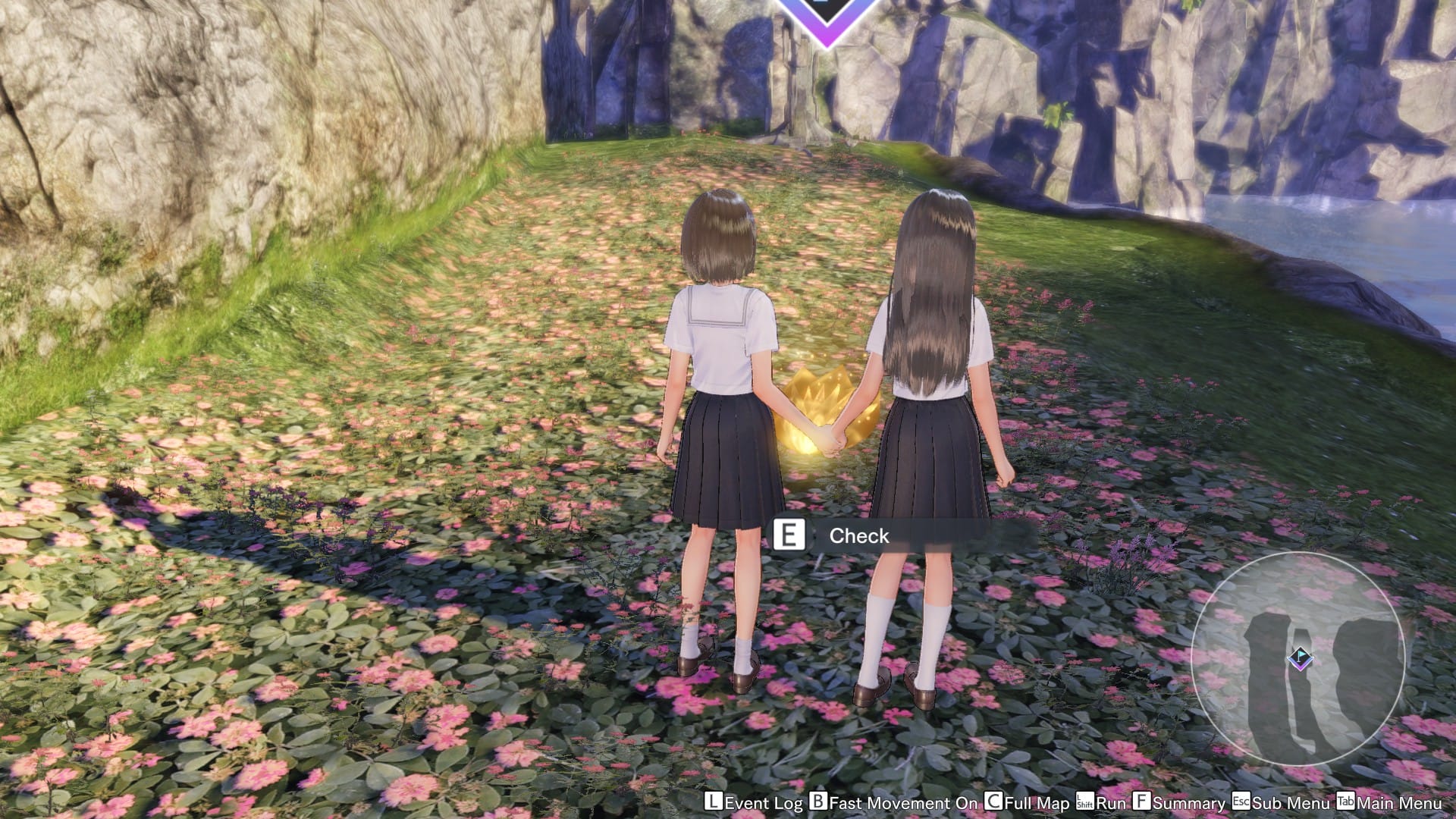
Significantly cut to the most basic bits of relevant info, it’s hardly enough to consider the actual experience of the anime covered. Players who haven’t watched the anime are likely to be lost and feel like it just doesn’t provide enough of an experience to truly feel like it adapted the anime properly.
As an experiment of how to provide a recap, however, it’s an interesting choice. What could have been a menu with text and the same anime screenshots used instead demands more agency from the player. Some fragments are optional and the whole experience may be seen as a chore, as the player’s only obstacle to progress is making an effort to go after all of them.
In a sense, even though the end result is questionable in quality, the in-game Blue Reflection: Ray is not something the industry is making. When it comes to multimedia projects, things are often completely separated and, when Japanese companies are involved, there are cases of obscure, inaccessible things, like novels and side materials. Instead of relegating these parts of the franchise to the sidelines, what we get here is an effort to keep both Sun and Ray alive in some form.
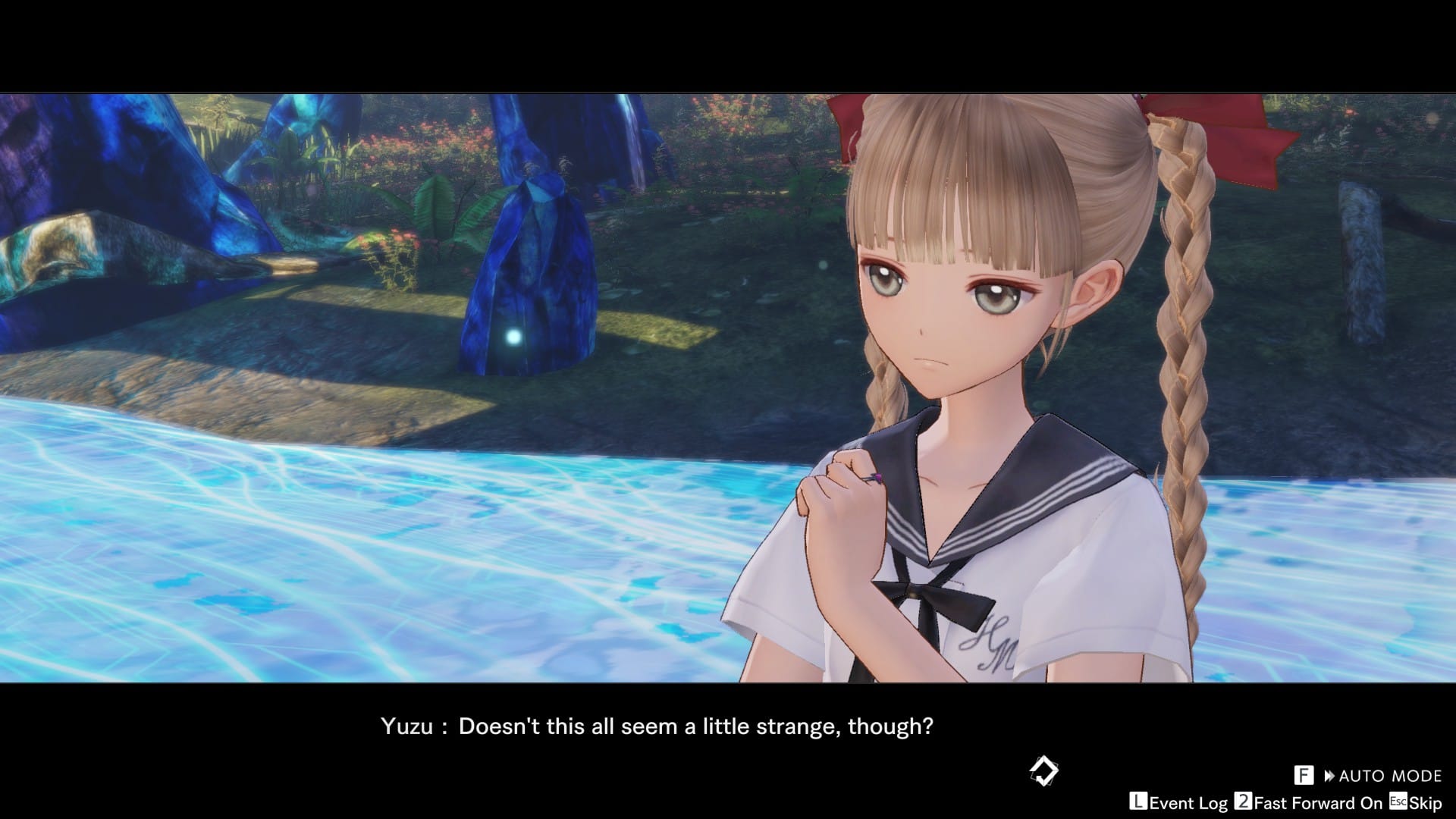
Blue Reflection Quartet makes an effort to be a perfect entry point trying to let the player have access to every material of the franchise in some form. As a result, its good and bad choices end up being a reminder of how preserving games (and other media) is a complex topic. Whether thinking about games services that end and become inaccessible or multimedia pieces that are relegated to the sidelines, there are nuances that are important to think about more deeply when it comes to the experience itself rather than just a simulacrum of what it represents.
Join the conversation
What do you think? Reply below to share your perspective.