Climbing Games: How an IRL Trend Became a Video Game Genre
Exploring the inspirations behind various climbing games by chatting with their developers

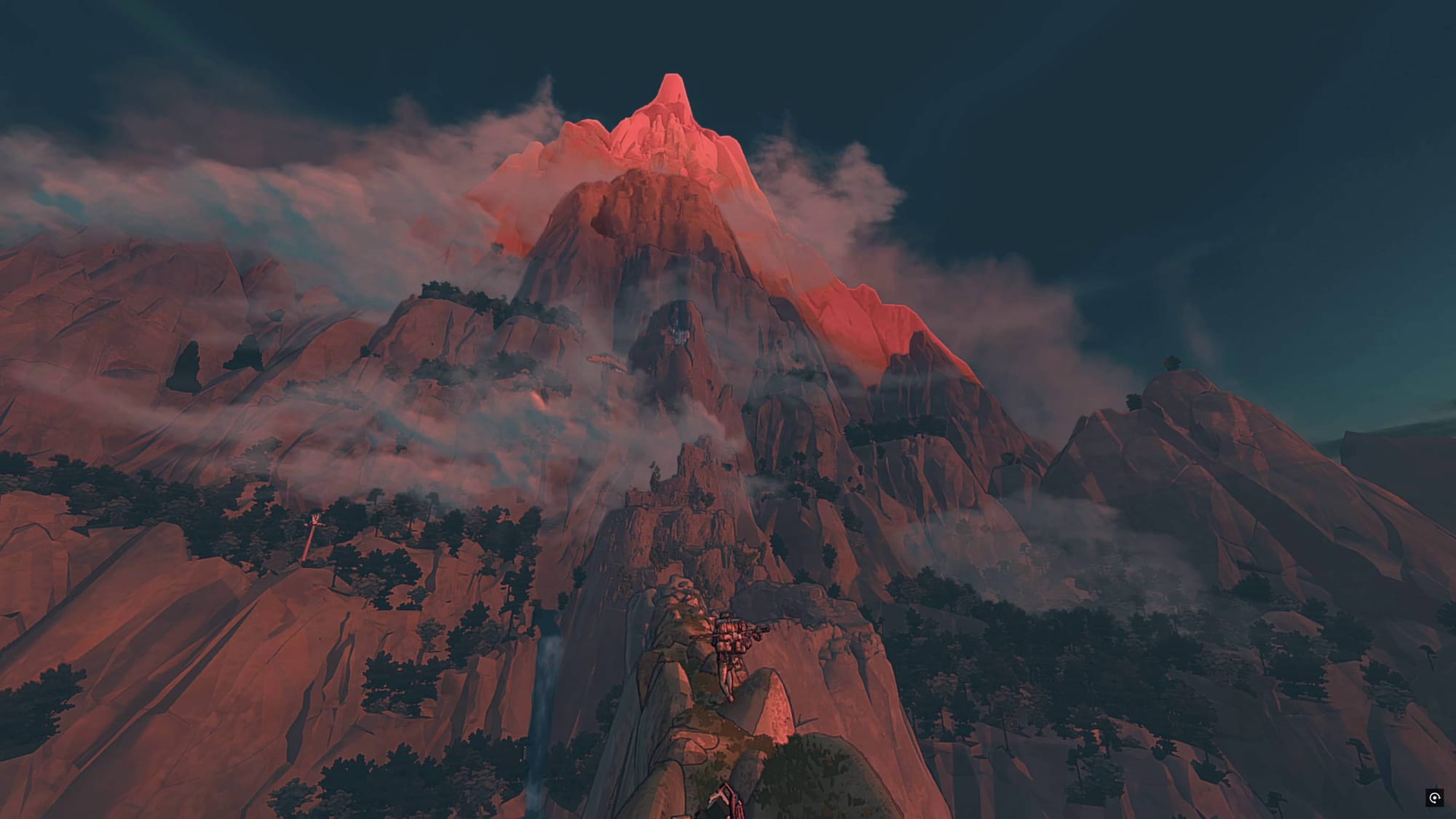
Climbing has always been a fundamental pillar for communicating verticality and freedom of movement in video games. Still, it was only a couple of years ago that it began to take center stage in this medium.
The connection between climbing and playing games goes to the very essence of the sport. In 2009, climber Kelly Cordes wrote about The Fun Scale, a concept that he heard in 2001 from another climber. The scale separates the fun you have with certain activities into three types: Type I fun, which is pure, immediate fun, or, in his words, "enjoyable while it's happening." Type II fun is "fun only in retrospect, hateful while it's happening" (every Dark Souls fan knows this type of fun). Type III fun is horrible in the moment, and it isn't even fun in retrospect, but it might give you a sense of achievement.
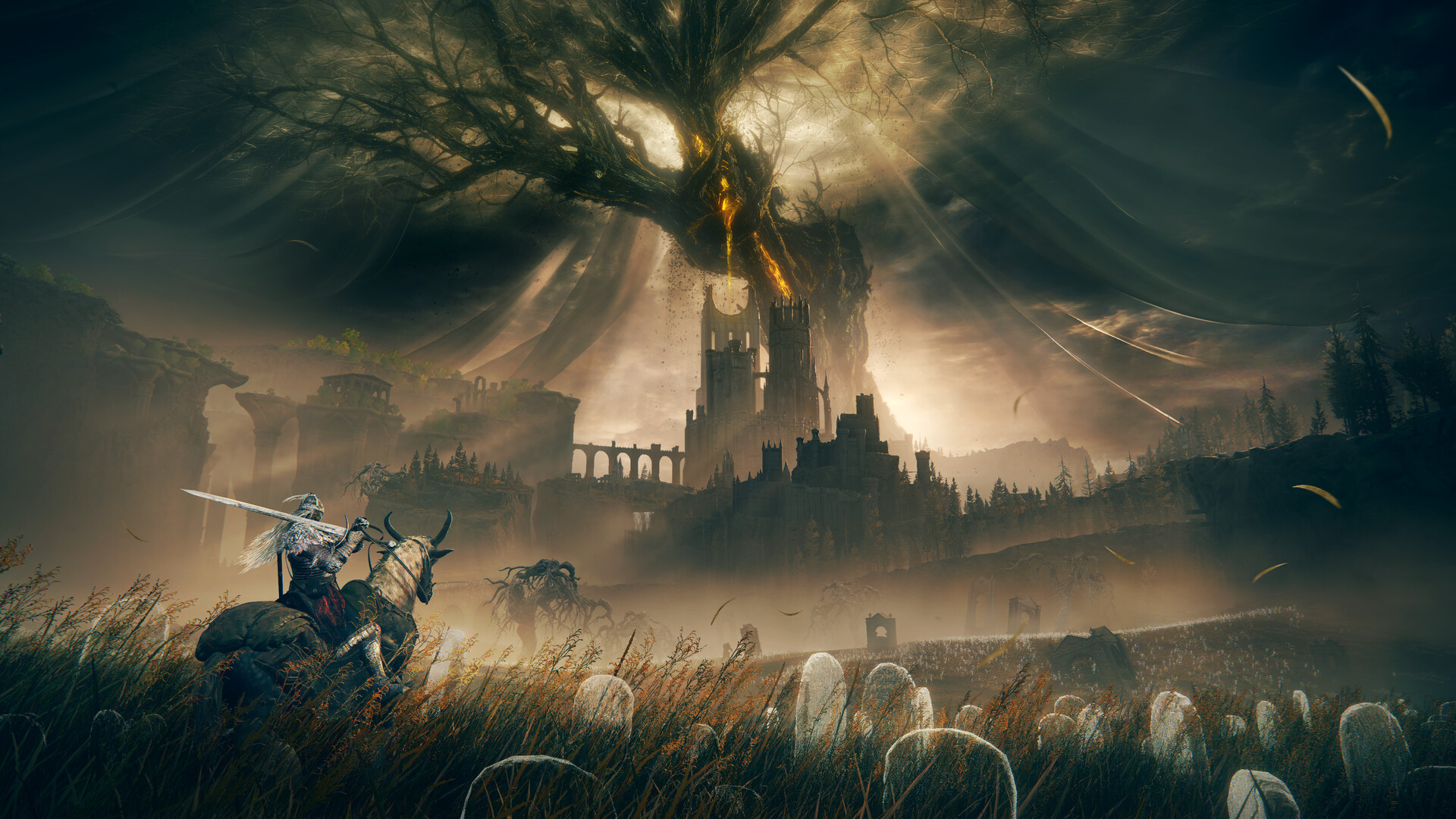
The Fun Scale has become a fundamental concept in game design, and almost every game attempts to balance the three types to achieve a satisfying flow between difficulty and reward, tension and release.
In previous generations of consoles, climbing meant finding weak spots in giant enemies in Shadows of the Colossus, hiding places in Assassin's Creed, or secret tombs in Tomb Raider.
Everything changed with the arrival of The Legend of Zelda: Breath of the Wild for the Nintendo Switch in 2017, where the protagonist Link could try to climb any surface in the game world. The result was impressively effective; the feeling of freedom and accomplishment once you reached the top of a mountain was unmatched. It also added an extra degree of danger to the protagonist's adventure. If Link ran out of stamina during his climb, he would let go of the wall and fall into the void, usually resulting in his death.
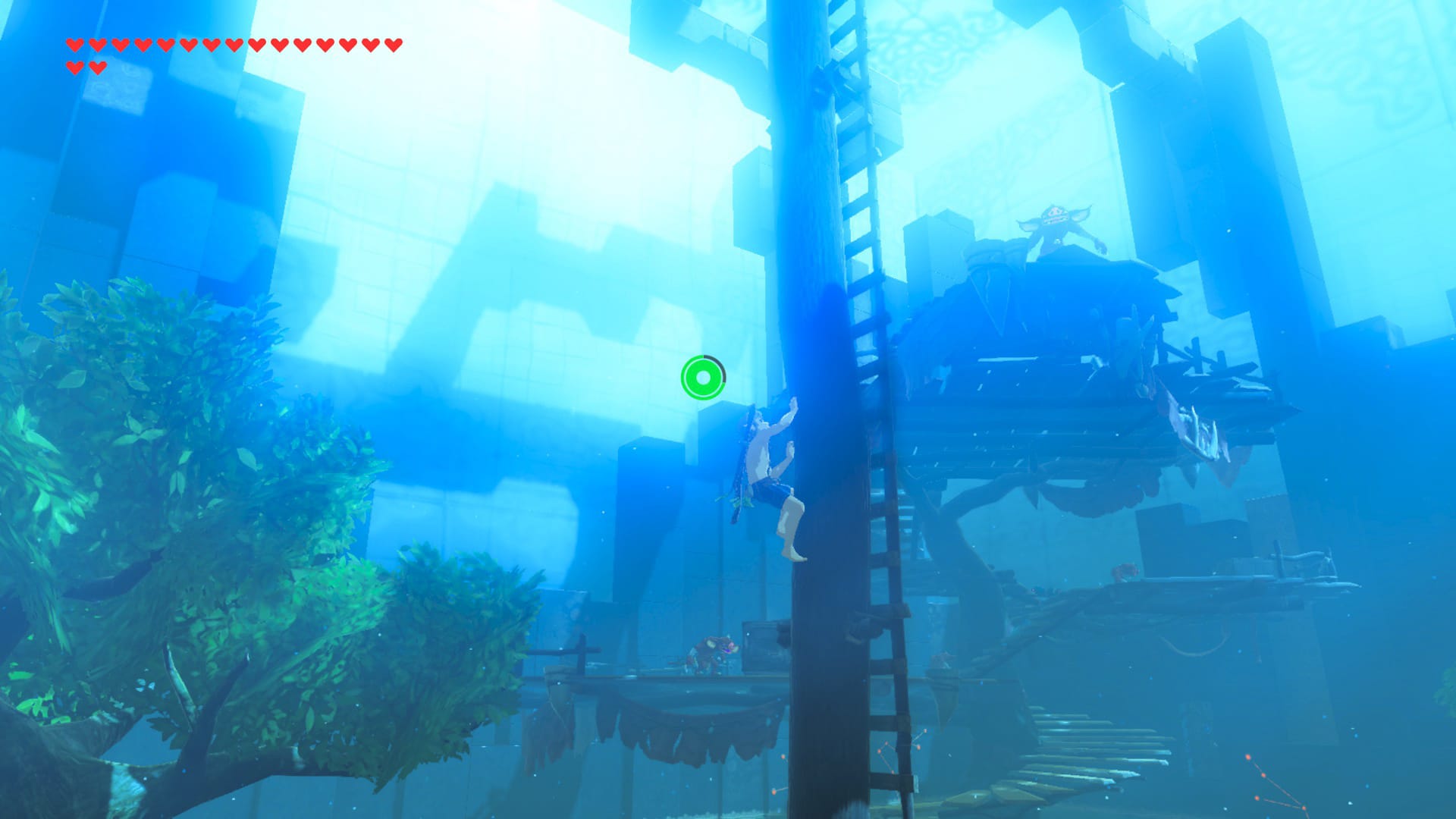
However, climbing remained a means to an end, a transitional action on the way to the place where the adventure resumes. Besides planning your route, climbing in Breath of the Wild, as in most video games, consisted of mindlessly pushing the joystick forward, erasing all the complexities and challenges that the real-life sport offers.
In the ensuing years, a series of events would raise the public's interest in the sport in ways never seen before.
In 2018, the documentary Free Solo, directed by Elizabeth Chai and Jimmy Chin, was released. The story of climber (and absolute madman) Alex Honnold's quest to climb El Capitán without any protective equipment, such as a harness or ropes, had us all on the edge of our seats for its entire 96-minute run. The film received numerous awards, including Best Documentary Feature at the following year's Oscars.
The inclusion of the sport in the 2020 Summer Olympics also helped bring the unorthodox sport into the mainstream, with more than 30 climbing gyms opening per year in the US and a 58% increase in visits to climbing gyms in the UK since 2019.
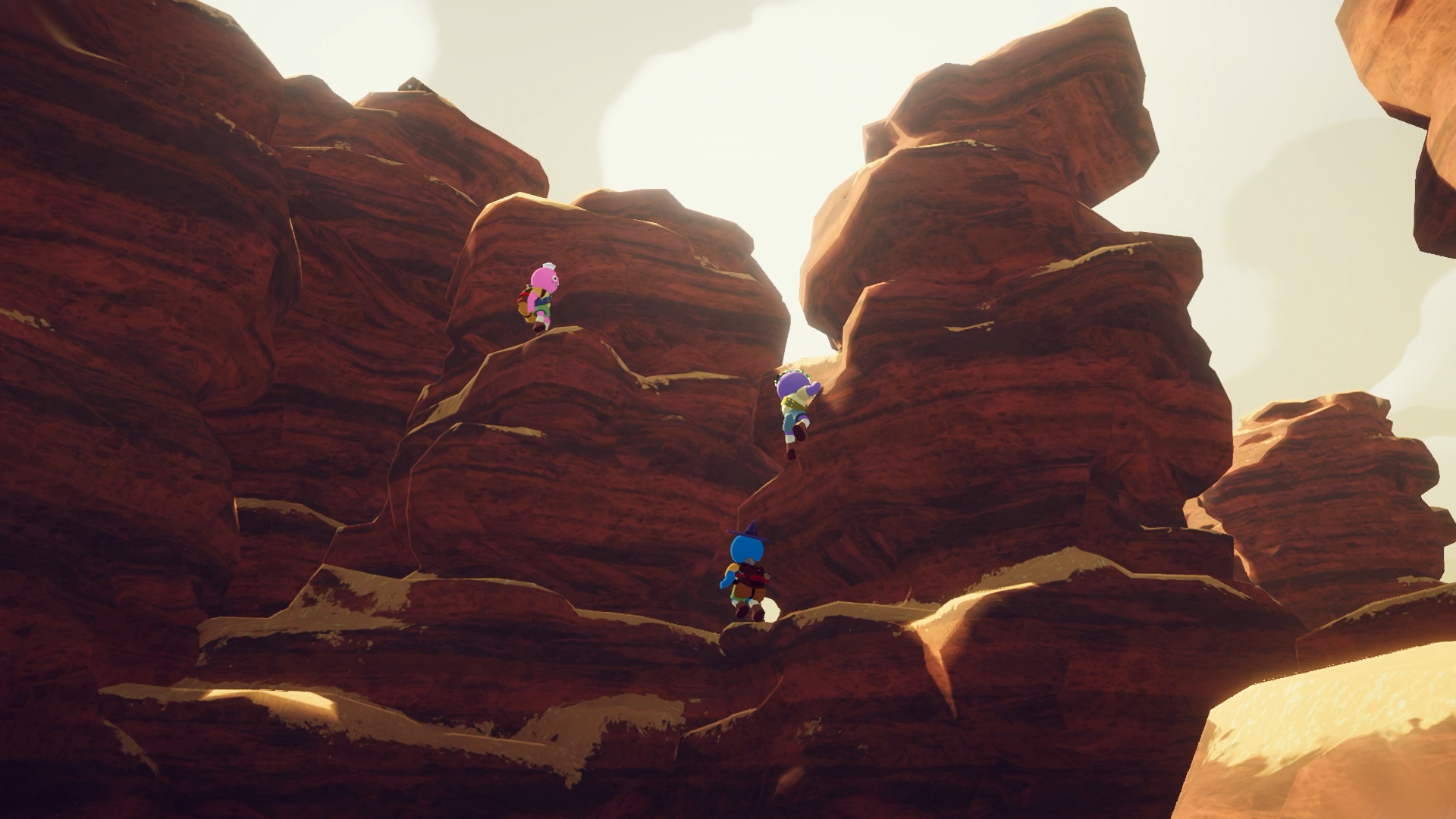
Since Breath of the Wild, there has been an interest in video games with more realistic climbing mechanics, perhaps responding to the desire of climbers to see the challenges they encounter on the wall reflected in the games they play. Games such as PEAK, born from the collaboration between indie studios Aggro Crab and Landfall, which has sold over 10 million units to date, or White Knuckle, which combines the need to climb with the need to escape from a monster chasing you from below, have dominated conversations in the gaming world in recent months.
I decided to reach out to the developers of some of the upcoming climbing video games to try to understand the effort to create a game that simulates, or is inspired by, this particular sport.
Climbing, Translated
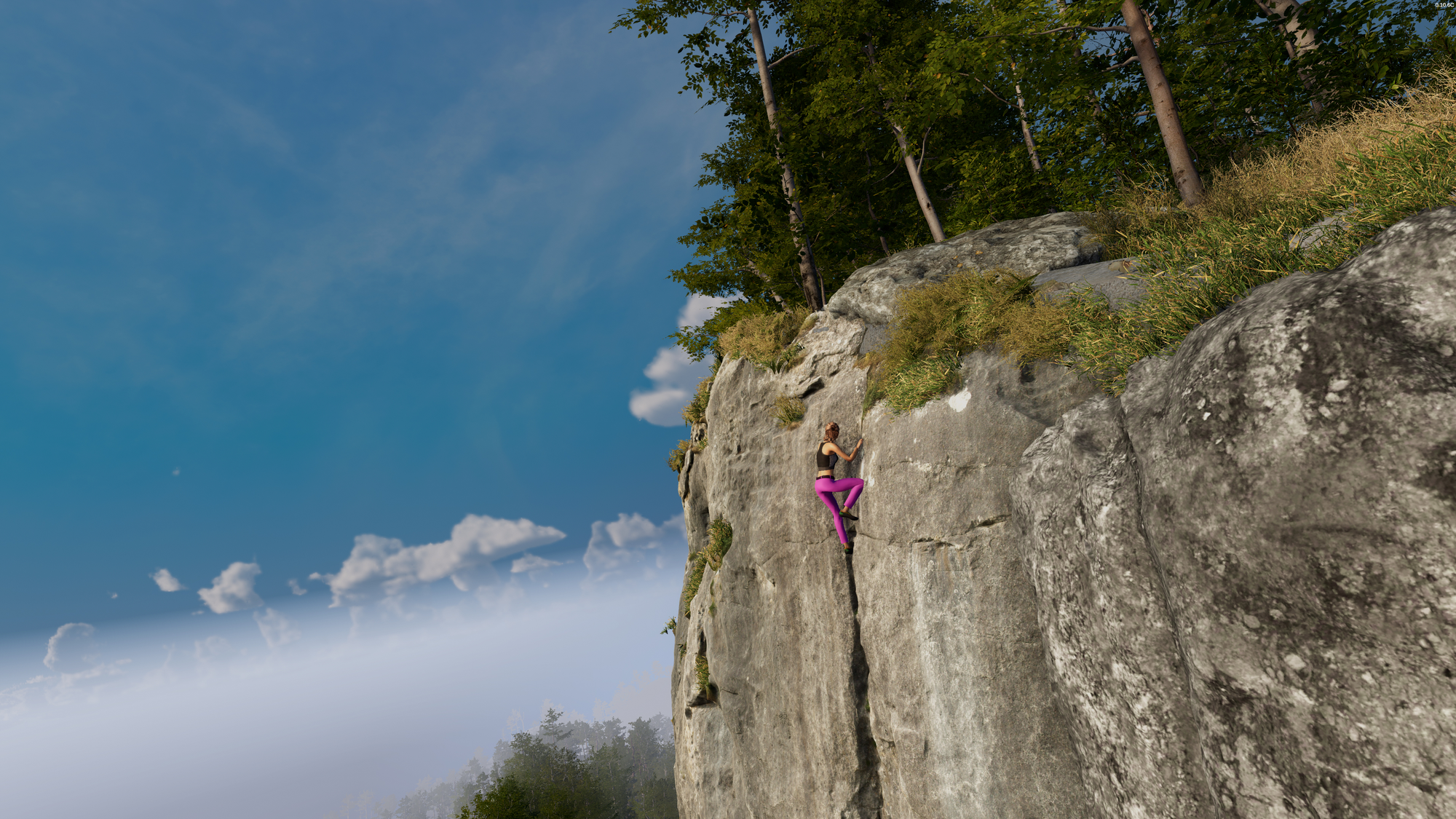
New Heights, by Wikkl, took on the challenge in 2023 of portraying the mechanics of climbing a real wall as realistically as possible. I spoke via Zoom with the studio's co-founder, Guido Boogaard, to ask him about his vision for this new trend and whether it is possible to translate a sport into code.
SUPERJUMP
Where did the interest in making a realistic climbing video game come from?
Guido Boogaard
Can you guess?
SUPERJUMP
I guess you climb.
Guido Boogaard
[Laughs] Yes, I climb. But seriously, it started as just a sketch, because there was nothing before. Now there are more [games about climbing], but in the past, all the climbing was automatic. If you think Breath of the Wild, it's quite enjoyable, but it's all automatic.
Which is a shame, because climbing itself is a puzzle game. I mean, climbing in real life is a puzzle game; it's a very video game-like sport. I do other sports, and climbing is one of the most similar to a video game.
So I thought, why hasn't this puzzle been translated into a computer game? And then there's the audience issue. Climbers are generally millennials and young people, so they are more likely to play video games.
But then I realized that making a game is incredibly difficult; I'm literally still working on the climbing system.
SUPERJUMP
Thinking about what you said about the audience, why do you think climbing has become so popular in that sector?
Guido Boogaard
There's the puzzle aspect, but I also think it's popular because you can do it with your friends, and it's not... Well, it is competitive, but in a different way.
It's also not a team sport, like soccer or hockey, where you have to be much more committed. And maybe people are more interested in nature than before, because of all the electronic, almost dystopian, stupidity we're getting into. So maybe it helps with that. It helps me, at least.
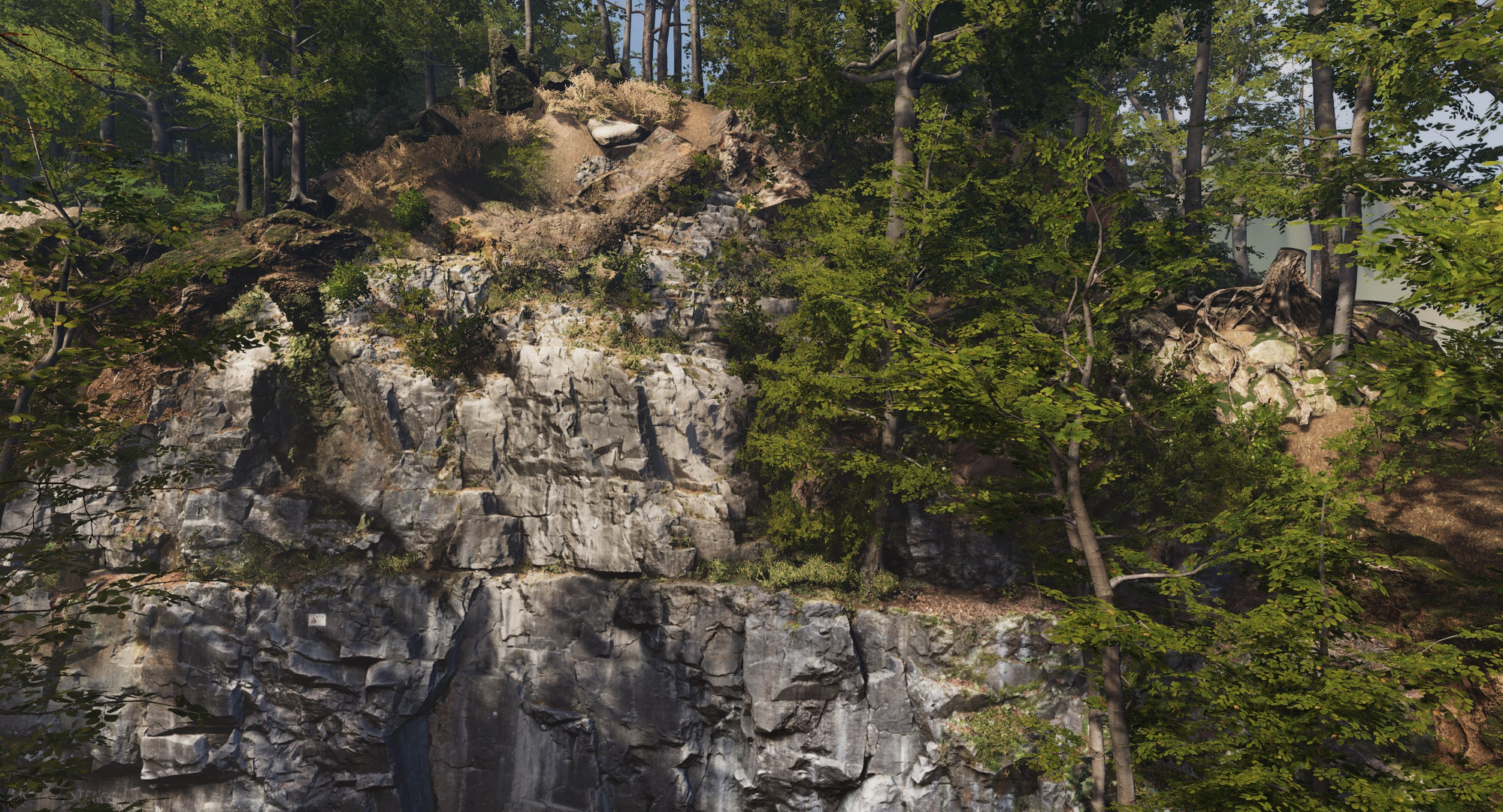
I like being in nature, which completely contradicts the fact that I'm making a climbing video game. But I want to translate this interest into my other interest, which is computer games.
SUPERJUMP
Looking at the game, it's very easy to imagine myself doing all the different movements, applying all the different pressures. How did you manage to translate the feeling of climbing in real life into a video game?
Guido Boogaard
It's very complicated. First, in real life, you have a lot of control. Just standing up and walking is incredibly difficult for a human, which is why children learn it when they are already one year old. So [in the game] we have to make it a little easier than in real life.
So the character will do their best to get into the position you want them to be in. That's the first thing. The second thing is to calculate whether you can actually do that, whether you are in a position that allows for this movement. So if you're above a hold, you can push; if you're below one, you can pull. It's pure vector math. An incredible amount of vector math.
We calculate everything we can, and it's going to look a little rough at times, because if you look at climbing in real life, it's a little rough.
Total Freedom
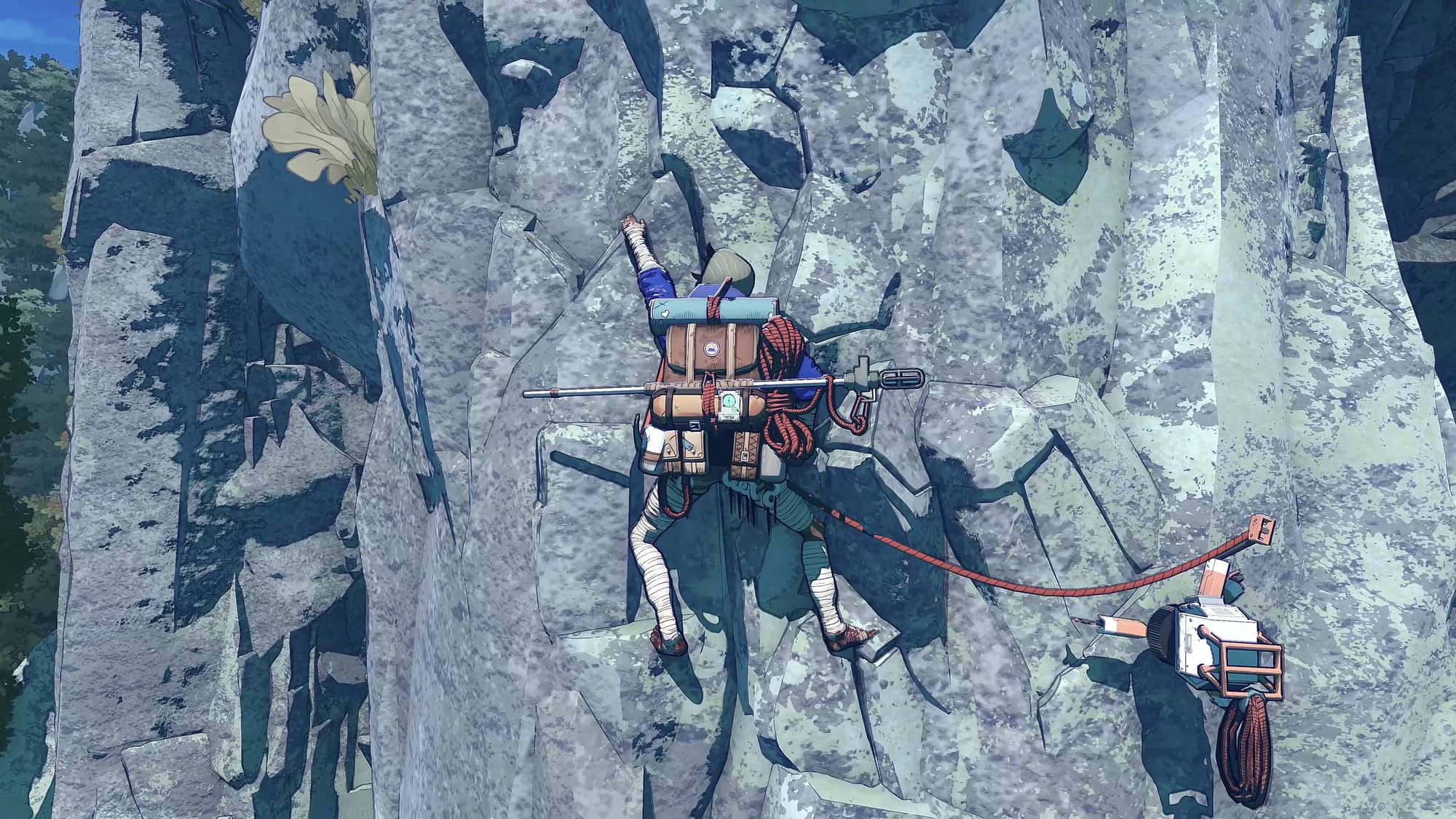
Cairn, from The Game Bakers, was one of the most anticipated video games of 2025, before it got delayed to January 2026. It combines realistic climbing simulation, survival elements, and an intimate narrative. Its Marketing Manager, Lauranne Caudaro, and the game's Creative Director, Emeric Thoa, kindly wrote to me in response to a few questions I asked them.
SUPERJUMP
What were the inspirations for combining climbing with survival?
Emeric Thoa
Cairn is the last entry in what we call our freedom trilogy. In Furi, you fight to "live free," and in Haven, you fight to be "free to love whoever you want."
This latest entry concludes the trilogy with a powerful theme: overcoming your limits and achieving total freedom. That's what alpinism is in real life, too. Why do people climb mountains? What makes them feel the need to risk their lives to reach the summit?
It's always been fascinating to me, and it makes a great video game pitch in my opinion. It's simple, but extremely concrete. You're at the bottom, and you see the goal.
The survival mechanics work along with the realistic climbing simulation to immerse you into the ascent. You need resources for the ascent (climbing gear, but also food and water). But it’s not a 100% “collect and craft” survival game; survival supports the main mechanics, which are climbing and planning your route.
SUPERJUMP
The game has a mix of stylized graphics and realistic mechanics. What was the process for deciding the game's level of realism?
Emeric Thoa
Stylized art directions are a part of our studio’s DNA. It helps our games stand out from other games, but it also means the graphic style never gets old. That’s why we asked comic book artist Mathieu Bablet to join the team and work on Cairn.
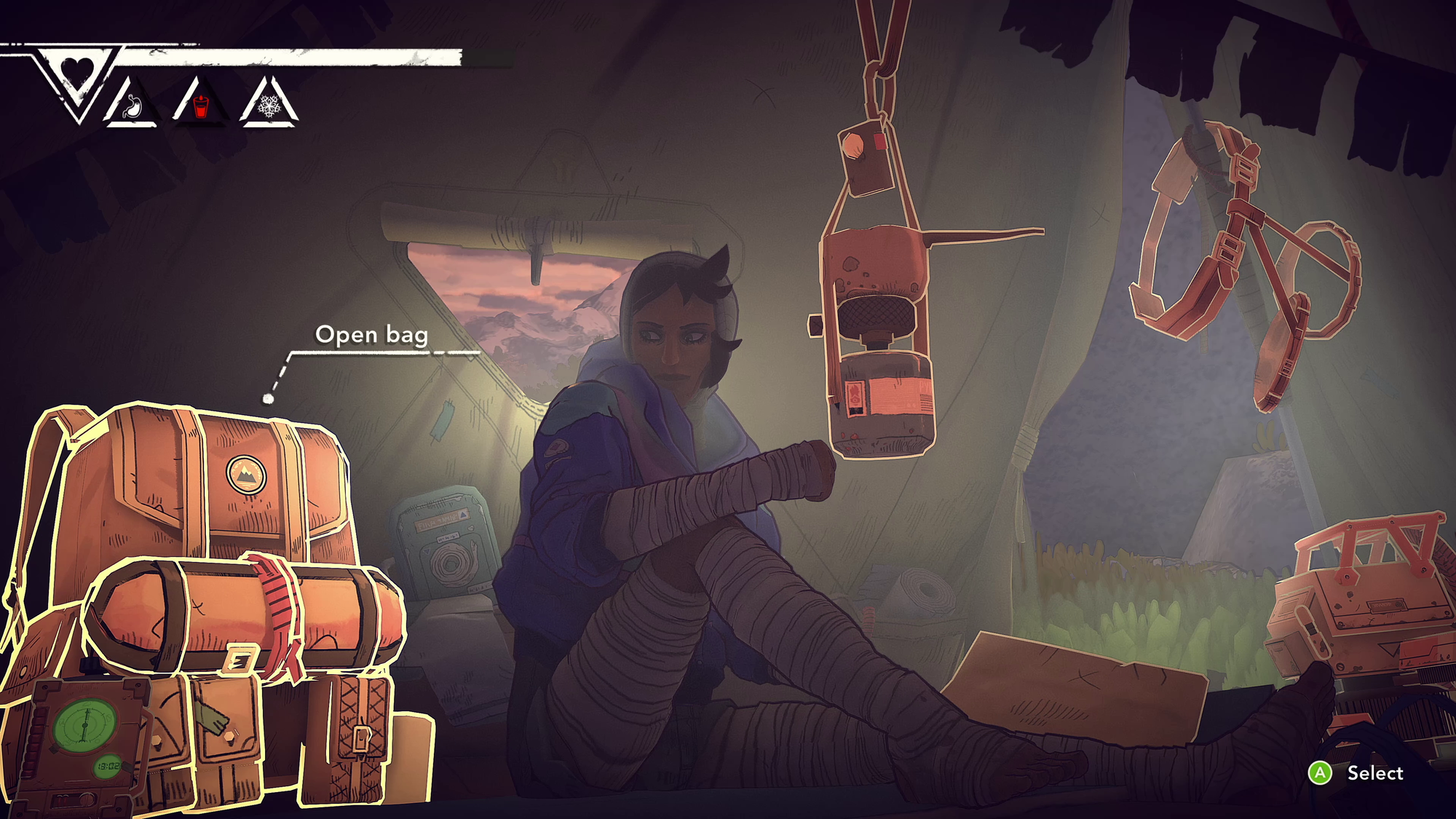
The stylized art direction drives home the fact that Cairn is a realistic simulation, set in a fantasy world. It reinforces the idea that Cairn (like all our games) is a journey into a different world.
SUPERJUMP
I was wondering if anyone on your team does outdoor or indoor bouldering, or if the realism of the climbing is achieved only by studying.
Emeric Thoa
The whole team has tried climbing. We went to a workshop in Chamonix, in the French Alps. There, we did rock climbing on the cliffs, learned climbing techniques, talked to mountain guides, and to Elizabeth Revol, who’s an alpinist who did several 8000m climbs. We also hiked, all the way up to 3840m high at Aiguille du Midi, face to face with the summit of Mont Blanc. It was a lot of fun and a lot of learning to apply in the game (and a good deal of sore muscles too!)
SUPERJUMP
Do you think that the proliferation of climbing games is happening naturally? Or is it following a trend (IRL or in video games)?
Lauranne Cauduro
Climbing is definitely trending, and going back to what Emeric was saying, climbing gives you a very clear goal; you see a summit, and you have to reach it. I think this translates extremely well in terms of gameplay, and games like Peak, Celeste, or Bread and Fred are great examples! But it’s still a very fresh idea, there’s not that many games really focusing on climbing, and definitely none that do it like Cairn, with a focus on realistic climbing and climbing at the core of the experience!
Far From the Summit
Another reason behind the success of these types of games is "kinaesthetic design." This game design technique allows developers to make the player mimic the actions of the characters on-screen, resulting in more immersion. It's not rare to finish an ascent in PEAK with sore hands, tired from holding the controller triggers in order not to fall, just like a climber has to hold a grip on the mountain wall.
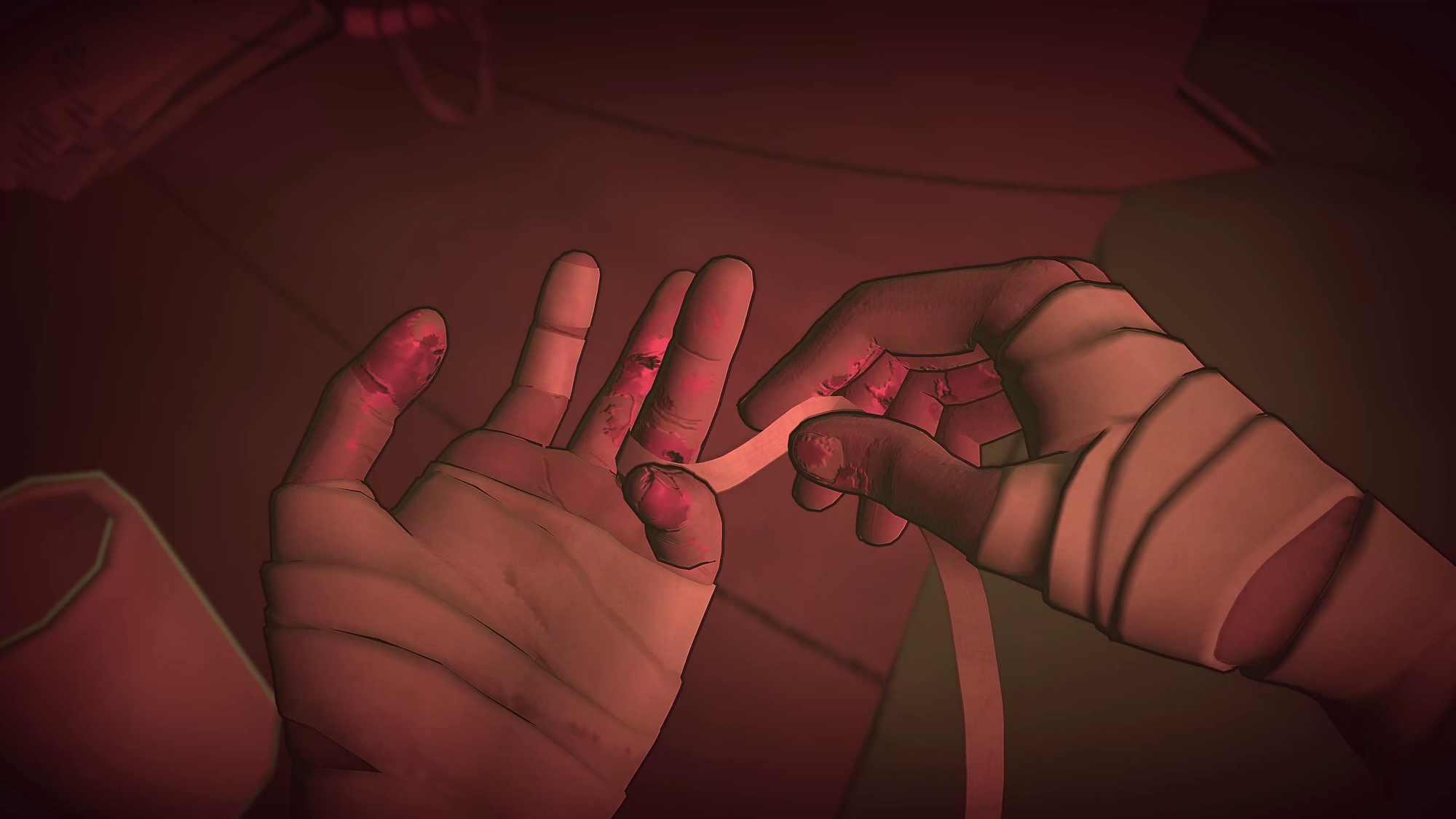
However, if the past years in the video game industry have taught us anything, it's that there's always room for reinvention and innovation. This emerging genre of climbing video games is far from having exhausted all its potential.
Developers seem to have found an activity that perfectly suits the sensibilities of a considerable niche of players, mixing challenge with personal rewards that go hand-in-hand with self-improvement beyond simply leveling up.