Hidden Gems of Game Design Vol 48
Unearthing Evolution of Ages: Settlements, Celeste Classic, and Belle's Quest



Plenty of amazing games go unnoticed and not widely played, for various reasons. Maybe it’s a diamond in the rough, or the marketing wasn’t there, or it could be a game ahead of its time. For this monthly series, I’ve asked my fellow writers at SUPERJUMP to pick a game they think is deserving of a chance in the spotlight. Please share your favorite hidden gems in the comments.
Josh Bycer
Evolution of Ages: Settlements (2018)
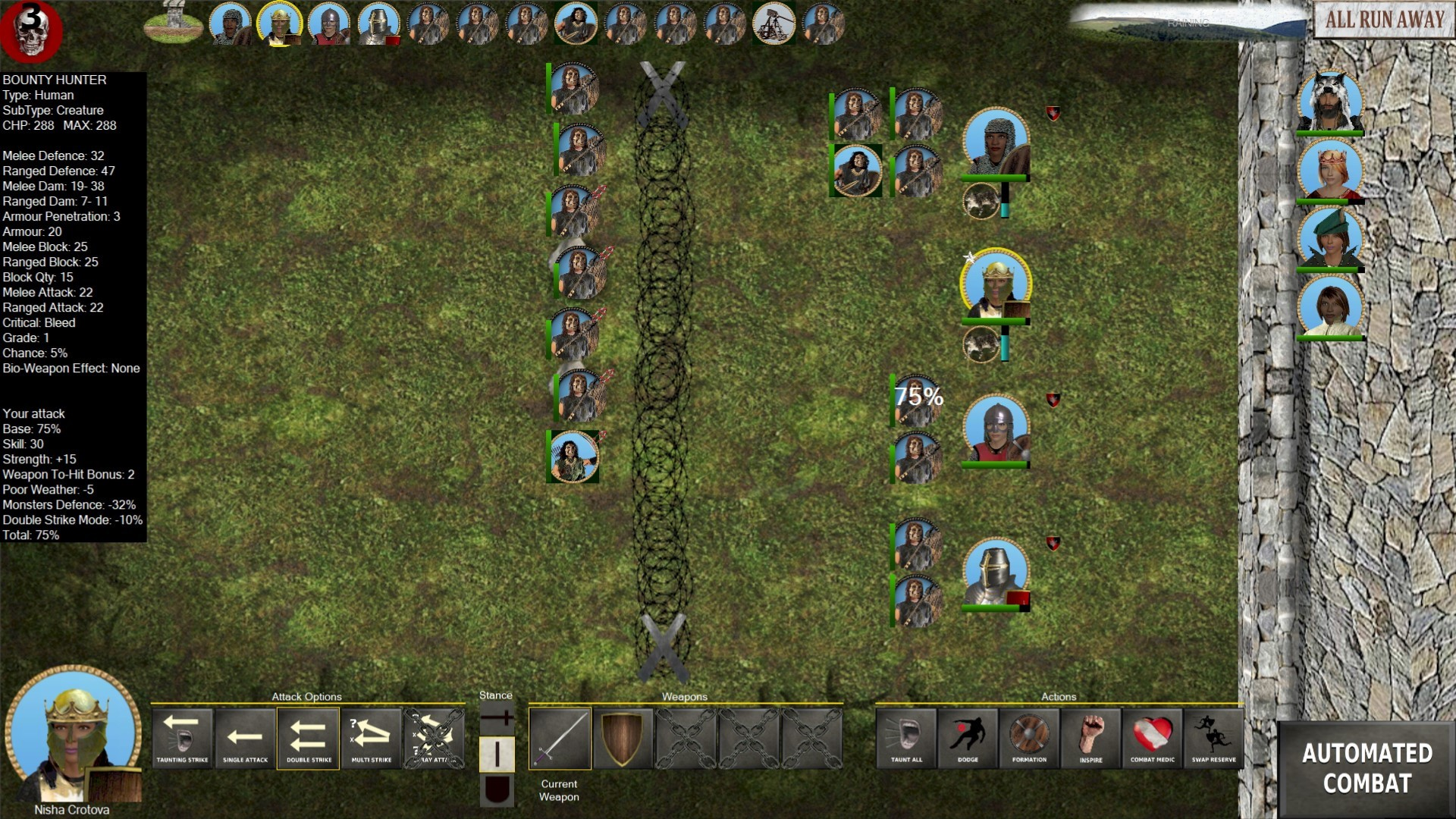
This month's pick is one of those titles that fits me perfectly. Settlements, in a way, is what happens if you take a city builder and treat it like an RPG.
You belong to a prehistoric tribe in a world ruled by monsters and an evil force known as the Blight. After years, you’ve finally found a spot of land that is safe to settle, and you begin constructing a town that will one day hopefully stand the test of time.
At the start, you have limited plots of land on which to build homes, with both crafters and resource gatherers to get the job done. Each person and their stats is randomly generated, and by performing jobs, they will unlock and upgrade the associated skills. Your early play revolves around unlocking as many things as possible and creating tools that assist with gathering and production.
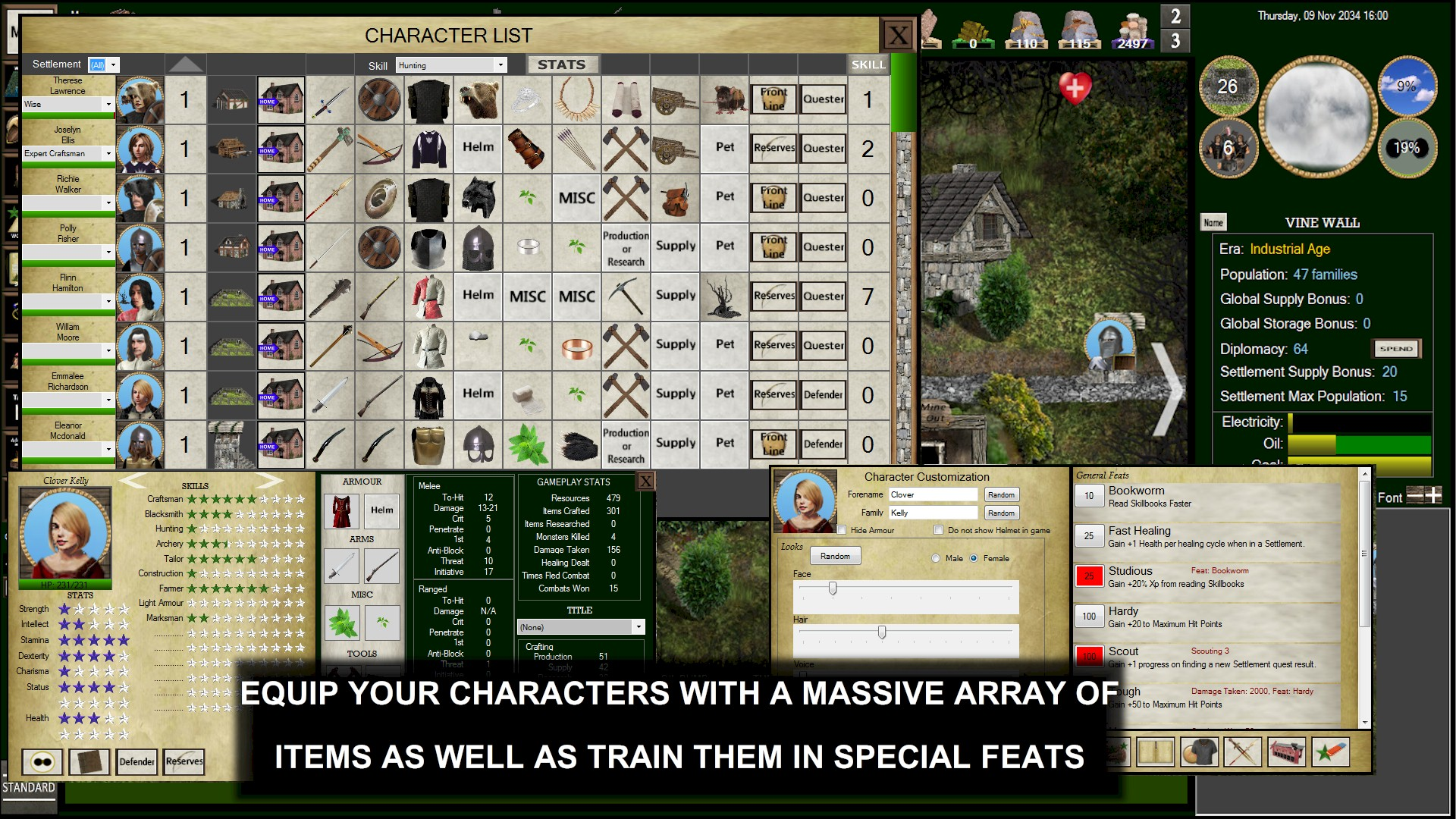
Once you have things set up, it’s time to build weapons and equipment to send your best characters out into the world. By scouting, you can find resources and quests, and more importantly, new land to settle. When you run into enemies or they invade your town, you’ll need to defend in turn-based combat.
While people can live or die, it’s your settlements that define progression. You won’t be able to field all the constructors at the start due to limited space, and you’ll need to move characters around or delete buildings.
From there, the game continues to grow with special quests, finding and crafting rarer items, and the entire idea that you will age up and unlock new weapons, items, and nastier enemies to fight.
Settlements is a passion project through and through, but it has some major issues. The entire GUI is janky, to say the least, with the event box’s text so small it’s almost impossible to read. There are multiple screens featuring completely different GUIs, and the tutorial is just okay, explaining little beyond the initial steps. Specifically, they neglect the finer points of combat and how the different equipment types and skills work. This is important because unlocking new land plots will often require you to fight a boss.
There were plans to keep expanding the game, including a holdover image for world buildings, but the developer, unfortunately, had health issues and stopped work on the game. They have announced plans for a fully realized sequel, but there is nothing concrete about it at the time of writing
Ben Rowan
Celeste Classic (Pico-8)
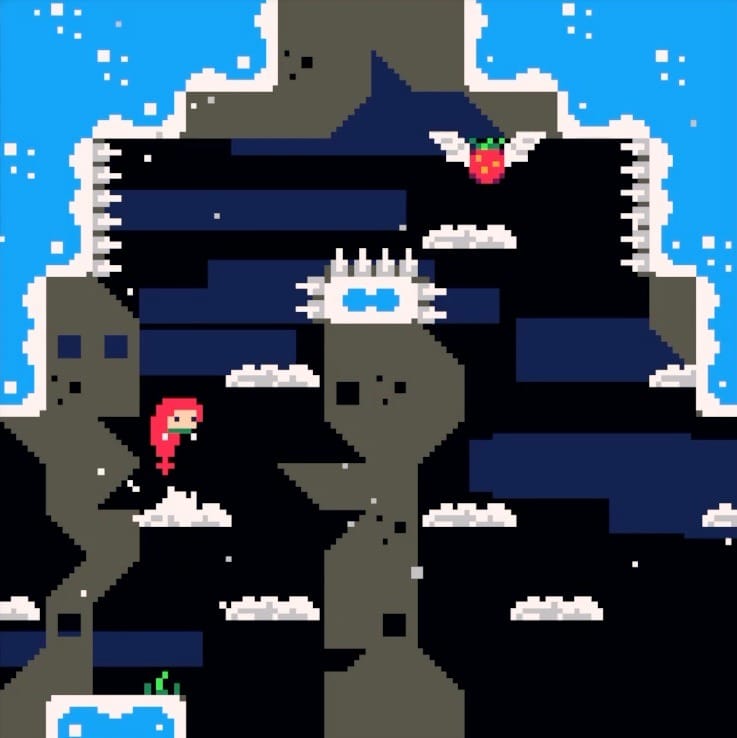
The funny thing about calling Celeste Classic a “hidden gem” is that it isn’t really hidden at all. It’s the tiny spark that eventually turned into one of the most famous indie platformers of all time. But the original still belongs here because it’s easy to miss: it’s small, free, and often forgotten, something you click once and mentally file away as just a prototype. But if you actually spend time with it, it’s still a very sharp little game with its own identity, and it gives a very good indication of just how legendary the full game would become.
After 2013’s TowerFall, Madeline “Maddy” Thorson and Noel Berry treated Lexaloffle Games’ PICO-8 like a creative pressure cooker, using its strict limits to strip an idea down to the essentials. They built Celeste Classic during a four-day sprint in 2015, and it shows in the best way: no grand framing, no extra padding, just a crisp little “hardcore platformer” that knows exactly what it wants to be. Berry even called out how close they came to maxing out the PICO-8's cartridge, which explains why the game feels so focused and tightly packed. It’s also a snapshot of a partnership that would soon become Extremely OK Games (EXOK), where this tiny experiment eventually grew into the full commercial release.
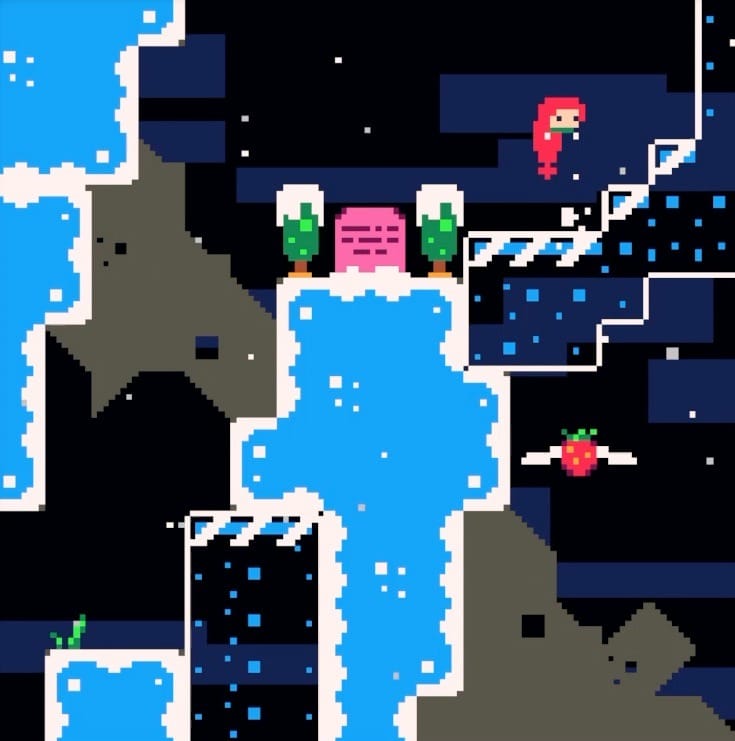
For anyone who’s played Celeste, the core concept is identical: you jump, climb, dash, die, and retry many times. It starts at a reasonable level of difficulty for a single-screen platformer, but quickly ramps up into something ridiculous and then borderline insane, aka ‘hardcore’. When it works, you feel very skilled. When it doesn’t, you usually know exactly why you failed, which is the difference between a hard game and an annoying one. The instant restart is the secret sauce here. You don’t trudge back to the action or pay a time tax. You’re just instantly back at the start, trying again with a cleaner plan.
Over the past couple of weeks, I’ve been dipping in for a few hours here and there, and it’s one of those tough games that is still welcoming because it feels so good to play. At some point, the difficulty curve becomes a ladder you’re climbing by the skin of your teeth. The late rooms feel cruel until you realise what they’re demanding isn’t superhuman reflexes, it’s just basic memory and patience. You learn them like songs; it’s basically rhythmic. This jump sets up that dash, this wall cling is bait, and that corner is only safe if you arrive at the right height. I still haven’t finished it, even though it’s possible to finish the entire game in under 3 minutes, without dying, if you’re freakishly talented.
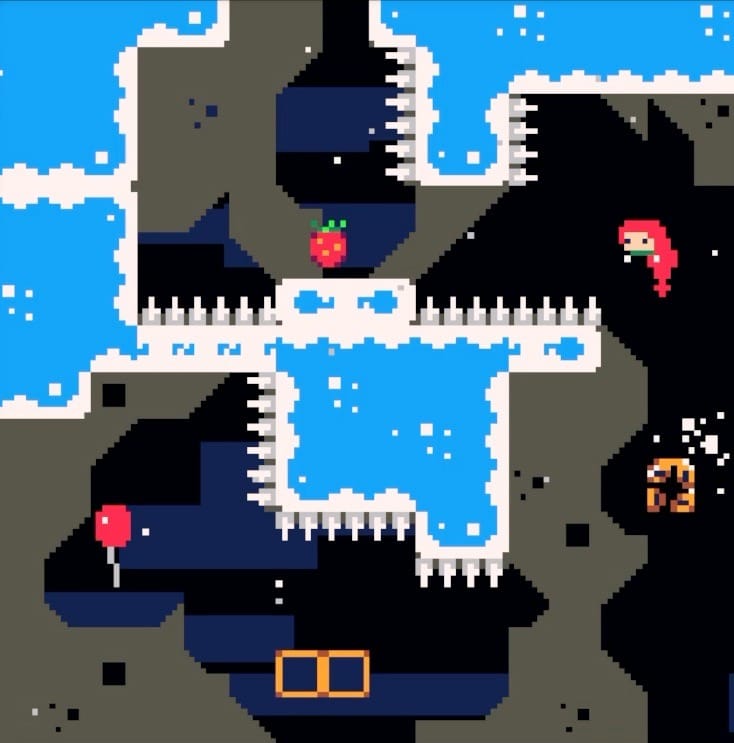
For a Hidden Gems pick, it’s unusually accessible; no hunting down old hardware or delisted storefronts. You can play it in your browser, right now, and here’s the link to do just that (controller highly recommended). Thanks to the open nature of the PICO-8 platform, there’s a huge variety of modded versions and even a sequel waiting to be explored. Unlike many games covered in these pages, Celeste Classic’s not really hidden at all. If you’re even slightly curious, it’s an easy recommendation: hit start and see how long it takes before you say “one more try” out loud.
Anonymous
Disney’s Beauty and the Beast: Belle's Quest (1993)
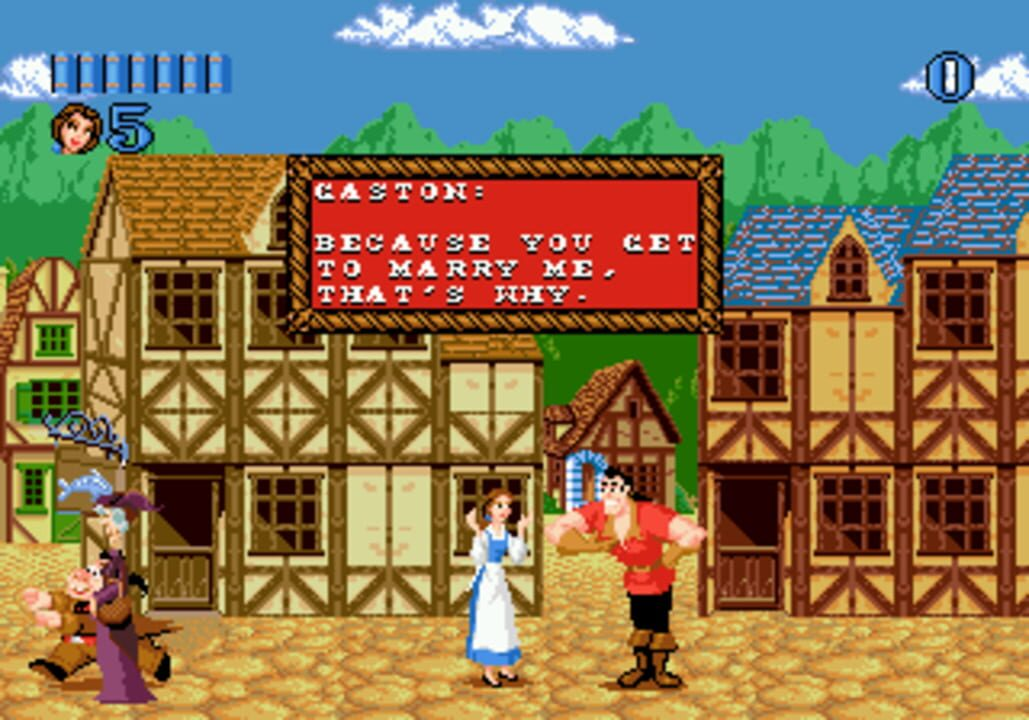
Mixtape, a coming-of-age adventure, came out weeks ago with a stylish 90s aesthetic and chapters tied to post-punk, new wave, and alternative rock hits. Discourse around it “playing itself” that overlooked its emotional payoffs reminded me of a Sega Genesis game from before “walking game simulator” comments were spammed under social posts, today’s equivalent of locker rooms.
This Beauty and the Beast tie-in video game’s hour-long length, curated soundtrack, and stunning art make for an interesting point of comparison, three decades later. Belle’s Quest takes you through the movie’s storyline, with recognizable character sprites and stages. All you do as Belle is talk to characters and jump/crouch to avoid obstacles or pick up items.
Disney also developed Roar of the Beast, a tie-in from the Beast’s perspective with a bit of combat for the violently inclined. The games’ lengths mean they’d have been better off combined, switching between protagonists across stages.
My favorites were the ballroom minigame, where the duo collects petals as they dance, and the final horse segment, involving timed jumps as difficult as other Disney tie-ins like Aladdin (1993) and The Lion King (1994). That the game was supposedly designed for girls was a poor choice then, as it is now, making Belle’s inability to clear obstacles frustrating. Dodging rats and bats gets tedious, even if the game was shorter than the film. Belle’s Quest would have been better as a pure walking sim that spent its budget on what worked: its visuals and soundtrack.
Join the conversation
What do you think? Reply below to share your perspective.