Hidden Gems of Game Design Vol 52
Unearthing the Cursed series, Shadow and Ink, Wizorb, and Pooyan.


 +
+
Plenty of amazing games go unnoticed and are not widely played, for various reasons. Maybe it’s a diamond in the rough, or the marketing wasn’t there, or it could be a game ahead of its time. For this monthly series, I’ve asked my fellow writers at SUPERJUMP to pick a game they think is deserving of a chance in the spotlight. Please share your favorite hidden gems in the comments.
Josh Bycer
Cursed Series
A few months ago, I covered the indie horror game Tache Noire and really enjoyed it as a small developer trying an elevated take on the genre. For this month’s pick, we have another smaller developer who, over the course of years, released an amazing horror series: Cursed.
As a point of reference, the first game received a free remaster in 2026 that completely updated the experience with new content and art, and made the entire series completely free.
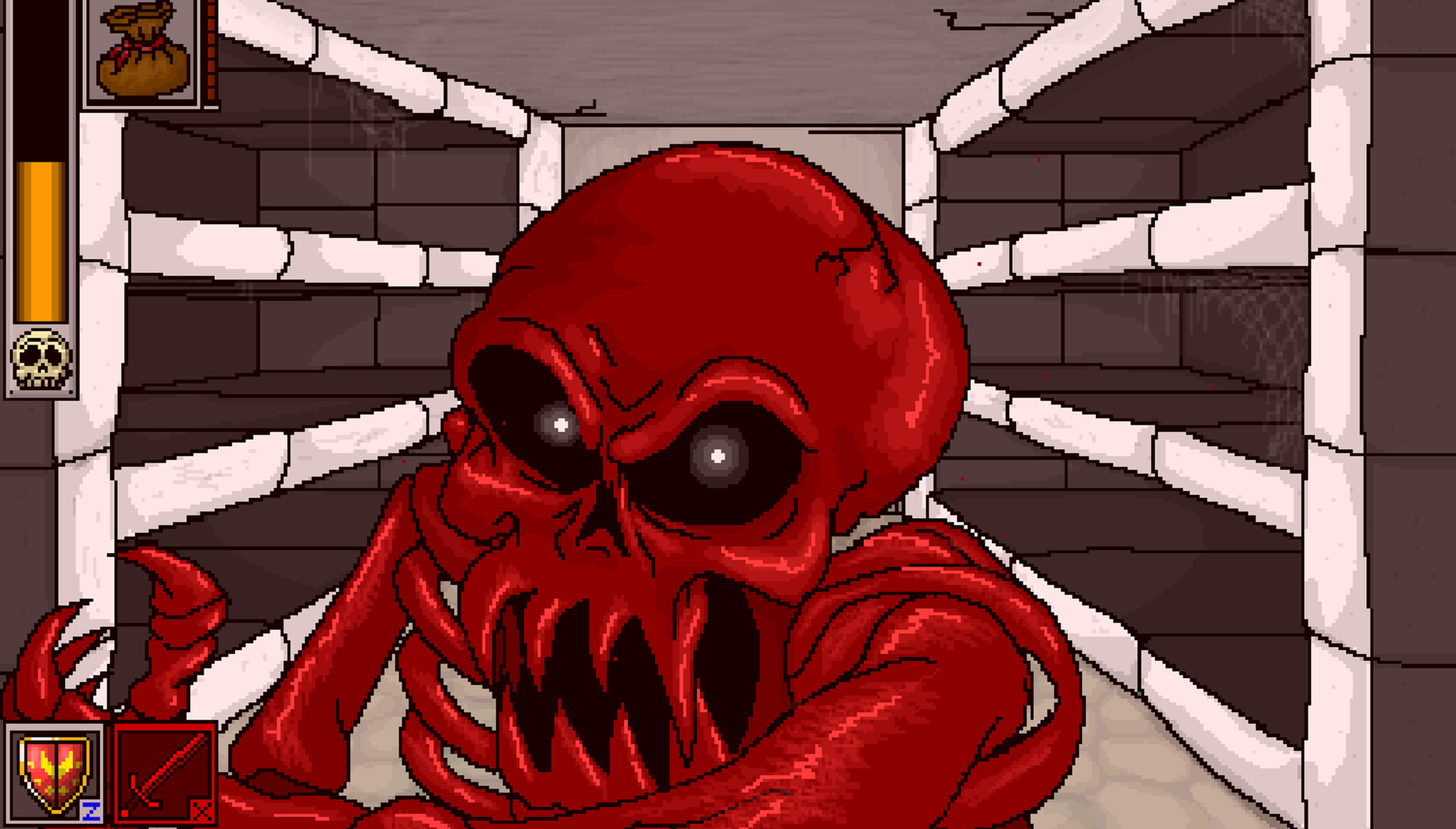
Our story starts with Cursed 1: a girl wanders into an abandoned mine the town believes is haunted, and it’s up to a researcher to go down with a sword and shield to find her. The first game, even with the update, is the most basic of the three and is more aligned with classic first-person adventure games with a touch of horror.
The overall game isn’t that long, but you will be spending a lot of time seeing the game over screen, as there are dozens of death traps and jump-scare kills that will get you; make sure to save regularly. Unlike adventure games, there are random encounters with enemies and a few boss fights as well. The first quality-of-life improvement is getting access to spells like healing, which make things easier.
The puzzles can be tricky, but nothing too brain-melting yet for the series. The update also adds more story and changes the final sections of the game to introduce more puzzles and fights.
Cursed 2 is when the series starts to branch out and become something special. Following the events of the first game, the town has gone to hell, with most people either dead or fleeing. You play the boyfriend of the missing girl from the first game as he returns to town to find her. With the sequel, the game becomes more focused on survival horror and even RPG design. Instead of the mines, the entire town is open, with points of interest to explore. You are free to go to any area, but part of the puzzle-solving is finding an item in area X that will solve something in area Y.
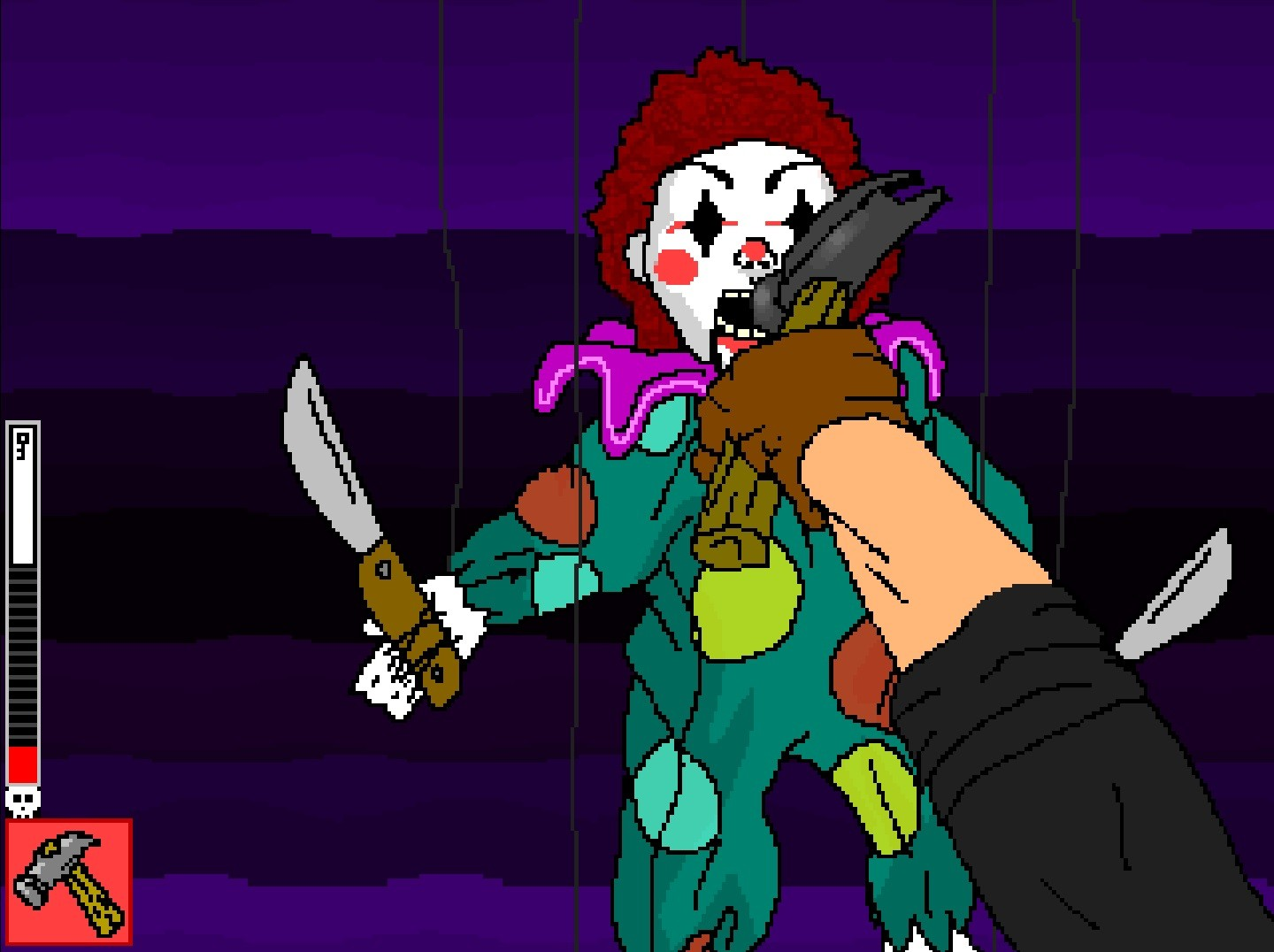
Combat becomes more involved with an actual upgrade system for your stats and multiple weapons. You are able to dodge and block enemy attacks, with combat strictly a 1-on-1 affair. Being able to upgrade your stats matters a lot, allowing you to do more damage or be safer with your attack animations.
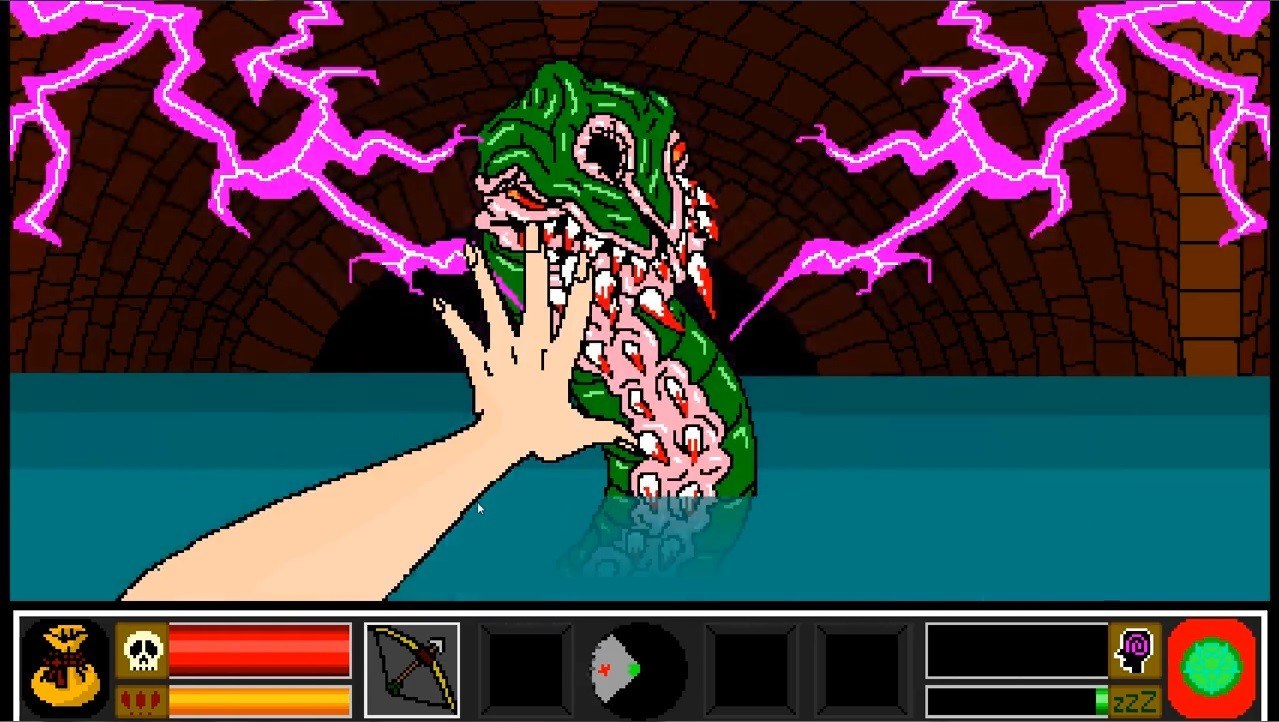
Cursed 3, the final game in the set, is the most interesting in terms of its design. While it’s still in the structure of a point-and-click adventure, the game is played entirely in real-time, where you can move around and turn in the environment. You now play as the girl who has been at the center of all the games; going to her grandparents’ abandoned home in order to find answers, she finds one more threat to her and the rest of humanity.
While the game takes place mostly on the estate, there is much more to the gameplay. A day/night cycle determines how easy it is to see, and monsters threaten at midnight. Unlike the previous games, enemies now spawn into the world and start tracking the player, but you are free to try and escape them by moving between screens.
Combat is both the most involved and frustrating at the start. Every weapon in the game has a mastery stat that affects damage and reload. Early on, you are painfully slow to attack anything. By using the same weapon enough to level up, this changes dramatically. By the end of my playthrough, I was attacking so quickly with the shotgun that it would make the Doomslayer look slow. You will need all that speed, too; multiple enemies can jump you all at once, and they get more aggressive as the story progresses.
The difficulty is quite polarized in Cursed 3. Without spoiling it, there are some essential items and resources you can get by the end of the first day that make combat and survival very easy. If you miss them, the game is exponentially more difficult and frustrating. Puzzles are on the difficult side, and the game introduces some unintentional grind into its final quarter that I wish wasn’t there.
But there is something special about Cursed 3 that I think more people need to try. Combining real-time combat and survival horror with a traditional point-and-click adventure interface is rather rare.
With the series entirely free to play, there is no excuse not to give it a try; just remember, get those saves ready to go.
Priya Sridhar
Shadow and Ink
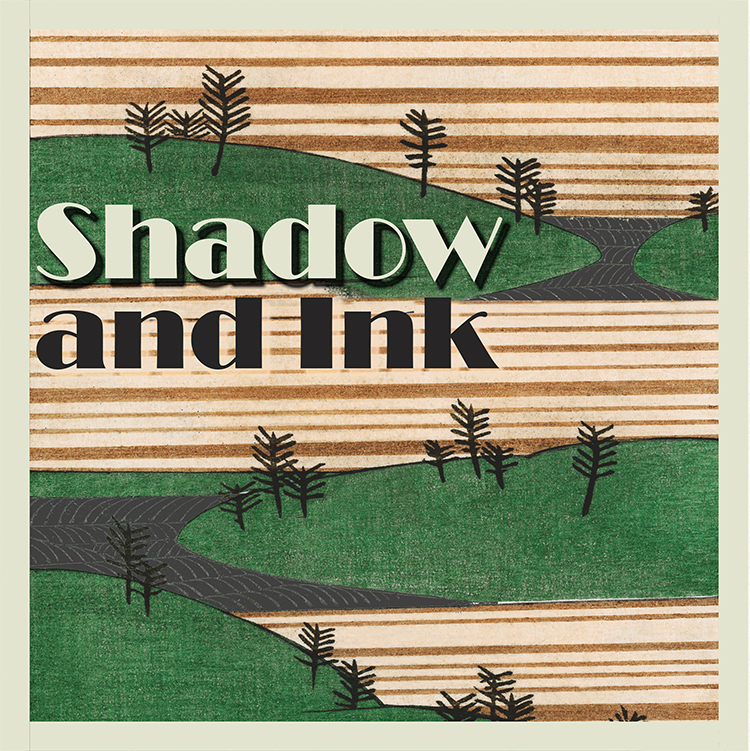
Full disclosure: my friend Stewart Baker asked me to try this one out since he co-created the game, and it is a complete text game.
In this world, books don’t exist in the traditional way. Some are made with pen and ink, while others come to life when you combine print books with objects you find on your journey.
As you journey to a strange valley, a talking willow asks for your help: they need a specific book. If you go on a quest to help Old Willow, you will travel to various locations to find objects and discover what happened. Why did ink start poisoning the books and the facts they provided, if not the tales they told?
I was a little concerned about one quest involving taking a ceremonial sword from an abandoned house; that sounded like the perfect combo to get cursed. However, this game is not a horror story; it’s a comforting fantasy. Each item we take only helps people in our quest rather than hindering them. And you can spot ninjas, apparently, if you backtrack in certain areas. The walkthrough explains how if you need it.
Ben Rowan
Wizorb (2012)
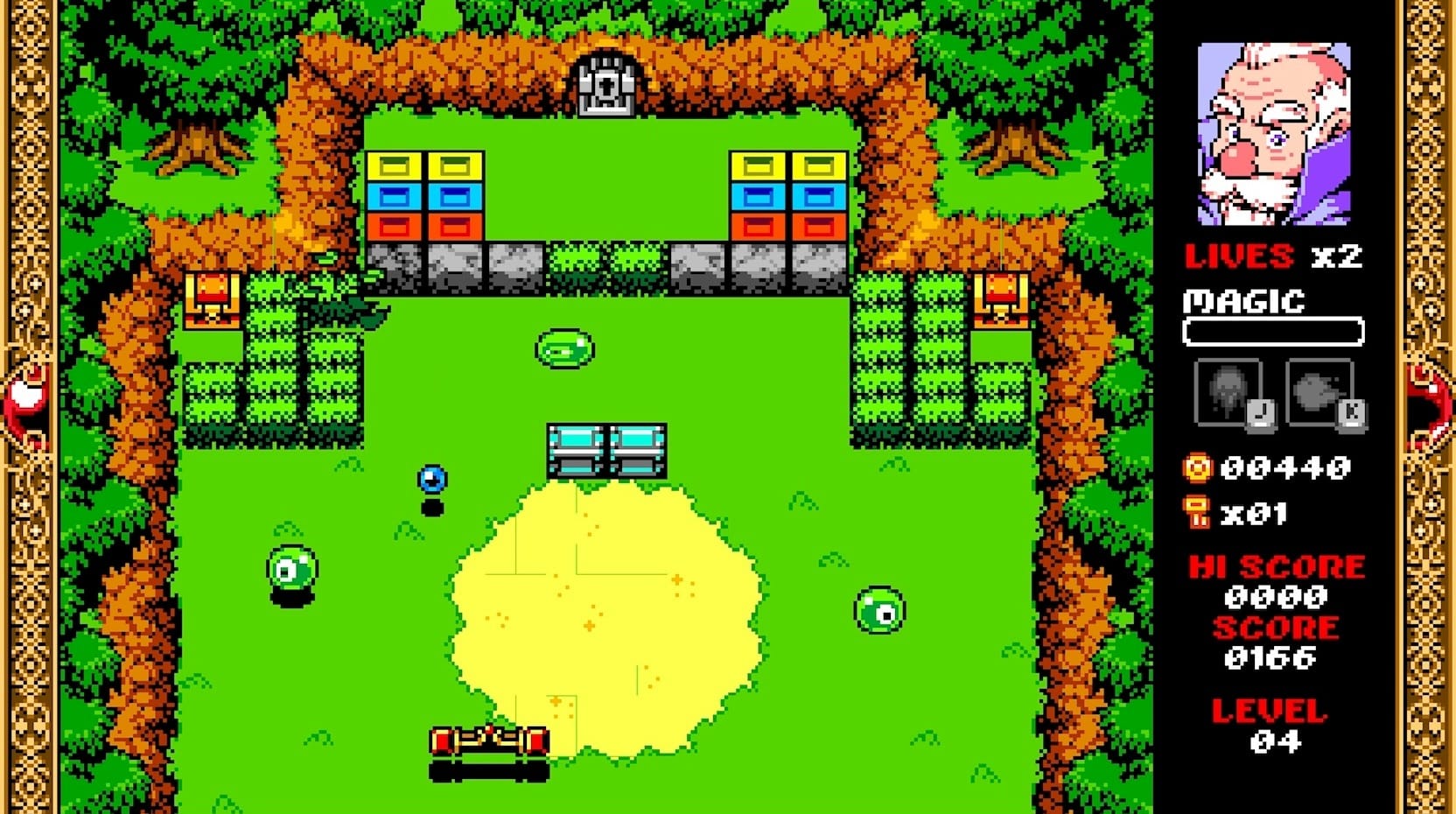
After losing countless hours to the grappling-hook-powered indie platformer, Flinthook, and the arcade nostalgia of TMNT: Shredder’s Revenge, I went searching for developer Tribute Games’ earlier roots and stumbled across Wizorb. Originally launched on Steam back in 2012, this retro-inspired hybrid immediately caught my eye with a unique elevator pitch: what if you took the classic block-breaking mechanics of Breakout or Arkanoid and fused them with a fantasy RPG?
You control Cyrus, a wizard who uses his magic wand as a paddle to bounce a mystic orb, shatter structures, and slay monsters threatening the Kingdom of Gorudo. Presented in vibrant 16-bit pixel art with a catchy chiptune soundtrack, Wizorb oozes charm: the core game spans more than 60 levels across five distinct worlds, capping each region with a multi-stage boss encounter.
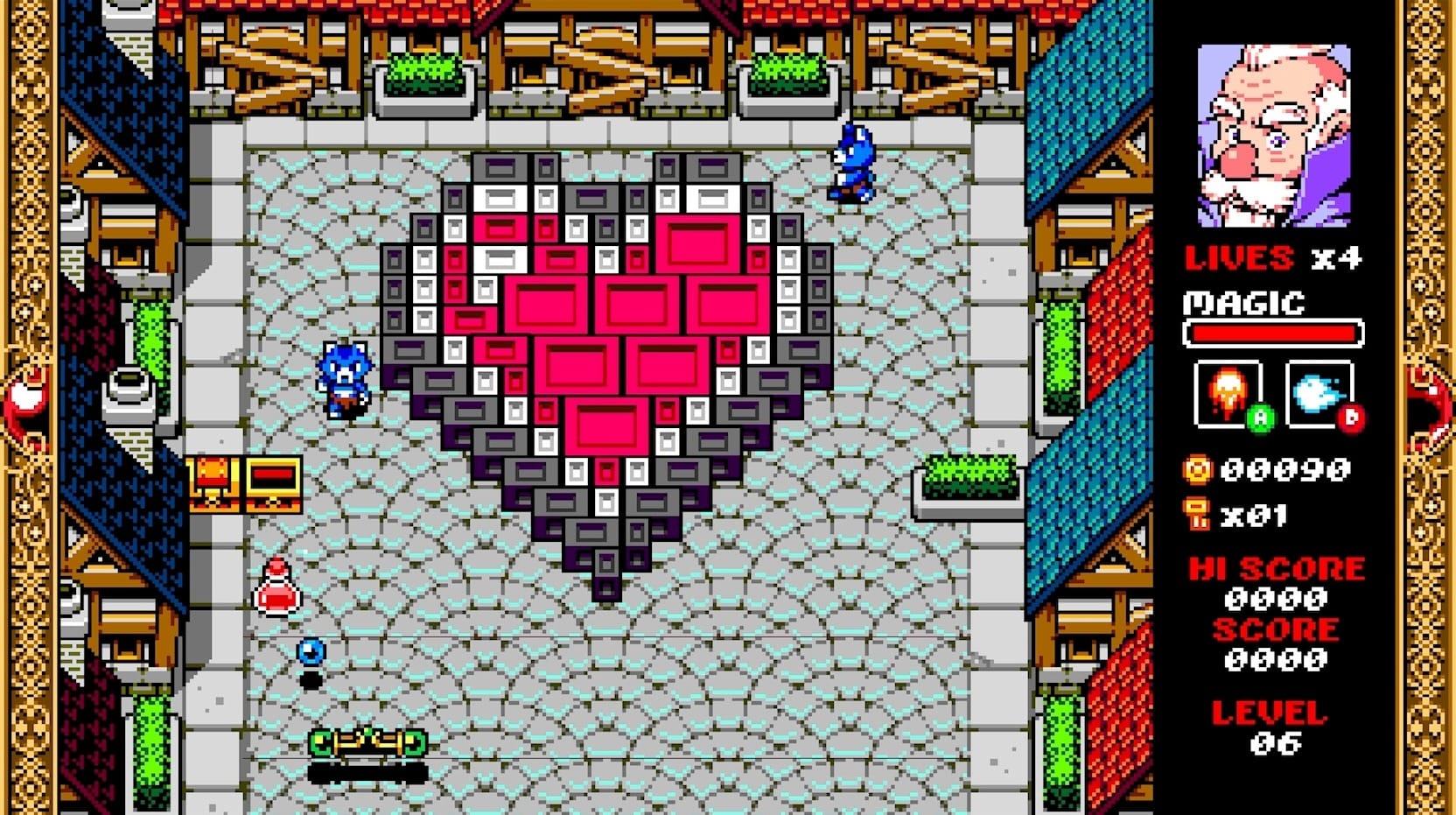
What really sets Wizorb apart from standard brick-breakers is its progression and magic resource system. Defeating foes and breaking blocks nets you gold and mana. Between combat stages, you invest that hard-earned gold in a ruined hub town, helping villagers rebuild their homes; this unlocks shops selling extra lives, potion upgrades, and combat charms. During action stages, spending mana lets you cast tactical spells like shooting fireballs to disintegrate troublesome blocks or summoning wind gusts to manipulate the orb’s direction mid-flight.
My early hours with the game were spent playing on a controller, and I’ll admit I found the game brutally difficult. The paddle moved at a fixed speed, leaving me constantly sweating. But about a dozen levels in, it suddenly clicked that mouse control was an option, and it was a literal game-changer. Unlike a thumbstick, mouse control lets you flick the paddle at full cursor speed, making you feel pretty much invincible. You’ll still let the occasional ball slip past on tricky stages, but mouse control makes the game vastly more responsive and is practically essential for the late-game gauntlets.
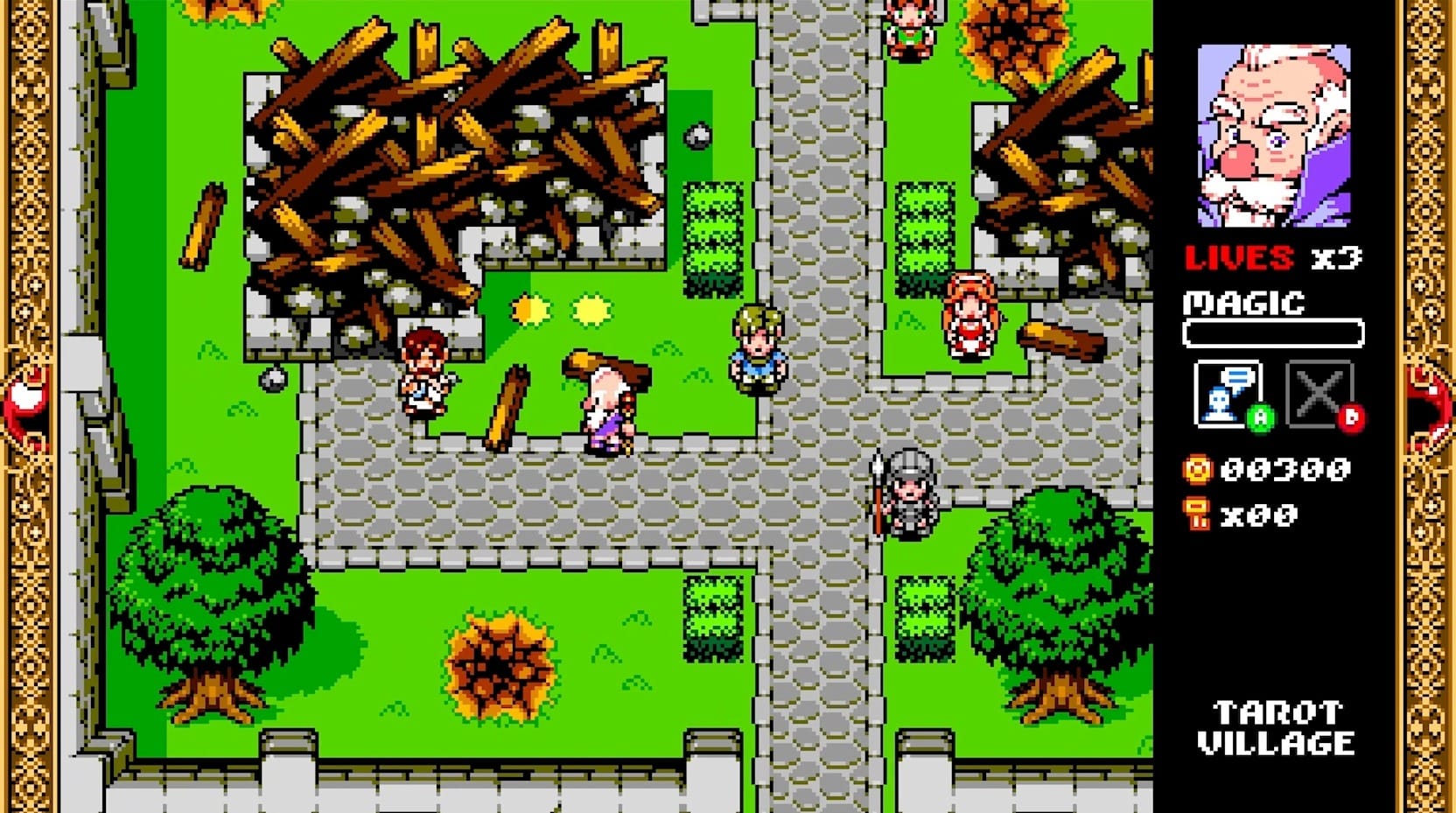
With its multiple endings, secret items, and clever twist on an arcade classic, Wizorb is a wonderful piece of Tribute Games' history. If you’re a fan of the developer looking to explore where they started, this is a charming little hidden gem to grab next time it goes on sale.
Terence A.
Pooyan (1982)
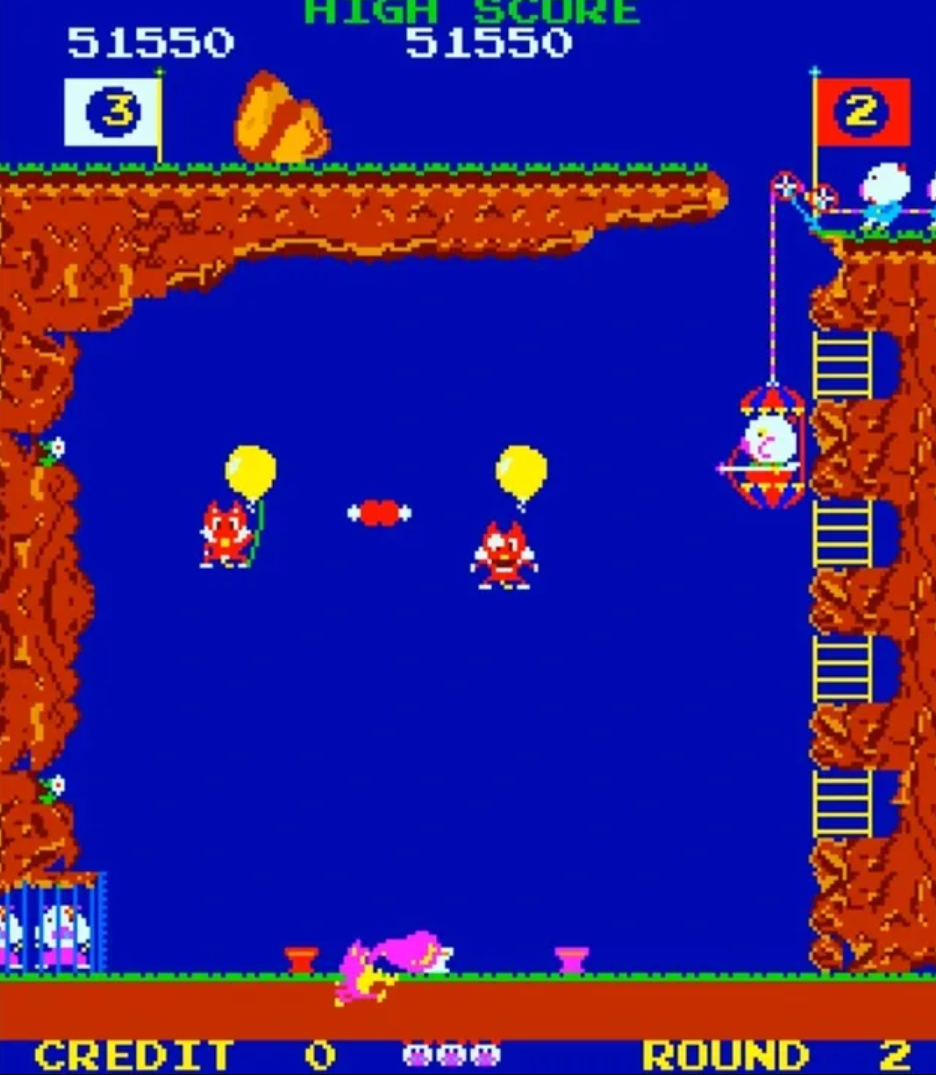
Arcade shooters dominated the gaming cabinets of the ‘80s. While Pooyan didn’t turn into a household name like Centipede or Galaga, it became a Konami classic with subtle twists on the genre’s mechanics and an adorable aesthetic. Its NES port made its way to the Game Boy Advance, where I tested my archery skills as Mama Pig against a band of cutesy wolves.
Tasked with suppressing an aerial assault by wolves using balloons to reach your village, you’re suspended in an elevator, moving up and down as you fire arrows at the wolves before they reach the ground. While landing precise shots is a challenge in itself, some balloons need multiple shots to pop, and the wolves throw rocks that can knock you off your elevator. An arrow with a hunk of meat spawns every so often, capable of making wolves let go of their balloons if you aim its arc just right.
Wolves that make it to the ground climb ladders behind Mama Pig’s elevator to trap her in their jaws. Survive, and you enter the second stage, which involves wolves floating toward a clifftop where a boulder is being prepped to be pushed on you. Exhaust the wolves’ numbers, and you get to rescue your children. A third bonus stage serves as a respite before the next attack, progressively adding wolves and decoy balloons as you inch toward a new high score. Pooyan’s chiptune music, unconventional controls, and colorful characters make it worth checking out.
Join the conversation
What do you think? Reply below to share your perspective.