Hyrule Warriors: Age of Imprisonment Takes Dynasty Warriors to New Battlefields
How The Legend of Zelda Expanded Dynasty Warriors

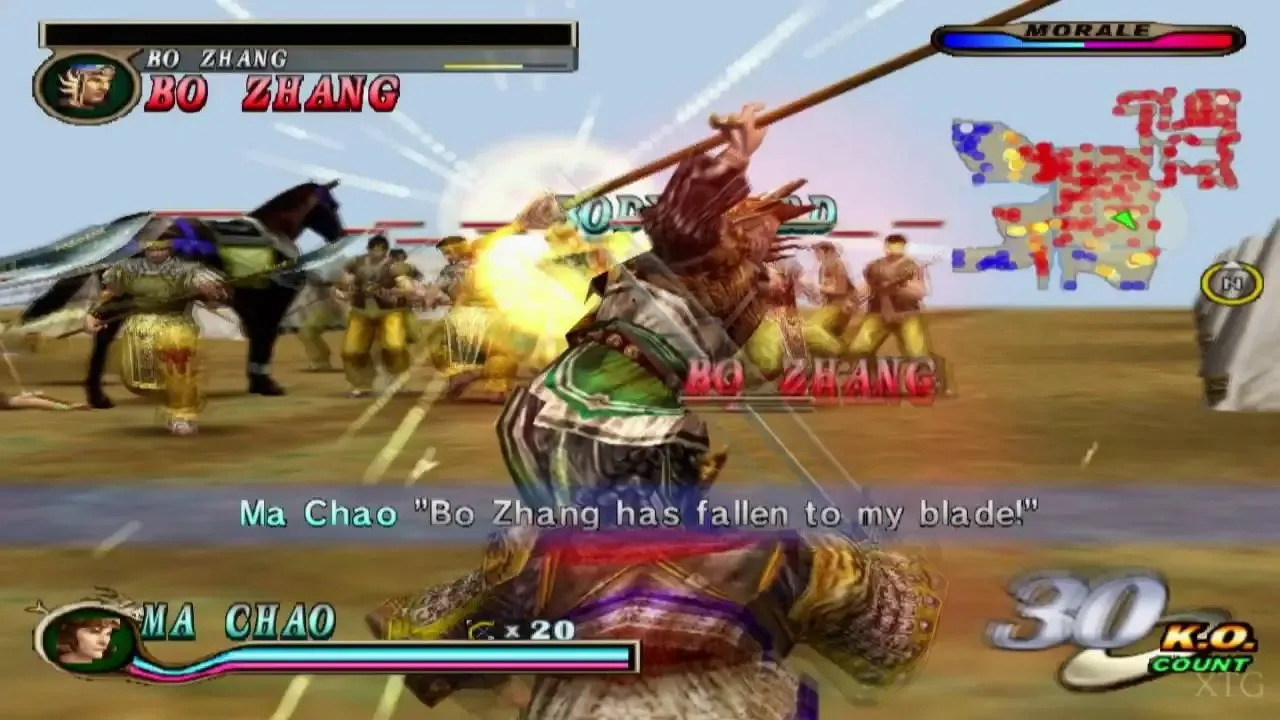
I remember the hype and previews leading up to the launch of the PlayStation 2 and its initial lineup of titles; each promised to change gaming in ways never seen before. Among these titles was Dynasty Warriors 2, a game that would take players right into the heart of the battlefield as they fought against hundreds upon hundreds of soldiers, all appearing on screen at once in real time.
When the game finally launched, it proved to be the technical showcase exactly as promised and advertised. The new gaming hardware was used to accomplish previously unthinkable design feats, all in full 3D. The only other precedent was SEGA Saturn's Dragon Force, which achieved a similar design feat, albeit in stunning and yet largely unappreciated 2D. When the PlayStation 2 launched, most gamers were still living with the assumption that better graphics created better gameplay experiences, but it didn't take long for the early library of Sony's second console to challenge those beliefs. Gamers had smartened up, and behind the glossy graphics, there really wasn't much gameplay substance; Dynasty Warriors 2 was definitely one of the sore points of the library for this reason.
On the surface, Dynasty Warriors 2 had it all: the next-gen graphics and presentation, a huge cast of characters, and a gameplay design that hadn't been done before. Players who picked up the game upon release all had more or less the same experience, with 20 minutes of sensory excitement and the thrill of mowing down many hundreds of enemy troops. For those 20 minutes, everyone felt like they were Tak Fuji at E3 2010.
But then, the game just got....
Boring.
No doubt the game was successful; it was followed by sequel after sequel after sequel, even branching out with side-series like Samurai Warriors, but the core gameplay loop remained the same, and the repetitive monotony of the combat was inevitable. Yet, there was a strong enough fanbase that enjoyed the meditative rhythm of mowing down wave after wave of foot soldiers, and each sequel did add new ideas and gameplay gimmicks, from horses to elephants, and more characters to expand the fighting styles. Yet the core foundation was still more or less what was set in Dynasty Warriors 2.
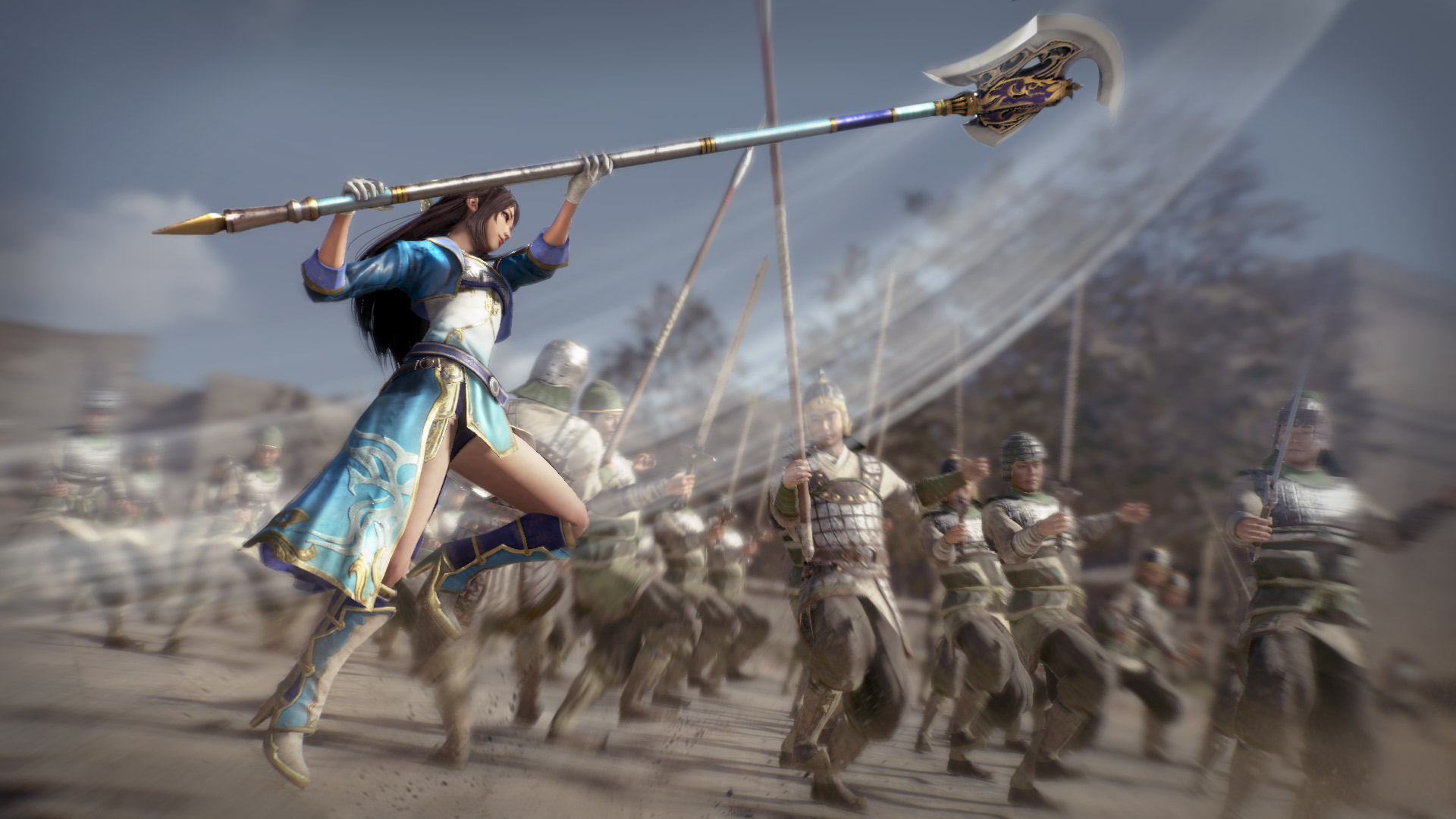
The series tried to expand its game design, and when the time came for the ninth instalment, there were good intentions to create the biggest and most ambitious title yet. It would feature a fully open world, real-time battles, quests, real-time strategy elements, and even pandas. The ambition and scope were there, but the final release proved to be a ballooned mess of unfinished ideas with game design that simply lacked purpose and direction. Even the core combat system got lost in the mess of it all, thus making Dynasty Warriors 9 the worst entry in the franchise and one of the worst games released that year. The game buckled under its own weight and almost killed the franchise, too. But while Dynasty Warriors struggled to find its magic, the actual Warriors branding fared better elsewhere.
While the initial blueprint was stale, there was potential to add layers of gameplay substance to it, and so Warriors benefited when other developers and publishers essentially adapted the signature trademark design with enough development freedom to make it their own. This level of collaborative trust may have been what rescued the Warriors IP despite disasters like Dynasty Warriors 9.
Among the most notable of these collaborative outputs were titles like Dynasty Warriors: Gundam and later One Piece: Pirate Warriors. The source material of these popular anime IPs not only gave the Warriors experience a fresh visual facelift but also new ideas in terms of characters, combat, and the game design setting. The experiences were also an easy sell to longtime anime fans, captivated by the stunning graphics and fun arcade-style gameplay. These collaborations even gave players a spin-off from major RPGs like Persona and Dragon Quest, each contributing its own RPG intricacies to the Warriors' gameplay loop.
As interesting and enjoyable as these spin-offs were, the real game-changer was when Nintendo got involved. The nearly-stale Warriors design was used to expand the universe of The Legend of Zelda, and later even Fire Emblem, but it all started with Hyrule Warriors. It did far more than just present a typical Warriors experience with a different coat of paint. In fact, it wasn't typical at all: it adapted the Warriors template into an experience worthy of the Nintendo branding, and became a notable entry in Nintendo's adventure canon.
Hyrule Warriors achieved two things: it gave players a new way to experience their favourite franchise, and it revitalised hack-and-slash gameplay by introducing layers of depth to combat and compelling variety in level design. You felt like you were in an epic battle set in Hyrule, with characters from the Zelda universe each providing new gameplay perspectives that otherwise would not have been part of the main series design. It proved to be among the best titles in the small library of the short-lived Wii U console, later warranting an enhanced Switch port before receiving a sequel titled Age of Calamity. A lesser-known port for the NEW 3DS was even commissioned, a rare highlight in one of Nintendo's few console missteps.
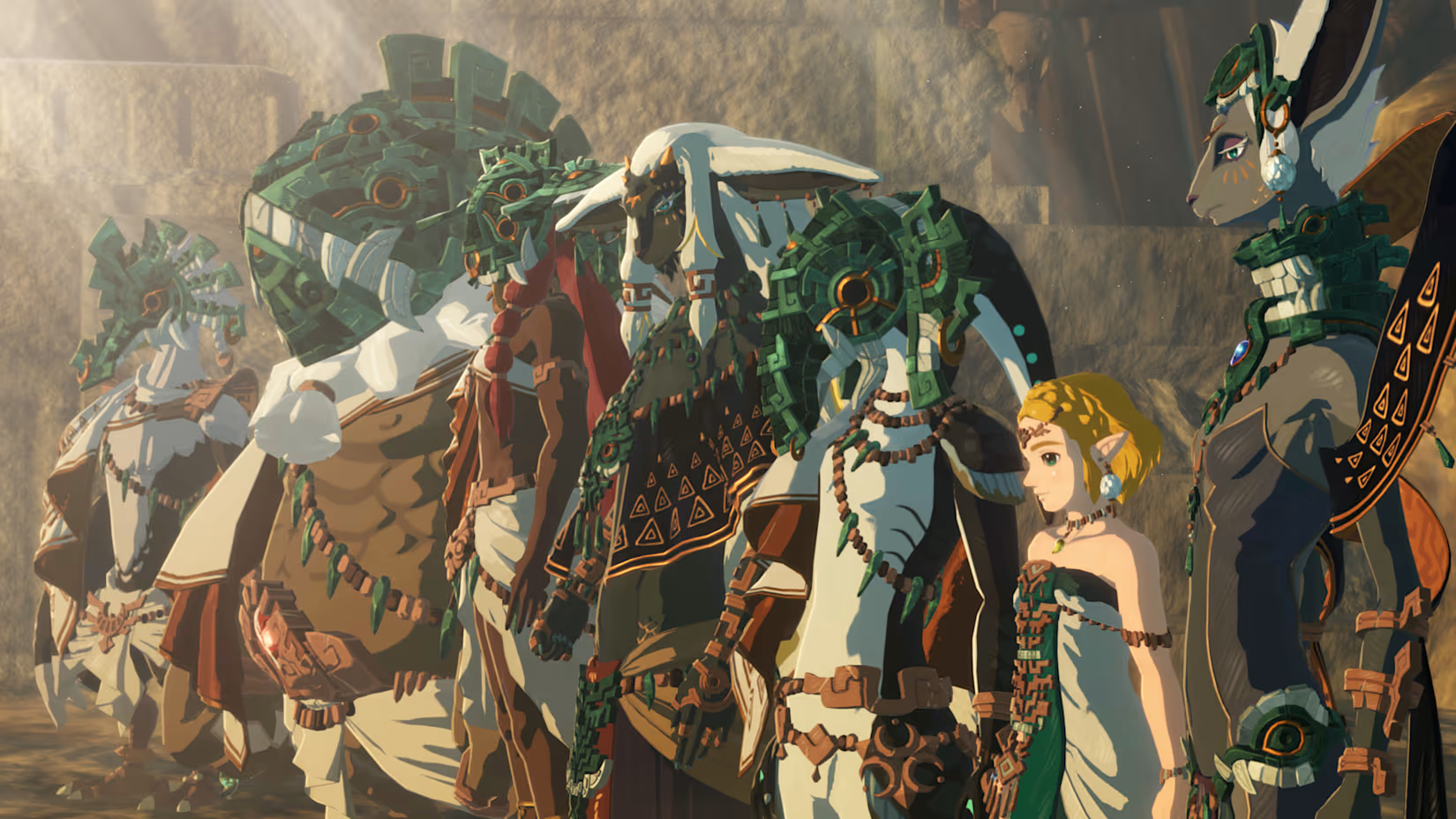
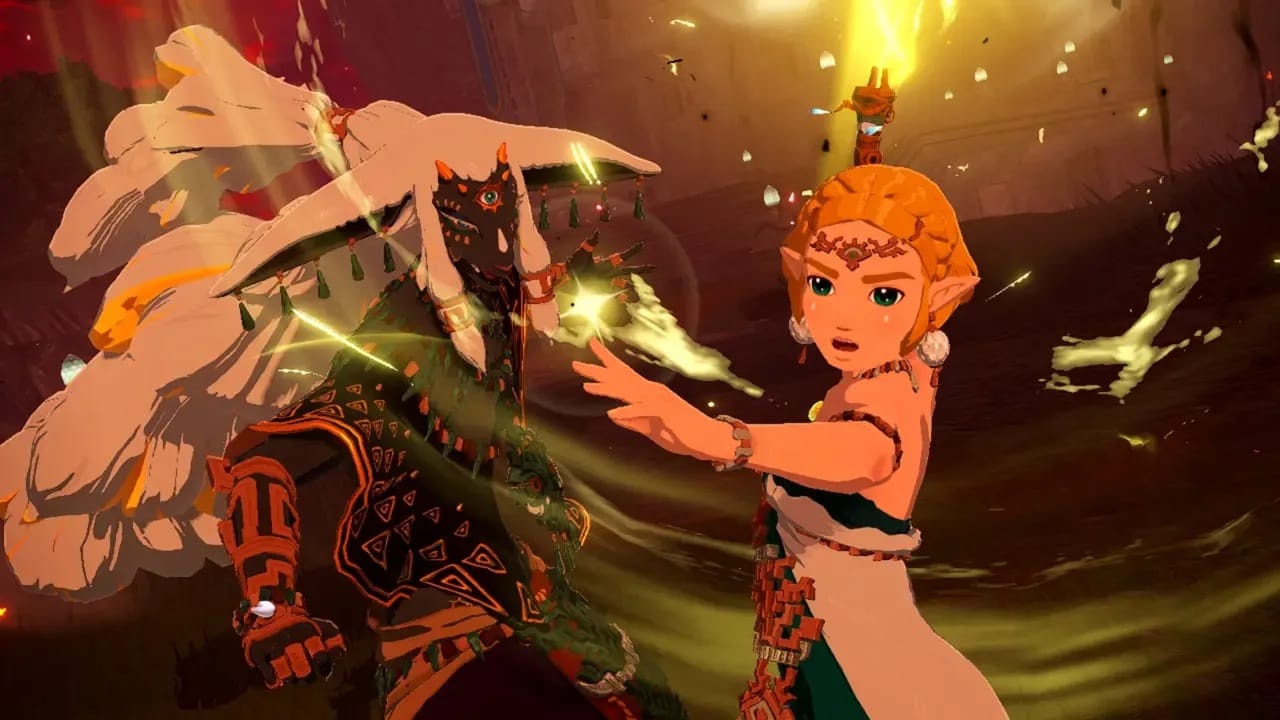
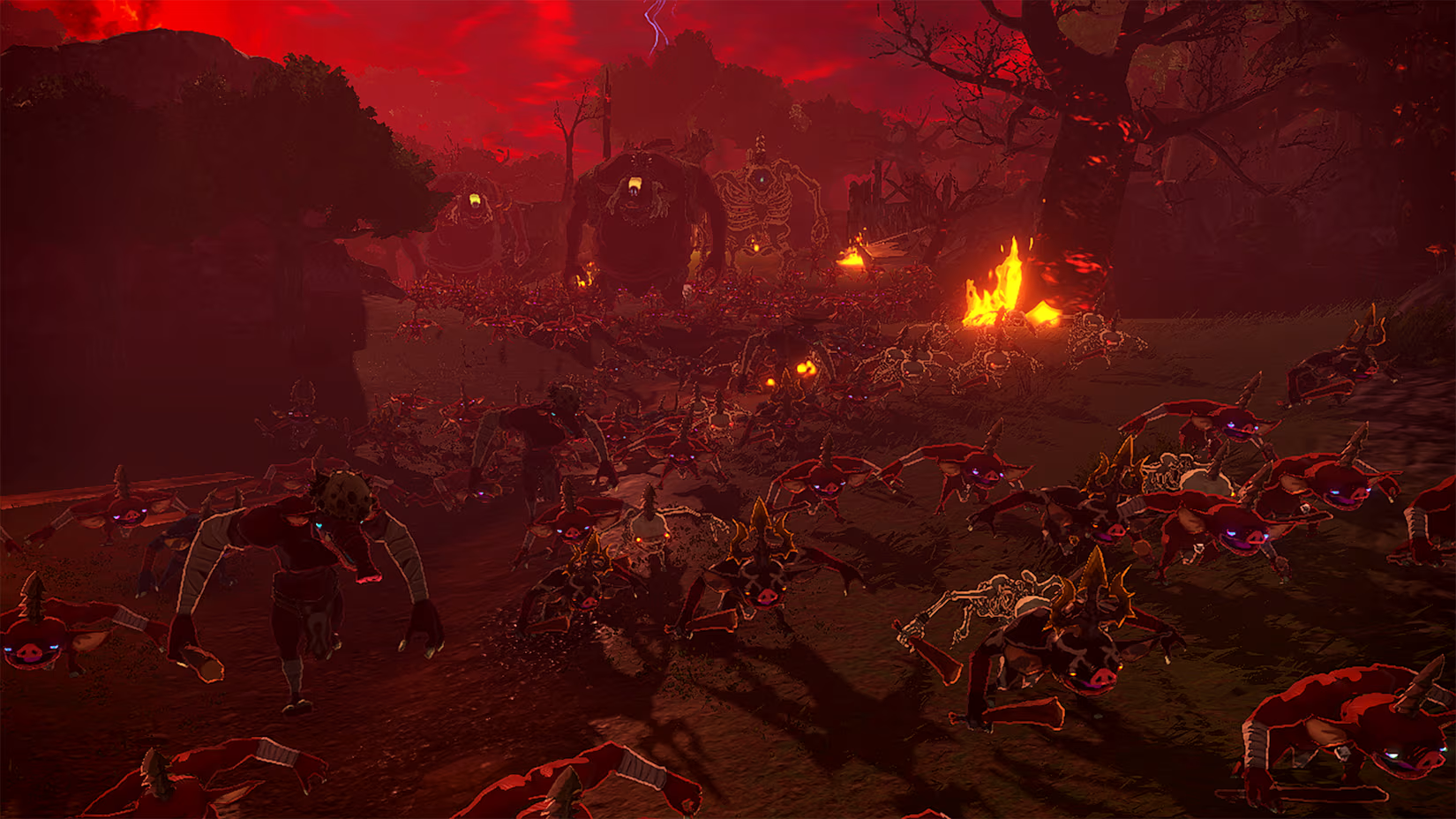
The Switch 2 has not seen a new Zelda yet, but to whet the appetite, we now have a new Hyrule Warriors entry called Age of Imprisonment. The game takes place in the Breath of the Wild continuity as a canonical prequel where players dive into the rich history of the setting, starting with Princess Zelda herself meeting the original founding rulers of Hyrule. This is the sort of deep dive that fans of Zelda lore dream about, and presenting unique aspects of the main storyline using a radically different game design proves effective here. It reaches a point where the otherwise mere spin-off starts to feel like an integral part of the main series.
Using a radically different game design allows Nintendo to do things they otherwise wouldn't with the main series: a multi-party system making use of all the unique playable characters and a dynamic combat system featuring elaborate combination attacks. Nintendo took the Warriors template and turned Zelda into an epic action RPG with a combat system that had ample room for character growth and learning new tricks.
This was Nintendo's contribution to Warriors: it gave it meaningful gameplay substance by incorporating the best elements of action-RPG design. It offers depth without getting bogged down in stats and numbers, and yet offers enough dynamic, evolving gameplay variety to keep the entire experience fresh and engaging from start to finish.
Warriors, as a franchise, didn't just learn from its own past and its many, many missteps; it also learned from developers who were given complete trust and freedom to interpret the core experience. In many ways, the Warriors franchise got a new lease on life thanks to what it gained from Nintendo's contributions; the inspiration from it and other developers led to the ultimate game in the main series, Dynasty Warriors: Origins. The tenth instalment is both a narrative and game design reboot, and in many ways, is the game both developers and fans were anticipating and envisioning when Dynasty Warriors 2 first launched on PlayStation 2 with all those lofty promises.