Infinitevania, Limited Innovation
The ironic self-awareness of Metroidvania

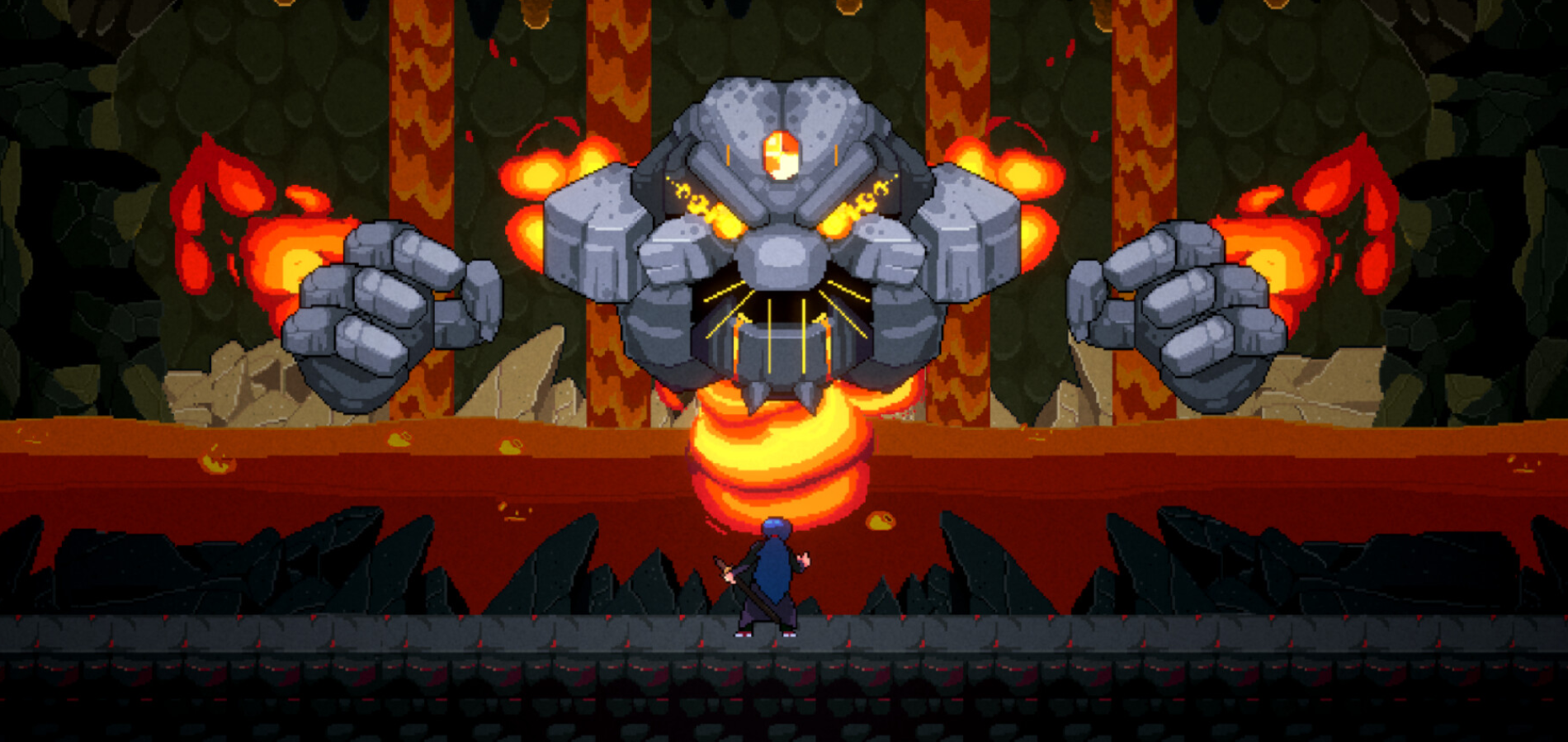
Infinitevania is another Metroidvania. There are so many games using that label these days that I've lost count of how many times I've had to start a story by saying "there are so many Metroidvania games now". It was true in 2020 and even more so in 2026. The game wears its inspirations plainly on its sleeve, but giving credit where it's due, at least it's honest about it.
So many games try in earnest to claim they're different from the rest. Infinitevania makes it bluntly clear that it's not only a Metroidvania, but also unapologetically takes after Castlevania: Symphony of the Night. That Konami classic coined the sub-genre's name, after all, or at least half of it.
Infinitevania opens with the same cruel tease that made Symphony of the Night infamous. Players start with all the cool abilities and special attacks out of the gate, only to have them all taken away from the first boss encounter, who just so happens to be the final boss much later on in the game. This introduction is executed with cheeky self-awareness.
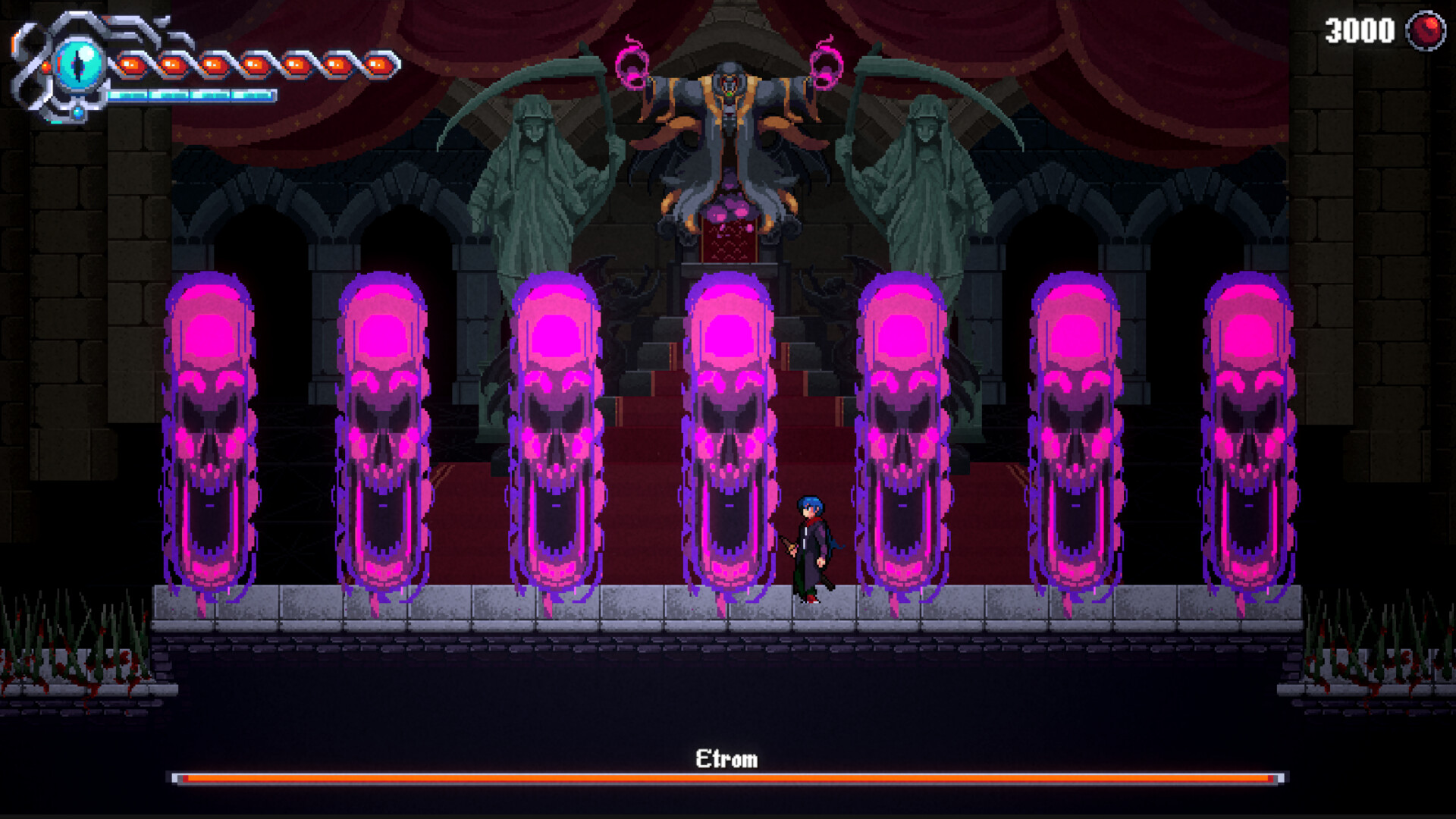
Veterans will likely be rolling their eyes, thinking "not this again..." while newcomers will be left confused. In a way, the introduction is like a teaser demo of the hero's full gameplay potential, only to be told that it needs to be reconstructed from the ground up and all the way to the end game. The novelty certainly worked when Symphony of the Night did it, and so with Infinitevania it almost feels like a parody of a novel joke.
It remains to be seen what will become of the Metroidvania genre moving forward. The genre titles simply will not stop; Infinitevania is one of many released in 2026, and it's as certain as the sun rising and setting that we will see many more in 2027 and beyond. The overwhelming supply exists because these games remain as popular as ever, with small nuances in visuals or core gameplay to satisfy diverse tastes.
On its 40th anniversary, the Castlevania franchise has marked a triumphant return to the gaming landscape with a new canonical entry, Castlevania: Belmont's Curse. The beautiful irony is that the very franchise that invented Metroidvania now plays it safe by contemporary genre standards set by its own successors. Belmont's Curse comes from the developers behind Dead Cells, the most popular among the Metroidvania releases in recent years, which means Castlevania not only follows the interpretation of an interpretation, but now does so with Soulslike elements.
Perhaps this is a temporary setback, with the priority being to win over mainstream players before they take real risks with the game design. The release of Belmont's Curse at least marks a return of Castlevania, albeit a safe one, and it's about time the genre reinvents itself, which, by the way, has other names if you're sick of saying 'Metroidvania': Search Action Game, Exploratory Action, Castletroid, and Igavania.
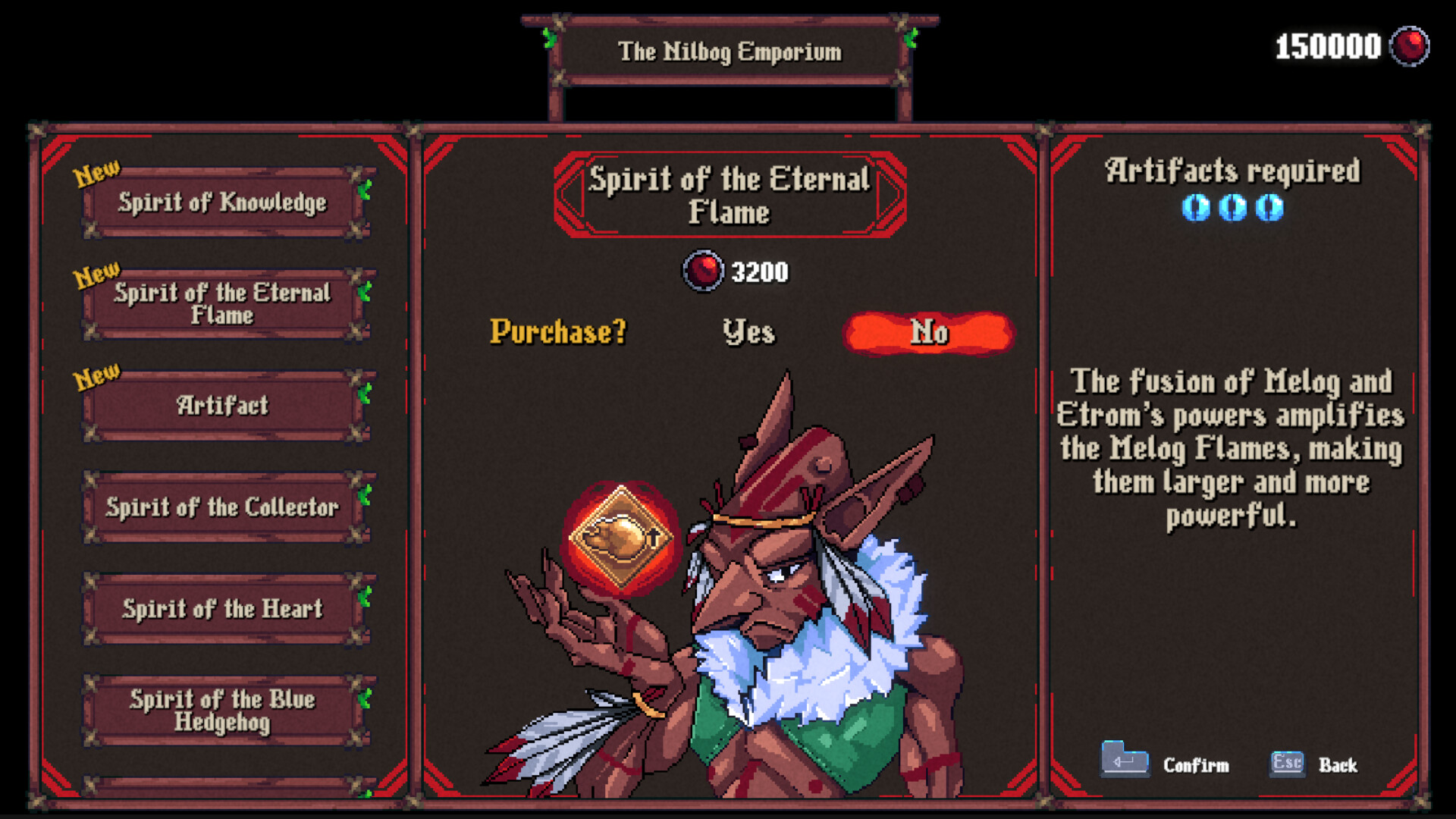
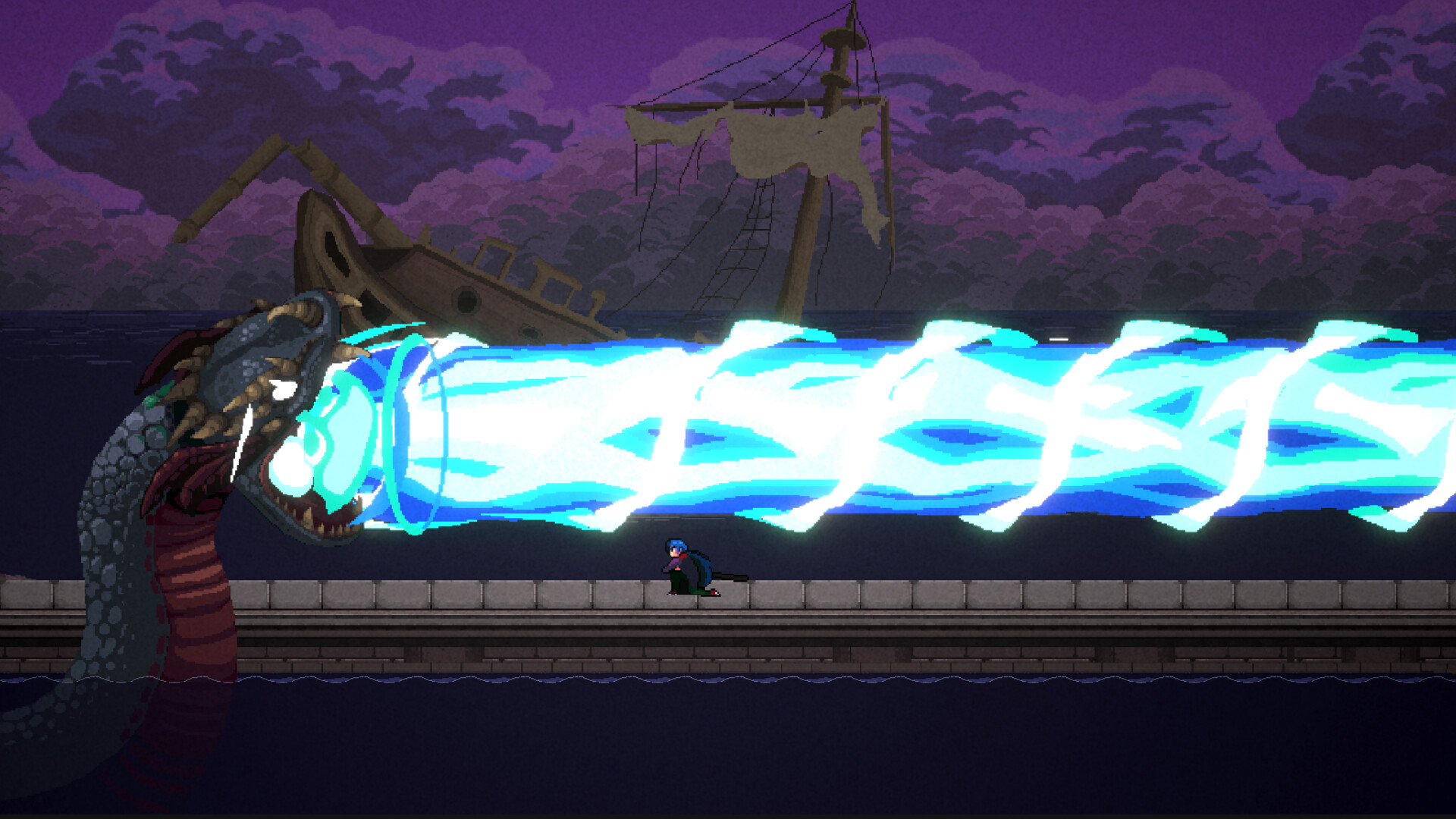
As for Infinitevania, it is a fine title for what it is; it's hard to fault it for getting the fundamentals right. The controls and combat inertia feel smooth and responsive, but the entire presentation, from the title and even its sales pitch on the Steam Store page, doesn't even try to portray its own identity. Perhaps there isn't anything unique about it, which is why, in an act of self-awareness, it very plainly announces its Symphony of the Night inspirations. It even opted to keep the 'Vania' in its title just in case it wasn't obvious enough.
Infinitevania really does feel like just another entry in a sub-genre that seems to have an infinite number of games.
Join the conversation
What do you think? Reply below to share your perspective.