Mouse P.I. for Hire Is a Pretty Face, but Not Much to Shoot For
Negative Noir

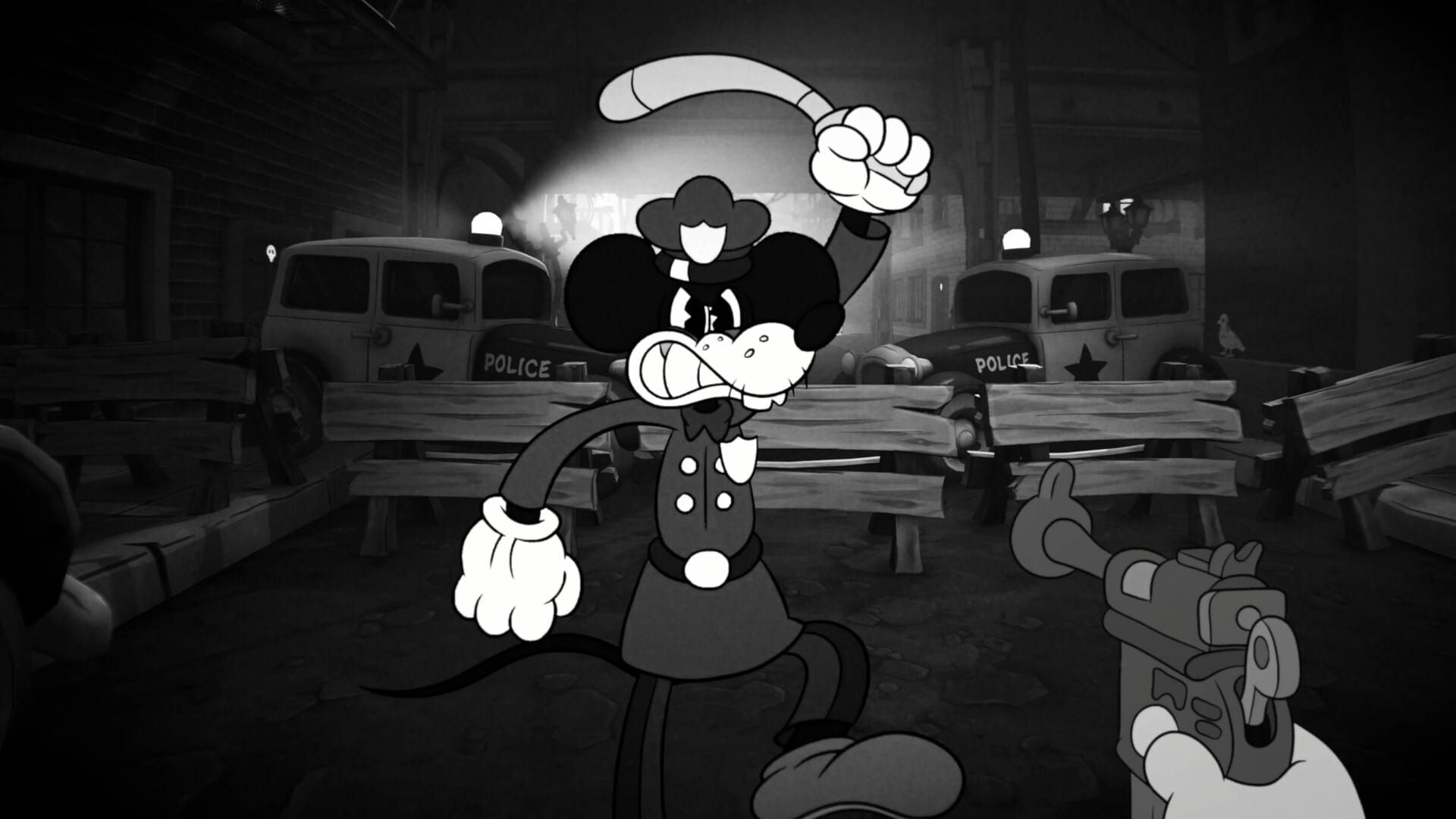
Mouse P.I. For Hire is in a similar place to the famed Cuphead at its release — a game built on a traditional gameplay genre, but using a very impressive art style and animation to elevate the experience. Both games use rubber-hose animation to give the feeling of playing a cartoon, but having gone through both, I find Mouse P.I. to be a massive letdown. It is a case where the art writes a check that the gameplay can’t cover, a good study in the failure of worldbuilding and game design.
Peppering It On
Our story stars Jack Pepper P.I., in a gritty noir world where mice run everything, cheese is both currency and drugs, and gangsters, corrupt politicians, and even evil cults are causing trouble. Like any good detective story, the case starts simply enough with a missing person, but soon escalates to a conspiracy that threatens everyone.
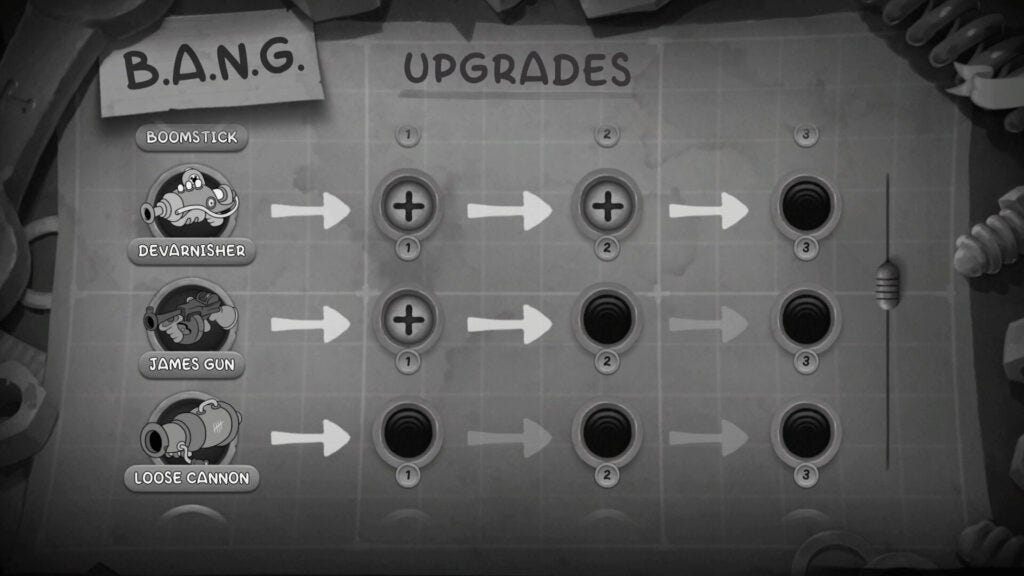
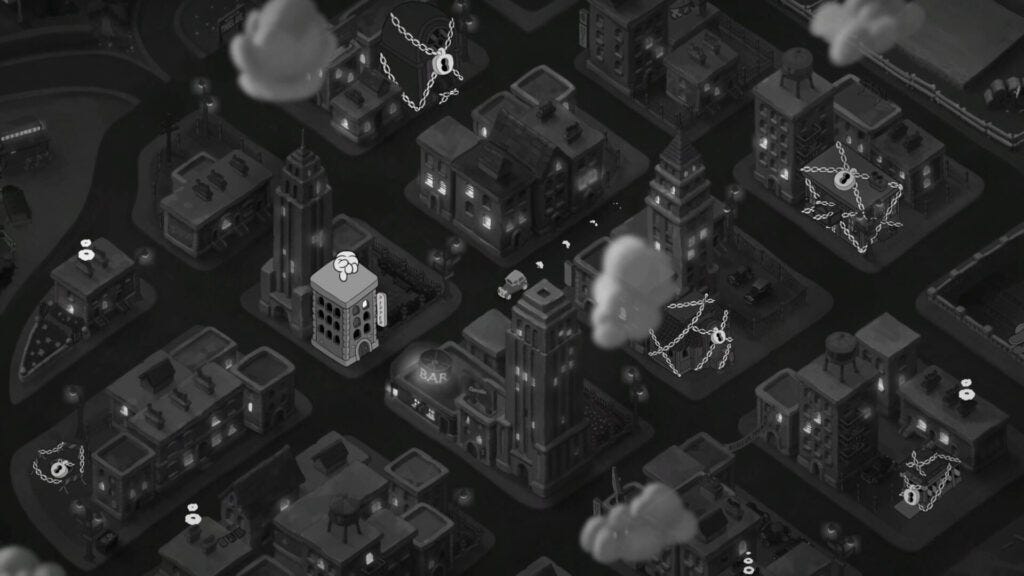
Each level has you exploring a gorgeously realized and animated world, fighting baddies, collecting clues, and rarely, getting new powers. The game's arsenal includes pistols, shotguns, an acid gun, a literal cannon, and more, with weapon upgrades available once you reach Stage 4.
The combat loop itself focuses on moving from arena to arena, with small groups of enemies in between. Every weapon, to be honest, felt horrible to use without upgrades. Those upgrades increase damage, give more ammo, reduce recoil, and improve a weapon's accuracy.
From time to time, the game will embrace the cartoon nature of the world for set-pieces and consumable power-ups. Eat a can of spinach, and you get Popeye's anchor arms to punch everyone around, for example. Movement tech is introduced brilliantly by having Jack learn that the physics of his world are a bit malleable, and he can soon double-jump, wall-run, and more.
These power-ups and abilities show there is more under the surface of this world, but it’s time to talk about why this game fails to connect the dots between whimsy and worldbuilding.
To Toon or Not to Toon?
Mouse P.I. tries to present itself as a game heavily inspired by noir, but also a loving homage to early cartoons and animation. Doing so, it’s trying to have its cake and eat it too, except there’s no cake. To go into more detail, I need to get into spoiler territory for the game.

The beginning of the game paints this as a cartoon world, but it still operates under a set of semi-realistic rules. However, some cracks start to appear that make it seem like there is more toon logic to the world than first appearances would indicate. One of the early witnesses you meet is literally beside herself (as in, she's cut in half) and is perfectly fine, and no one seems to question why or how.
When Jack starts unlocking new abilities, they are very much in the realm of cartoon logic — spring shoes, tail manipulation, and more. When the cult shows up, more supernatural elements arrive with them, including one section that deals with ghosts. Once again, no one questions or is concerned about how the dead are coming back.
The only time the game embraces it’s cartoon world is for the asylum level, which leads to the most surrealistic part of the game and my favorite level.
When you take away the art and animation, Mouse P.I. is just a generic shooter that feels like something a AAA studio would have put out in the late 2000s or early 2010s. The gunplay felt very stilted to me, as someone who has played the recent crop of amazing indie boomer shooters, and it reminded me of the original Bioshock games. The two most dangerous enemies are the machine gunner and snipers, who can attack you with very little feedback while you’re busy dodging everything else, and on hard difficulty can completely drain your health.
Bioshock is a really good comparison, because both games present an amazing-looking world of strange powers and abilities, but only Bioshock truly does anything with it from a gameplay point of view.
Fighting Yourself
Whenever there are games that give the player unique abilities or advantages over the enemy, designers have an opportunity to elevate their gameplay by forcing the player to fight one (or both) of these enemy types :
- The enemy who is exactly like the player and can use their own tricks against them
- The enemy who is designed to counter the player’s abilities, forcing them to adapt on the fly
Examples of these archetypes include some of the most memorable boss fights in Soulslike games — Nobunaga in Nioh, the hunters of Bloodborne, and many others, along with the Marauder from Doom Eternal.
Another favorite example of mine from an older game, The Darkness 2, gives the player darkness powers that they can use to overwhelm every enemy they see. At a certain point, the bad guys realize that your weakness is light and start fielding enemies with powered lights to explicitly counter your abilities.
The point is that what elevates these games is the use of original settings and mechanics, making the world respond to them to challenge the player. Returning to Bioshock, the entire premise of the game is built on the discovery, manufacturing, and selling of plasmids. This becomes a part of the world, with different areas designed around them, and the gameplay prominently features splicers using these plasmids against you. When you battle the Big Daddy enemy type, it becomes a fight between the player using the plasmids to their advantage versus an overwhelming brute who does its own thing.
Source: YouTube.
With Mouse P.I., my problem is that the art style is simply there as something to ooh and ah over, but has no real bearing on the gameplay outside of a few set pieces. If this is a cartoon world, why aren’t enemies double-jumping, wall-running, and so on? Where is the enemy that is our counter or does their own thing? The toon logic only shows up for specific set pieces… and then it’s gone. The spinach example I mentioned before could have been a boss fight or introduced a new enemy type to throw the player off.
The reason why Cuphead was so memorable was that it took this amazing art style and animation and applied it to everything. You see it everywhere in that game; when a boss transforms into a new form, when you activate one of your ultimate attacks, and the fact that even inanimate objects start sneering and attacking the player.
That’s All Folks
It’s been a while since a game has disappointed me this way. I adore the music, art, and animation, but I kept expecting it to turn up more in the gameplay. I know someone will argue that Mouse P.I. is going for homages to noir and animation and not focusing on those aspects. However, an important part of effective world-building and game design is that if you introduce something to the world, then it has to become a part of your design. There is still the chance that more of this will show up in the game with the promised first story DLC.
Like a pretty dame, the game tried to distract me from repetitive gameplay with an amazing look, but this game design gumshoe was not to be fooled.
Join the conversation
What do you think? Reply below to share your perspective.