Pokémon Legends Z-A’s Real-Time Combat Is a Breath of Fresh Air
An overview of the updated battling mechanics in the latest Pokemon game
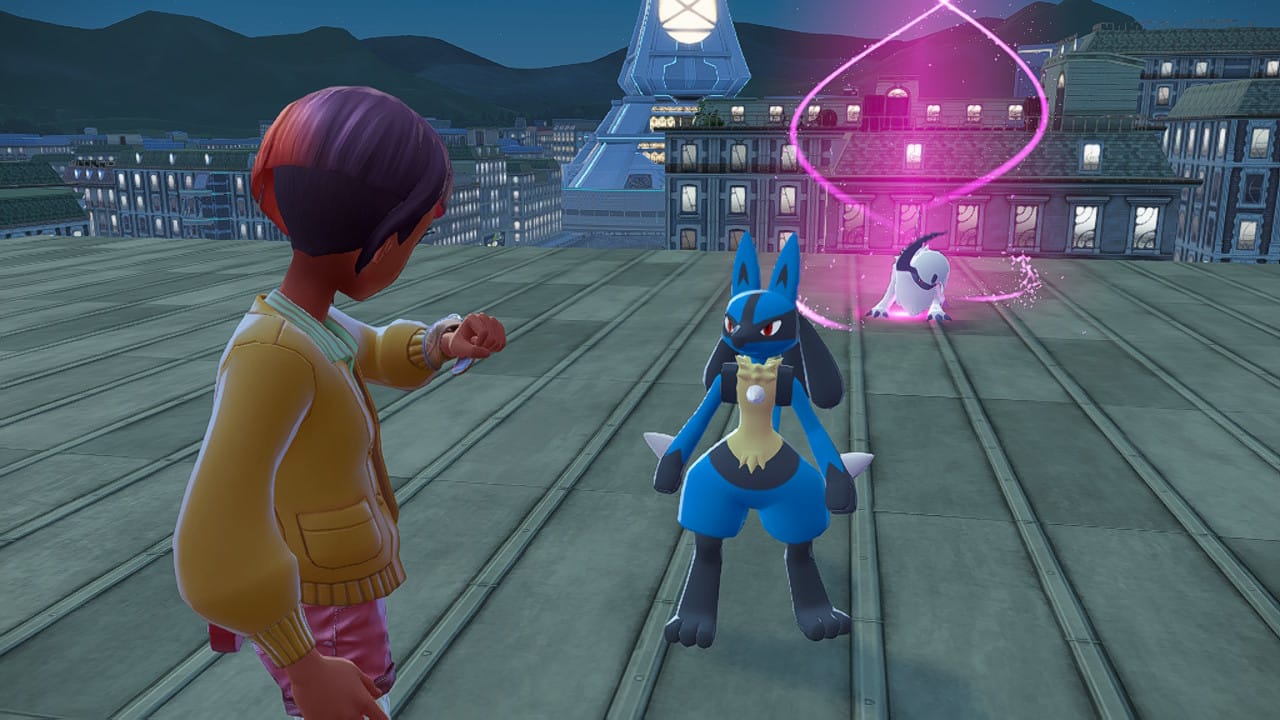
Ever since its first games, one staple of the mainline Pokémon series has been its turn-based combat. Giving commands to the Pokémon from our team that was currently out in the field is a strategic task, and defeating adversaries depends at the very least on understanding weaknesses and core advantages of each move, especially when playing against other players.
Pokémon Legends Z-A, however, introduces real-time combat to the mix, fundamentally transforming many of the mechanics. While other spin-offs, such as the Pokémon Rumble line, sometimes offered a more action-oriented experience, they were very different approaches with many fewer elements to factor in. As such, there’s a significant novelty to what Z-A adds to the pile.
Moving in Real Time
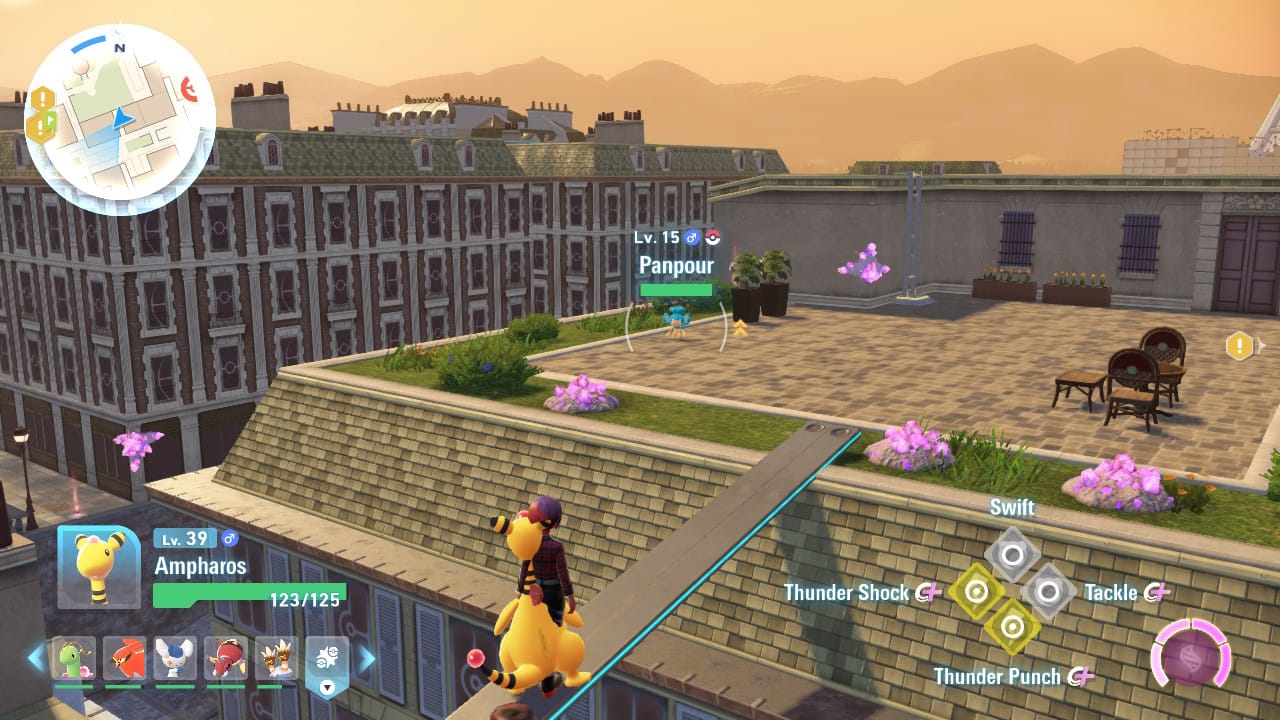
Just as has been a staple of the main series so far, players can have a team of six Pokémon, each with four moves at most. In battle, only one of them is controlled at a time, giving players direct control over moves with a simple press of the button, as each move is linked to the corresponding position on the Joy-Con (A/B/X/Y).
Drawing from some of the design choices of Pokémon Legends: Arceus, players control their avatar directly, and their partner works in tandem with them on the field. When facing wild Pokémon, they may attack the player directly, making it important to dodge out of harm’s way and be cognizant of your surroundings at all times. Though battling against the Pokémon that are owned by other humans is safer, your position matters, as it will impact your partner.
The Pokémon follows the player around while no orders are given; this can be used to have some control over their positioning. It’s also possible to switch them with another or bring them back to the Pokéball and use this as a way to avoid a powerful move that could otherwise kill them.
To attack, players must hold the ZL button to focus on a target first. Especially when facing groups of wild Pokémon, this lock-in mechanic becomes very important. When not using it, the player can use the items in their inventory, like Potions, to restore HP. Pokémon can also hold items, which wasn’t an option in Legends: Arceus.
The Impact of the Cool Down System
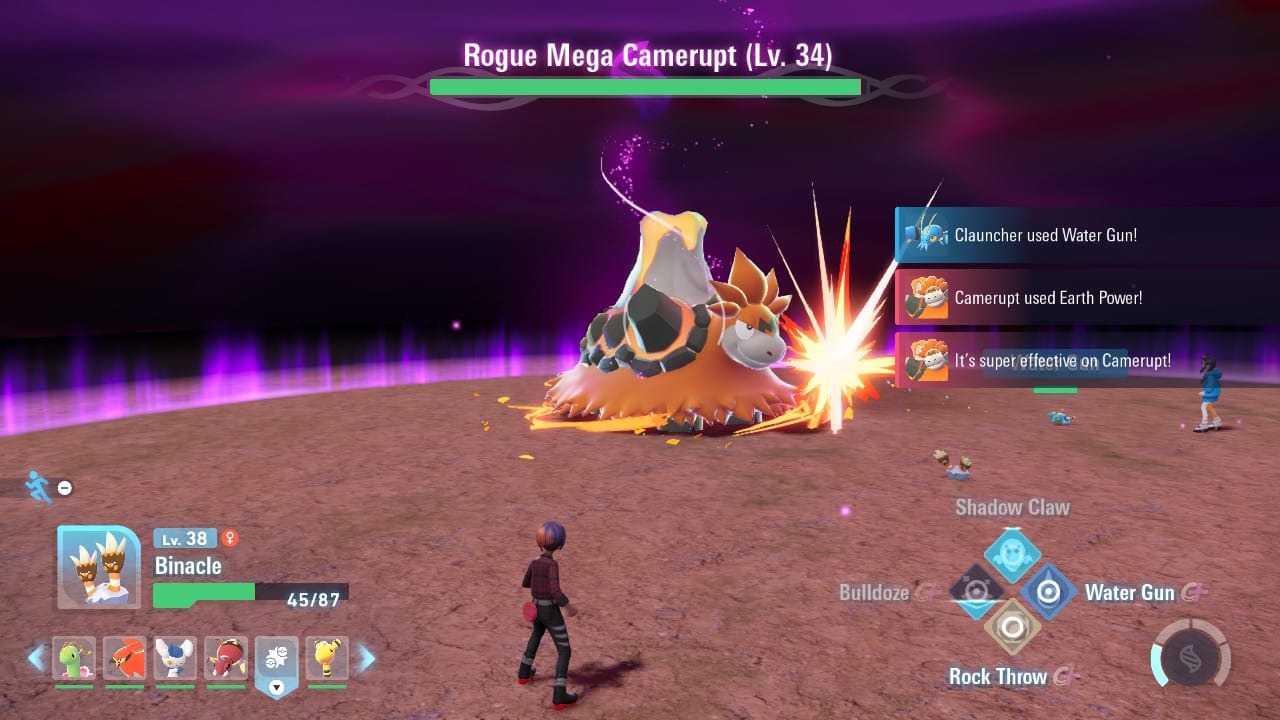
Adapting the combat format to real-time actions also necessitated reformulating various aspects to make it work better. One such example is the limitations on using moves, which went from a point system to a cool-down timer. While the traditional games in the series present each move as having a limited pool of PP to use, Z-A makes it so that the Pokémon needs to recharge before using a move again.
This change affects moves in two very distinct ways: they are now infinite and impossible to abuse continuously. Players don’t have to worry about spending all their uses anymore, as there’s no more “PP” to limit them, but the cool-down factor helps keep the experience balanced, as players can’t just hit the same move over and over until the enemy is gone. The enemy will likely have a move to make in between recharging, so players have to consider carefully what to do.
This wait also helped give extra value to moves that aren’t focused on damage. When facing an enemy that has one specific dangerous attack, using Protect or Double Team at the right time can keep the player safe from harm for enough time to punish the enemy with attacks.
Some well-known moves, like the aforementioned Double Team, now have different effects, taking into account what could be more useful in the real-time format. Especially for players who have mostly focused on having their Pokémon learn only damaging moves, the cooldown system makes it so that the player has more reasons to plan out the variety of the pool instead of just using the same move against the same Pokémon each turn. As a result, even basic stat-decreasing moves like Leer become more relevant, as it’s faster to use it than to strike twice with the same attack.
Range and Status Conditions
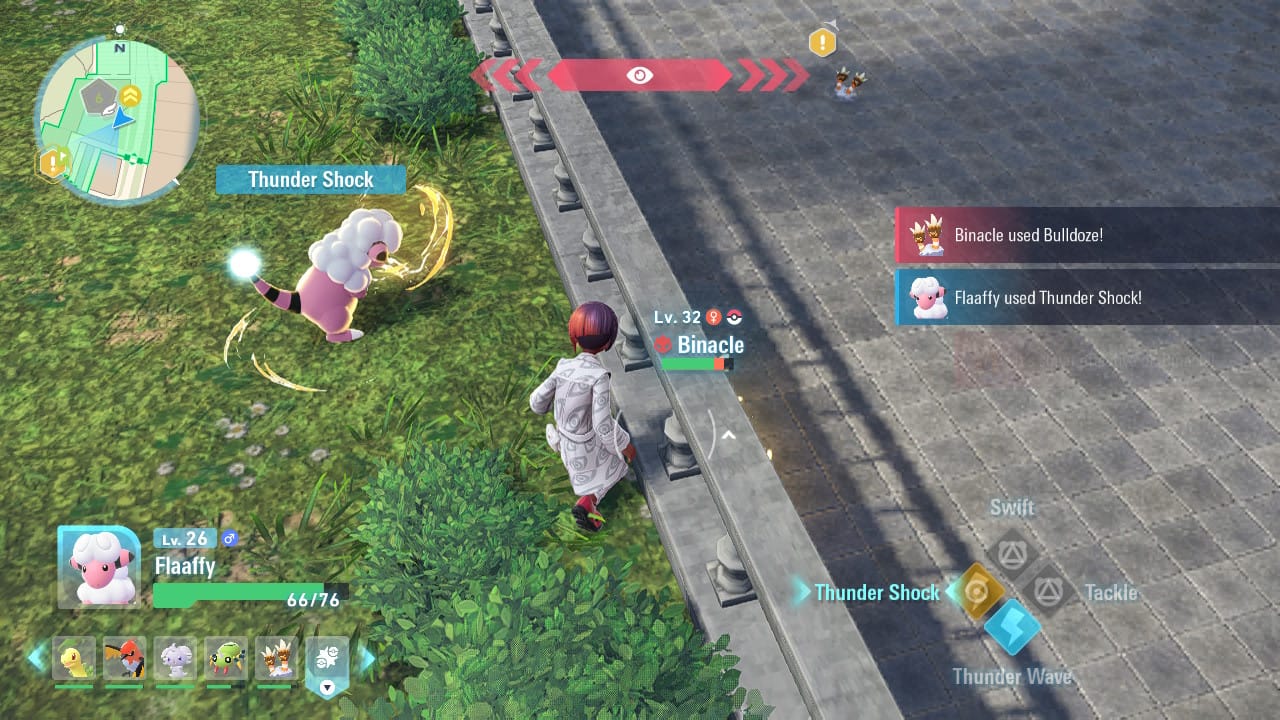
Another aspect that changed significantly is the importance of the range of your attacks. Some moves depend on approaching the enemy before striking, while others can be done from afar. The scenery can also obstruct these attacks, either through objects working as literal walls or because differences in height make it hard to go after an enemy (like a Pokémon that’s flying away).
Personally, I found long-range moves to be a little convoluted to pull. Instead of simply attacking from where they are (unless they were out of range), the Pokémon have to move to a spot closer to the player. This movement takes into account the player’s current position, but it can take a while to get used to it when using close-range attacks as well.
Most status conditions have changed as well, with Sleep being changed to Drowsy and Confusion making behavior erratic rather than being a cause for occasional self-harm. Poison and Burn still work as usual by causing damage to the Pokémon over time, but a Paralyzed, Drowsy, or Frozen Pokémon will have their movement and attack speed affected, each in different ways.
A Breath of Fresh Air
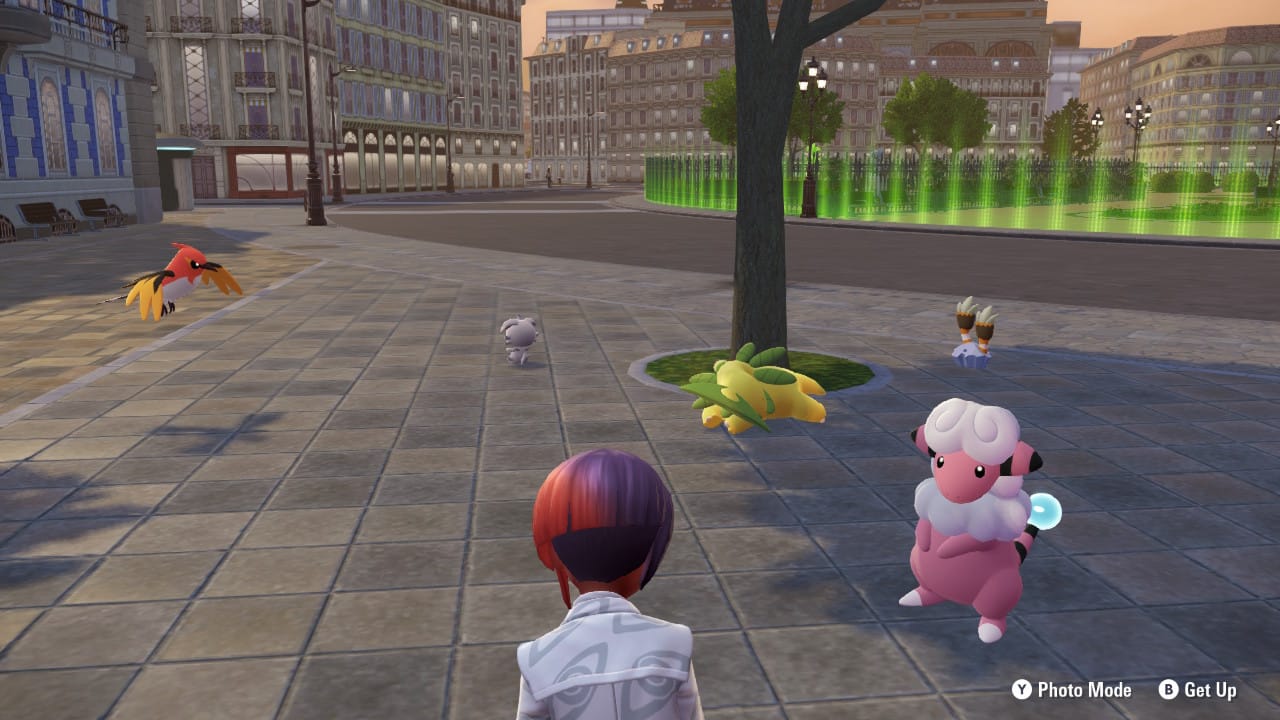
All of these changes are relevant ways that the game adapts itself to a new real-time format. Not only are they a matter of balancing, but they also help create a consistent system that’s a breath of fresh air for the series. While I’m very fond of the turn-based games and hope to see what the series brings to the table for them in the future as well, Pokémon Legends Z-A shows how much Game Freak can bring to the table when they have the chance to experiment with the format, and the series is in a much better place for having it.