SEGA at 65
65 years of gaming resilience and evolution


There's never been a more drastically evolved and persistent mainstay in the video game industry than SEGA.
The company is now 65 years young and has been a huge part of video game history (and pop culture history in general). So many childhoods were defined by SEGA, whether it was the instant appeal of their still-beloved arcade hits like Daytona USA or being part of a household that had a Sega lying around with a copy of Streets of Rage or Sonic the Hedgehog 2.
As it did for so many other gamers, the Mega Drive console made SEGA a huge part of my life and remains a source of immense nostalgia. Their arcade cabinets during the '90s were a fixture, because no matter where you were in the world, you could always count on seeing a Daytona USA cabinet somewhere.
As a console manufacturer, the company left a mark on the industry. In most cases, they were perhaps too far ahead of their time. Now that they have transitioned to a third-party software developer, it just means a larger library of more diverse games for more platforms. As cool as it was to have a dedicated system, I think gamers are now much better off having SEGA's games on the platform of their choice.

To me and most fans, it's all about the hardware and games, and that's how I'm going to take this trip down memory lane.
The commemoration of the 65th anniversary didn't result in a game-changing announcement. There was no Dreamcast 2 (seriously, give up on the ghost...I mean dream), nor was there a Saturn Mini or Dreamcast Mini (a matter of time perhaps), and there certainly was no SEGA Series X system (good effort to whoever spread that rumour fire). Not that SEGA needed to do any of those things; the company and brand are thriving, with a movie franchise and no shortage of well-known IP.
Still, maybe it's time SEGA stopped taking crazy risks and did things with a sound business sense, which certainly seems to be how they've set their game plan for the new decade. A cinematic universe would have been a pretty crazy idea ten or twenty years ago, but the successful silver screen debut of Sonic the Hedgehog has brought the Blue Blur back in style like it was 1992 all over again. Despite the skepticism and poor track record of video game films, Sonic, alongside Jim Carrey of all people, broke a stereotype and set the scene for many other films to come.
Whether it was the arcade, their own consoles, or any platform where you can play games, SEGA has made a lasting footprint nearly everywhere you look. The actual formation of the company formerly known as Service Games is an interesting one: for one thing, the origins are not entirely Japanese! Without getting too much into the historical account, I'm here to celebrate 65 years as a lived experience, and I have been around for 37 of those. To me and most fans, it's all about the hardware and games, and that's how I'm going to take this trip down memory lane.
Normally, it would make sense to start with, well, Genesis...but unlike the good book, in the beginning, there was not a Genesis or Mega Drive; instead, there was the Master System.
Table of contents
Master System: Before Genesis
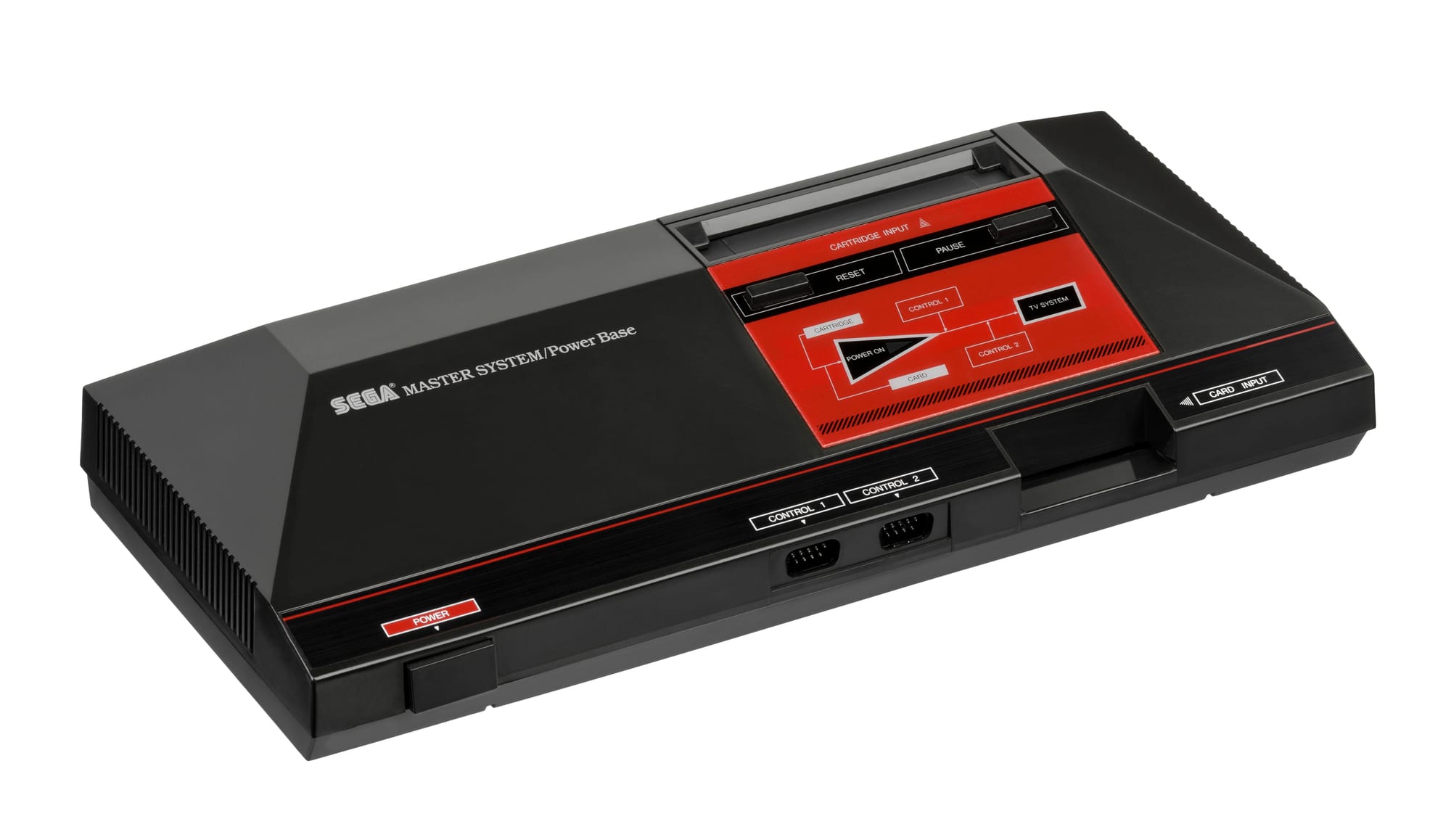
The Master System was the global re-release of the earlier Mark systems that were available only in Japan. I don't have much of a history with or nostalgia for the platform, but it was a huge deal in some territories, including Brazil and, surprisingly, Australia too. It went head-to-head with the Nintendo Entertainment System, and much of its library of games consisted of watered-down ports of arcade hits.
Wonder Boy III: The Dragon's Trap
THE DEFINING PLATFORMER
Wonder Boy is one of those games that follows you around and somehow ends up on your TV screen, even when you don't actively seek it out. My first encounter with Wonder Boy was the arcade classic where a chubby island kid wearing leaves rushed through some tightly designed platforming action. Monster Land would be an action RPG of sorts, and eventually, both series would merge to become Wonder Boy in Monster World. It's a fascinating but strange video game franchise for sure, and its urban myth origin story is part of the appeal.
I played the series on and off over the years, dabbling in most of the main titles: the NES port of the arcade Wonder Boy, the Master System port of Wonder Boy in Monster Land, Wonder Boy in Monster World on the Mega Drive, and even the highly ambitious Monster World IV, which pushed SEGA's 16-bit console to its absolute limits. I appreciated the series and its impact on video games, but I don't think I ever really loved it as much as most people did because, unlike most diehard fans, I never actually got around to playing Wonder Boy III: The Dragon's Trap (1989).
Like many, I first played Dragon's Trap thanks to the excellent and faithful Lizardcube remake. Wonder Boy: The Dragon's Trap is a perfectly preserved remaster of a classic game, with few changes aside from some streamlined menus and controls. The new visuals are literally painted over the original code, and the new music sounds great; both can be changed to their original versions with just a flick of a button. The base game was left untouched, not because of the old "preserve the original vision" excuse that most developers use when remastering archaic classics, but simply because the gam didn't need any improvement
Wonder Boy III: The Dragon's Trap is a masterclass in level and world design, where all the sections and set pieces come together seamlessly in a logical fashion. It's not often in gaming that the player simply knows where they need to be and what they need to do next, without needing hints and cues. This sort of scaffolding in game design was apparent in the seminal console hits of the 80s, back when games simply clicked with the player at a subconscious level and offered a meaningful challenge.
The Dragon's Trap has an organic and logical flow in its pacing, where I didn't need in-game tutorials, nor did I need to look things up on the internet. Not that the game is easy; as a platformer RPG, itputs you through some challenging levels and bosses, and you also need to put in some hard yards to earn powerful equipment. The various monster forms are simple and logical, and it becomes clear which parts of the game world are accessible as you unlock new monster forms. This style of game design is all but absent in modern gaming, where developers take the easy route by throwing in excessive hints or hoping some YouTuber records a walkthrough.
Mega Drive: The Genesis of 16-bit
Like most gamers in my age group, the SEGA Mega Drive (known as the Genesis in North America) was where it all started for me. More than just a newly discovered hobby, the impact this seminal SEGA console had on me has lasted to this very day, and undoubtedly will continue for the rest of my life.
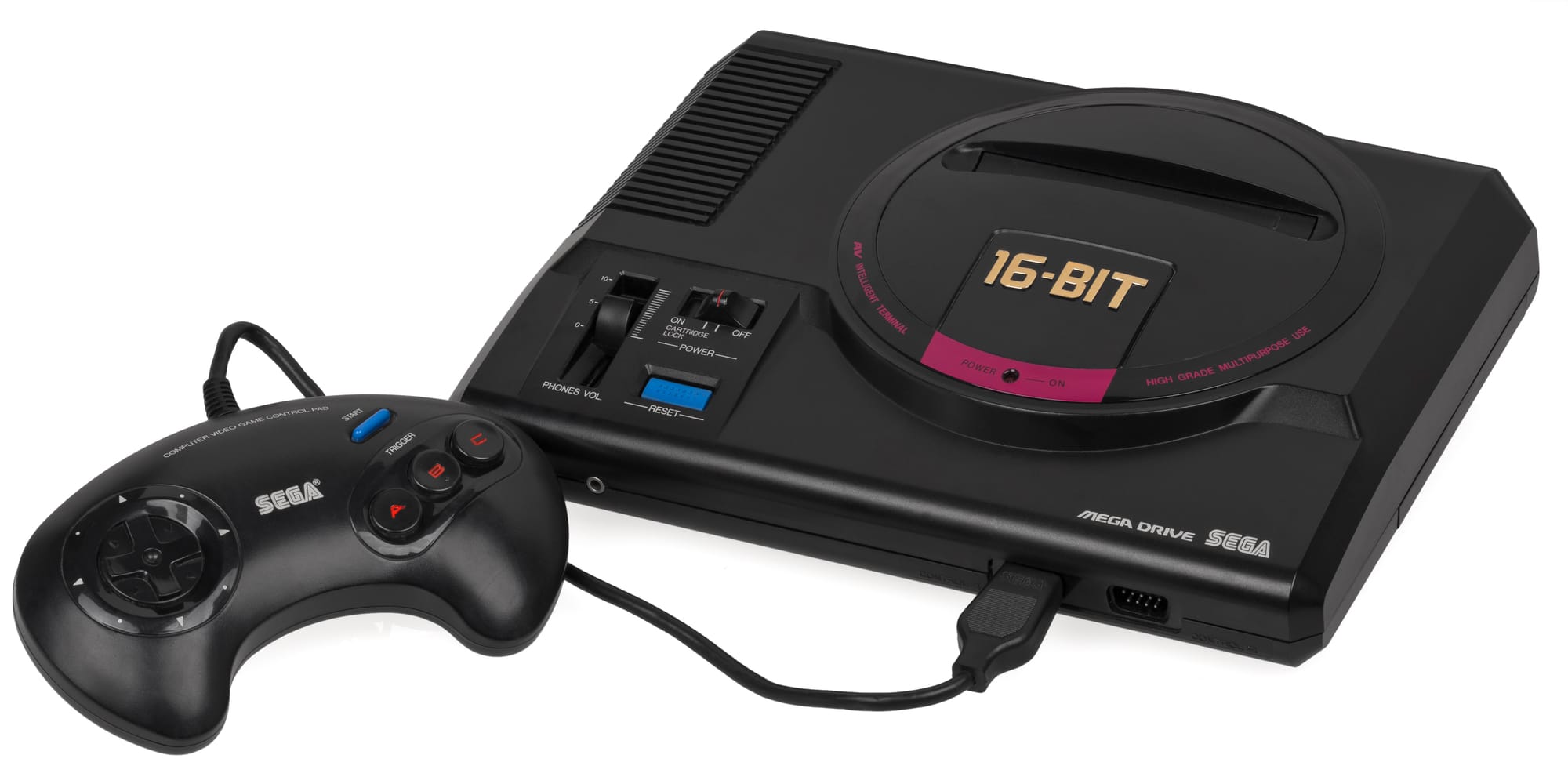
Despite having been introduced to Nintendo systems beforehand (the NES, SNES, and even the Game Boy), it wasn't until I met the sleek black Mega Drive that I fell in love with video games. More than 30 years later, that passion is stronger than ever. The Mega Drive and its catalogue remain on my active play rotation, largely due to the plethora of collections and compilations released over the years. I try to own each and every one of them, as it certainly is handy having Mega Drive games on everything from PSP to Xbox One. Not to mention, those mini consoles are excellent too, and it's worth hunting them down before they become too rare.
Ghouls 'n Ghosts
A STEP ABOVE THE ARCADE
When it came to home ports of Capcom arcade titles, Nintendo's SNES almost always got the superior conversion (best example: Street Fighter II), and in some cases, the Mega Drive would simply be deemed unworthy of a port at all (like Final Fight, for which SEGA ultimately had a better replacement with Streets of Rage). But in one exceptional case, Mega Drive actually got the superior version: Ghouls 'n Ghosts.
Ghouls 'n Ghosts (known as Ghosts 'n Goblins in arcades) was perhaps Capcom's most notoriously difficult arcade action game. It received a pretty accurate port on SNES, but when Mega Drive got the honours, the entire game was retooled and redesigned from a gameplay and level design standpoint. The end product was a game vastly different from the arcade source, and better off for it. Ghouls 'n Ghosts on the Mega Drive was still a tough game, but the difficulty pacing and scaffolding had a far more organic flow and design, where mastering each of the ingenious levels became a rewarding and satisfying feat for all players.
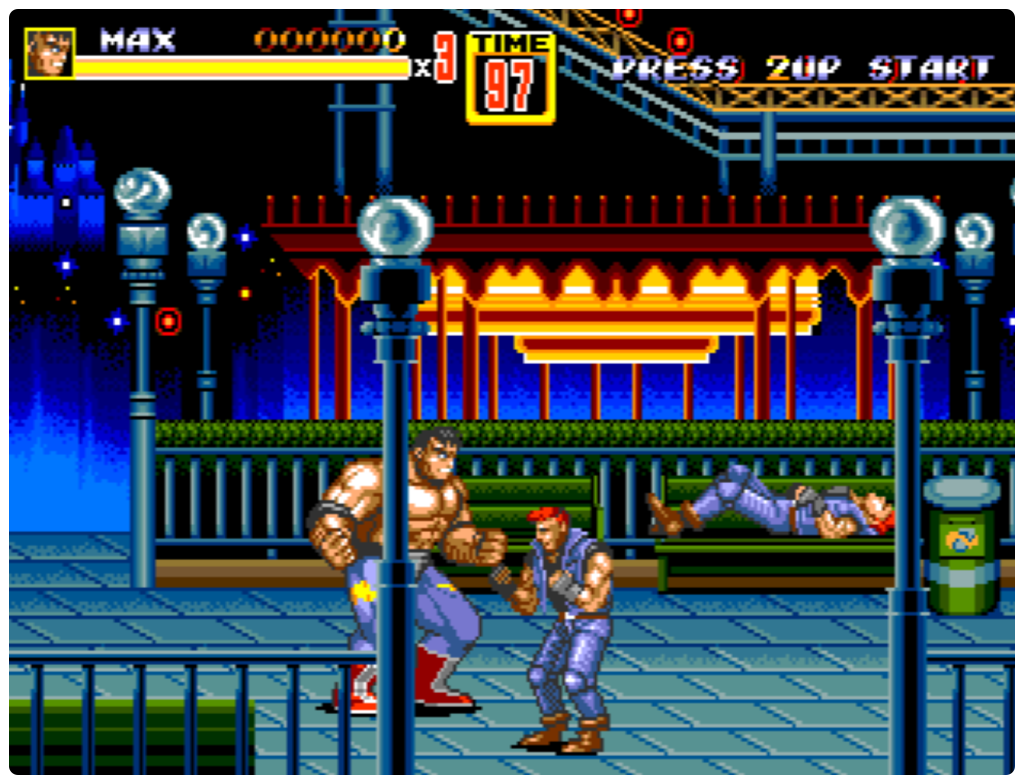
Mega Drive always had the edge over SNES, with games exhibiting more style and personality, and Streets of Rage had a style and presentation which simply made Final Fight look uncool by comparison.
Streets of Rage
BEAT 'EM UP WITH A BEAT
Beat 'em ups were the hottest genre after fighting games during the '90s, because there was nothing more entertaining than teaming up with a friend to beat up a bunch of thugs and freaks on the streets. Capcom's Final Fight was the smash hit in this genre, surpassing even Double Dragon, and while most consoles at the time received a Final Fight conversion, the Mega Drive was simply left hanging. Not to be snubbed, SEGA did one better by creating their own beat 'em up, which would do things Final Fight and Nintendidn't. That game was Streets of Rage.
Mega Drive always had the edge over SNES, with games exhibiting more style and personality, and Streets of Rage had a style and presentation which simply made Final Fight look uncool by comparison. The infectious '90s cop movie soundtrack by now-legendary composer, Yuzo Koshiro, was the edge Streets of Rage needed to become one of the biggest SEGA games and beat 'em ups of its time.
Dynamite Headdy
THEATRICAL PRODUCTION VALUES
Back in the '90s, Treasure was perhaps the most adventurous and experimental game developer, and any console which scored one of their titles as an exclusive was better off. Treasure had the word-of-mouth cult status, which only the most informed gamers had the privilege of appreciating. Their games were filled with zany art direction and vibrant personality, creating some of the most innovative shooters and action platformers. On the Mega Drive, it was Gunstar Heroes which became their most cited and celebrated work, but in my mind, their finest hour was the action platformer Dynamite Headdy.
The visual presentation and graphics were easily the best seen on the console; even today they hold up extremely well, on par with, if not better than, most modern 2D games. Visual ecstasy aside, the gameplay variety in Dynamite Headdy was simply unfathomable at the time, chock full of fun mini-games and an endless selection of power-ups. The game design was ambitious too, presenting a semi-open world filled with inventively devious boss battles.
Earthworm Jim
ANYTHING BUT TANGERINES
During the '90s, platformers were the leading genre, and it wasn't enough to have a unique protagonist mascot; they needed to have 'tude, and there was no such thing as having too much. When it came to sheer, unfiltered, limitless 'tude, no mascot could come close to Earthworm Jim. A worm in a super-suit armed with all sorts of guns and explosives was easily the coolest, most unfathomable depiction of 'tude during the '90s. The character design was so successful that it launched merchandise and a TV show to boot.
As a game, Earthworm Jim was among the strongest action games of that era, with superb production values featuring sprites which animated like a cartoon, and a challenging game design which tested players with both platforming and gunplay. The sense of humour was definitely in a league of its own, mostly steering towards Ren and Stimpy-style toilet humour, but also managing to sneak in plenty of shrewdly masked innuendo. No video game personifies '90s pop culture quite like Earthworm Jim.
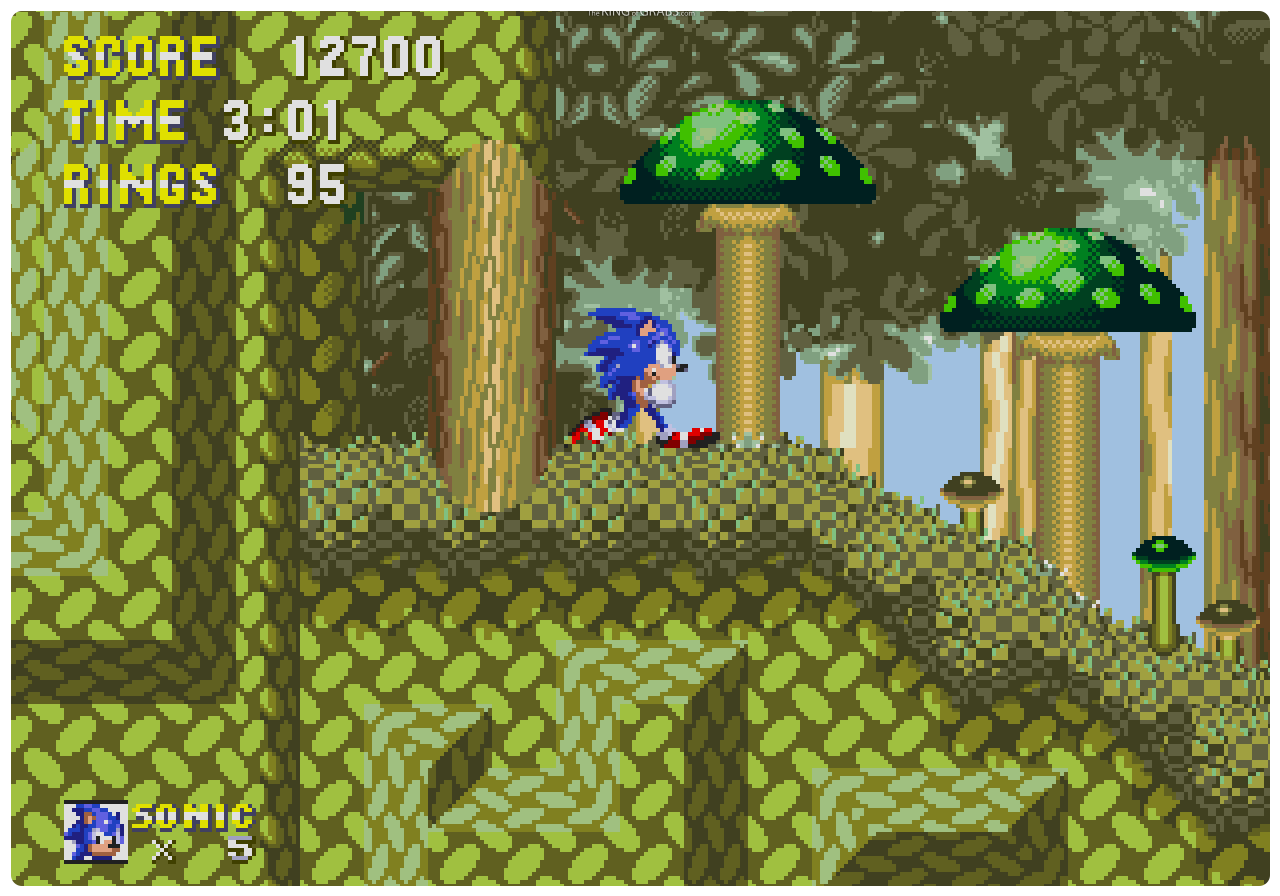
Sonic & Knuckles achieved something which remains revolutionary to this day; apart from being a strong adventure in its own right, it featured a lock-on cartridge technology which would be retroactively compatible with prior Sonic games.
Sonic & Knuckles
THE ULTIMATE EXPANSION CARTRIDGE
The sole reason why I was enamored with the Mega Drive was Sonic the Hedgehog, and my lifelong obsession with the video game medium is owed solely to The Blue Blur. If I was being completely honest, my Mega Drive list would just be all the Sonic games, as 90% of my childhood was spent religiously playing and replaying any Sonic game I could get. If one game encompasses the entire Mega Drive era of the franchise, it would have to be Sonic & Knuckles.
The release of Sonic & Knuckles was perhaps the very first video game launch hype I followed with intense anticipation, and playing it the first time is a feeling I can still relive every time I replay it. In a world where downloadable content, season passes, and expansion packs are the norm via countless online updates, Sonic & Knuckles achieved something which remains revolutionary to this day; apart from being a strong adventure in its own right, it featured a lock-on cartridge technology which would be retroactively compatible with prior Sonic games.
Sonic & Knuckles didn't require a paid subscription or internet access to pull off this feat, as right out of the box, it added brand-new content in the form of levels, characters, and bonus stages when attached to its prequel cartridges. It had the foresight and ability to retroactively upgrade its own predecessors. To this day, the idea and its execution still amaze, making it the greatest value proposition in the 16-bit era.
Saturn: Dual Processing Ambitions
To this day, the Saturn remains the final haven for hardcore gamers and perhaps the very last time console gaming was all about gameplay first and foremost. It remains SEGA's most elusive library of games, because while the Mega Drive and Dreamcast have consistently and proactively been preserved for future generations, Saturn remains a relic lost in time, and only those willing to dig through the trenches will discover its unsung brilliance.
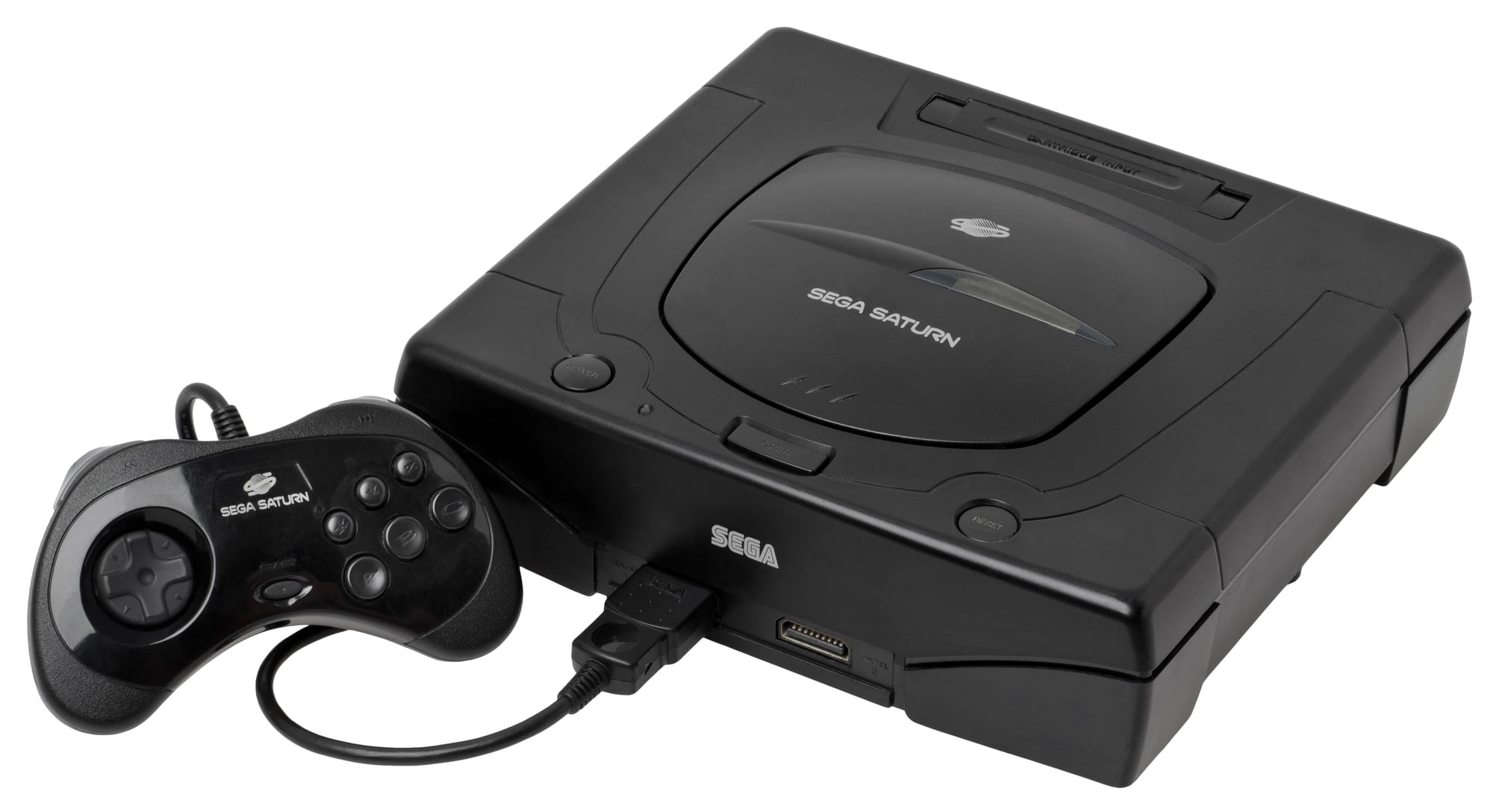
Saturn's complicated hardware architecture is still a marvel of gaming technology. I once had the chance to take apart my aging unit, and I was amazed at just how intricately everything was assembled. Saturn was a beast of a unit made up of multiple dedicated processors (separate for 2D and 3D graphics), all held together in a beautifully complicated circuit board. The original PlayStation was rather economically designed, which made it an easy target for hackers and piracy. As for the Saturn, it wasn't until 2016 that the hardware and its security were finally cracked.
Modern gaming consoles are more or less assembled with the same outsourced parts, but back in the day, consoles really stood out for their hardware architecture, and none were as uniquely designed as the Saturn. This unique architecture design translated into the games as well, making use of hexagons instead of polygons for its 3D output, and the 2D graphics were cutting-edge for their time. Even now, Saturn's 2D catalog looks mighty impressive, and it's only in hindsight that we can appreciate just how much more advanced it was than PlayStation and Nintendo 64.
Virtua Fighter 2
HIGH RESOLUTION 60 FPS
Virtua Fighter 2 did for 3D fighting games what Street Fighter II did for 2D, serving as the foundational blueprint for that era, while it remains eternally playable itself. Virtua Fighter 2 is simple, clean, and hard-hitting for sure, with a level of mechanical depth and polish that genre rivals could only achieve a decade later. The Saturn port was a technical masterpiece showcasing what the console could do, reaching a blistering 60 FPS during a time when such a feat was practically unheard of on home consoles.
Virtua Fighter 2 survives as an Xbox Live port, which remains active thanks to the backwards compatibility of Xbox One and online servers that are still intact for some PvP. If you pick up one of the recent Like a Dragon games, then a fully playable Virtua Fighter 2 arcade cabinet can be found within the bustling game world. For the Saturn, this was the very best fighting game the system could have hoped for, and alongside SEGA Rally Championship, it was a critically acclaimed bestseller worldwide. Tekken may have had fancy cinematic scenes and a nonsensical story, but when it came down to core gameplay and fighting presentation, AM2's revolutionary classic simply had no peer. Its fluid gameplay would even go on to lay the foundation for the Dead or Alive series.
Panzer Dragoon
THE POWER OF ART IN WORLD BUILDING
If I could pick one defining IP which uniquely encompassed everything the Saturn was about, then it would have to be Panzer Dragoon. This franchise launched with the console and would see two other games to make up an ambitious and artistically charged trilogy of shooting action games. The debut entry was a perfect Saturn launch title, followed by Panzer Dragoon II Zwei, which pushed the console's untapped 3D capabilities to the edge. Finally, the ever-elusive and legendary Panzer Dragoon Saga transformed the rail-shooter into a sprawling RPG epic.
This trilogy not only defined SEGA's 32-bit machine, but brought out its very best from a gameplay, technical, and artistic standpoint. This Saturn trilogy would be succeeded by Panzer Dragoon Orta on Xbox, and after a major hiatus and a spiritual spin-off in Crimson Dragon on Xbox One, the series came back in the form of a remake of the original Panzer Dragoon for Nintendo Switch.
The original Panzer Dragoon, even in the presence of bigger and more ambitious sequels, persists as a master class in sublime on-rails shooter game design. Much like Space Harrier and Star Fox, the seminal Panzer Dragoon is a game that holds up no matter how many years go by, evident in the upcoming remake, which will likely leave the soundly designed adventure untouched. What it also did, unlike most rail shooters or games of the time, was achieve a level of world-building most RPG epics still struggle to achieve.
This game was backed by an epic mythological lore, complete with its own language, and for a 1995 rail shooter, it was an incredible feat to make players feel like they were situated in an epic and fully realised fantasy setting. Over time, the lore expanded so quickly that by the third game, it had enough rich material to fuel an RPG epic. The combination of unique art and music, which created a distinguished surrealist presentation, has allowed the game and the series in general to remain in the collective consciousness of gaming for decades.
Creating a surrealist game world larger than itself was something Panzer Dragoon achieved during a time when video games were still not taken seriously as a narrative medium. As an on-rails shooter, it was sublimely designed, and as a technical showcase, it pushed the hardware to its outer limits, whether it was Saturn or even later on Xbox. Panzer Dragoon demonstrates the ability of video games to bring abstract worlds to life and the artistic richness they can achieve, irrespective of gameplay genre.
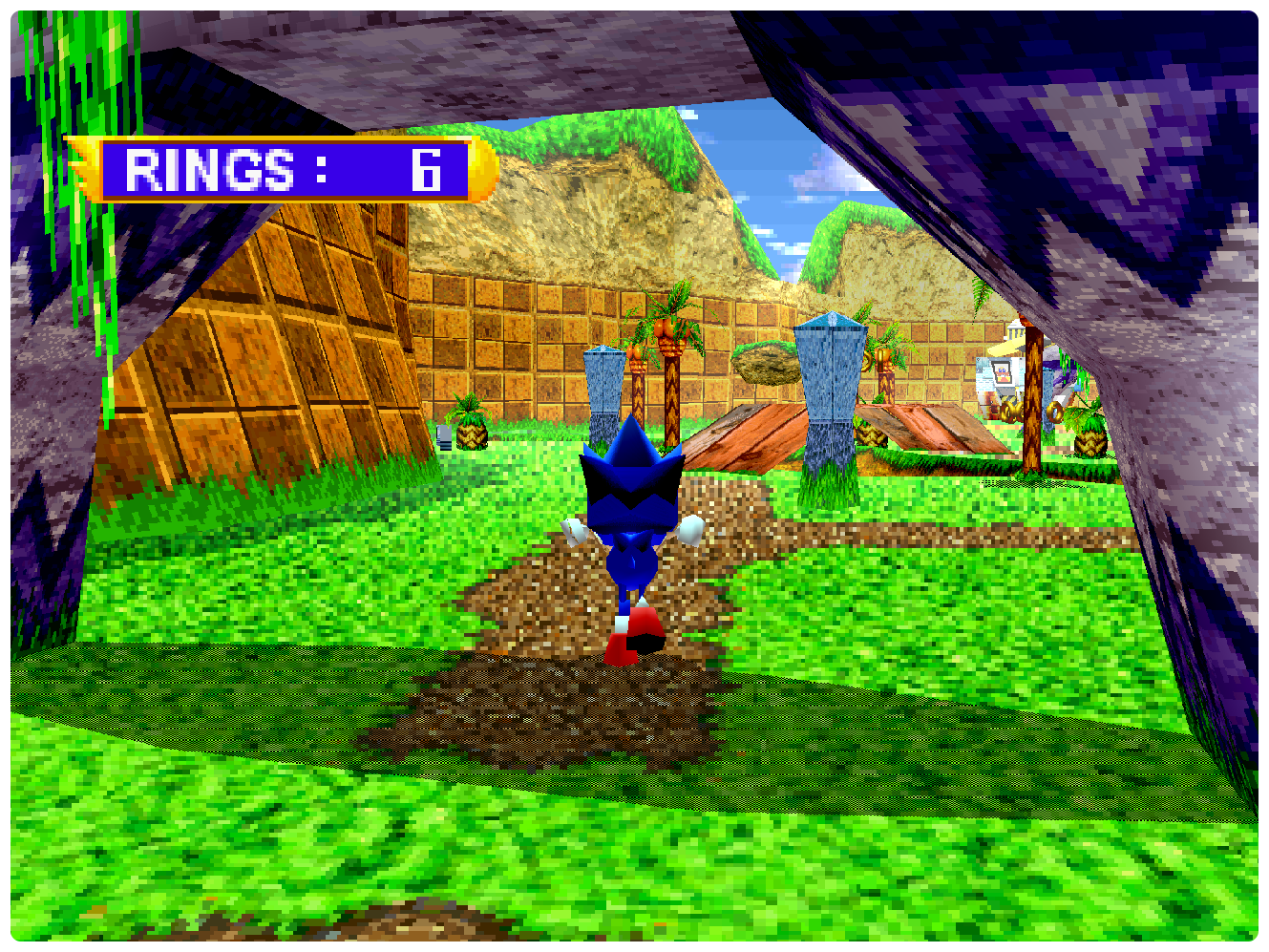
The selection of all the materials relating to the games and their history were presented in a 3D museum called Sonic World, which also served as a 3D platformer level, almost providing a tech demo of what would eventually become Sonic Adventure on Dreamcast.
Sonic Jam
GREATEST HITS ON ONE DISC
Saturn never got the Sonic game it needed, with Sonic X-Treme going through development hell before cancellation (a subject which continues to fascinate SEGA historians). Thus, the console had to get by with makeshift Sonic games in the form of the Project Sonic trilogy: Sonic 3D Blast, Sonic R, and Sonic Jam.
Each of these was enjoyable in its own right, especially the legendary Rick Astley-style soundtrack of Sonic R. Collectively, these games somewhat filled Saturn's Sonic void in a less-than-ideal manner. Out of these, Sonic Jam was perhaps the strongest release, by being not only the most complete compilation of Mega Drive Sonic games with extras to boot, but also providing a glimpse into what a true 3D Sonic adventure on Saturn could have been.
As a compilation, Sonic Jam is still a strong exemplar of how to do a retro collection right: instead of hasty emulations, it fully ported over the Mega Drive classics with additional features. The selection of all the materials relating to the games and their history were presented in a 3D museum called Sonic World, which also served as a 3D platformer level, almost providing a tech demo of what would eventually become Sonic Adventure on Dreamcast. Saturn may not have had its own 3D Sonic epic, but Sonic Jam and the other projects did a decent job in keeping the spirit and vibe of Sonic alive as he slowly transitioned into his Dreamcast debut.
Street Fighter Zero 3
2D FIGHTING PERFECTION
Saturn was the absolute peak of 2D graphics in video games, with sprites so intricately designed and drawn that they put modern flash-based 2D graphics to shame. Modern 2D games simply can't match the graphical fidelity and intricate detail that the games on Saturn possessed. 3D games from that era have aged rather poorly, but Saturn's 2D catalog has aged like fine wine. At the time, the gaming world was a little shortsighted in backing the ugly 3D horse, as it is only in hindsight that we appreciate just how impressive the console was as a 2D powerhouse. There are many great examples to cite, especially in the 2D fighting space, but Street Fighter Zero 3 is a fine testament to just how overlooked and underappreciated Saturn's 2D capabilities were.
Street Fighter Zero 3 was released for Saturn after the PlayStation and Dreamcast versions, and yet it ended up being the definitive home edition of the arcade hit. In addition to featuring all of the modes and extras the Saturn version performed perfectly thanks to the 4MB expansion cart, if not even better than its 128-bit GD-ROM counterpart on Dreamcast. The Saturn controller alone made it a sublime fighting experience, and the experience as a whole came together perfectly thanks to the pixel-perfect 2D animation and unaltered sprite density. As one of the last games released for the system and also arguably the best Street Fighter game ever made, Street Fighter Zero 3 is a true testament to Saturn's boundless 2D potential and why it was the ideal home for 2D fighting games.
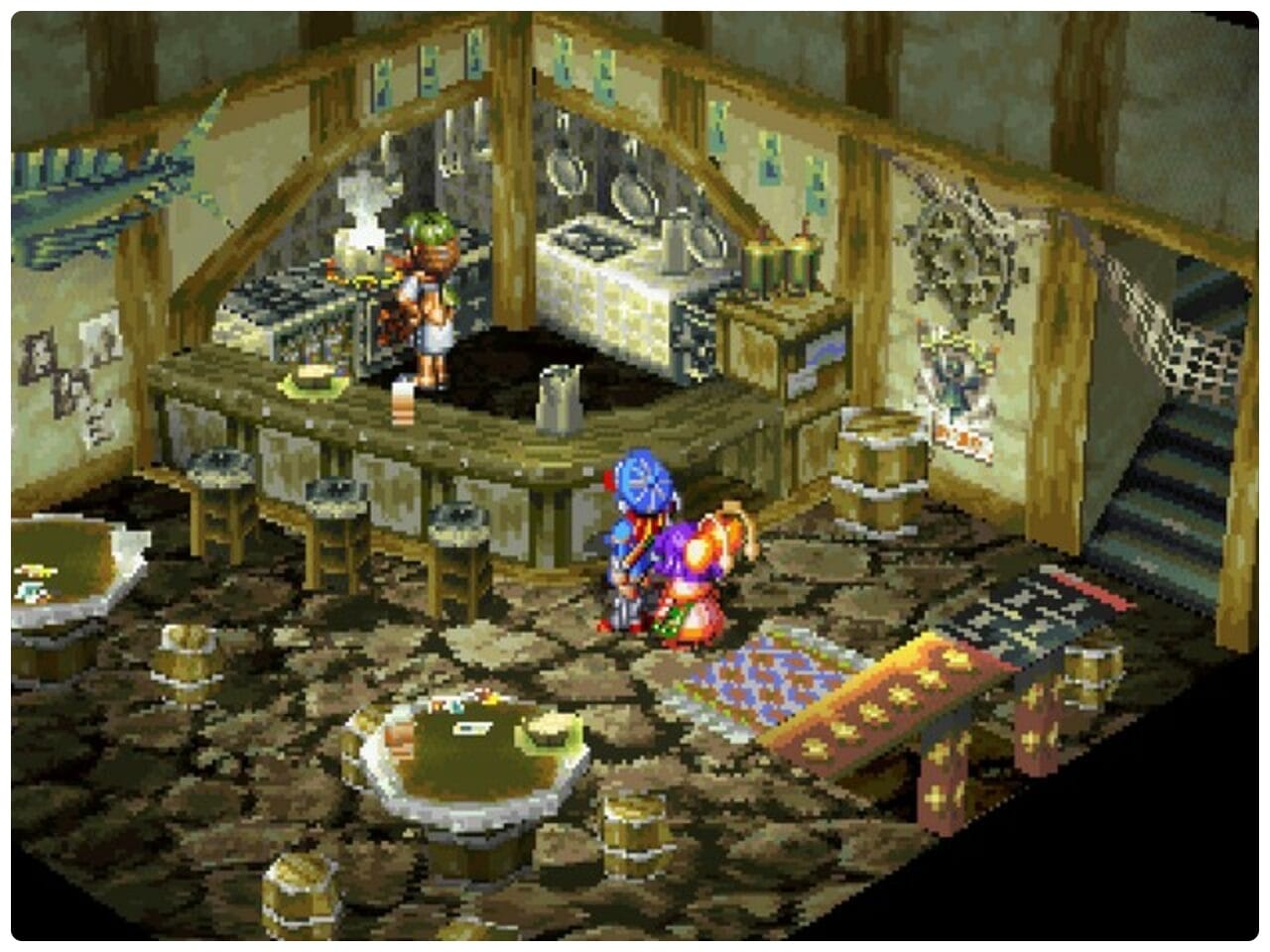
Grandia remains the most enjoyable RPG to jump right into, and from a design standpoint, it has the appeal to be played over and over, each time just as enjoyable and entertaining as the first.
Grandia
RPG WITH BIG HEART
Final Fantasy VII is influential, but to my mind, the best RPG of that era was unquestionably Grandia. The polygons of most 32-bit RPGs have aged rather horribly, but Grandia played to the strengths of Saturn's hardware by providing stunningly detailed 2D graphics seamlessly situated in a 3D game world. The carefully compromised fusion of 2D and 3D has allowed the game to age far better than its contemporaries, with the visuals shining through in the recent HD remaster for Nintendo Switch.
Grandia is one of those RPG adventures that is easy to come back to again and again, and I can't say this for many RPGs I've played in my life. Even now, when I revisit this innocent adventure on the Switch, I still feel the same sense of awe and wonder as I did the very first time I experienced it on Saturn. Given that the original Saturn source code is lost, the remastering effort was done using the PlayStation port code, but the game was rebuilt with the Saturn version running side by side to make the remaster as complete and authentic as possible. It may be better known in the Western world as a PlayStation game, but Grandia was lovingly and thoughtfully crafted for Saturn's unique specifications, and is as much a SEGA RPG as Phantasy Star or Shining Force.
Grandia is a timeless adventure about discovering and chasing a dream, a theme that resonates closely with players in any generation. Importantly, it has a dynamic turn-based combat system more involving and entertaining than most other menu-based slogs. To see it finally preserved in an HD remaster is a great thing, given how it's now more accessible than ever, but at its heart and soul is an iconic Saturn RPG that no one can ever duplicate. The game's unorthodox graphical style alone was something only the Saturn could create with its complicated architecture, and for this reason, both Grandia and Saturn deserve credit for being adventurous and decidedly unique, especially during a time when the rest of the gaming world was heading in a safer, more mainstream direction.
Landing towards the end of 1997 on SEGA Saturn, Grandia came out during a time when Japanese RPGs had reached the pinnacle of their popularity among gamers all over the world, largely due to the worldwide success of Final Fantasy VII. There were certainly many Japanese companies attempting to make a game like Final Fantasy VII, but Grandia was brave enough be its own adventure. That's ultimately why it, and the series itself, has stood the test of time, because it dared to be itself in an industry where there is pressure to safely emulate the success of others. The essence of its originality doesn't just shine through in gameplay and design, but in the unique intangibles which make up the cast of characters and the game world.
In an age where gaming was heading towards polygons and CG-animated cut-scenes, Grandia went against the trend and instead chose to perfect the visual style of yesteryear by fusing traditional 2D sprites seamlessly into a game world which was very much in 3D. Grandia had all the right ingredients of a true Saturn video game, and at the time, it was the single most talked about and desired Japanese video game among the elite importers. To import and sit through Grandia without knowing a word of Japanese is a rite of passage few of us have taken, and to me it remains my fondest memory as a gamer. The coverage by SEGA Saturn UK Magazine is a thing of legend now, whether it was their beautifully presented previews, hyped-up review, or the fully illustrated walkthrough for those willing to jump through hoops to play Grandia outside of Japan. Grandia had received an incredible amount of hype and anticipation, and over time, its status as one of the most important JRPGs has only become more widespread.
What Grandia does so well is portray the innocence of a brand-new adventure, sincerely and authentically. It manages to be authentically charming with its cast of children bravely taking on the world (almost in the same vein as the Goonies). It has the charm of a Disney and Studio Ghibli film, where it takes on childish and innocent themes without insulting the intelligence of its audience. No matter how old you are or when you are playing Grandia, something about it speaks to the player in terms anyone can relate to. At its core, it is a story of chasing a childhood dream, a story of childlike awe and wonder somehow triumphing over grim truths, and above all, a classic coming-of-age story which will always ring true no matter where we may be in our lives.
Grandia presents a beautifully realised fantasy world which is almost steampunk in nature, but melds together all sorts of contrasting elements such as pirates, robots, and traditional fantasy devices to create a diverse yet wholly cohesive setting. It's a vibrantly rich and colourful world for sure, one that feels far more grandiose than the technical limitations of its time should have permitted it to be. The presentation and art style have a strong steampunk yet tribal aesthetic, where the simple character designs have an instantly memorable charm. The incredibly diverse and atmospheric soundtrack brings the game world and its presentation to life, experimenting with all sorts of instruments and musical arrangements. Some of the most memorable tracks are simply tribal instruments being played in their true, raw form without overdubs.
Grandia remains the most enjoyable RPG to jump right into, and from a design standpoint, it has the appeal to be played over and over, each time just as enjoyable and entertaining as the first. It still has the most unique battle system in the genre, which was a natural evolution of the battle mechanics introduced by its spiritual predecessor, Lunar. Although it features turn-based style combat at its core, battles feel dynamic and engaging, especially in the manner in which attacks are chained together, and how the characters intuitively move around the battle map depending on their fighting style. There is never a dull moment during battle as the combat flow feels seamless and uninterrupted, even when cycling through the efficiently designed battle-command menu. It also helps to have a catchy battle theme no one can ever grow tired of, but will certainly struggle to get out of their head!
Wachenröder
TACTICAL RPG COMBAT TO SAVE THE ENVIRONMENT
In an alternate universe, everyone would have known about Wachenröder, and by now we would be seeing a high-definition remake. This could have been SEGA's Final Fantasy VII had history played out differently, but alas, this is now among the most obscure of SEGA's rich tapestry of video game IP.
Wachenröder was a steampunk strategy RPG with a strong environmental message and featured music from Ian McDonald. The connection of the famed progressive rock icon isn't all that random when you appreciate just how huge King Crimson remains in Japan, a mainstay on the storefront of most music shops in the country. There's no easy way to play this game, given it's on Saturn and in Japan only, but anyone who puts in the effort to jump through some hoops will discover a true hidden gem in Saturn's treasure chest.
Dreamcast: The Dream Lives On
Choosing a PlayStation 2 over a Dreamcast was unquestionably a wise move in the year 2000, even more so as SEGA's catalogue was subsequently ported to PS2, Xbox, and GameCube. Still, as SEGA's final foray into the console wars, Dreamcast will forever stand the test of time as a true trailblazer, setting the ground for gaming innovations and trends we take for granted today. Dreamcast did many things we now enjoy at a much larger scale in console gaming: online gaming with public and private servers, downloadable content, voice communication, operating systems, and all the other multimedia features we'd expect from an Xbox One. It couldn't, however, play DVDs, which is where the PS2 got all the edge it needed to outsell its competition.
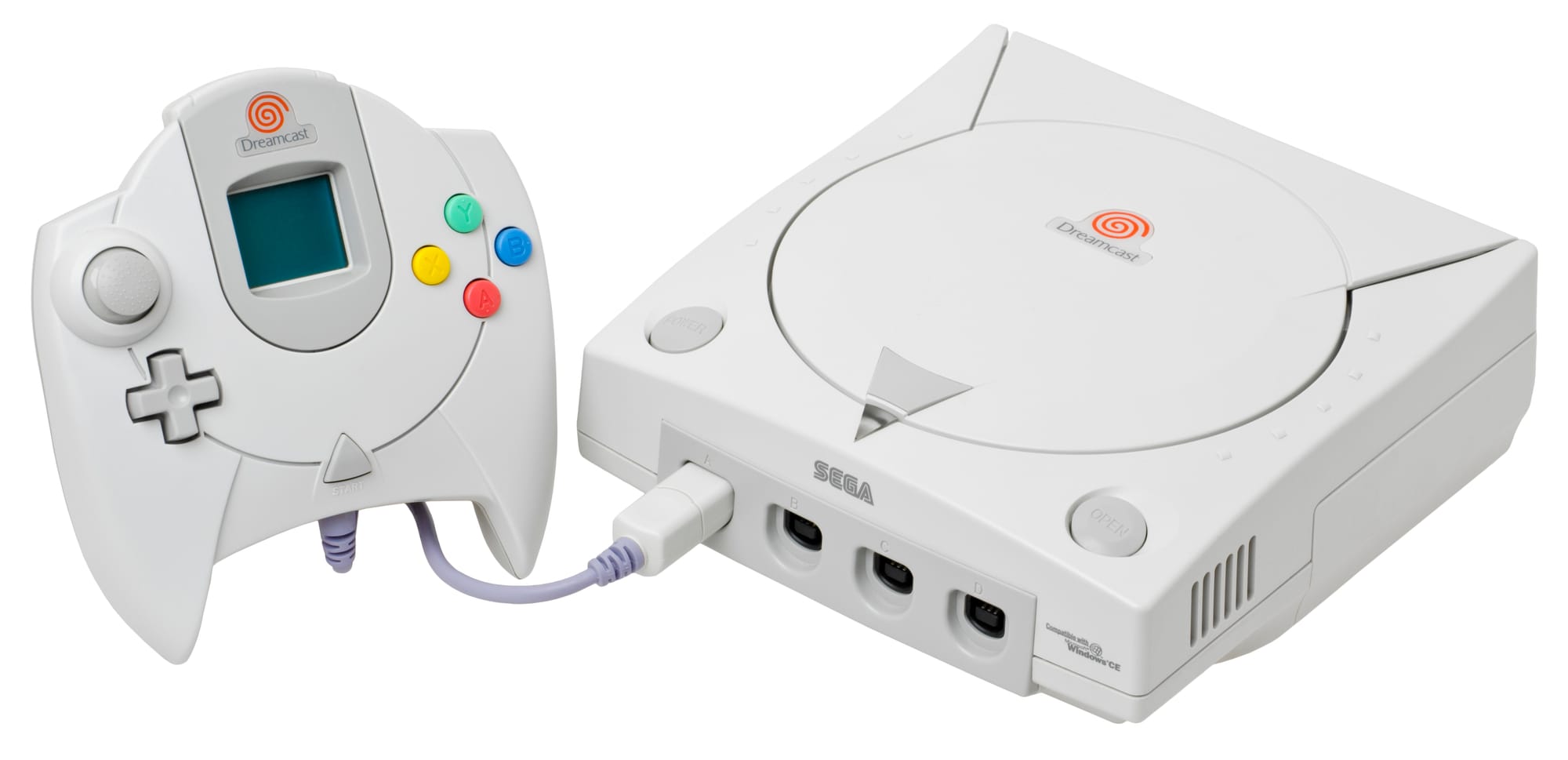
SEGA may now be one of the leading Japanese developers with games on nearly every known gaming platform, including the Apple gaming service, but the Dream still lives on in the hearts of SEGA fans all over. Whether it is the surprisingly regular release cycle of indie Dreamcast games or nostalgic retrospectives such as this one, SEGA's days in the sun as a leading console manufacturer are still fondly remembered.
Street Fighter III
THE FUTURE OF 2D FIGHTING
In pop culture, people claim they want change, but also want things to be just as they remember them; there's no winning, really. Such was the case with Street Fighter III, which sported new graphics, jazzier music, and a new generation of world warriors. Yet, people still wanted another Street Fighter II even though they claimed they'd had enough of it by Super Street Fighter II X: Grand Master Challenge.
Street Fighter III was an exciting and fresh beginning for the series, oozing with charisma and meticulously animated 2D graphics. It wasn't until the Dreamcast that the trio of titles finally found a home on console, and have since been ported numerous times, including the excellent 30th Anniversary Collection. Dreamcast may have wanted to be the cutting edge of 3D at the time, but much like the SEGA Saturn before it, SEGA's 128-bit swansong could still produce incredible 2D games. Street Fighter III opened a floodgate for the likes of Guilty Gear X, Mark of the Wolves, and Capcom vs SNK.
Soulcalibur
BETTER THAN ARCADE PERFECT
Soulcalibur might be among the greatest launch titles gaming has ever seen, neck and neck with the likes of Halo: Combat Evolved, Super Mario 64, and even Breath of the Wild as the greatest opening acts in console gaming. To this day, the original Soulcalibur remains the blueprint and gold standard for 3D fighting games, and at the time, provided the Dreamcast the stunning showcase it needed.
Sequels were bigger and apparently better as each new entry added shinier graphics, new characters, new moves, and more inventive ideas for gameplay modes than the last. Yet, when all is said and done, not even Soulcalibur VI can match the sublime simplicity and flawless execution of the original fighting mechanics on Dreamcast. Sometimes less is more so no matter how good the 4K assets may be, they will never click and engage a player quite the same way as the seminal fighting hit on Dreamcast.
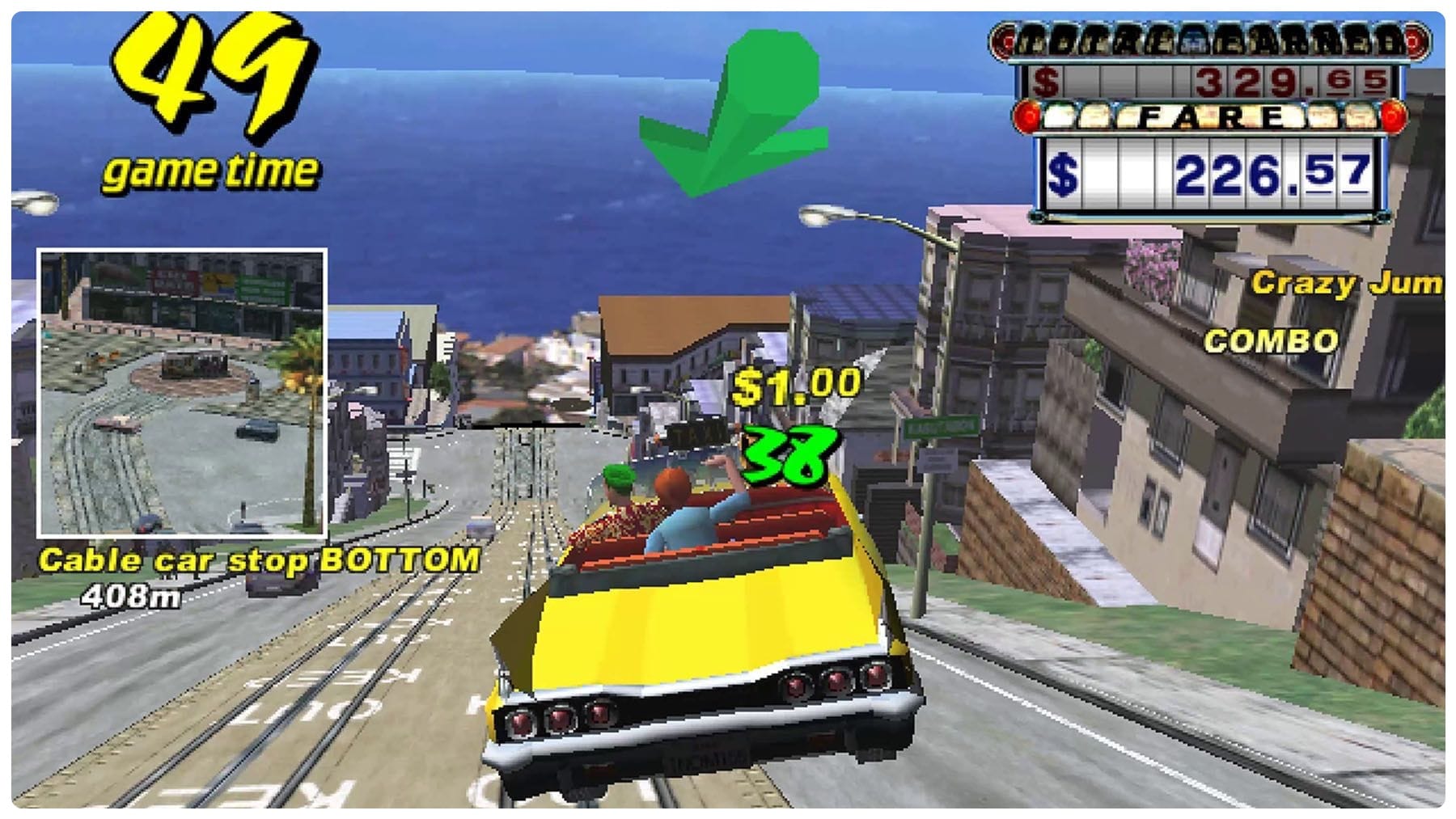
The thoughtfully designed and entertaining gameplay systems were complemented by vibrant visuals and a soundtrack that has become a legend in its own right.
Crazy Taxi
GAMES JUST WANNA HAVE FUN
No one did arcade gaming better than SEGA, an art form all but gone in most parts of the world, though it remains a thriving culture in Japan. The company's last global arcade hit was a game about driving a cab around a bustling American city, where the goal was to get each passenger to their destination in record time and by any means necessary, road and traffic laws be damned. This was Crazy Taxi, and as an arcade game combining score attack, action, and racing sensibilities, it was the perfect arcade experience, even more so when it found its perfect home on Dreamcast with a literal crazy box of extras to boot.
Crazy Taxi will always, always be a fun video game, for all player types at any time, keeping them coming back for more. The thoughtfully designed and entertaining gameplay systems were complemented by vibrant visuals and a soundtrack that has become a legend in its own right. Punk rockers The Offspring had no shortage of fame and recognition back then, and yet their music became synonymous with Crazy Taxi in a way where we simply can't imagine one without the other. Crazy Taxi on Dreamcast remains the best way to experience this arcade classic, as recent ports and remasters no longer have the original music license. Yeah, yeah, yeah, YEAH!
Shenmue
ART IMITATES LIFE
As much as I adore video games, I've never once felt addicted to them, and even my most cherished of games have never taken over my life. I did my homework, got the grades, handed in the dissertation, and showed up to work. Yet, if there was one video game which I truly felt overpowered by, it was Shenmue. No game had ever made me feel genuine separation anxiety until I escaped into Shenmue and experienced what felt like a second life.
Shenmue also daringly gave its players tough love by teaching them that sometimes you just need to let things be and go with the flow. If someone told you to show up at a certain time and place tomorrow, then you really had no choice but to kill some time playing Hang On or throwing darts until it was time for bed. There was nothing like it at the time, and perhaps even to this day, there are hardly any games that match its living, breathing world.
A lot of Shenmue's ideas can be found in open-world gaming epics today, but it is still mind-boggling just how staggeringly detailed this Dreamcast adventure was. When it was part of an HD remaster pack, Shenmue still had a level of immersion and attention to detail that modern games could only hope to achieve. Ryo Hazuki's quest in the sleepy suburb of Yokosuka still provides an incredible sense of escapism, a level of immersion so overpowering that stepping away from it can be difficult and scary. Despite Ryo's revenge motives, it was a safe and calming escape from reality for the player. Like a Dragon may provide more entertaining activities in its bustling city backdrop, but Shenmue was a home away from home you just didn't want to leave.
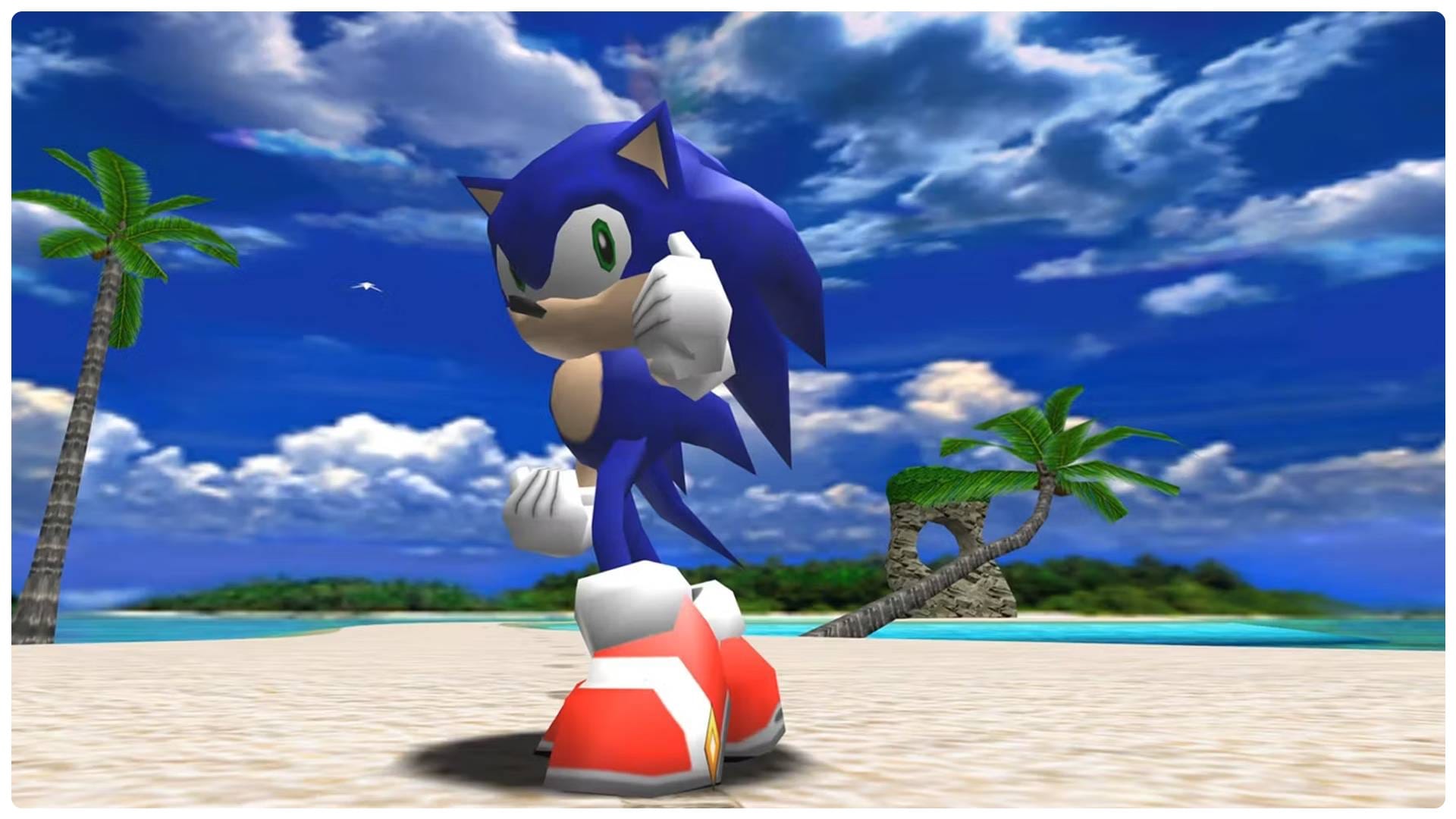
It may not be held in the same esteem as Mario's legendary 3D epics, but this Dreamcast classic wowed players at launch and still remains a sound blueprint for an engaging and balanced 3D Sonic game.
Sonic Adventure
BIG ADVENTURE AMBITIONS
Sonic the Hedgehog had a very bumpy transition into 3D during the Saturn days, and even now, a modern 3D Sonic release is met with utmost cynicism and disdain. Yet, as a much-needed launch title for Dreamcast, the original Sonic Adventure ticked all the right boxes as the Blue Blur's true transition into 3D gaming. This ambitious project went in guns blazing to be the most epic 3D platformer gaming had ever seen, and at the time, it succeeded on all fronts.
As the title suggests, Sonic Adventure situated its action-platforming stages in an open RPG-style world with quests and character dialogue. The production values were just what it needed to give Dreamcast its quintessential launch title, from its then-astounding 3D graphics to the rocking soundtrack. As a 3D platformer, it executed all of its ideas soundly, owing much to Sonic's effective homing attack. There were other playable characters too, and while at this point we've all had enough of Sonic's friends, back then they were welcome and brief distractions from the primary gameplay design.
Sonic Adventure featured a sound and purposeful design we haven't seen in subsequent 3D Sonic games, including the super-charged sequel Sonic Adventure 2, which most people prefer. As for me, there was something clean and simple about the original Sonic Adventure, making it a game I find myself revisiting just as frequently. It may not be held in the same esteem as Mario's legendary 3D epics, but this Dreamcast classic wowed players at launch and still remains a sound blueprint for an engaging and balanced 3D Sonic game. It is an underrated and underappreciated 3D platforming classic for sure.
SEGA After Dreamcast
When the company exited the hardware race, software became its number one focus, and their top priority was to find a new home for ideas that were basically Dreamcast projects.
Shenmue II
THE SAGA CONTINUES ON XBOX
For the longest time, Xbox was the only place to play Shenmue II, due to a very limited international release of the Dreamcast version. For a moment in time, Microsoft actually owned the IP, but ended up doing nothing with it. At the time, experiencing Shenmue II on Xbox was one of those surreal next-gen gaming moments, as the city of Kowloon provided an incredibly immersive and interactive game world. The story may have ended on the longest cliffhanger that Shenmue III barely resolved, but it's all about the journey here.
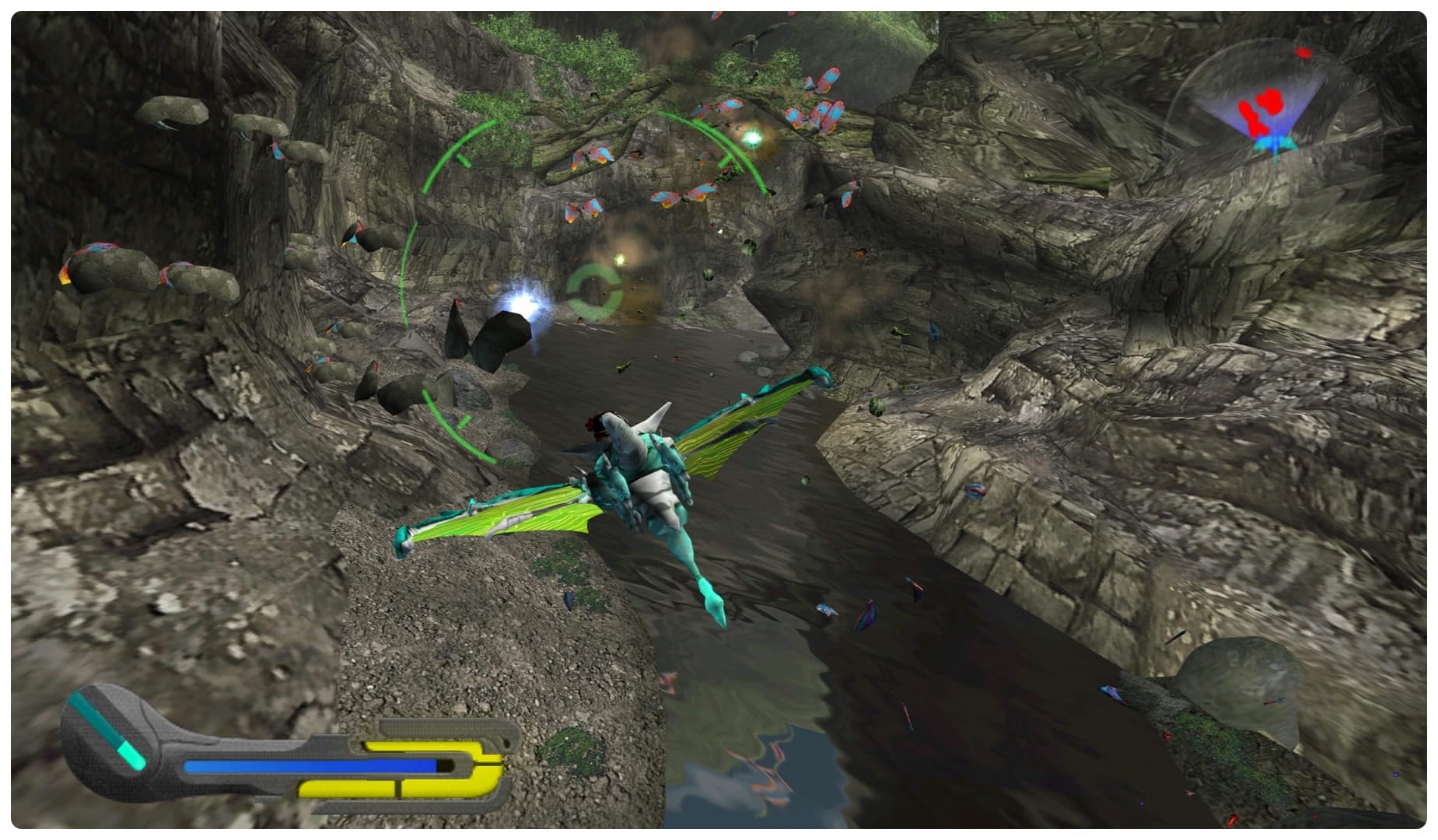
It remains the absolute pinnacle of the now nearly dead 3D on-rails shooter genre, and not only was it an ambitiously epic shooter, but the scope of its lore and world building rivalled, if not surpassed, most RPGs.
Panzer Dragoon Orta
CUTTING EDGE OF ART
This was the game that made me, with a PS2 on my shelf, envy Xbox owners. By the time Panzer Dragoon Orta landed as an exclusive, it was only a matter of time before I had to jump to the dark side. This is a stunning and timeless on-rails shooter, and even now it has not aged a day when played via One X Enhanced backwards compatibility, with its stunning graphical engine bringing the game's surrealist artwork to life. It remains the absolute pinnacle of the now nearly dead 3D on-rails shooter genre, and not only was it an ambitiously epic shooter, but the scope of its lore and world building rivalled, if not surpassed, most RPGs.
Bayonetta
THESE BOOTS WERE MADE FOR WALKING
We live in a very different world now, especially when it comes to video game culture, where the games themselves are less of an escape and more of a social statement. I find that Bayonetta was the last example of a time when a video game was uncompromisingly and confidently sexy. There is nothing to fault here, because Bayonetta as a protagonist is as badass as they come, and in fact represents a fine balance which we don't really see anymore. We either see the Senran Kagura or the Gone Home, but we don't see the sweet balance in-between like Bayonetta anymore.
What's more important is that Bayonetta was a major kick in the rear for the action genre because Devil May Cry, Ninja Gaiden, and God of War had started to grow very stale. Bayonetta rejuvenated the genre by being uncompromisingly grandiose in its action set pieces and fluidly entertaining in its combat system. The bodacious presentation was memorable too, with its smooth, jazzy soundtrack and a wealth of clever SEGA references thrown in for good measure.
SEGA's Most Influential IP
The company's influence in nearly all realms of entertainment and pop culture can be attributed to the lasting and growing legacy of its properties. Certain names and characters are just recognisable, even among non-gamers.
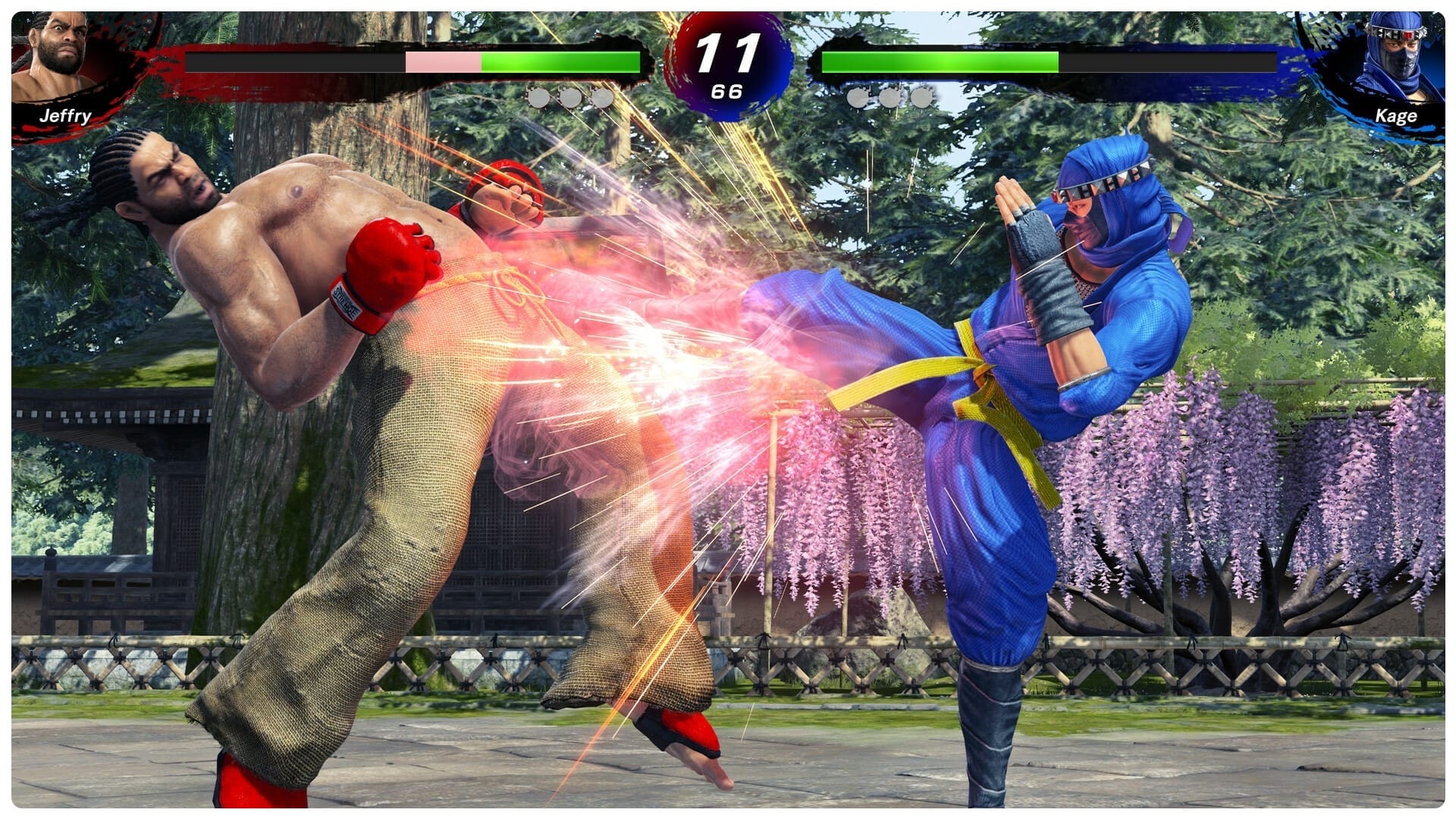
When the original Virtua Fighter was released, it became the premier 3D fighting game, and by the time Virtua Fighter 2 came out, the graphical technology had jumped leaps and bounds in a very short time.
Virtua Fighter
TRUE PIONEER OF TOURNAMENT FIGHTING
3D fighting games have become a mainstay of the industry and a major part of the big money competitive gaming scene, for better or for worse. Whether it's Tekken 8, SoulCalibur VI, or Mortal Kombat 11, all 3D fighting games today can trace their DNA to the pioneering Virtua Fighter. The Virtua brand of arcade games were the pioneers and cutting edge of 3D arcade gaming back in the '90s. Whether it was Virtua Racing, Virtua Cop, or Virtua Fighter, these games took established genres successfully into the realm of 3D.
When the original Virtua Fighter was released, it became the premier 3D fighting game, and by the time Virtua Fighter 2 came out, the graphical technology had jumped leaps and bounds in a very short time. It is unreal that these two games are part of the same hardware generation, because the leap in gameplay, graphics, design, and technology was positively mind-boggling back then, unlike the incremental resolution/texture improvements we see between modern video games.
By the time Virtua Fighter 3 hit arcades, the fabled Saturn port never quite reached fruition due to several corporate reasons. Once the Dreamcast version arrived at the console's launch, there were far more attractive alternatives available, primarily the groundbreaking Soulcalibur, which also launched with the system. Much like Street Fighter III, the home version of Virtua Fighter 3 was a case of too little too late, and while it may have enjoyed a measure of success in the arcades, the home version didn't quite reach the audience it deserved.
For a long time, it was only playable on an arcade cabinet or a SEGA Dreamcast, and only recently became a playable mini-game in Like a Dragon: Infinite and Like a Dragon: Pirate Yakuza in Hawaii. The Japanese release of Virtua Fighter 3 came packaged with an exclusive Project Berkley video disc; this bonus disc provided a world premier look into a game which would eventually become Shenmue. It's a shame how Virtua Fighter 3 is often forgotten, even among the most diehard of Virtua Fighter fans.
The game was daring and experimental in its design, retaining the same fighting system which made Virtua Fighter 2 such a polished experience, whilst situating those fighting mechanics in an innovative setting. The third game is innovative, introducing interactive, dynamic 3D arenas in which to battle. This was a trend that games like Dead or Alive 2 and Tekken 4 would follow, by attempting to make the fighting experience feel more alive than simply having two combatants battle in flat stages. The arenas in Virtua Fighter 3 varied in terrain, and the locations were adventurous as fighters would battle in places like train stations and islands, all featuring interactive elements that added unique layers of strategy to 3D fighting.
The visual presentation was strong too, and so it felt like a brave step forward to make 3D fighting games feel more like experiencing an action movie fight-scene firsthand. Sadly, these innovative ideas did not translate well into competitive play, where only perfectly polished fighting mechanics mattered, and things like interactive environments would impede competitive balance. Since then, only Dead or Alive has continued to further evolve its stage and arena design, while Virtua Fighter (and even games like Tekken and SoulCalibur) continued to play it safe by tournament standards.
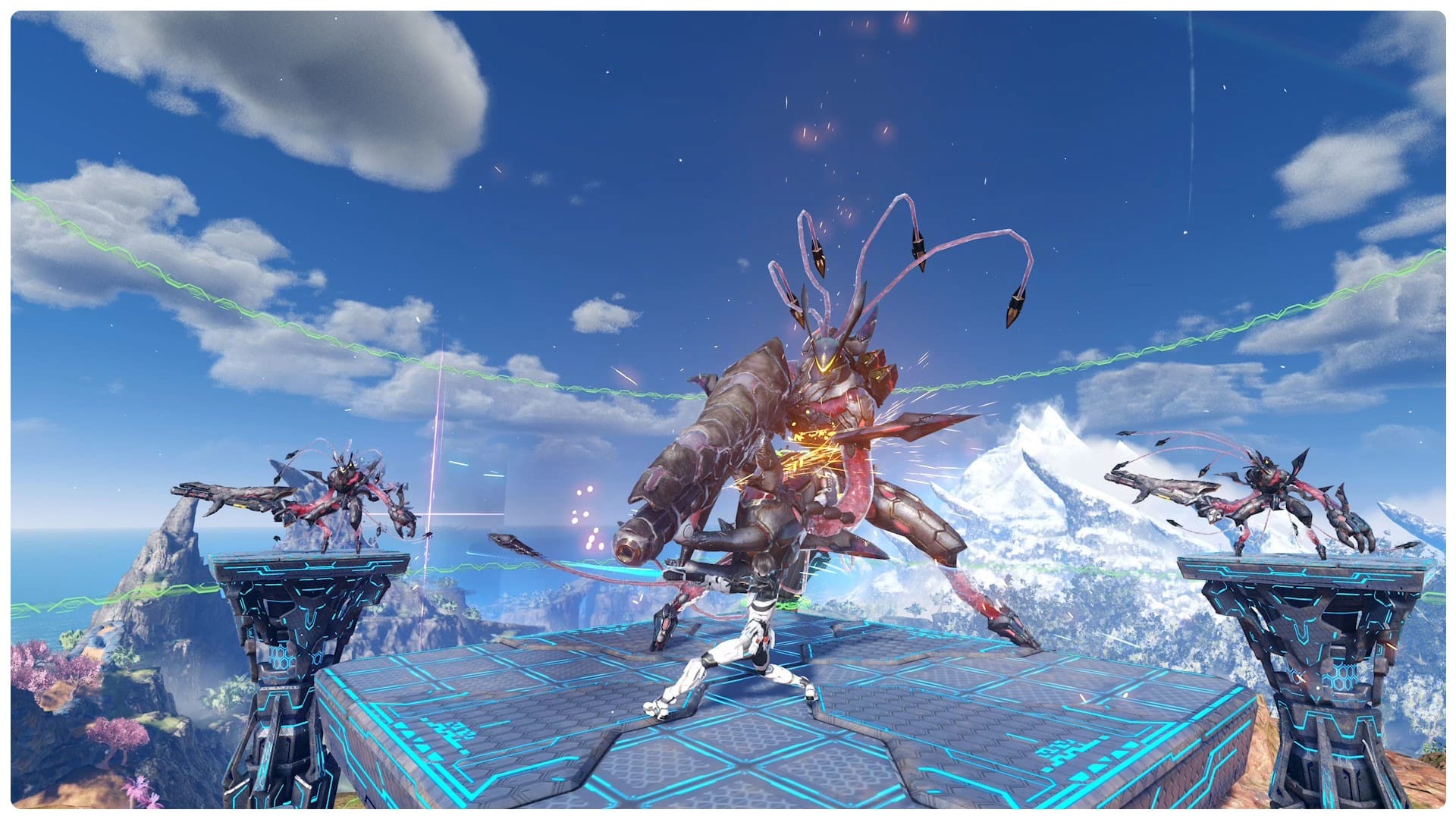
Phantasy Star Online 2 as a whole is just utterly cathartic, and not only because of its charming SEGA presentation, but also because of its thriving community of like-minded fans.
Phantasy Star
GALAXIES, ONLINE, AND BEYOND
The original 1988 Phantasy Star was not only a planet-hopping galaxy-sized sci-fi RPG epic, but also featured a genuine female protagonist decades before it became a political trend. As a sci-fi RPG, it had more than enough originality and style to distinguish itself from Final Fantasy or Dragon Quest, and when it became one of the first console MMOs on Dreamcast, the series had set a new benchmark. Today, it still thrives as the hugely successful Phantasy Star Online 2, which provides an intergalactic MMO alternative.
MMORPGs are now the most commercialised form of video games, a genre that has seen extortion and money laundering committed through them in recent years; but there was once a time when the very idea of an online RPG was the most magical thing anyone could dream of.
Phantasy Star Online (PSO) on Dreamcast was the first time console gaming had fully ventured into MMORPGs, a domain once in the exclusive possession of the more internet-ready PC. While it didn't attempt to be the next EverQuest by any stretch, what PSO did achieve was creating the most console-friendly online RPG experience, rather than emulate the juggernauts of PC gaming. This proved to be the greatest strength for what was one of the most successful games on Dreamcast, as players could enjoy a fun and engaging combat system, whilst experiencing a sense of wonder exploring an intergalactic setting with the rest of the world online.
By the time PSO2 rolled in, MMORPGs had become a far more competitive and cluttered genre on console, especially once Final Fantasy stepped in as a hugely successful Japanese MMO alternative to World of Warcraft. Still, where most games in the genre gravitated towards a fantasy backdrop filled with orcs and fairies, there weren't many games venturing into the galaxies for a full sci-fi adventure. In this sense, PSO2 still satisfied a niche.
In the first eight or so years of its existence, the chances of the game receiving an international release were slim to none, as SEGA chose to keep it exclusive to Japan and some parts of Asia. This was a source of anguish for fans in the rest of the woprld, as they patiently awaited the year they could finally join in on the fun. The fact that the game was on PlayStation Vita could have done wonders for Sony's oft-forgotten handheld, as having a portable MMORPG playable on an international scale would have been a groundbreaking feat. Alas, it wasn't to be, and so beyond Japan, PSO2 became a niche experience for anyone willing to jump through some hoops, and make use of fan-made translation patches.
In 2019, Microsoft announced that they were going to be the ones to not only bring Phantasy Star Online 2 to Xbox, but also to all audiences worldwide, and so by the time 2020 rolled in, the game finally launched in most major regions as a free-to-play title. Yes, like other games sporting the deceptive "free-to-play" model, PSO2 is also guilty of having an offensive amount of paid content to lure unsuspecting players, but for those looking to just have some fun without taking things too seriously, then there's really no push to spend any real money here.
SEGA will always have a distinct charm, and it's one of those things where many intangibles come together to create a wholly unique experience. Phantasy Star Online 2 captures the same charm and magic one gets from inserting a token into a Daytona USA arcade cabinet; it's an instantly vibrant tour de force which sweeps players in with a unique presentation only SEGA can create. From the character designs, to the music, and the overall presentation and pace, there is really nothing quite like PSO2, even in a gaming landscape where there is no shortage of online service games.
PSO2 works on a fundamental level because it plays like a decent action game backed by deep MMORPG systems. The combat system has enough versatility here to allow players to come up with new combination attacks as new skills are acquired, and so it's always a cathartic experience just to beat up a horde of enemies. What shines through, more than the atypical loot-gathering and team expeditions, are the boss battles, which have a distinctly iconic SEGA appeal in their presentation and design. Taking down these behemoths by figuring out their distinct patterns is easily the most rewarding aspect of the whole experience.
Going back to the arcade gaming comparisons, Phantasy Star Online 2 has the appeal where it is generally quite easy to get into, yet the difficulty curve is just right to give players a sense of satisfaction. As easy as some of the bosses can be, taking them down still feels rewarding thanks to their larger-than-life presentation. But to say PSO2 is a simple game would be inaccurate; what it does is allow the player to make the experience as easy and fun as they want it to be. For those who enjoy more depth and complexity, they will certainly find more than they bargained for, given the endless gameplay customisation systems, each drowning in an ocean of menus.
For lack of a better term, when you get right into it, PSO2 can feel very bureaucratic, almost like an unintentional satire on the deep-seated culture of bureaucracy embedded in Japanese society. Just in the main lobby alone, you will find an army of admin officers, each with some specific role to play. There are manuals to read, training modules to complete, forms to fill out, and even licenses to obtain. It is certainly a lot to take in, and that's even before getting into all the deep character customisations and crafting systems. Then there are all these badges and coins, which I'm still not quite sure about. Thankfully, PSO2 doesn't necessarily force players to indulge in these things unless they really want to engage with (and enjoy) intense micromanagement. Some of us, though, just want to jump in and have a bit of fun by going back to a simpler time when online gaming on console was still a novel idea.
Phantasy Star Online 2 as a whole is just utterly cathartic, and not only because of its charming SEGA presentation, but also because of its thriving community of like-minded fans. Many of these grew up as SEGA fans playing Phantasy Star on Mega Drive or spending countless hours on the then-groundbreaking Dreamcast MMORPG. In one expedition, I found myself trapped in a barrier which would have taken me ages to break out of. Then, along came a stranger to break me out and say, "Hang in there, you're doing great!" Then there are other little moments, such as the concerts that occur in the lobby, even featuring musical appearances from the cast of Shin Megami Tensei: Persona. It's really a combination of all these little memorable moments which make the journey into this online sci-fi universe so welcoming and comforting. In 2021, Phantasy Star Online 2 New Genesis came along, taking the intergalactic adventure to new cosmic heights.
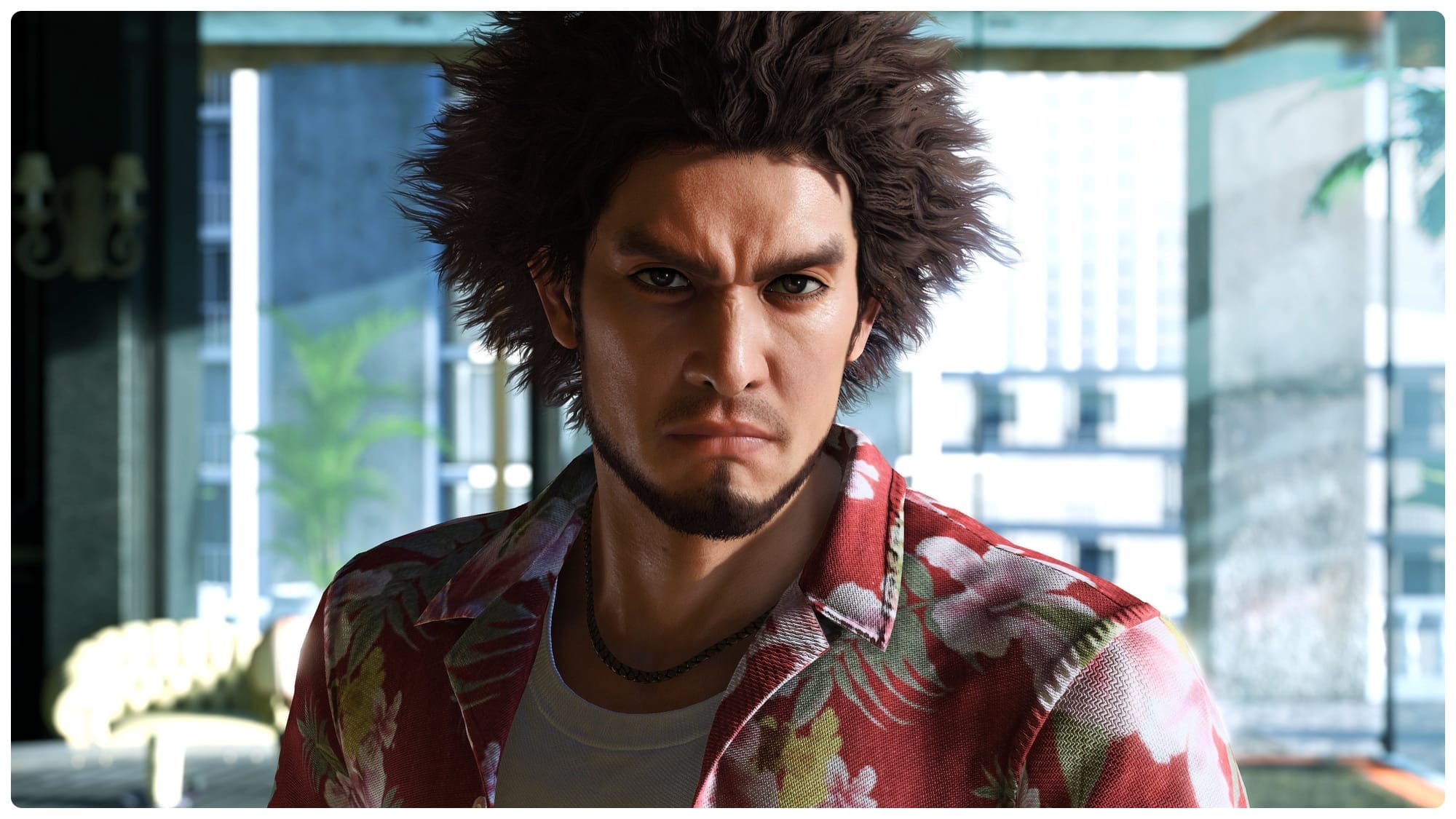
The eighth game in the mainline Yakuza series, Like a Dragon, gave us a new hero, a new storyline continuity, and above all, a completely new genre.
Like a Dragon
THE YAKUZA HAVE FEELINGS TOO
If Shenmue laid the foundation, then Yakuza: Like a Dragon was the one to take it into the future. It is a crime drama wrapped in one hell of an open-world beat 'em up. The Yakuza series encompasses nine mainline games alongside spin-offs and remakes; this is the franchise that defines SEGA for a wide audience, and with no signs of slowing down, this will certainly be the company's defining IP for the foreseeable future. Crime doesn't pay, but it can certainly be fun if there are plenty of mini-games to try and hostess cafes to spend Yen on. There was also that one time when the roster of New Japan Pro Wrestling made an appearance. The franchise is a modern gaming icon in the truest sense.
Where most developers dare not poke something that still sells and reviews extremely well, SEGA were daring enough to make some radical changes to their reliable franchise. The eighth game in the mainline Yakuza series, Like a Dragon, gave us a new hero, a new storyline continuity, and above all, a completely new genre. An alternative to the wild beat 'em up, the series moved to becoming a turn-based Japanese RPG, but still situated in the vibrant craziness of the open world design. It is a breath of fresh air to a series that was never really short on innovation in the first place.
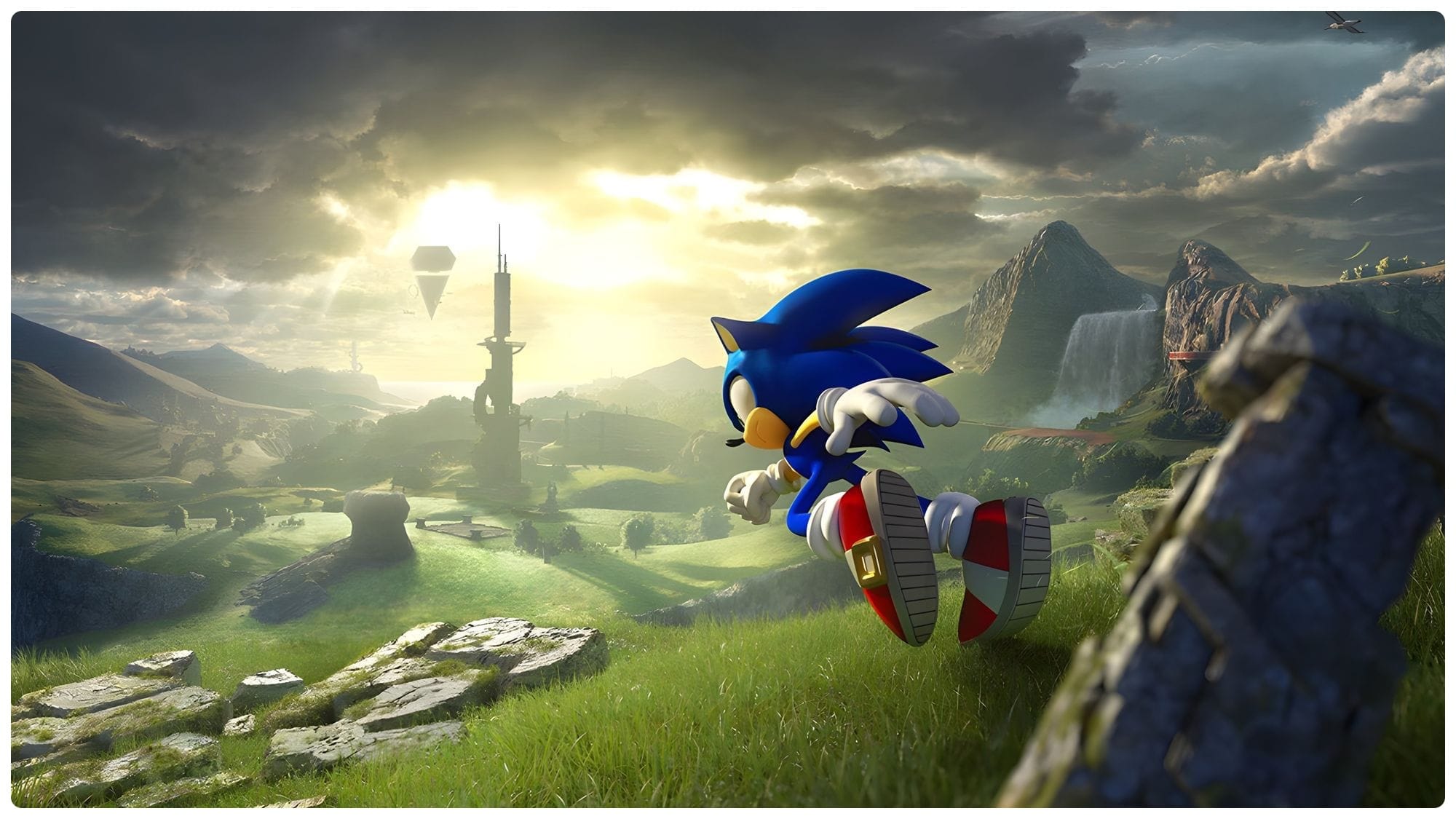
SEGA and Sonic go together like Disney and Micky Mouse...
Sonic the Hedgehog
KEEP GOING FAST
SEGA and Sonic go together like Disney and Micky Mouse; in fact, the original code name for the Blue Blur was Needlemouse. At one point, it was supposed to be Alex Kidd who would be the poster mascot for the company, but despite some solid yet viciously difficult platformers, it was Sonic who provided SEGA the timeless gaming icon and franchise they needed to become a global household name. Even now, Sonic as a series continues to be adored by fans both old and new, and while video games continue to be the main crux of the Sonic experience, it appears a Hollywood career will define the future of this fast-moving and evolving hedgehog.
The release of Sonic Generations in 2011 felt like the culmination of my life as a gamer, which began at the age of five when I first played the original Sonic the Hedgehog. In fact, my entire gaming life has been about searching for an experience that would bring me the same amount of unbridled joy as Sonic the Hedgehog 3 on the Mega Drive; it's this hope that has kept me going. I still regularly play those classic Sonic games, and the newer games aren't always great (far from it), so Sonic Generations truly was a full circle moment for the franchise and for me personally. The review I wrote for it was a peak writing career highlight, and at the time, I felt it was the best way to go out. Obviously, I'm still playing games and still writing about them too, but it's only really just a habitual continuation of a lifestyle, the only way I know how to live in this big, bad world. Since then the game has been expanded and remastered as Sonic x Shadow Generations, and honestly the higher frame rate enhances the experience a fair bit!
They turned Sonic into a werewolf, which really sucked, and then they turned Sonic into an open-world epic. The weirdest part is, it actually worked, too. Sonic Frontiers wasn't made for the lapsed and grizzled fan. Don't get me wrong; I loved what I played of it, and it's crazy to me how a 20-hour adventure worked for the fast-paced platforming action. Is it for me? Honestly, no.
Sonic Frontiers did enough to pay homage to the past, even as it paved the path for a bold new future. I don't think I will stick around for what comes next. I'm happy with just revisiting Sonic Origins and whatever compilation of classics they do next, but a future where Sonic games are RPG-sized epic adventures, it's just not the same game I fell in love with back in 1992. That's okay, because imagine being a kid and Sonic Frontiers is your first one. Good for you, new Sonic fans.
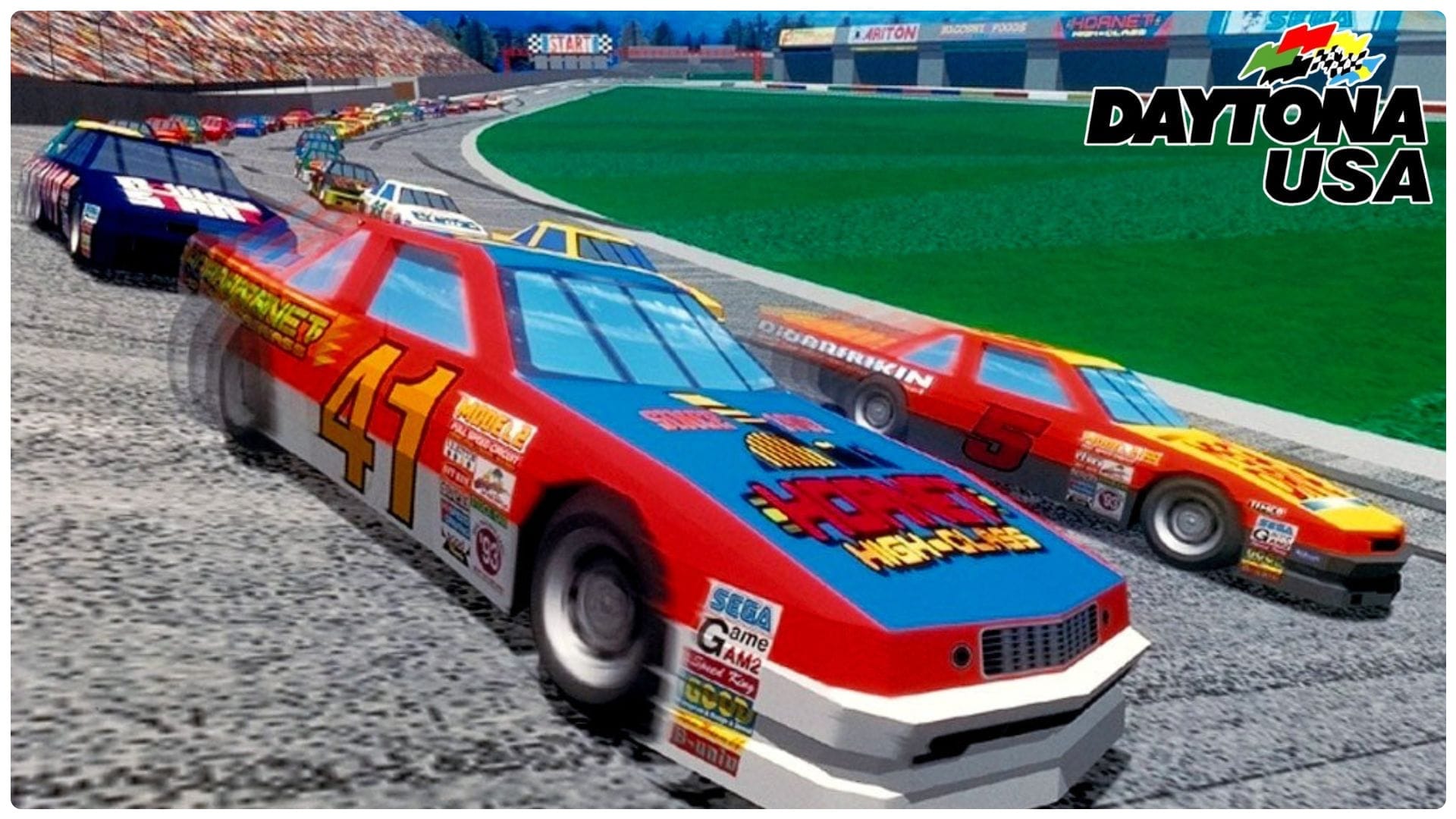
No video game captures the energy and excitement of arcade gaming quite like Daytona USA, irrespective of the genre of its arcade peers.
Daytona USA
PEAK SEGA ARCADE
No matter where you are in the world, no matter how small or remote a town, chances are you will find a Daytona USA arcade machine plugged in somewhere. You can't find Pac-Man arcade cabinets anymore, but you are almost guaranteed to find SEGA's energetic arcade hit, whether in outback Australia or a bar in the United States.
No video game captures the energy and excitement of arcade gaming quite like Daytona USA, irrespective of the genre of its arcade peers. As an arcade racer, it has yet to be topped, with pretenders continuing to emerge to this very day. From the iconic vocal songs to the simple yet challenging driving model, Daytona USA was a case of less is more. The experience was amped up with vibrant visuals and an unforgettably cheesy, yet utterly charming, selection of vocal songs. The songs alone have taken a life of their own, and the soundtrack has, independent of the game, become a legend in its own right.
No home version ever did this classic justice, and even the excellent XBLA and PSN release has been delisted, but that’s fine, because this is a game that simply must be experienced firsthand on an old, rundown machine. My fond memories of playing this coin-munching game were with a machine they had at my local KFC, so every Sunday it would be Zinger burgers and a few races of Daytona USA. I can't chow down Zingers like I used to, but I won't hesitate to be that one weird guy who's playing the spider web-covered Daytona USA machine.
SEGA Goes Hollywood
As the first true movie adaptation of the franchise, Sonic the Hedgehog in 2020 exceeded expectations, and the sequels did good business too, with another film on the horizon.
The Sonic movie was rightfully made for a new generation of fans, and yet, for lifelong fans who were around when the video game launched on the Mega Drive, this felt like a full-circle closure moment. For those of us who played the 16-bit games back in the day, a lot of the backstory had to be filled in by our own imagination, based on whatever vague information was printed in the game's instruction booklet.
Sure, we had the Archie comics continuity later, but that one got a little ridiculous, and it continues to be so. Seeing my childhood imagination and wonder come to life on the Hollywood screen was better than anything I could have dreamed up even as a kid. The casting, the story beats, all of it stayed true to the source material, and smoothly integrated so many themes and devices from the franchise's overarching lore.
From Sonic and Tails establishing their lifelong friendship, to Sonic and Knuckles going through the ups and downs of being frenemies, these are three of the most iconic characters from the franchise, and I don't think they could have been portrayed any better than what we saw in these films.
Jim Carrey was absolutely manic and creative with his uniquely improvised take on Robotnik/Eggman; he turns it all the way up to 11, all while flawlessly metamorphizing into the video game likeness with flying colors. I now can't imagine the evil genius as any depiction other than what Jim Carrey has created here, who was practically destined for the role. Jim's comedic timing and nefariousness as Eggman were always on point, and his tone shifted with the mood of the situation. I think what the films did so well was recapture a sense of innocence, the proverbial lightning in a bottle that made those classic games so endearing to us in the first place. There was also the sense of discovery and wonder, whether it was Sonic and Tails navigating an adventure for the first time, or Sonic and Knuckles duking it out in a battle most of us wished we could have witnessed in our own childhoods.
Playing Sonic the Hedgehog 2 for the first time on the Mega Drive is a vivid childhood memory I will always hold near and dear to my soul, a moment where I was dazzled by the explosion of vibrant colours, imaginative character designs, and energetic music; all these amazing elements came together to complement the adrenaline of the action platformer gameplay. This was a trailblazing moment, giving us characters and a style of fast-paced gameplay no one else has been able to duplicate. The films recreated this sentiment eloquently; they had everything from Chaos Emeralds to a full-fledged final boss battle sequence, the latter being the most thrilling climax to all of the action. As for the trio of heroes, it was a real joy to see my favourite characters come to life the way they did here.
It needs to be said just how perfect Idris Elba was in his next-level portrayal of Knuckles, even scoring a spin-off mini series. The red echidna has long been the cool alternative to Sonic in the games, and here we see an intensely unique personality for the character, one with surprisingly swift comedic timing, too. The depiction is badass and yet charmingly naïve. Moving forward, it's hard to imagine Knuckles in any other way. Keanu Reeves as Shadow the Hedgehog couldn't have been a better match either.
SEGA Does
It's a pretty cool feeling to be a part of such a pop culture mainstay, gaming and beyond. What the next century holds for SEGA is anyone's guess, but as long as they keep doing what no one else does, I'm sure we will see this company leave a mark on the gaming and entertainment industries for years to come.