What Does Elegance Mean in Game Design?
Exploring the elegant


A few weeks ago, I finished my first game. I wrote about that, and then I did something that probably seems like a step backwards. I stopped making games and writing code and started reading about them. The jam had taught me I could "finish" something (even though it was not a finished game) and for that, I'm really happy. However, it hadn't taught me whether the thing I'd finished was any good. So I decided to buy a small stack of game design books and started working through them. In other words, I went back to the theory, the way I always do between two projects. For those interested in the books I read, I share them at the end of the post.
Most of what I read lined up with things I'd already half-figured out by building (which is always good news). However, one word kept coming back that I couldn't pin down, and the more I saw it, the more it nagged at me: elegance. It seems that designers use the term as if everyone's already agreed on what it means, or they go really quickly on that concept, and I didn't catch it. This article is really just me trying to work it out: what elegance is, why it gets confused with something else, and what changes it's quietly starting to make in the way I build.
First, What is Game Design?
Before we go near elegance, we need to put game design itself on the table. By we, I mean both of us: me writing this, and you reading it. We're players; we've all heard the term thrown around. But if you stopped most of us mid-game and asked what game design actually is, I'm not sure we could answer. I couldn't, for a long time.
Game design is the craft of building the rules and systems that produce an experience when someone plays them.
So, a game designer doesn't make an experience. They make a system, or, in other words, a set of rules. The player plays within that system, and the experience is what emerges from it. That's the strange heart of the craft. As a game designer, you create indirectly. A novelist controls what you feel, line by line. A filmmaker controls the rhythm and the tension of the scene. A game designer needs to give that up: You tune a machine, hand it to a stranger, and that stranger produces feelings and stories you never wrote.
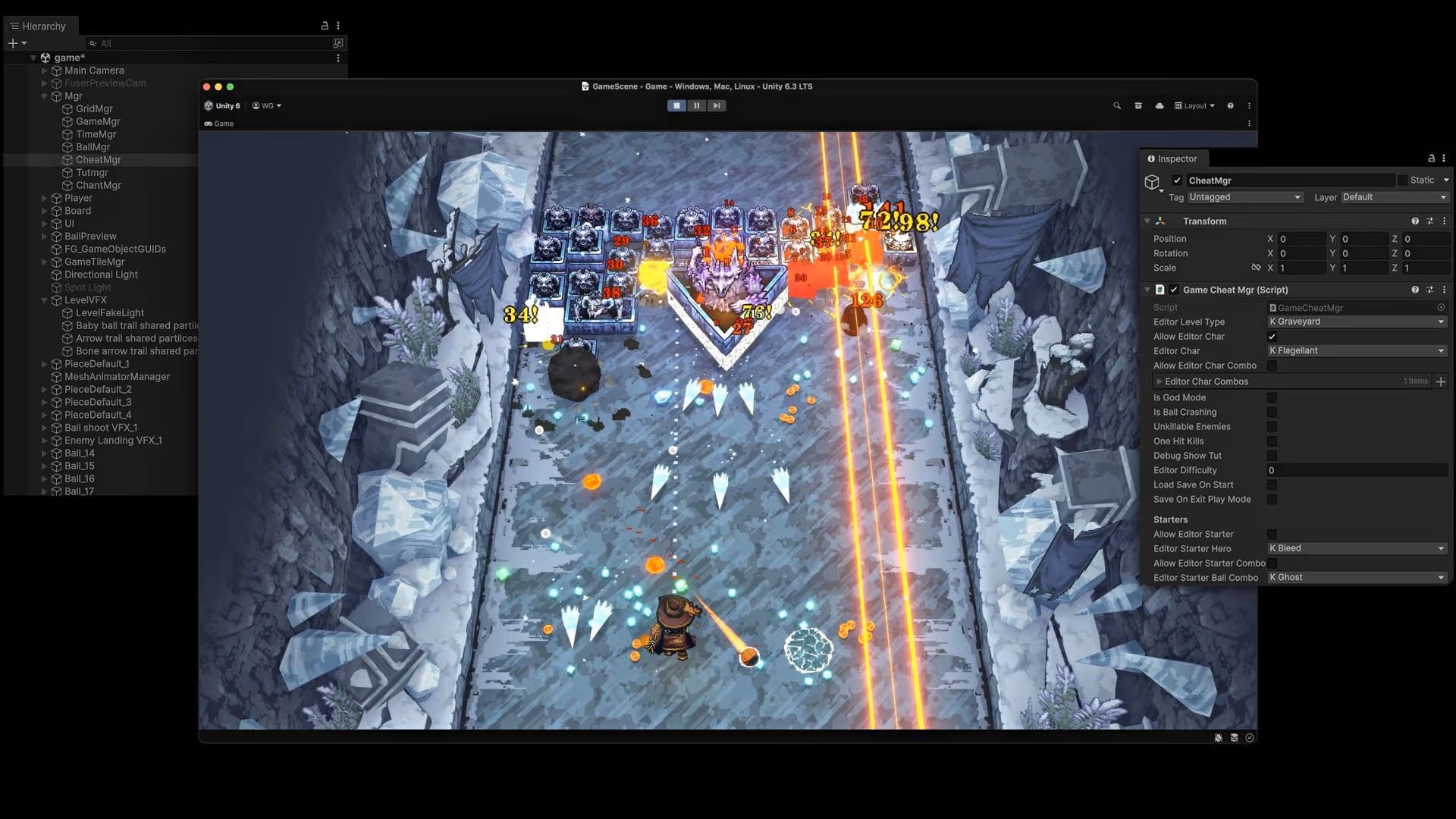
And here's the part that matters for what's coming: because you're building a system that generates, instead of placing every moment by hand, a tiny set of rules can open up a space far bigger than the rules themselves.
Hold onto that. It's the floor the whole idea stands on.
So What is Elegance?
Elegance is when a few rules produce a lot of depth. Let me unpack both words, because the whole essay leans on them.
A rule is just something the game lets you do or refuses to let you do. The pawn moves forward but captures diagonally. You can dash once in mid-air. The block falls, and you can rotate it. Each rule is small on its own, a single permission or limit.
Depth is everything those rules add up to once they start interacting. It's the number of meaningfully different situations the game can throw at you, the room you have to think, plan and outplay someone. Shallow means you've seen all the game has to offer in an hour. Deep means you're still finding new situations a hundred hours in, out of rules you fully understood on day one.
Elegance is the gap between those two things: tiny rules, enormous depth. Few pieces, many consequences. The instinct is to add — another mechanic, another system, another option. Elegance is the opposite reflex: getting more out of less, so that every rule you keep is quietly doing the work of several you never had to write.
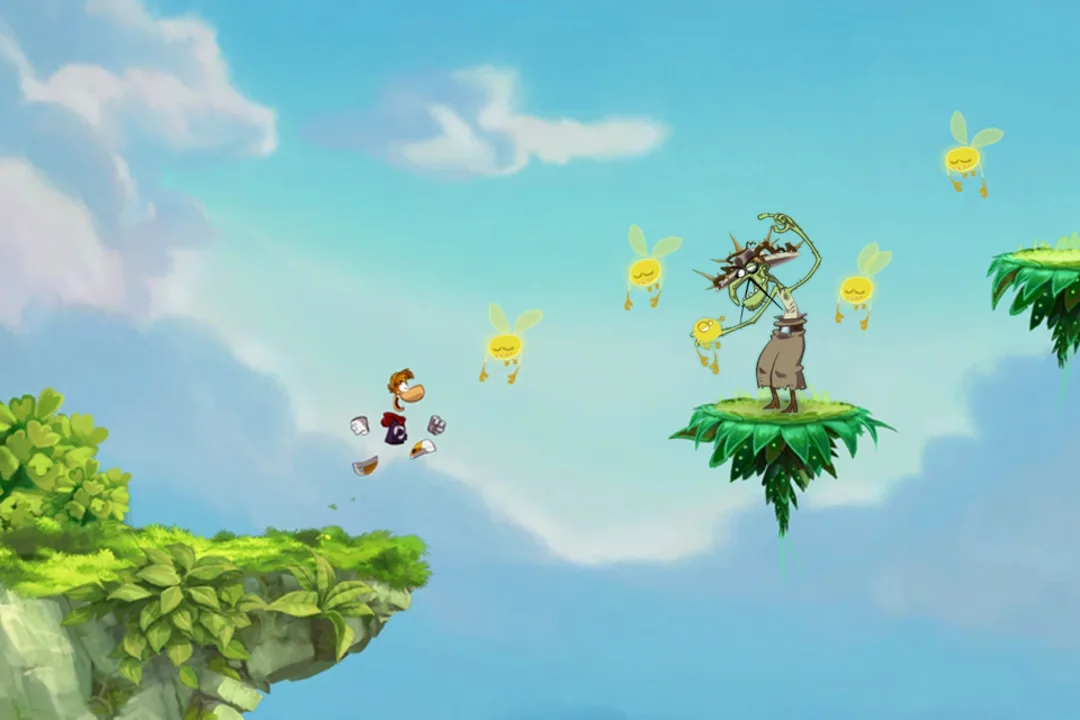
The One-Button Proof - Rayman Jungle Run
Take Rayman Jungle Run; one button - you tap to jump, and that's the whole interface to begin with. Rayman runs on his own; all you own is the timing of that single jump. And yet it's wrung for everything it's worth: precise platforming, collectibles that demand a cleaner line than just surviving, time and score pressure stacked on top. A one-button auto-runner has no business being that demanding. The depth isn't hiding in a second button since there isn't one; it's hiding in how much that one button is asked to do.
That's the trap with elegance: it looks like simplicity from the outside, but it isn't. A lazy one-button game is just shallow: you've seen it in a minute. Jungle Run is never shallow; same minimal surface, completely different depth underneath. Elegance was never "few rules," but rather a few rules that keep giving. Simplicity subtracts and stops; elegance subtracts and opens up.
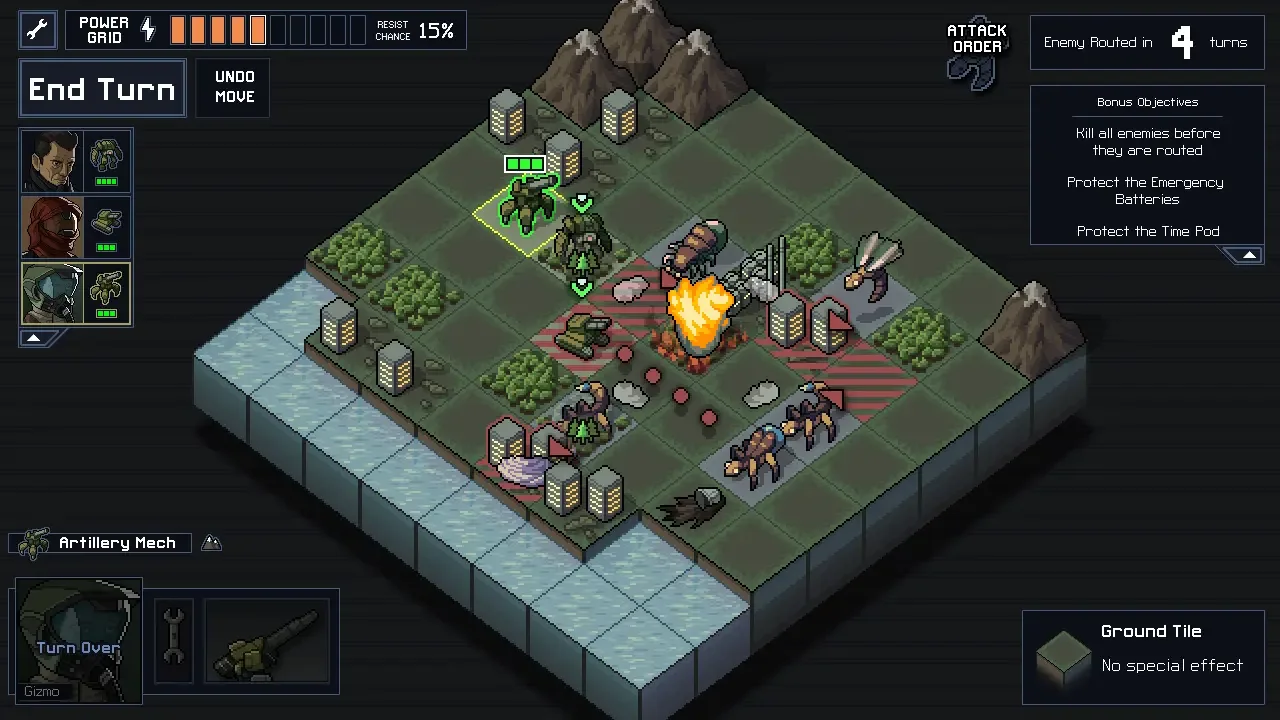
Elegance by Subtraction - Into the Breach
Into the Breach is another great example of elegance in game design. It's a game that embodies the idea of elegance by subtraction. It's a tactics game on an eight-by-eight grid, and its bravest move is everything it refuses. There's no hidden information; you see exactly what every enemy is about to do before you commit. There's no luck to blame either, compared to the developer's previous game, FTL. The designers pulled out the fog and the dice rolls that most tactics games lean on. What's left is clean: a small puzzle, perfect information, depth that comes from what they took away. Every turn is a problem you genuinely have the tools to solve, and it's brutally deep precisely because nothing's hidden.
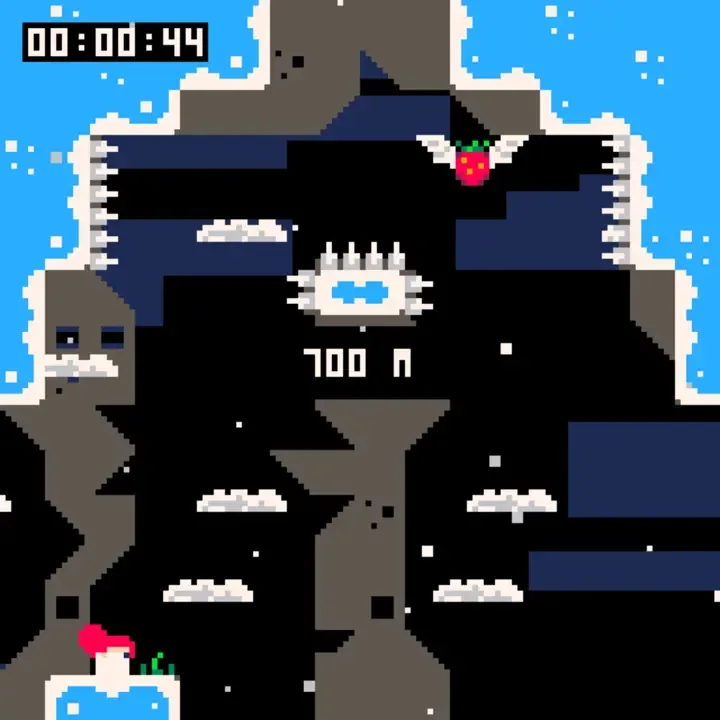
Elegance by Concentration - Celeste
Celeste is another elegant game, and it demonstrates elegance by concentration. It is the same idea wearing the other face. Where Into the Breach gets its depth from removing, Celeste gets it from a single verb: dash. You have a mid-air dash that recharges when you land. That's almost the whole vocabulary, and a whole mountain gets built out of recombining that one move into an endless run of new demands. The depth isn't in how much you can do; it's in how much one well-chosen action can give back.
Subtraction on one side, concentration on the other. Both landing in the same place: a few pieces, enormous depth.
I should say it plainly: elegance isn't the only way a game gets to be good. Plenty of great games are sprawling and maximalist on purpose, and that's a real, valid aesthetic. Elegance is one virtue among several. It just happens to be the hardest to spot and to pull off, which is why it's worth a whole article.
What’s Starting To Change for Me
So I read and wrote about game design and elegance, but I still can't build an elegant game on command. Understanding a thing and being able to make it are not the same skill, and I'd be lying if I said the books handed me the second one. But they did change the question I ask myself when I sit down to build.
It used to be "what can I add?" Now it's closer to "what gives me the most for the least — and what can I cut without losing the depth?"
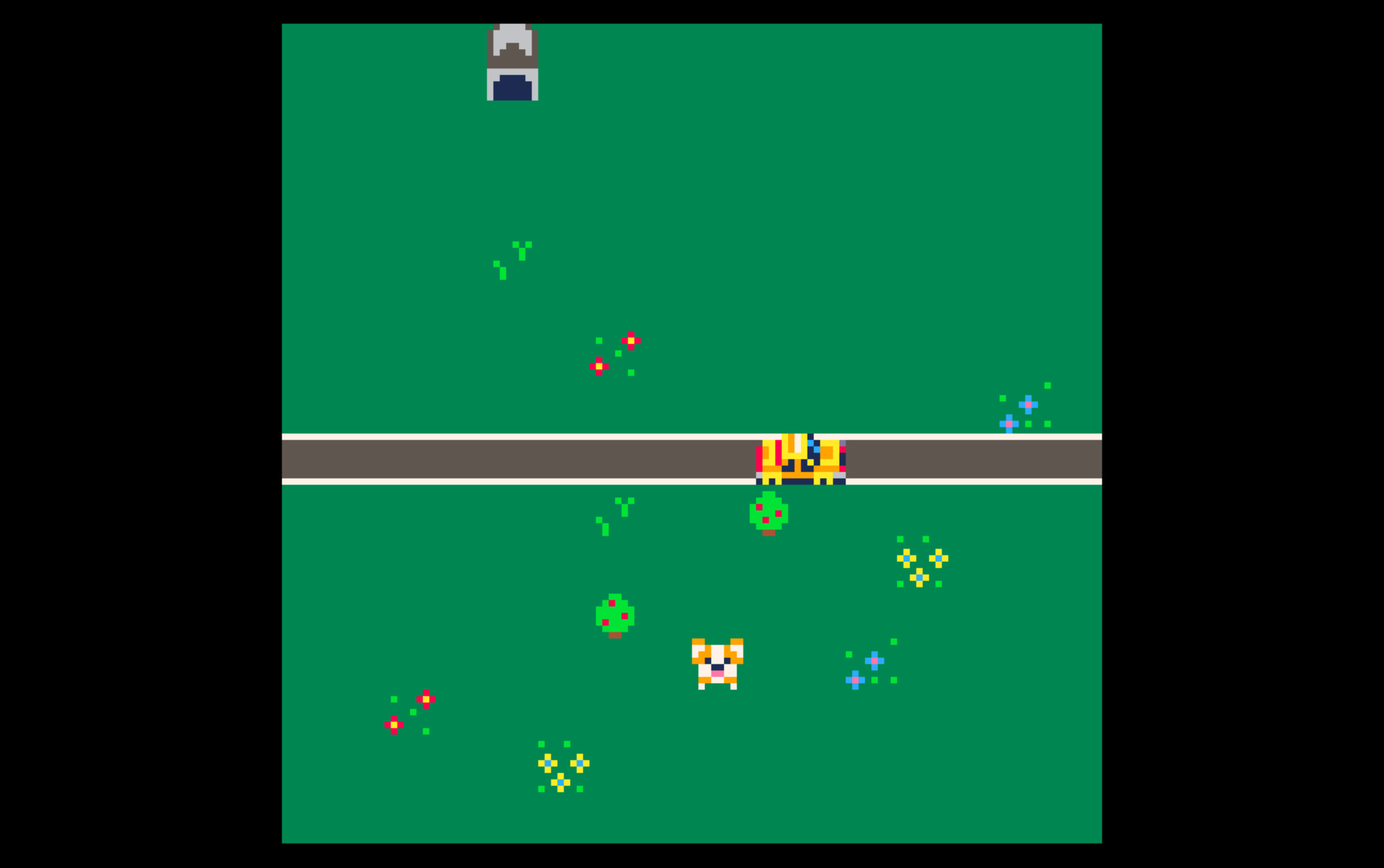
Right now, I'm building a little Frogger-like in PICO-8, and that question is live in the most concrete way. At the moment, the dog moves one tile at a time. Clean, readable, nothing extra. I want to add a jump, and I can feel the old reflex tugging: a jump means new rules, new states, new edge cases. The honest question I'm sitting with isn't "how do I add a jump elegantly?" - I'm nowhere near that. It's the more uncomfortable one: "Does this jump add real depth, or is it just one more rule?" I don't have the answer yet. I'm trying to keep the game simple and progressive without letting it tip into simplistic, and, honestly, I don't know yet if I'm pointing the right way.
But that's the shift, and for now it's enough. I'm not throwing things in to see what sticks anymore. I'm asking what each piece earns by what it gives back. I understood the mechanic; whether I can actually build with it is what the next game and the next jam are for.
If you want to learn more about game design, here are some of the sources I used:
- Designing Games - Tynan Sylvester
- Elements of Game Design - Robert Zubek
- The Art of Game Design - Jesse Schell
Join the conversation
What do you think? Reply below to share your perspective.