Diving Into the Heart of Final Fantasy VII: Remake Intergrade
Timeless moments

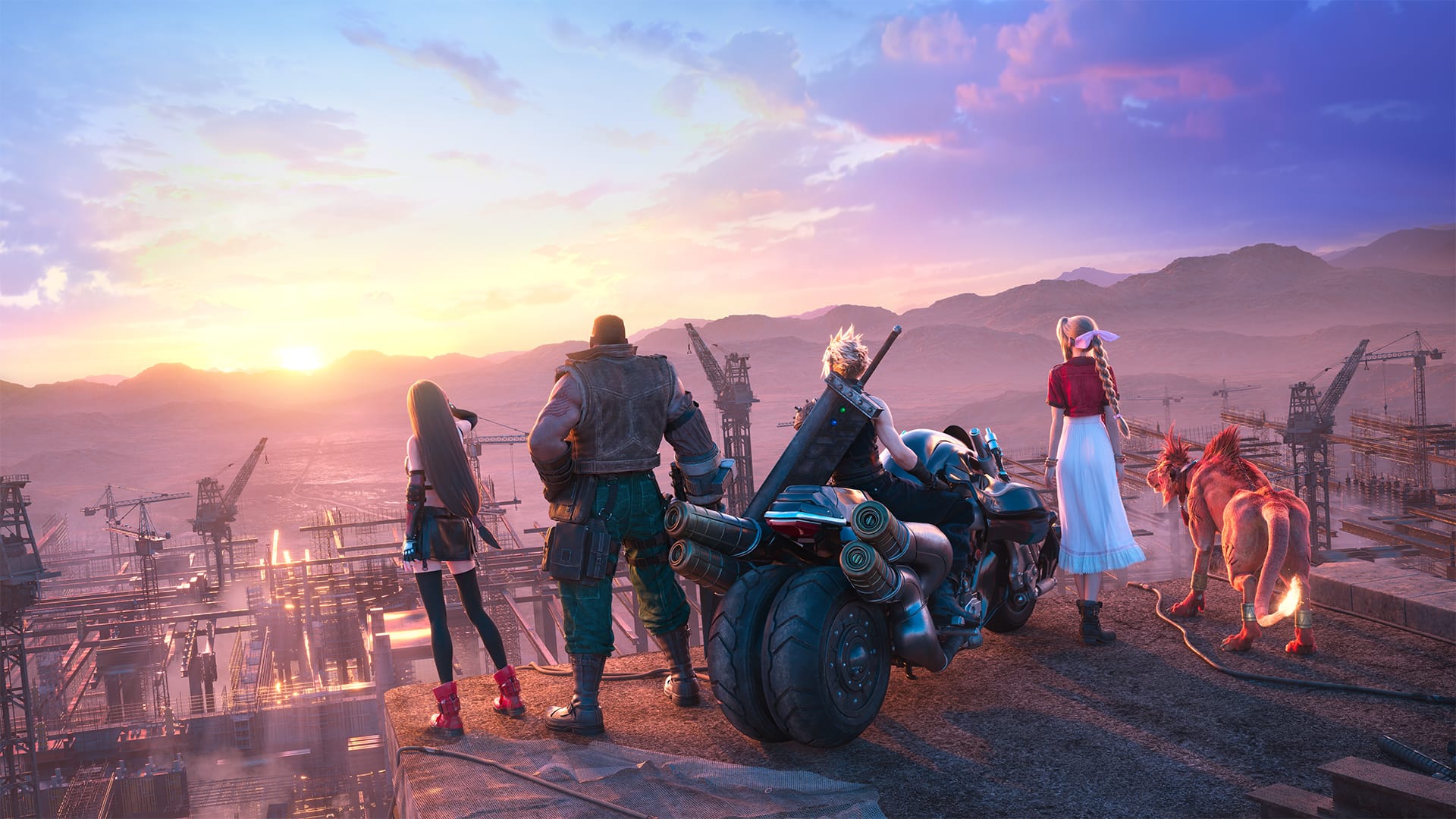
Final Fantasy VII: Remake Intergrade is one of my favourite PlayStation 5 games, a perfect reintroduction to the heart and soul of all things PlayStation and Final Fantasy. Much like how the original Final Fantasy VII gave the original PlayStation its identity, I feel this Director's Cut expanded release of FFVII Remake reminded me of all the intangibles which collectively come together to define the style and culture of PlayStation. Stepping into a fully realised Midgar was a surreal and enchanting experience for me, and more than the dazzling combat system, it was the intimate moments shared between characters which helped me lose myself in the setting. Returning to Midgar, along with the heartfelt cast, rolled together feelings of nostalgia and wonder into one beautiful sensation of escapism.
The game is now making a comeback of sorts, with a brand-new port for Xbox platforms and Switch 2. No matter the era, Final Fantasy VII is one of those games that's almost too easy to place into the "overrated" camp, and yet even its biggest naysayers are closeted fans.
As the premier RPG showcase for the original PlayStation, I've had an on-and-off relationship with the game, having spent more time with the follow-up, Final Fantasy VIII. My first time with Final Fantasy VII involved a one-sitting playthrough in the absence of a memory card (occasionally there would be shortages of those darn things!), where I made it all the way to Disc 3 (remember disc swapping mid-adventure?) before I finally hit the Game Over screen. I was pretty pleased with myself, but in hindsight, I realise just how linear and cinematic this RPG really was, and how dead-easy it was for me to be make it as far as I did without saving progress.
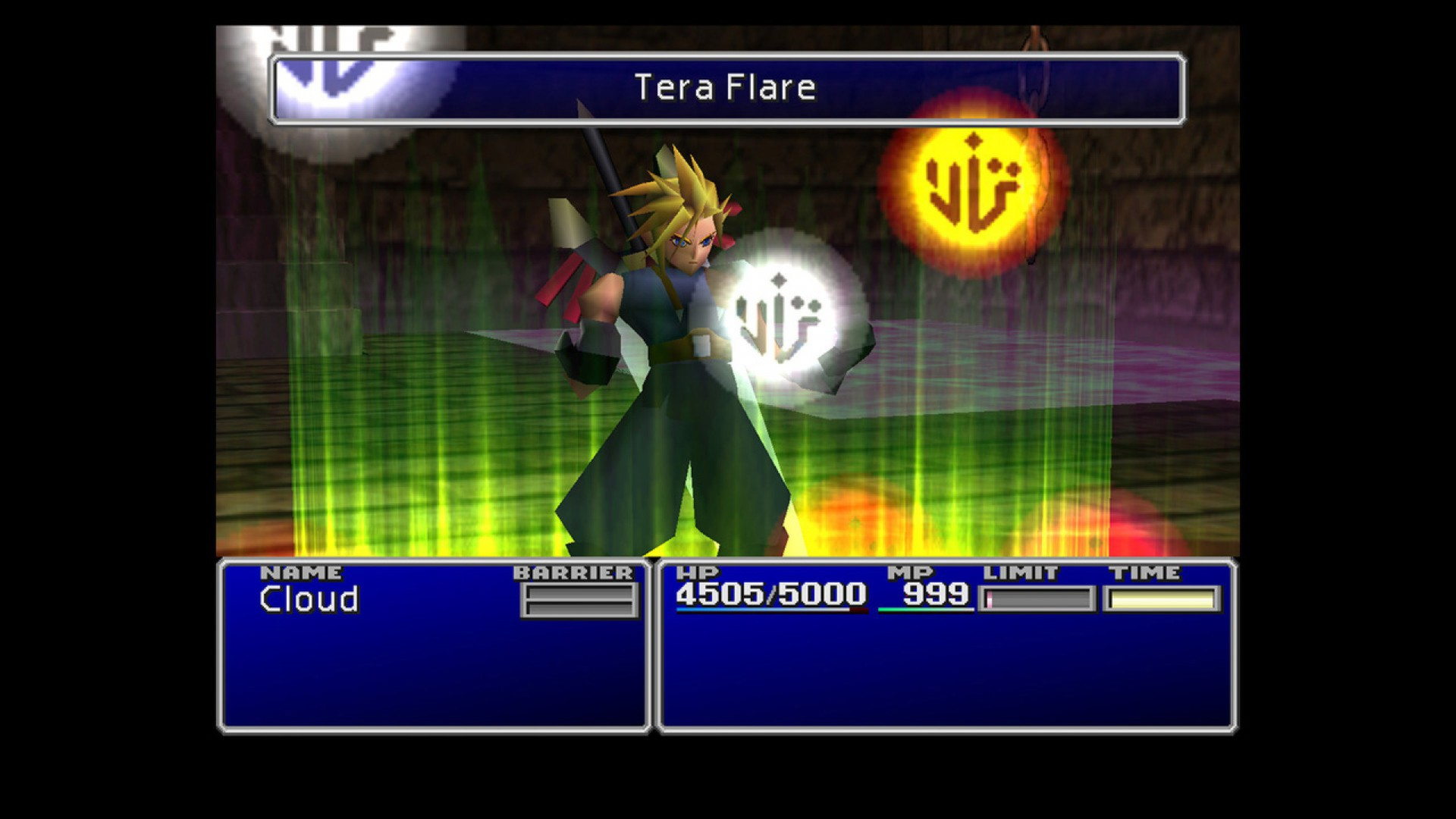
I eventually did play it again on the rather disappointing PSOne Classic mini-console, and then on Nintendo Switch, which is perhaps the best possible way to enjoy the classic at this point. A lot of things about the game obviously don't hold up (random battles are irritating), but the thing I enjoy the most, time and time again, is the time I get to spend in Midgar. This underground urban dystopia serves as the main hometown, so to speak, a fascinating fusion of sci-fi, fantasy, and steampunk, featuring both Western and Oriental cultural influences. Midgar is a melting pot of culture and inspiration, and each time I have replayed the original PlayStation game, it's only just to immerse myself in the early areas of the adventure once more.
Then there are the characters, and honestly, it feels to me that every RPG since 1998 has tried their hardest to be just like Final Fantasy VII, particularly in the effort to replicate the same chemistry and synergy of the cast. Since 1998, there have been so many JRPGs attempting the same magic; the cast of Final Fantasy VII, once known for their unique personalities, consequently created these now laughable tropes. The brooding amnesiac has been done to death, but when Cloud did the then-novel character gimmick, it was cool and edgy. To this day, no one does it better. Yes, Cloud has the mood swings of a teenager, but he also has a sense of humour with his witty comebacks. His personality certainly has more range in the remake, with lines like "I'm sorry about your ass."
I was initially hesitant about Final Fantasy VII Remake; for one thing, I didn't quite like the idea of it being episodic, with the uncertainty surrounding whether they would even be able to complete the project. The game first landed on PS4, as part of the apex lineup of swansong hits for the console. It came to PS5 as Final Fantasy VII Remake Intergrade, and now has landed on Xbox and Switch 2. At the time of its PS5 release, I hesitated, yet something about it called to me, as I desperately needed an epic JRPG experience for my new console, especially since Scarlet Nexus was not quite what I hoped it would be.
One of the biggest complaints from critics was how VII Remake "never left Midgar," and then it hit me: every time I have replayed the original game, it was simply to relive Midgar all over again. I actually don't really want to leave Midgar; I'd rather perpetually live in a hyper-realistic recreation of it for as long as possible. Even now, my save progress is at the point of no return in Chapter 14, because once the party infiltrates Shinra headquarters, it's a rollercoaster into the endgame sequence. To be honest, I'm still not ready for it, as I'd much rather just roam the Sector slums. It's been a blast to explore every nook and cranny and meet all sorts of interesting characters.
The slums of Midgar are downtrodden and rustic, and yet they brim with so much life and personality. It's a multicultural hub in the truest sense, a dystopian future setting most video games struggle to create. Not everyone is friendly here, but even with so much pollution and rampant corruption, there are moments of quiet beauty and genuine kindness from its citizens. It needs to be experienced to be believed, and the level of detail present provides an unreal level of intimate immersion.
Then there is the cast, whom I've gotten to know over the years via the main game and various spin-off games and media, including full-fledged motion pictures. I don't claim to be the biggest Final Fantasy VII fan, nor was I ever a diehard fan of the cast, but over a period of two decades, I can't help but have a nostalgic sentiment towards it all. They're a bit like old friends I rarely keep in touch with, but getting in touch with them takes me back to a moment in time. I have lived through the anticipation, hype, magazine covers, stellar reviews, and everything else since. It's hard for Final Fantasy VII not to hold some meaning to anyone who grew up during that magical time.

At this point, the death of Aerith is the worst-kept spoiler in pop culture. Everyone knows about it, even those who still don't plan to play Final Fantasy VII any time soon. In hindsight, Aerith's character development was a little rushed in the original game, but in VII Remake, the depth of her development makes it so easy to genuinely care about her, and even sadder knowing what inevitably lies ahead for her (unless.. well, we'll see). One of my favourite moments in the original was the brief duration spent in Aerith's house, from its warm, cosy interior to the beautiful flowerbeds. In VII Remake, this humble setting is brought to life in rich detail, everything from creaky staircases to lush sun-kissed flowerbeds. It's an area where I can't help but stop to take it all in, an unexpected respite for mindfulness.
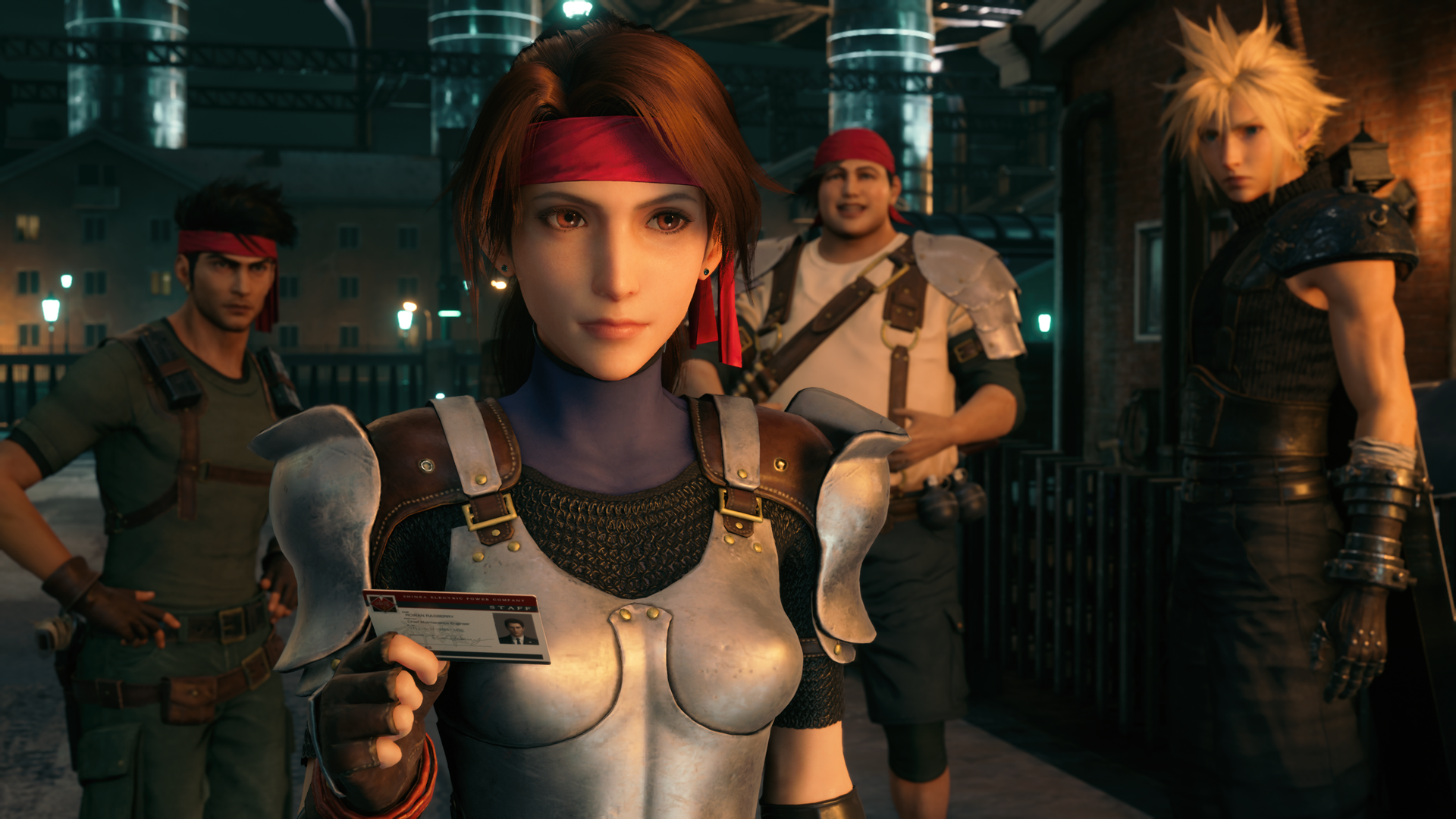
This is exactly what VII Remake does so well: the way it goes from moment to moment, allowing both its cast and setting to grow with the narrative pacing. The most profound moments are quiet yet interactive segments of intimate vulnerability, such as when Cloud and Aerith simply walk through the slums, talking just to overcome the awkwardness of being strangers to each other, or when Cloud and company visit Jessie's family home, as the cast walk through her childhood neighbourhood, complete with a park and a swing set.
These are the moments, so intimate and authentic, which defined my experience with VII Remake Intergrade, even more than the excellent battle flow and the sheer depth of its intricate systems. These quiet yet profound moments of immersion are what I hope to see more of in video games, daring moments rarely seen in gaming since the original Shenmue on Dreamcast.
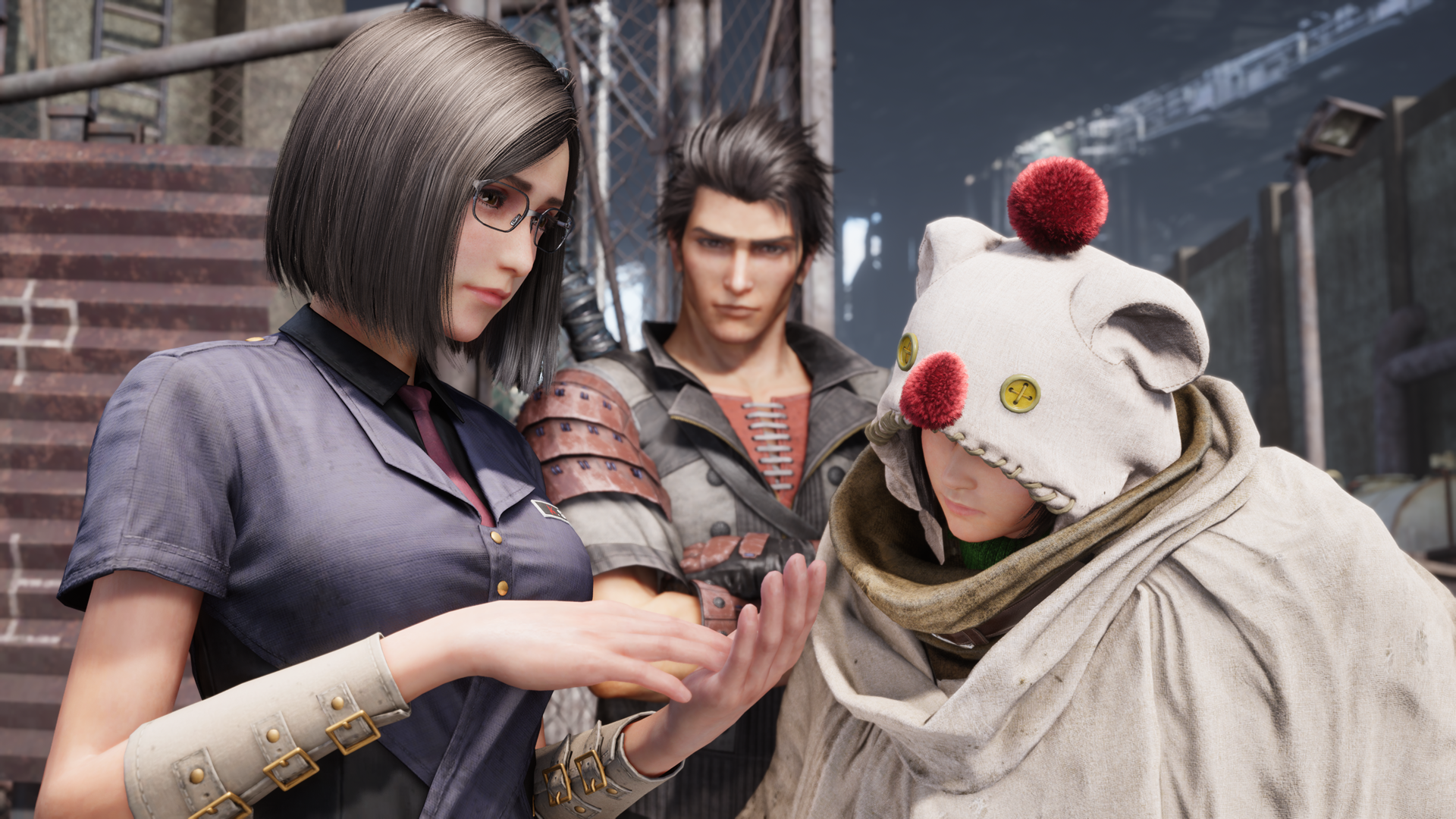
I love a lot of things about Final Fantasy VII: Remake Intergrade, but the lasting moments to me are when things slow down to a mindful halt, where the game world simply allows itself to be, and allows me to be a part of it, and gives me the agency in allowing the cast to bravely be their vulnerable selves.