Dumpster Baby - Finding Hope in Community
Get by with a little help from your friends

Being queer right now means making constant judgment calls. Are you open enough about your sexuality that people won’t feign ignorance despite knowing you for decades? Will they threaten you or your job? Have you found all the resources in your community? Could you survive the worst-case scenario? How do you take a deep breath and find a moment of peace when your neighbors express that they hate you and don’t have the guts to say it to your face?
Play video games developed by your people. Get immersed in a world where the NPCs accept and validate you.
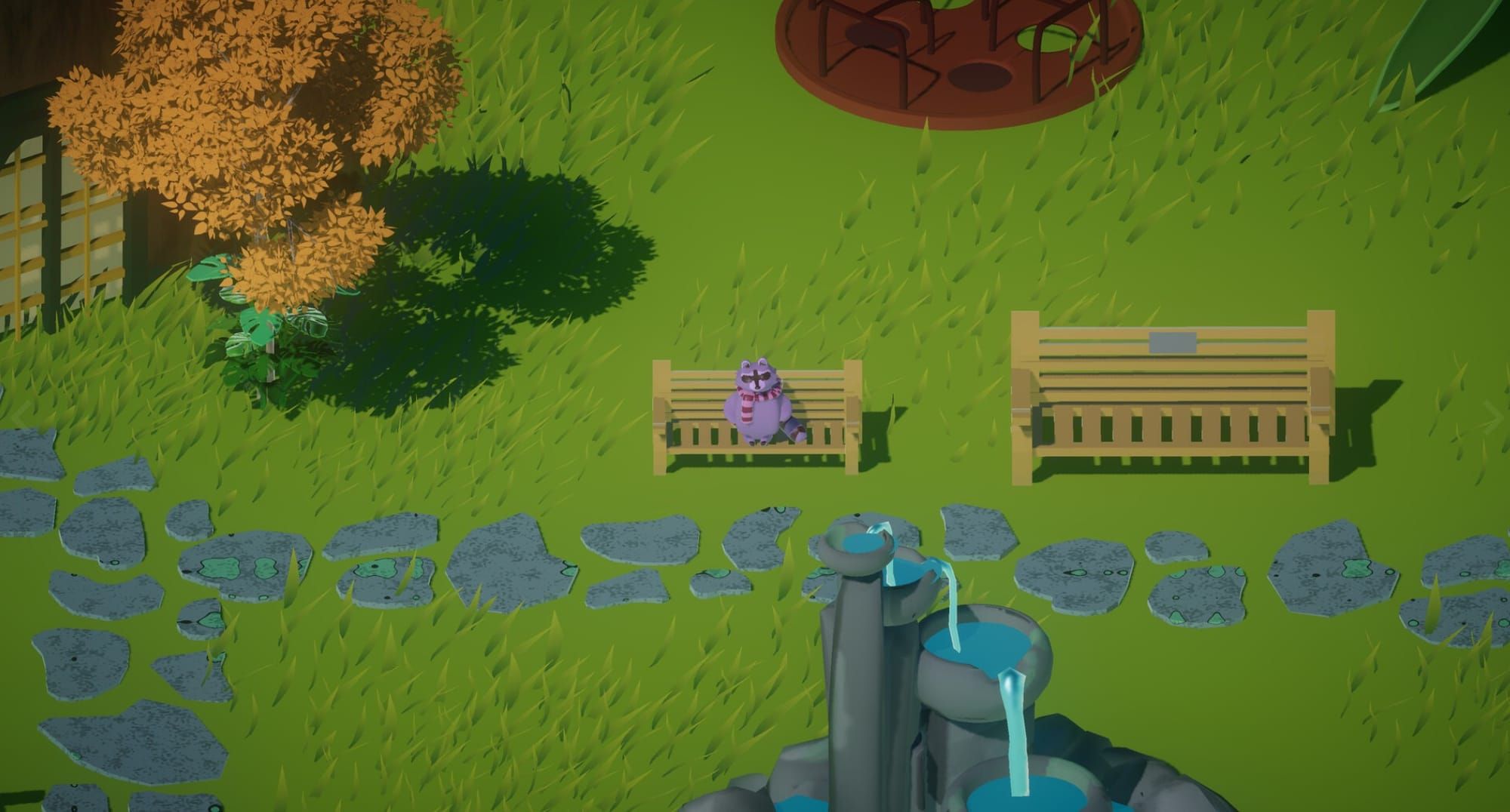
I’ve been reading LGBTQ+ books for Pride, neglecting my gaming repertoire. My Steam library reminded me that I had purchased Dumpster Baby last year. Five developers – Josef Arnold, Sam Bowsher, Tommy Bozzelli, Angel Hardy, Leah Stewart – report on the Steam page that they made it as part of a Miami University challenge. Kudos to the team, as they knew exactly what they were doing in making a game about how to find resources when you’re homeless, queer and stressed out, in any community.
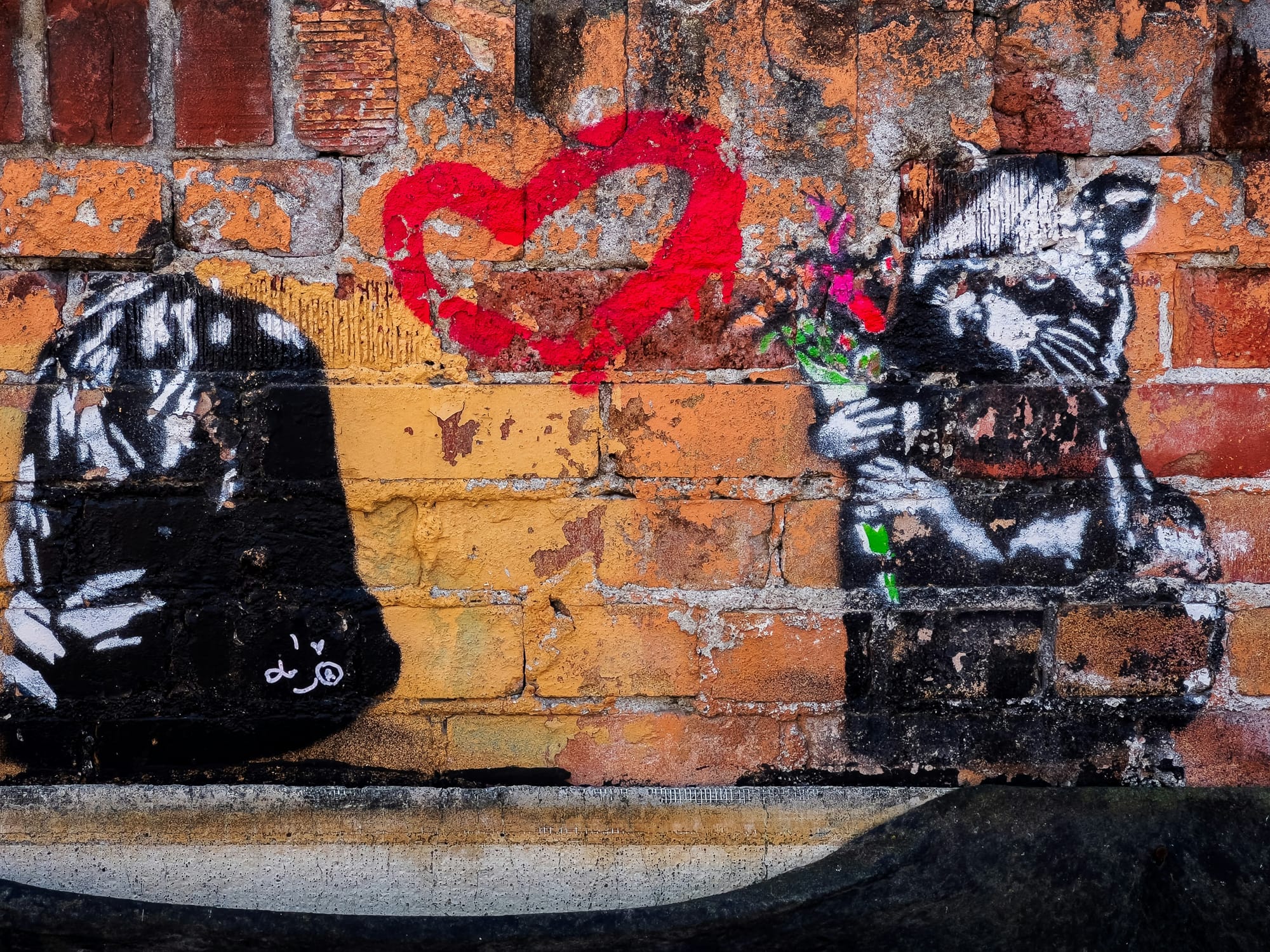
Dumpster Baby
A couch-surfing raccoon, Bandit, has kipped with a friend but promises to find an affordable place. He has a job, but rents are murder; he hasn’t even tried to fill out an apartment application. His friend Betty, a bird, says that Bandit can stay as long as he needs. She suggests scouting the area for roommates while he’s hunting for apartments; splitting the rent would save on costs. Bandit takes to the idea, but who can you trust when you’re fresh out of the closet and alone? Rather than scout out who would be a good fit, Bandit opts to help people in his community.
Bandit doesn’t live up to his name; as he points out, raiding a dumpster isn’t stealing when other people have thrown it away. Bandit also has no incentive to steal from his work, a grocery store. He’s lucky enough to be working, considering he has a transient address and no driver’s license. (This is a legitimate problem, by the way; most jobs won’t hire you if you lack a permanent residential address.)
I appreciate that this game starts by showing the most important resource a homeless person can have: the library. A fair number of library systems can give you a card if you have a transient address, and the one in my area also has full-time social workers at select locations. As long as you aren’t mean to the staff, fall asleep in the library, or mess up the computers, you can stay for as long as you like during opening hours. Make sure to check the branch rules at the most convenient location for you. (Sleeping in a library means that other patrons may steal your items, and it creates liability issues for the staff, so please don’t.)
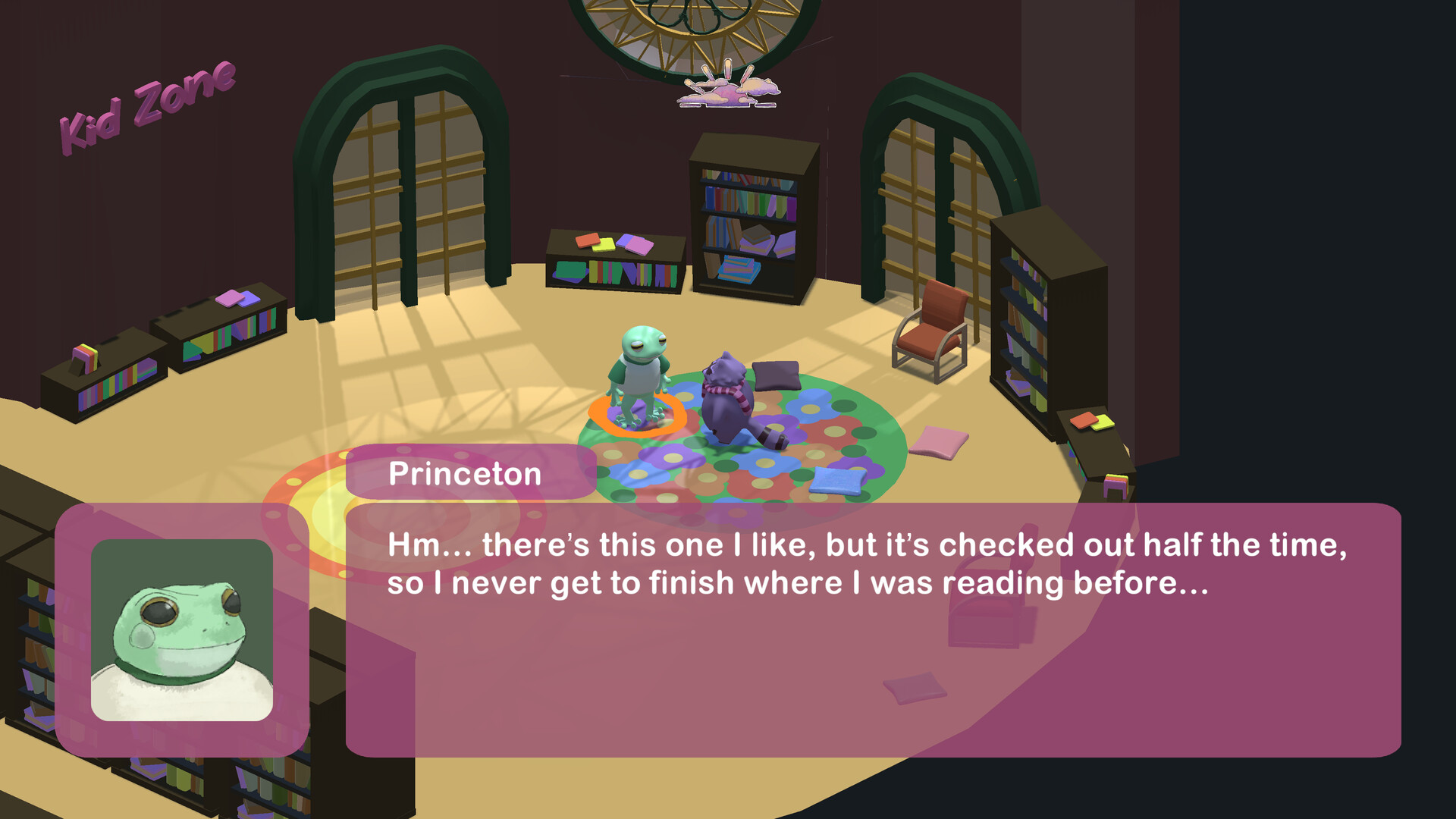
With that said, Bandit doesn’t just use the library for himself but to help others. If a friend is behind on crafting cosplay items for con season, he lends his paws (big MOOD, by the way). A young adult wants to read books about a career path his parents hate, and they are nosy abusers, so Bandit offers to check out the book on his card. And that’s not even going into what he can trade using crafts or gifts for Betty.
While the art style and anthropomorphic world gave me Night in the Woods vibes, this story goes in a different direction. Night in the Woods focused on how trapped the main characters felt and how this melancholy led them to uncover a terrifying mystery. Dumpster Baby shows the liberation that Bandit finds in their community, and no mysterious murderer lurks in this story.
We all need community more than ever, and Dumpster Baby reminds us why.
I hope many people play it and don’t let the homophobes and transphobes win.
Join the conversation
What do you think? Reply below to share your perspective.