Hidden Gems of Game Design Vol 49
Unearthing Tache Noire, KIBORG: Arena, Crazy Taxi: Catch a Ride, and The Island of Doctor Morose.




Plenty of amazing games go unnoticed and not widely played, for various reasons. Maybe it’s a diamond in the rough, or the marketing wasn’t there, or it could be a game ahead of its time. For this monthly series, I’ve asked my fellow writers at SUPERJUMP to pick a game they think is deserving of a chance in the spotlight. Please share your favorite hidden gems in the comments.
Josh Bycer
Tache Noire (2026)
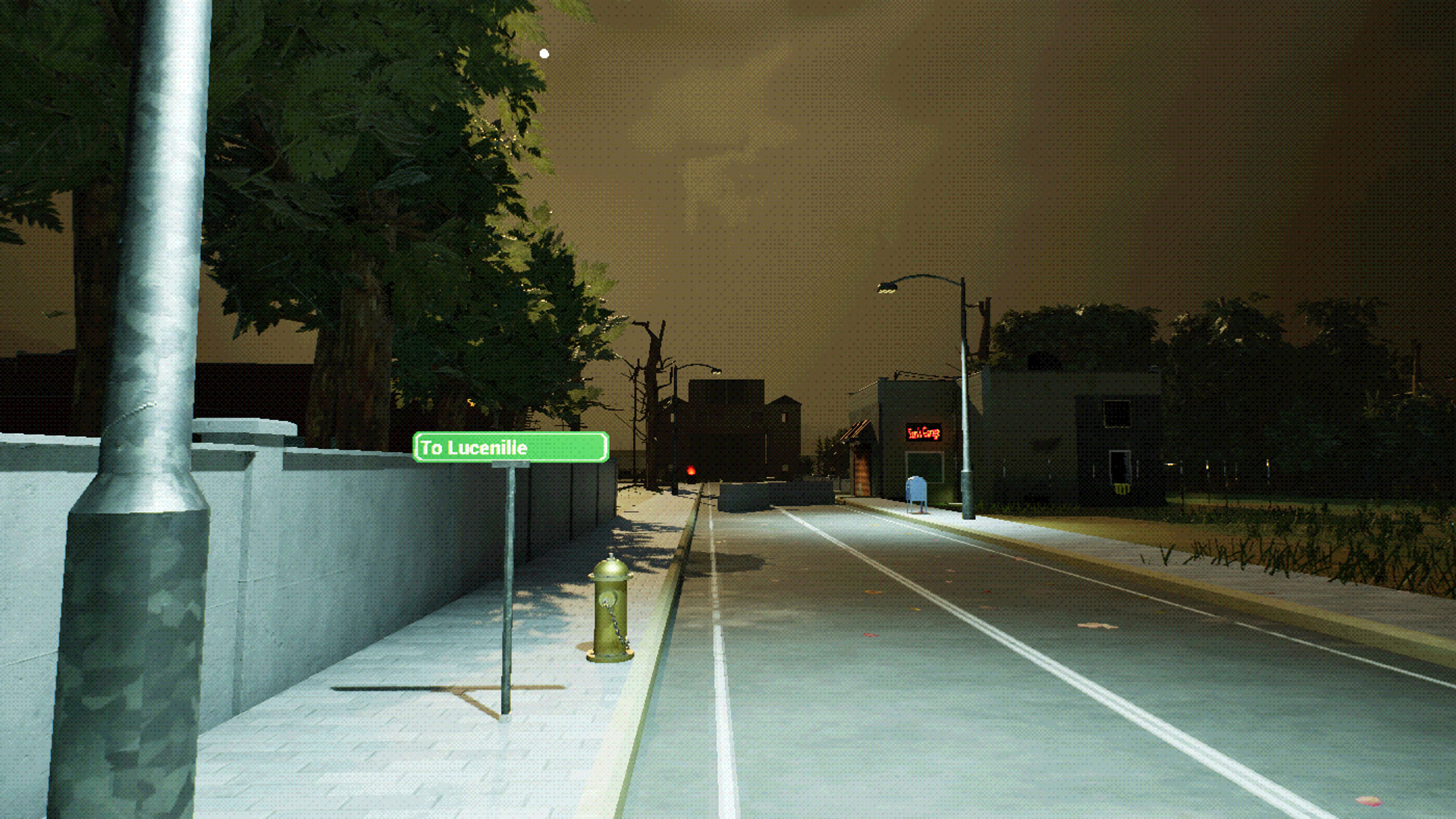
One of the advantages of social media is the ability to follow people who love niche and hidden games just as much as I do, and that’s how I found this month’s pick. Tache Noire is a solo developer’s attempt at creating an open-world survival horror, and perhaps is the greatest punching up I’ve seen from an indie dev in a long time.
You play as a man who has arrived at the lovely town of Lucenville for a reunion with their four closest friends. Upon arrival, the town is in complete disarray; people and corpses are wandering the streets like they are possessed, and your friends are nowhere to be seen.
The game’s story is interesting, with much of it revealed through notes and meeting the few people who haven’t lost their minds. The gameplay skirts the line between first-person shooting and light immersive sim. There are no melee weapons in the game, and every gun must be operated manually. That means reloading requires you to empty the gun of spent casings and reload before you can fire again. Enemies are mindless but aggressive. The major point of learning the gunplay is that staggered enemies take more damage, which requires you to hit them while they’re doing something or shoot their legs.
Source: YouTube.
The environmental interactions revolve around physics, as you can pick up and move most crates to create ways up and around, or throw them to do damage and stagger enemies. Ceiling fans are the most destructive force in the world and can kill you or your enemies in a single hit. Half the town is open to you at the start, with the larger half available once you lower the central drawbridge.
To get an ending, you need to find your four friends, but getting the true one will require you to hunt all around the town to find the necessary items and clues. Each one of the major buildings in the town is a “dungeon” that you can explore, with many puzzles to solve.
All the while, you are exploring this completely desolate town, scavenging for any supplies you can find. Making use of the environment to avoid or kill enemies is important, as there are more enemies at times than there is ammo for your guns. There will be a point at which, if you can survive, you’ll become more powerful. Finding better weapons and the ability to upgrade them in the back half of the game will allow you to turn the tide.
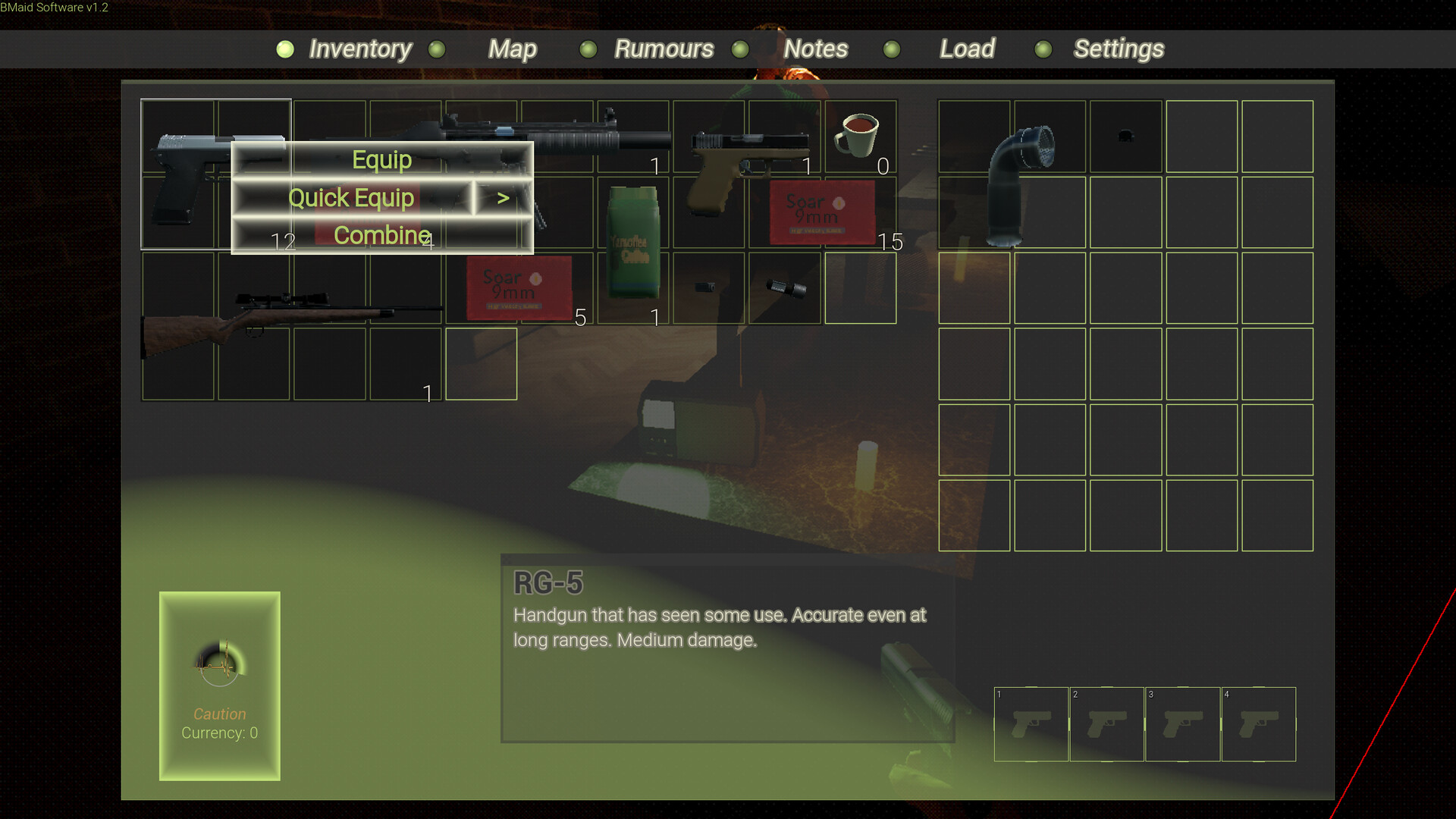
For people who finish the game, there is an optional hard mode that remixes the items and enemies while the puzzle solutions remain unchanged.
Tache Noire could be one of the finest indie horror games I’ve played, but it suffers from a lot of bugs and jank that the developer is trying to fix. Most notably, if you reload the game while still in the game, it will often revive all the enemies that you killed, who will immediately know where you are in the world. There are cases where you can get stuck in objects, enemies getting stuck in floors, walls, doors, and there is a crash if your inventory gets too full and you use a storage chest.
While there are some issues with the game, including a very difficult section involving *redacted*, the game hits more than it misses. If you have any interest in horror and want to see an original take on the genre, this is easily a must-play.
Ben Rowan
KIBORG: Arena (2024)
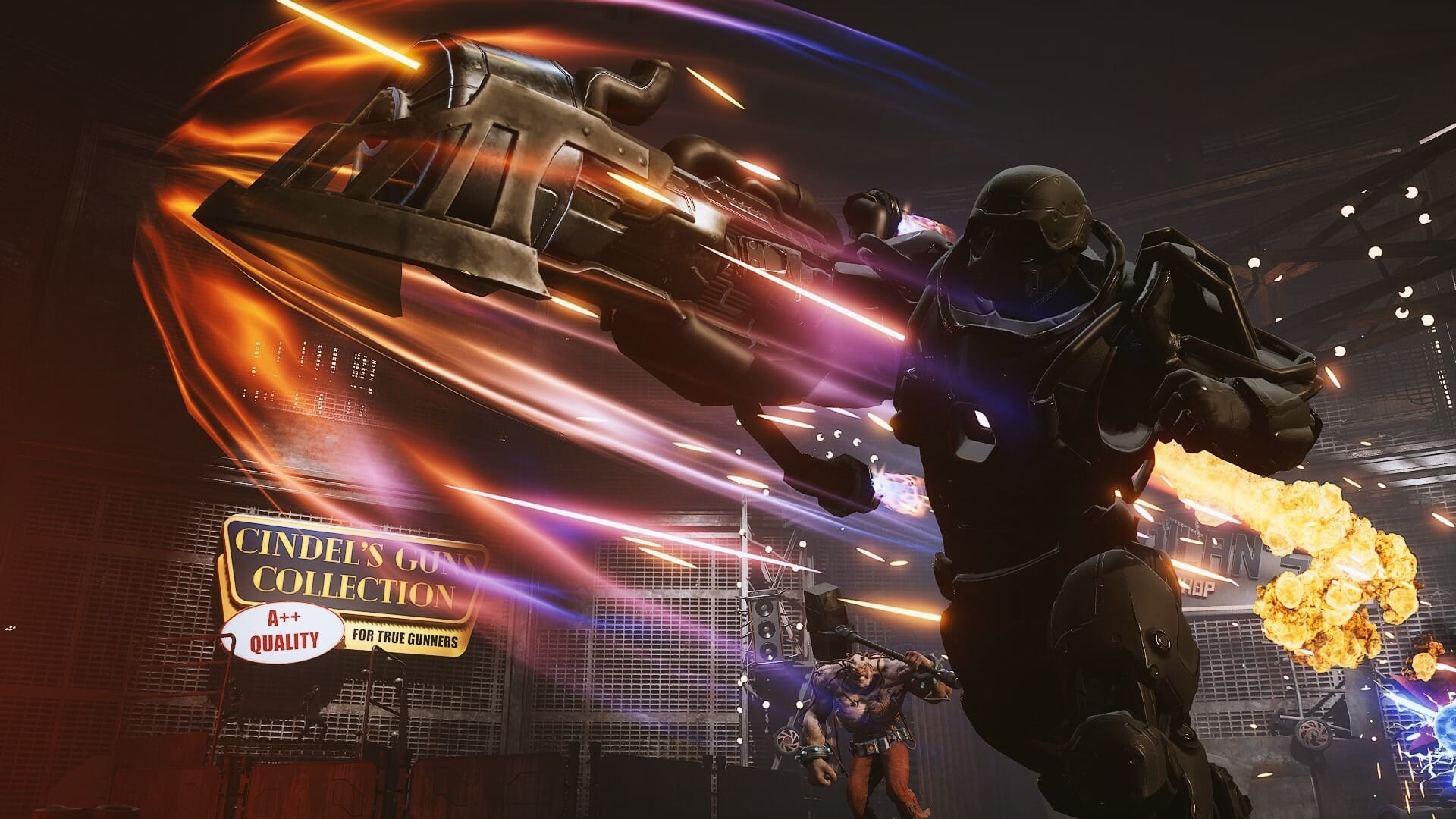
Some hidden gems are hidden because nobody noticed them, despite their brilliance. KIBORG: Arena is hidden for another reason: it’s super difficult to find in 2026. On its 2024 release, Sobaka Studio’s free standalone prologue for 2025’s KIBORG lived in the usual places. It launched on Steam and consoles as a focused combat testbed, less a traditional story demo and more a stripped-down testing ground for the full game’s ideas.
Now, the Steam version of this demo has been retired, the PlayStation listing is unavailable, and it never made its way to Switch, although the full game did land there in 2025. The only official place I could still find it was on Xbox, where it lurks in the depths of the store with the nondescript name KIBORG DEMO. Still free, still playable, still brutal.
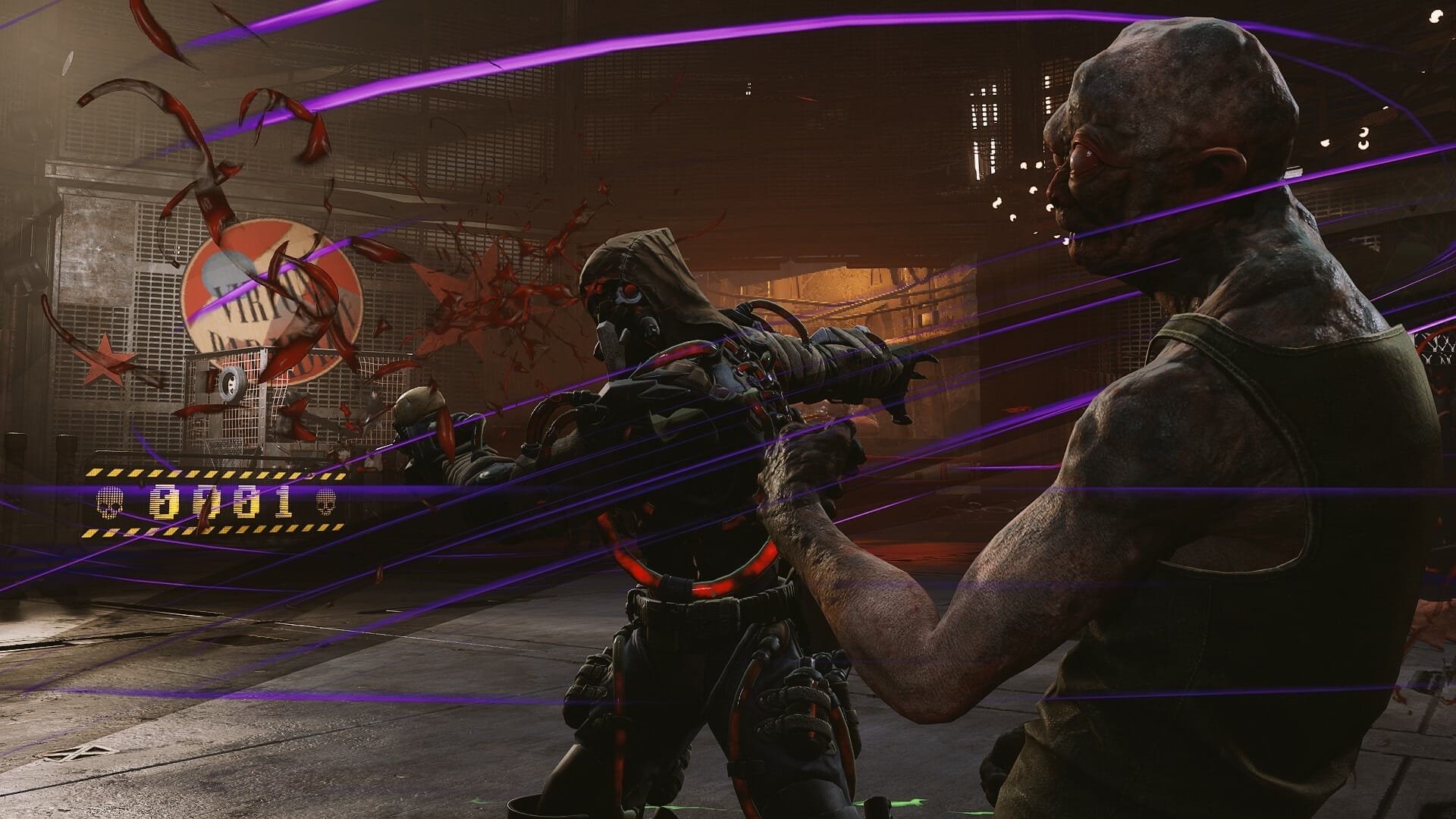
That alone makes it worth flagging. Free games vanish all the time, usually without ceremony, and this one deserves better than becoming a half-remembered store page. The setup is simple: Morgan Lee’s clones are thrown into a prison-planet colosseum, fighting wave after wave to earn resources for the resistance. In practice, that means violent third-person arena combat built around punching, dodging, blocking, firearms, cybernetic implants, and permanent upgrades. It has the heavy, thumping feel of Batman: Arkham Knight or Mad Max, only boxed into a smaller, meaner space where the goons never stop coming.
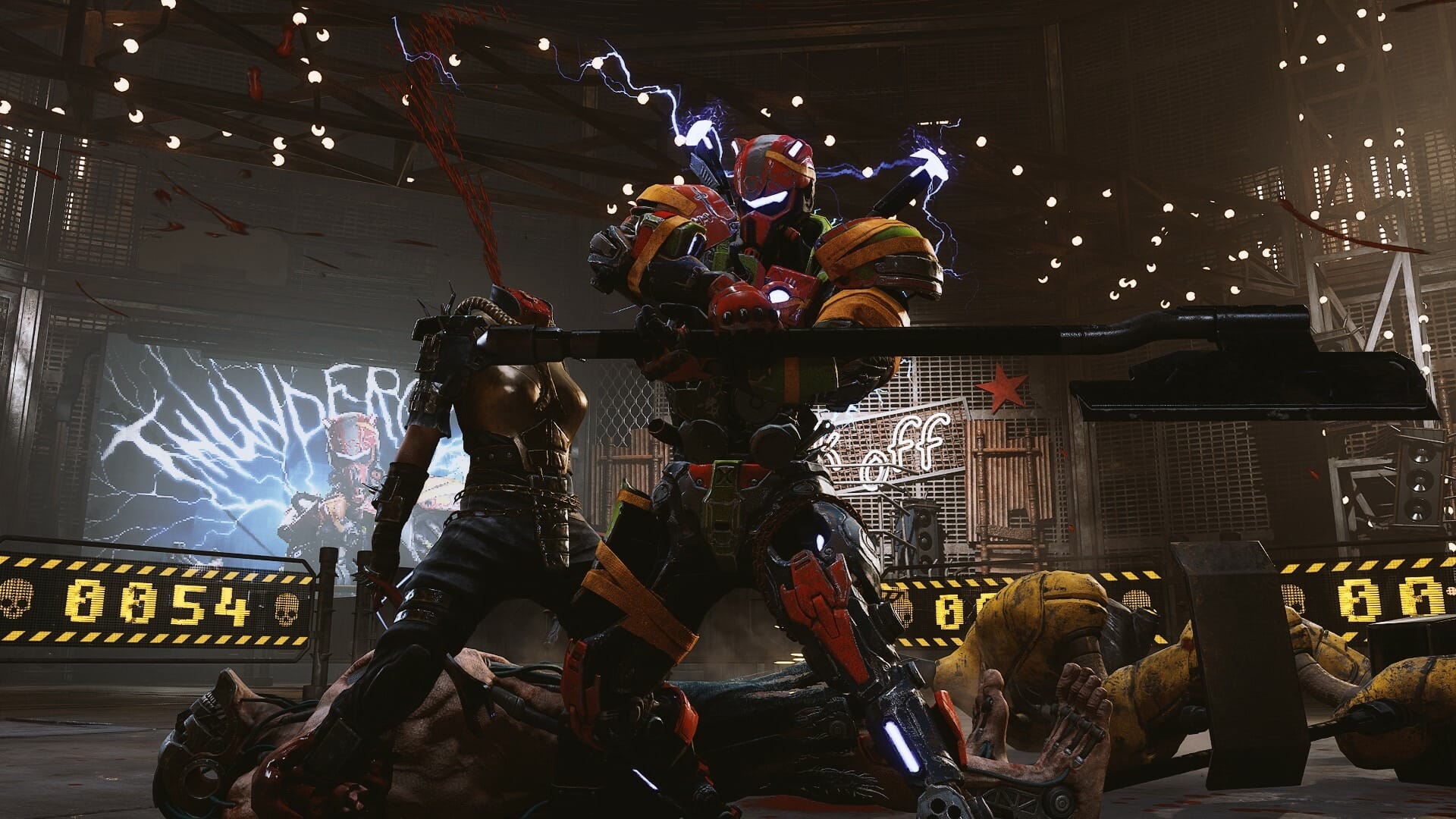
It’s bone-crunching in all the right ways. Hits land with weight, enemies pile in fast, and a bad dodge can get you pummelled by a muscled-up thug swinging a sledgehammer. When you die, you go back to the start in proper roguelite fashion, but progress lets you skip ahead to later floors on your next run. The catch is that skipping saves time while costing you the upgrades you would have earned by fighting through from the start. It creates a neat little tension: convenience now, or power later. Meta-progression points are handed out generously after every run too, giving you access to a smorgasbord of permanent upgrades, including more health, new combos, and a better chance of higher-quality loot drops.
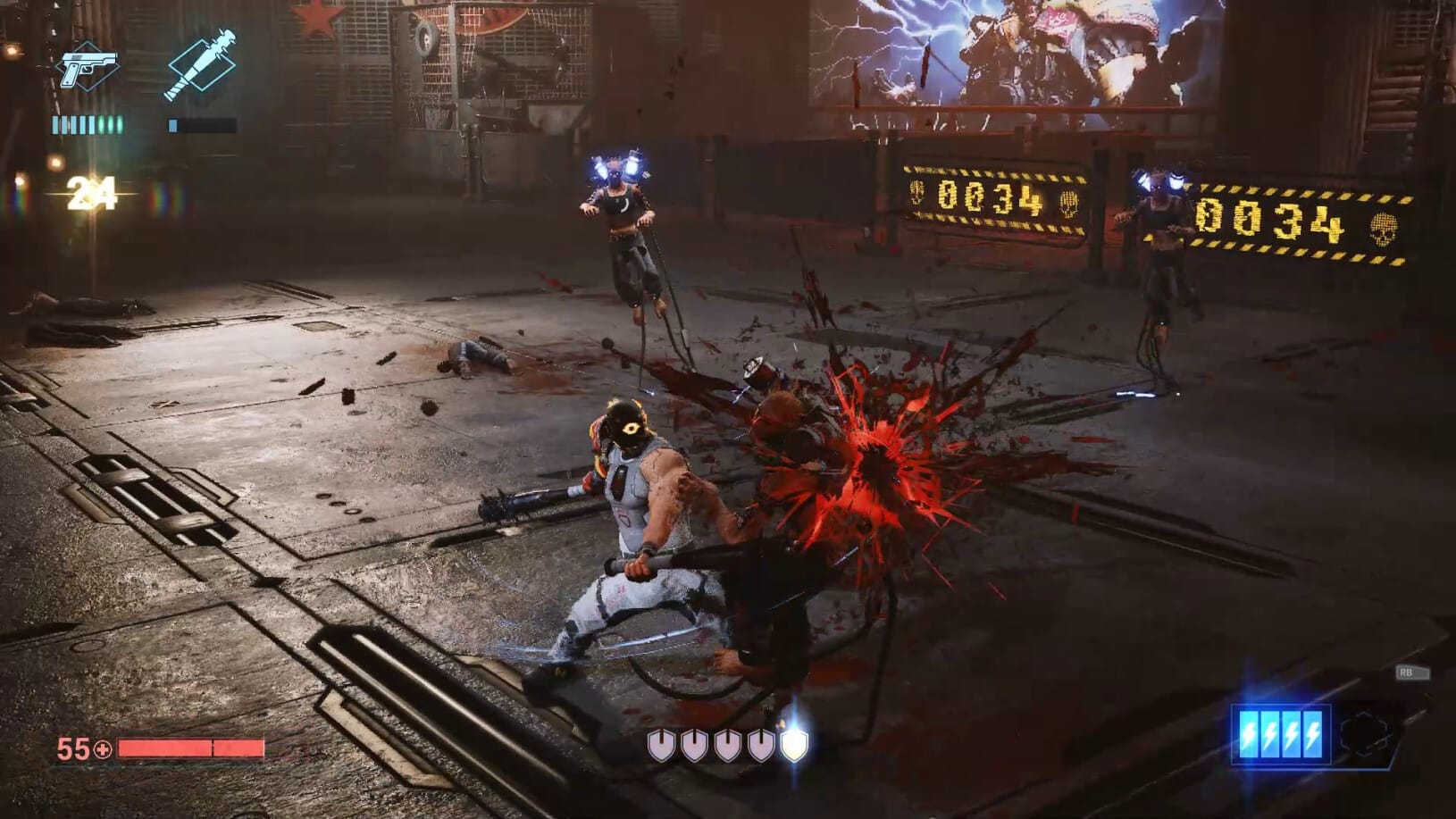
The weapons help give each run a bit of personality, too. The trusty garden shovel is wonderfully savage in the best possible way, especially when you’re surrounded by bruisers and just need to carve out some space. The double-barrel shotgun is even better, a handy ‘little friend’ when the mob gets too close for comfort. KIBORG: Arena also mattered to the final game. Sobaka Studio head Dmitry Kachkov later said KIBORG changed dramatically after the team saw the response to Arena, making it feel less like a disposable demo and more like a public beta that helped shape the final release. It may not be the most obscure game ever made, but right now it is a hard-to-find gem. If you have an Xbox, it’s still free - grab it while you can.
Anonymous
Crazy Taxi: Catch a Ride (2003)
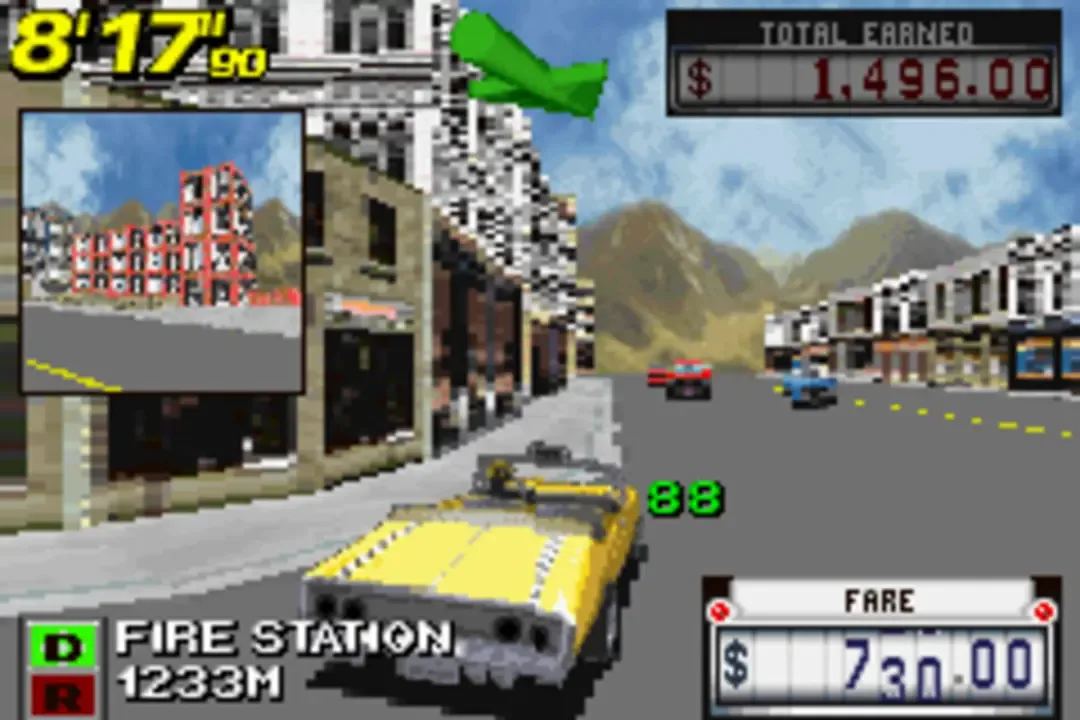
Developer Graphic State’s attempt to bring the 3D models of Crazy Taxi’s Dreamcast version to the petite Game Boy Advance was ambitious. The GBA, however, wasn’t powerful enough. It had to make do with the iconic yellow taxi, traffic, and pedestrian sprites redrawn at multiple angles to simulate depth. Underneath the blocky visuals and barely playable framerate lies the restless soul of one of gaming’s most beloved arcade titles.
The port successfully reconstructs the original’s mechanics and maps, letting you pick up fares along winding roads that unfortunately scrap brand placement from the likes of Pizza Hut and KFC. Earn tips from traffic near-misses, drifting around turns, and nailing jumps. The once-patented guiding arrow keeps the port’s low draw distance and sudden obstacles from ruining runs.
When the town gets crowded with pedestrians and vehicles, the frame rate drops to a crawl compared to the Dreamcast’s slick 60 frames per second. Licensing issues mean the GBA port doesn’t have the original's energetic soundtrack, biting another chunk out of the immersion factor. If the dial-up streaming-grade framerate proves too tall a barrier, try Crazy Taxi on a platform that can actually handle 3D vehicle models before the reboot drops in 2027.
Priya Sridhar
The Island of Doctor Morose (2026)
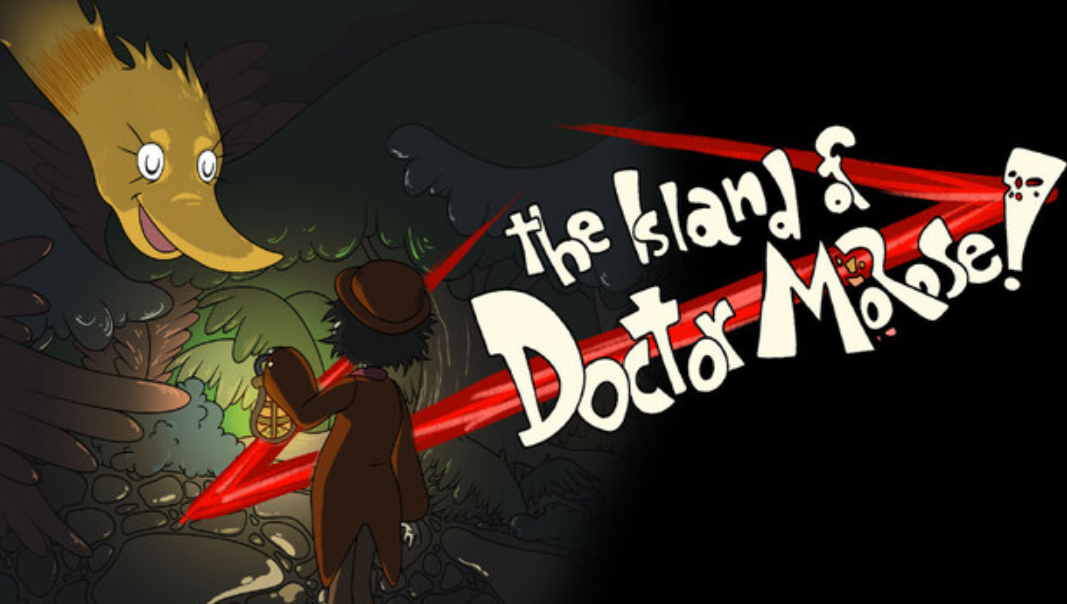
Tale Foundry shared a classic literature author on social media and mentioned they were like the Gothic Dr. Seuss. The concept tickled me, so when a game trailer came out with that concept, I sat up straight and watched it through. You can tell the color is digital instead of the printing palettes of the original Dr. Seuss books, but the art is otherwise a dead ringer for the late creator’s style. I don’t know how “hidden” this hidden gem will be, given that streamers have started playing it, but it certainly is a gem.
Howard resents that his former best friend Phillip was accepted for an exclusive position with Doctor Morose, a mysterious scientist who owns an island just off the mainland. The two had fought before Phillip left for the island. Nevertheless, he writes to Phillip once a week for a year, without a response. When the local drunk ship captain rambles that the scientist is experimenting on his new employees, Howard “borrows” the boat and sails to the island to find Phillip. He insists that it’s to rub it in Phillip’s face that the latter needed rescuing. Despite his arrogance, Howard realizes that the island is super sus. He runs into a dead body in the dark, sees random tar pits splashing tar, and has to clone himself as a save point using a biting plant.
I’m probably going to struggle until I give up and watch a walkthrough. Until then, however, I’m going to take my time finding Howard and the mystery on this island.
Join the conversation
What do you think? Reply below to share your perspective.