Inside the Rise of Cozy Horror
Balancing familiarity and terror

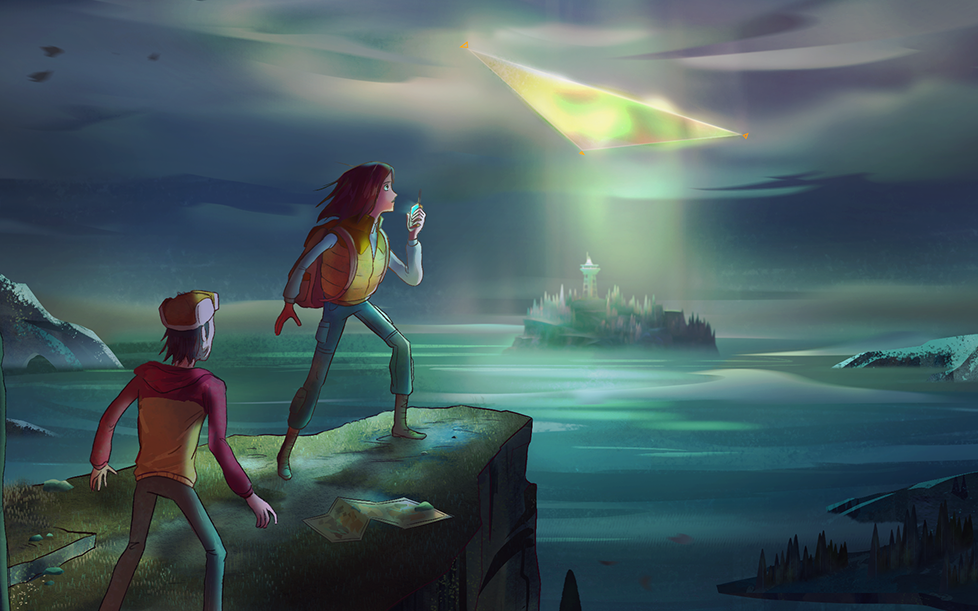
When I first played Oxenfree, I fell in love with the soft beauty of Edwards Island and the teenage characters’ casual chatter. Then, I switched on the handheld radio and, suddenly, there was a garbled, inhuman voice. The game didn’t rely on an abrupt jump scare. Instead, a creeping sensation of fear invaded what’d been a calm encounter. That discomforting blend of familiarity and terror is the essence of cozy horror.
What Exactly Is Cozy Horror?
Cozy horror sounds like an oxymoron, but the two sides of the genre blend surprisingly well. These games inscribe uncomfortable ideas into still-accessible experiences. The aim isn’t usually to bombard you with frequent threats or gruesome violence. Rather, atmospheric horror builds suspense through mood and lets discomfort rise more slowly.
Exploration is also preferred over combat in many games of this type. You can solve puzzles, examine strange occurrences or learn more about characters in dialogue. The terror still matters, but it is there to serve the experience rather than to dictate every instant of it.
A Familiar Place to Settle Into
The comfortable side frequently starts with the game's visual identity. Some titles use a soft claymation approach, others look more like illustrated narrative books. An environment that is gloomy or odd might nevertheless have a homemade feel that beckons you to investigate it.
Gameplay is generally at a speed you can handle. Instead of fighting through hordes of opponents, you’re usually able to explore rooms freely and inspect stuff. Puzzles progress without the need for quick reflexes. This leisurely structure allows you to appreciate the area and become immersed in its mysteries.
And most of all, the fear feels manageable. Failure might have consequences, but you don’t feel like you’re under attack at every move. It isn’t draining, since the stakes are personal enough to matter. The balance makes it easy to keep playing, even when the tale gets dark.
A Shadow Beneath the Surface
Cozy horror has to make you feel uncomfortable. It generates that reaction in expectation, not constant danger. A familiar room may look different on a second look, or a chat may show that a pleasant person has been concealing something. Little details show that the world isn’t as safe as it seems.
Character design also helps build tension. NPCs look charming at a distance, yet frightening close up. Game designers do the same thing with environments, contrasting alluring places with dark corners or signs of a hidden presence.
Many stories leave you with unanswered questions. They don’t explain every supernatural incident. Instead, they allow you to make your own conclusions about what you’ve witnessed. That vagueness might linger in your mind long after the game is done. Cozy horror works well because it’s comfy enough to bring you in closer, just to leave you wondering if you should’ve kept your distance.
Why Cozy Horror Feels So Good
While horror games are fun, they can be demanding. The constant chase scenes and limited resources can keep you on edge well after you’ve laid down the controller. The type of fear you feel with cozy horror is unique. It lets you confront unpleasant experiences without making every second a battle to survive.
It’s like reading a ghost story on a rainy night. You’re sure you’re safe, yet the atmosphere makes you glance warily toward the dark hallway. The stress is less aggressive, so it’s easier to appreciate. You can be curious about what’s around the next turn instead of dreading the next attack.
This balancing also has a greater influence on how you feel. Exploration provides a natural break between scares, while puzzles force you to concentrate on an obvious short-term goal. Rather than going away completely, your fear ebbs and flows at a comfortable pace.
A Natural Shift for Horror Games
The growing popularity of cozy horror suggests a broader craving for games that prioritize ambience and storytelling. Some gamers are more receptive to horror that doesn’t rely on gore or hard fighting. Sometimes, the story’s implications are scarier than the monsters it reveals.
Independent developers have been a key part of this transition. Smaller-scale productions can experiment with weird art styles and slower kinds of suspense without having to conform to the shape of a standard survival-horror release. Such openness has allowed cozy horror to forge an identity that’s as familiar as it is novel.
Streaming has made these games more discoverable. Their distinctive imagery and story-driven riddles are naturally ripe for discussion. You can follow the plot while generating your own theories about what’s actually happening beneath the surface.
Horror for Players Who have Seen It all
If you’ve been playing horror games for years, you know a lot of the genre’s common techniques. That locked door is rarely just a locked door, and that distant noise is probably trouble. The thing about cozy horror is, it doesn’t need to surprise you with every shock.
Instead, it pays to be patient and attentive. A visual detail can be more powerful than meeting a monster. An unfinished discussion can be more frightening than a loud reveal. To veteran gamers, this nuance makes the genre seem like an intentional evolution of horror rather than a milder copy.
Cozy Horror Games to Start With
Cozy horror is a spectrum. Some gamers go for frights, while others prefer darker themes that lend discomfort to an otherwise enjoyable experience. These titles will give you an idea of the genre’s diversity.
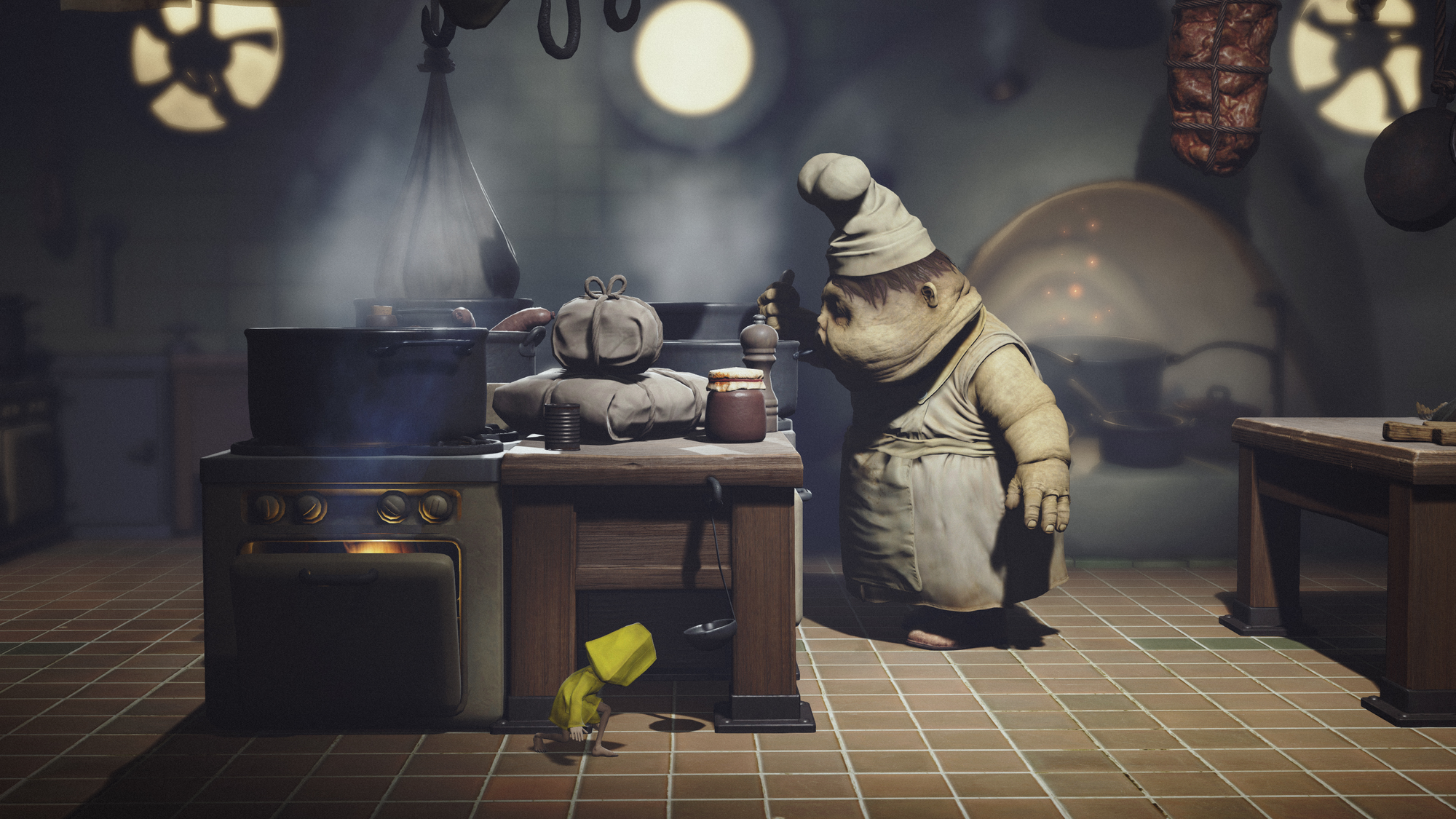
1. Little Nightmares
Little Nightmares puts a little girl named Six inside The Maw, a vessel inhabited by monstrous giants who’re trying to get her. Its hide-and-seek sections build real tension, yet the simple platforming and puzzle-solving keep things accessible. Even the most distressing places are fun to explore because of their strange proportions and dark, fairy-tale-like universe.
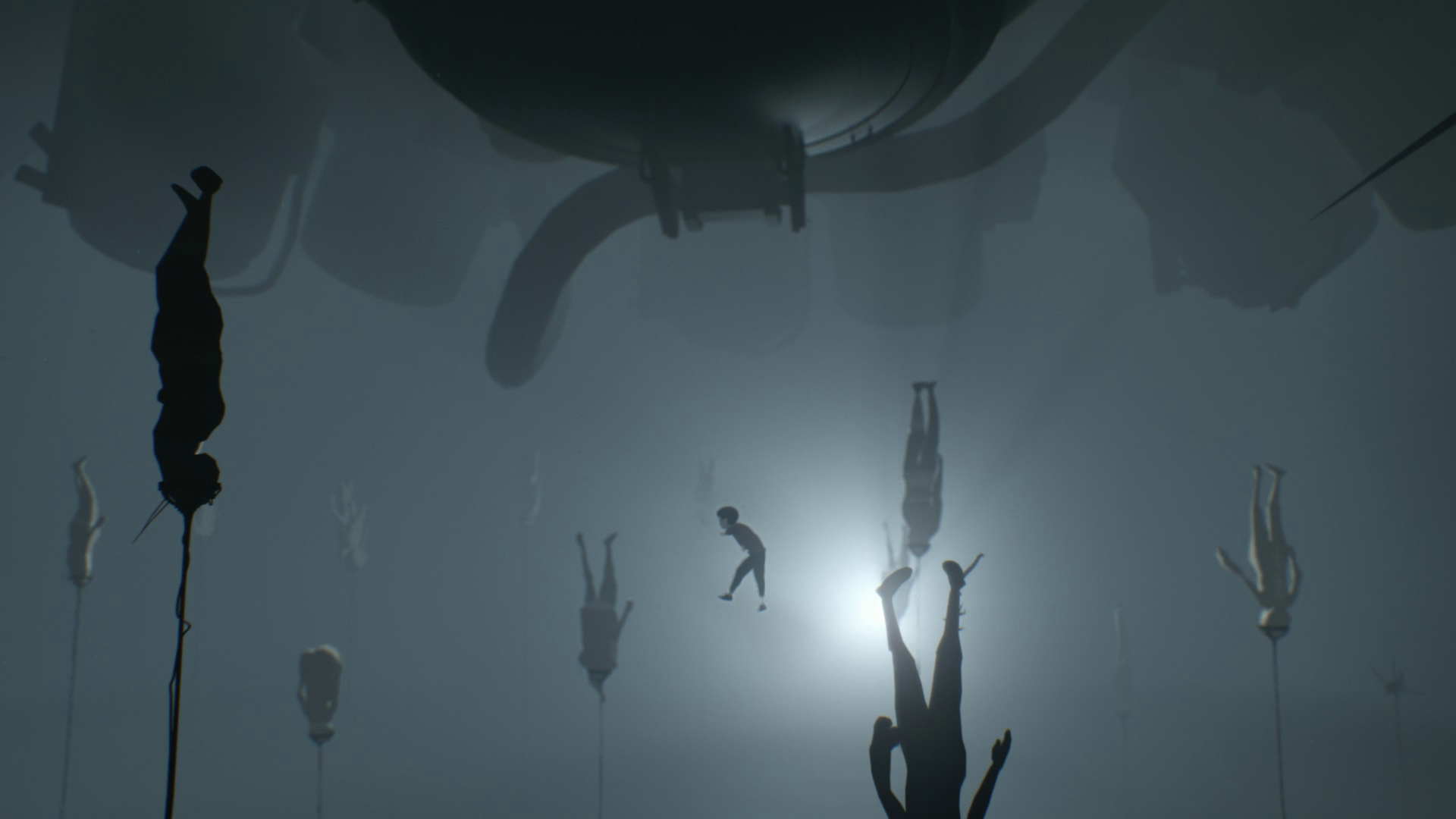
2. INSIDE
Not many games leave you more unsettled than INSIDE. The setting feels lonely and sparse, and features subdued colors. The game is largely environmental. You take a young, silent protagonist deeper into a strange, unsettling facility. The game reserves its most impactful story beats for the climax, but serves scares throughout.
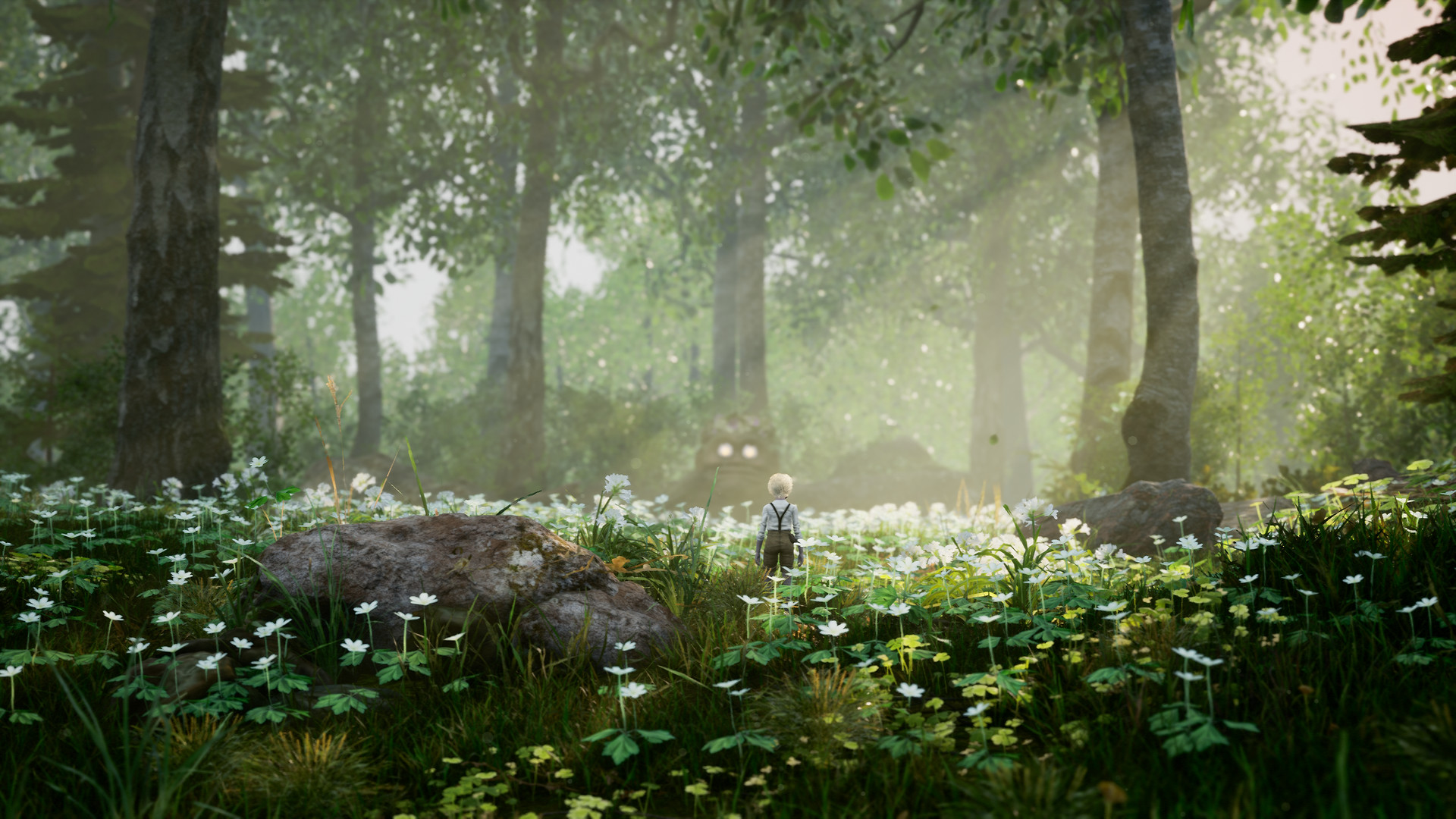
3. Bramble: The Mountain King
Bramble: The Mountain King leans on Nordic culture to craft a world that feels like a grim fairy tale. The exploration is lovely at first, with gorgeous landscapes and miniature settings straight out of a novel. However, Olle's quest to save his sister ultimately leads him to meet monstrous creatures. The rapid change from awe to fear gives the journey a sharp edge.
4. Stray
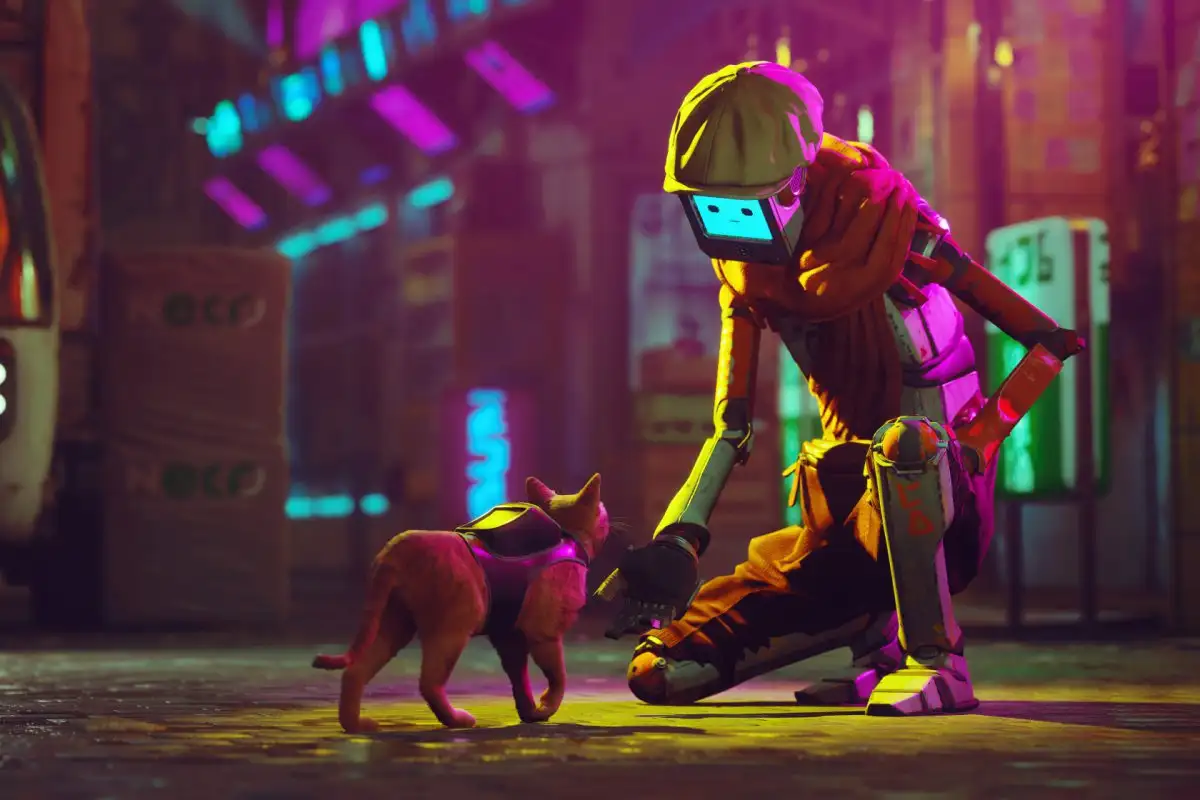
Stray has a reassuring charm that comes with playing a cat. Much of the experience involves walking through a neon metropolis and interacting with the robots that live there. You can slumber in the warm corners, and even knock stuff off shelves. Zurks, parasitic organisms that swarm their prey, add a disturbing body-horror-like threat to the rotting metropolis.
5. Cult of the Lamb
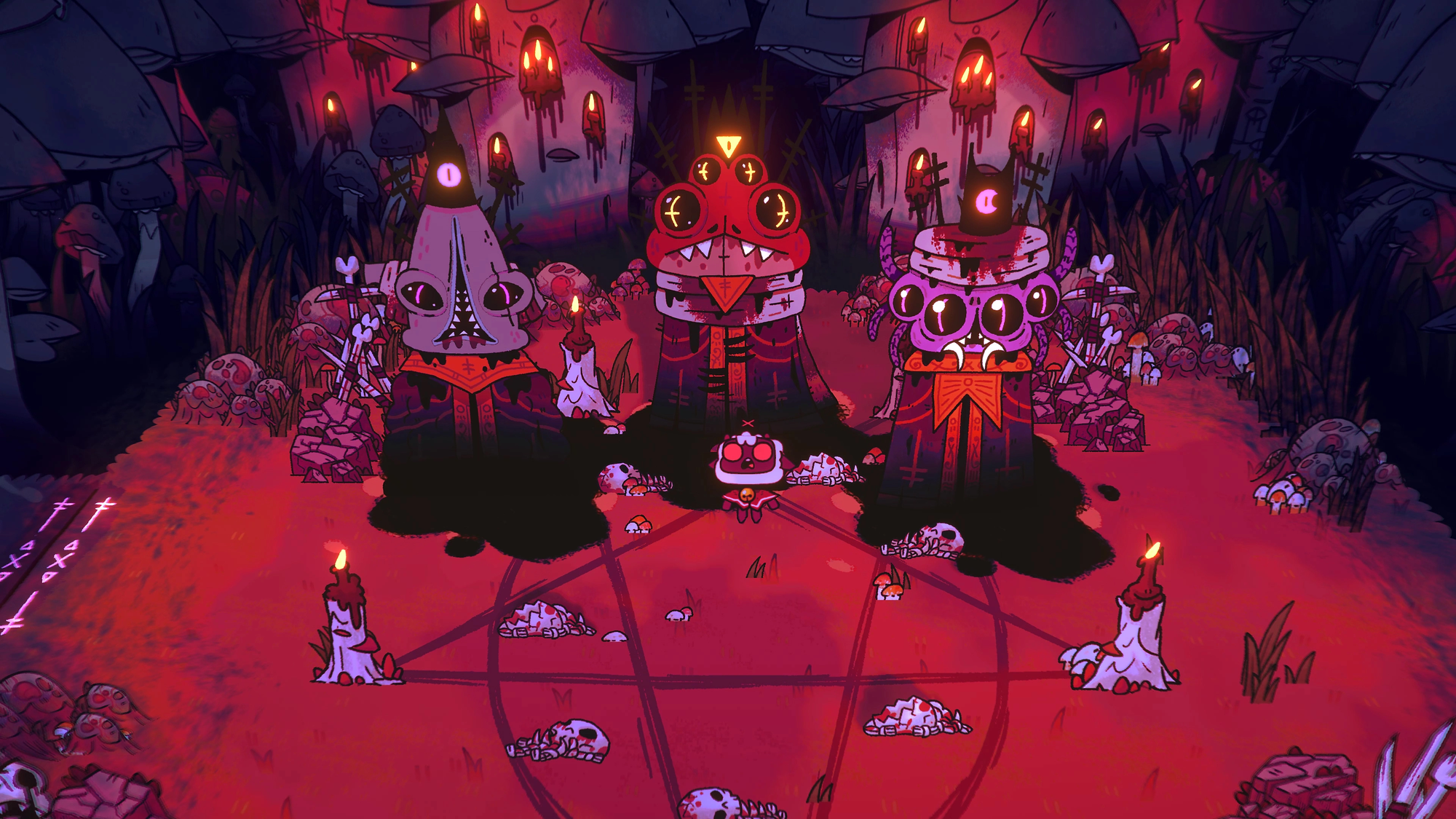
Cult of the Lamb may be the clearest example of cozy horror’s strange duality. You construct a prosperous village, with lovely forest inhabitants to care for, feed and house. Yet, underneath that pleasing system of management lies a story of ritual sacrifice and worship of a strange god. Between more sedate cult lending activities, you may go into rogue-like dungeon runs that offer spurts of action.
6. Cozy Grove
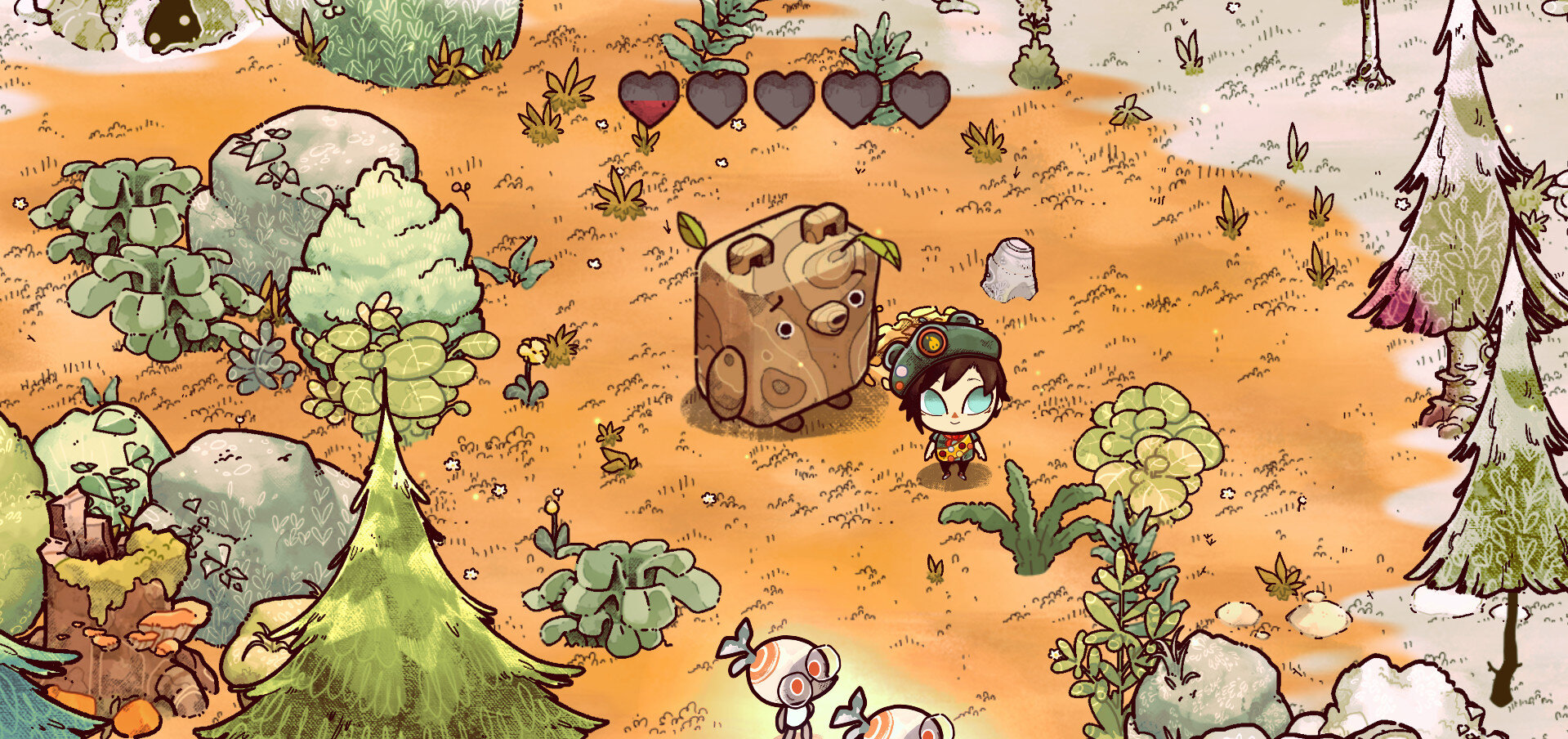
Cozy Grove provides a gentler approach, transforming a scary island into a welcome campsite. You play as a Spirit Scout, completing daily challenges and slowly uncovering the story of the phantom bears that reside there. The terror lies in their unlived existence, not in any peril of the body. Some of their memories are shockingly melancholy, lending a profound emotional weight to the happy living simulation.
7. The Cosmic Wheel Sisterhood
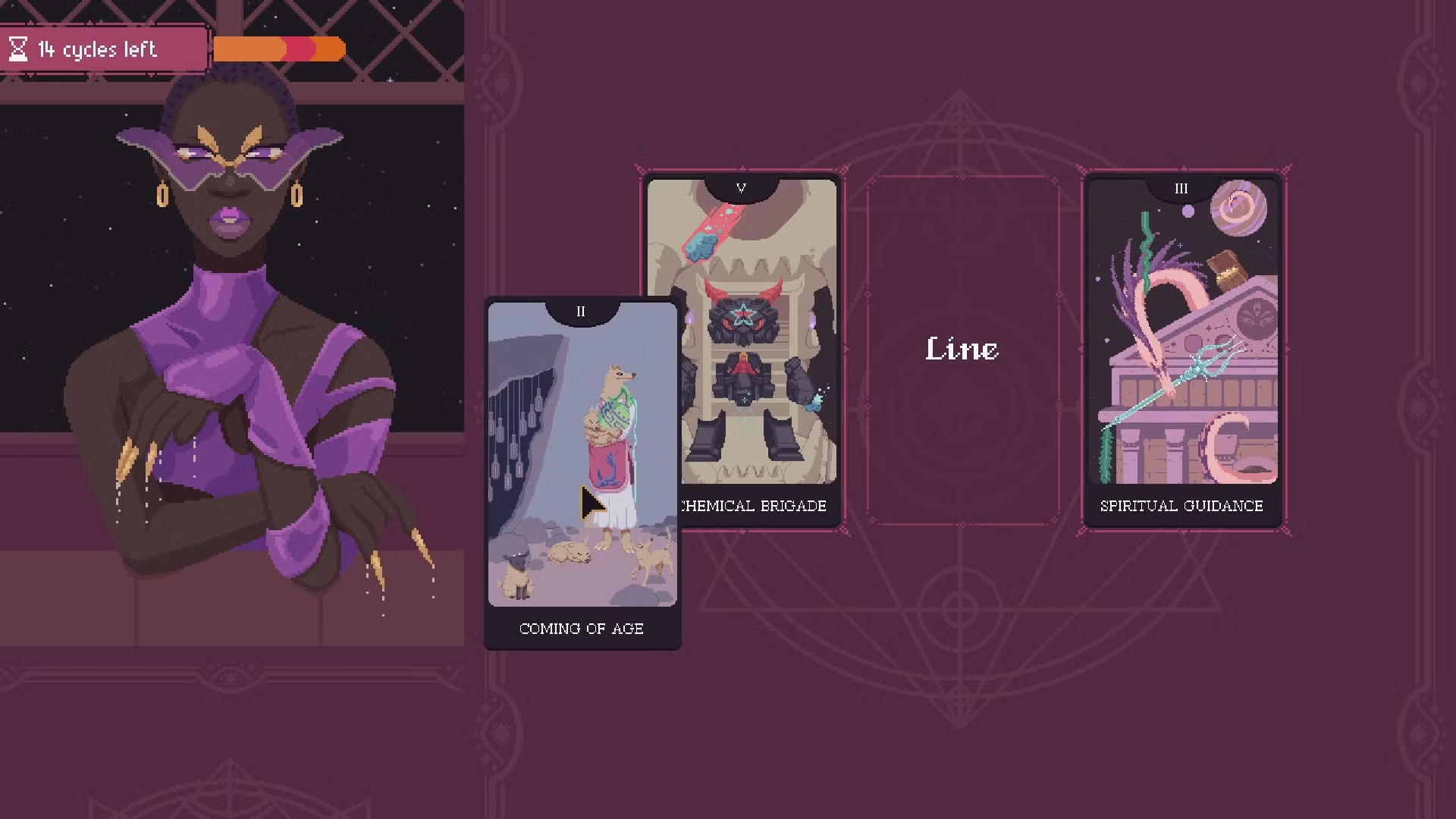
The Cosmic Wheel Sisterhood approaches horror through magic and forces that exist beyond ordinary understanding. You embody Fortuna, an exiled witch who strikes a dangerous bargain to reclaim her freedom. Designing a unique tarot deck can feel creative and meditative, but every reading can affect the fate of another character. Its intimate packaging makes those choices feel personal, and the foreboding threat of Fortuna’s deal's unknown price looms over the plot.
Finding Comfort in the Creepiness
Cozy horror shows a game doesn’t need to be relentlessly dangerous to make you feel disturbed. The genre combines manageable dread, artistic expression and memorable storytelling to give you experiences that feel inviting despite having a dark edge. Cozy horror’s less bombastic approach to fright isn’t a fad, but a growing staple of modern horror. If these titles sound interesting, you should consider playing them.
Join the conversation
What do you think? Reply below to share your perspective.