Interview: Creating Beat 'Em Up Sequel Super Alloy Crush
Mega Monster May Cry inspiration

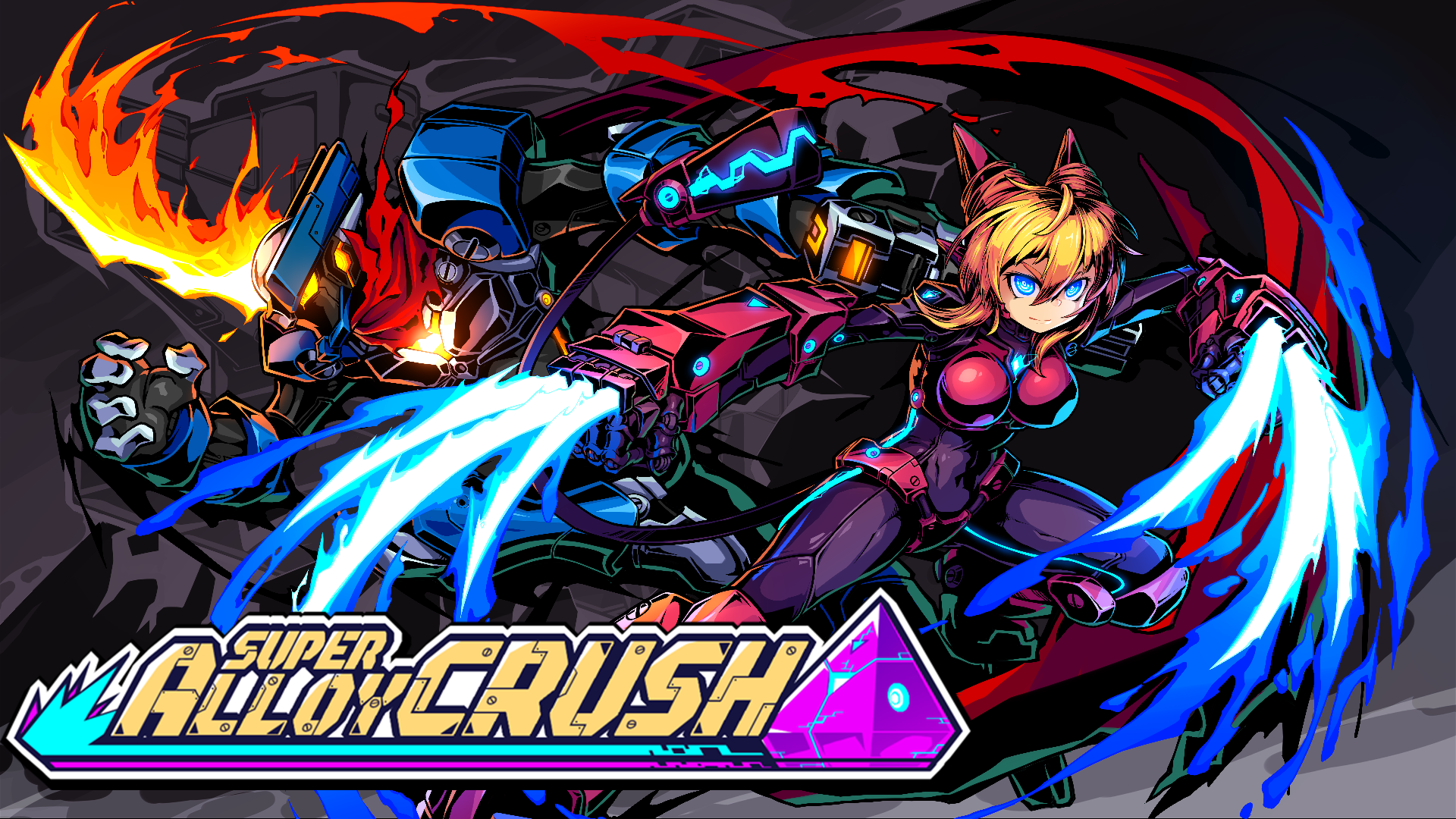
Super Alloy Crush is an upcoming 2D sci-fi beat 'em up. It currently has no announced release date, but a demo is available on Steam. The game is being developed by Alloy Mushroom, a two-person team based in China. I spoke with one half of the duo, who goes by the pseudonym "Mabi Mogu" (which means "paralyzed mushroom").
SUPERJUMP
Tell me a bit about yourself. How long have you been developing games, and how did you get into the business?
Mabi Mogu
We are a two-person team called “Alloy Mushroom.”
I (Mabi Mogu) am an indie game designer. I started working in indie game development 12 years ago and created The Vagrant and Super Alloy Ranger. Right now, I’m working on my third project.
My teammate, the programmer Iceprite, is also an excellent indie game developer. Before we worked together, he independently developed Touhou Mystery Reel, and I think he’s really impressive.
What got me into the indie game industry was when my friend and I saw Steam Greenlight and thought that maybe we could do it too. So we started making The Vagrant from there.
SUPERJUMP
You go by “Alloy Mushroom” online. What’s the story there? Is it linked to your Super Alloy games?
Mabi Mogu
Alloy Mushroom was a name I came up with while developing Super Alloy Ranger.
At that time, I was working on the game completely on my own, and when it was ready to be released, I needed a “studio name.” So I took Paralysis Mushroom (Mabi Mogu) and gave it a “Super Alloy” twist, which is how Alloy Mushroom was born.
SUPERJUMP
In that case, where does the name "paralysis mushroom" come from?
Mabi Mogu
It's an item from Monster Hunter. It's a poisonous material used to craft tranquilizer ammo.
SUPERJUMP
Moving on to the game itself, what’s the elevator pitch for Super Alloy Crush? How would you sum it up in a single sentence?
Mabi Mogu
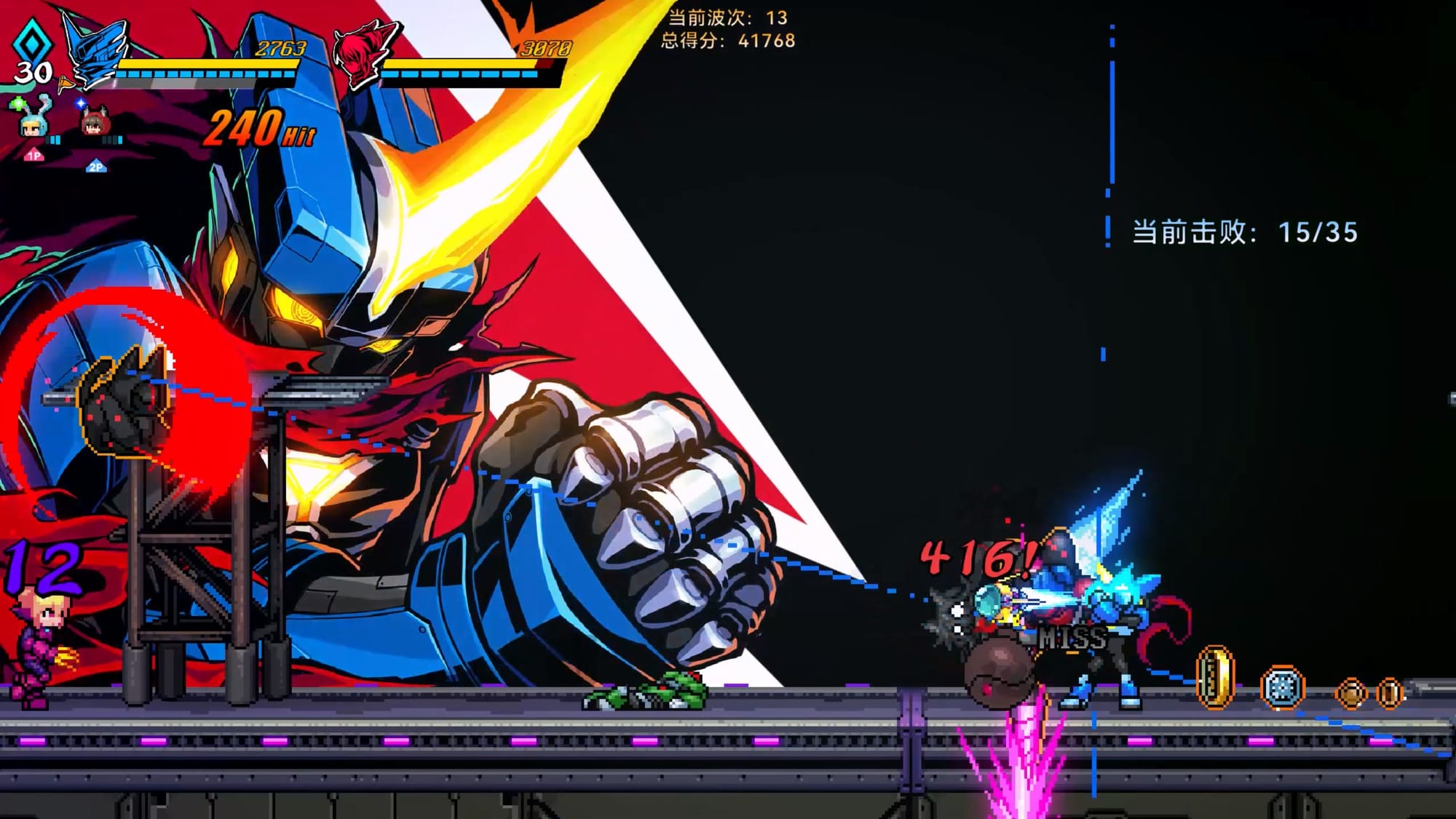
My goal was to create a two-player side-scrolling action game inspired by Monster Hunter, Devil May Cry, and Mega Man, and I’ve been working toward that vision as much as I can.
SUPERJUMP
This is the second game in the series, following on from Super Alloy Ranger, which was released back in 2022. What lessons did you learn from the previous game, and what’s different about this installment?
Mabi Mogu
The story continues from Super Alloy Ranger, but the gameplay is completely different.
The most obvious difference is that there are no traps and no contact damage. In this game, you fight enemies head-on and focus on chaining combos together. It’s a side-scrolling action game that puts a strong emphasis on fast, hack-and-slash combat.
On top of that, it includes some roguelike-style modes designed for replayability.
Unlike Super Alloy Ranger, this time I really wanted to create a game that players can enjoy playing over and over again.
SUPERJUMP
Tell me about some of your inspirations. I can see there’s a bit of Mega Man’s DNA in Super Alloy Crush. What else have you drawn from while designing Super Alloy Crush?
Mabi Mogu
The Mega Man influence is easy to spot at first glance, but in reality, a lot of the design this time was inspired by the great move sets and combat systems from games like Street Fighter, Devil May Cry, and Dungeon Fighter Online.
Many of the skills, mechanics, and combo ideas came directly from what those games do so well.
SUPERJUMP
Combat in beat ‘em up games always needs to feel satisfying. What steps have you taken to ensure that fights in Super Alloy Crush feel engaging?
Mabi Mogu
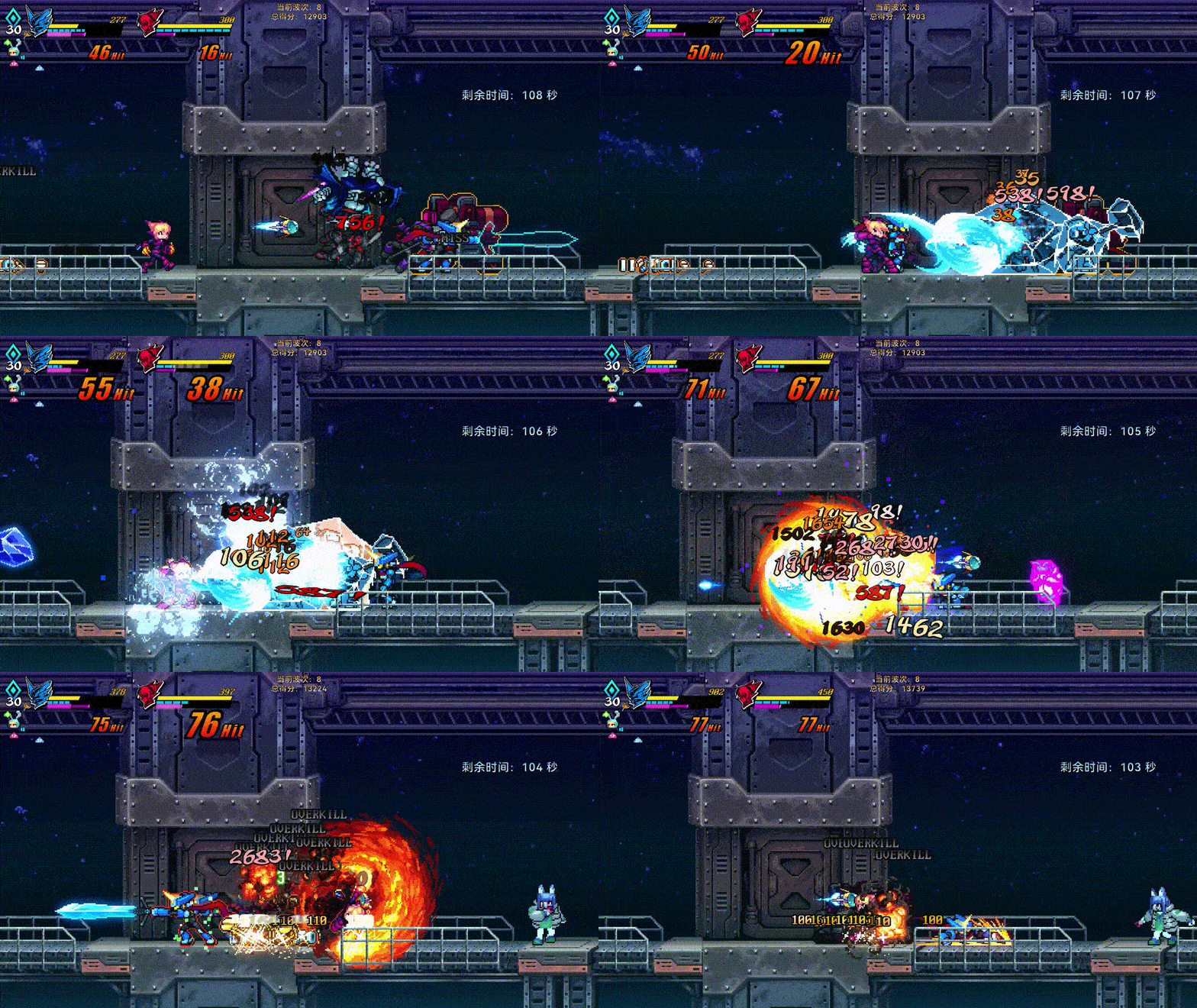
On my side, I focused on making enemies actually react when they get hit.
I didn’t want players to feel like enemies were solid blocks of steel stuck to the ground. Instead, I wanted them to be able to knock enemies around, launch them into the air, and control the flow of the battlefield through their own actions.
SUPERJUMP
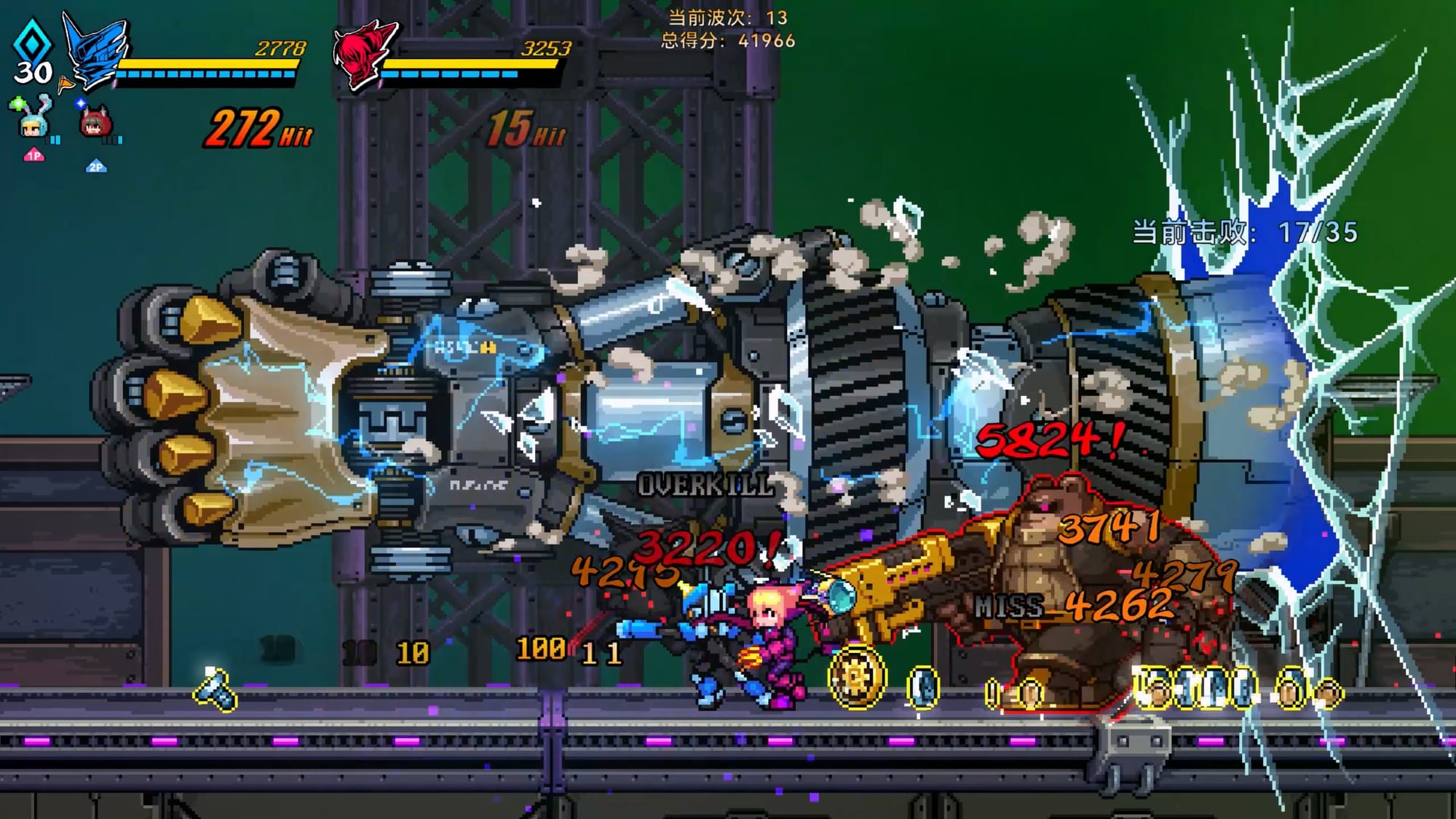
The game has two characters with different playstyles. There’s Kelly, who attacks from range with a blaster, and Muu, who fights up close using energy claws. Is it difficult balancing the game, knowing that players can approach levels in two very different ways?
Mabi Mogu
It was definitely very challenging. In a close-combat system where enemies react to hits and can be launched into the air, characters who can control enemies with bullets easily become too powerful.
So we had to constantly tweak things, like making melee combat more mobile and flexible to make up for its shorter range, while also giving ranged characters some real trade-offs and limitations.
SUPERJUMP
What made you settle on the names “Kelly” and “Muu” for your protagonists?
Mabi Mogu
The name Kelly comes from a place in China, a city in Guizhou Province. When I first heard it, I thought, “Oh, I like that. It sounds really nice.”
As for Muu, I wanted the name to feel a little strange and unique. What I didn’t expect was that a lot of English players would associate it with the sound a cow makes, like “moo.” But honestly, I kind of like that.
SUPERJUMP
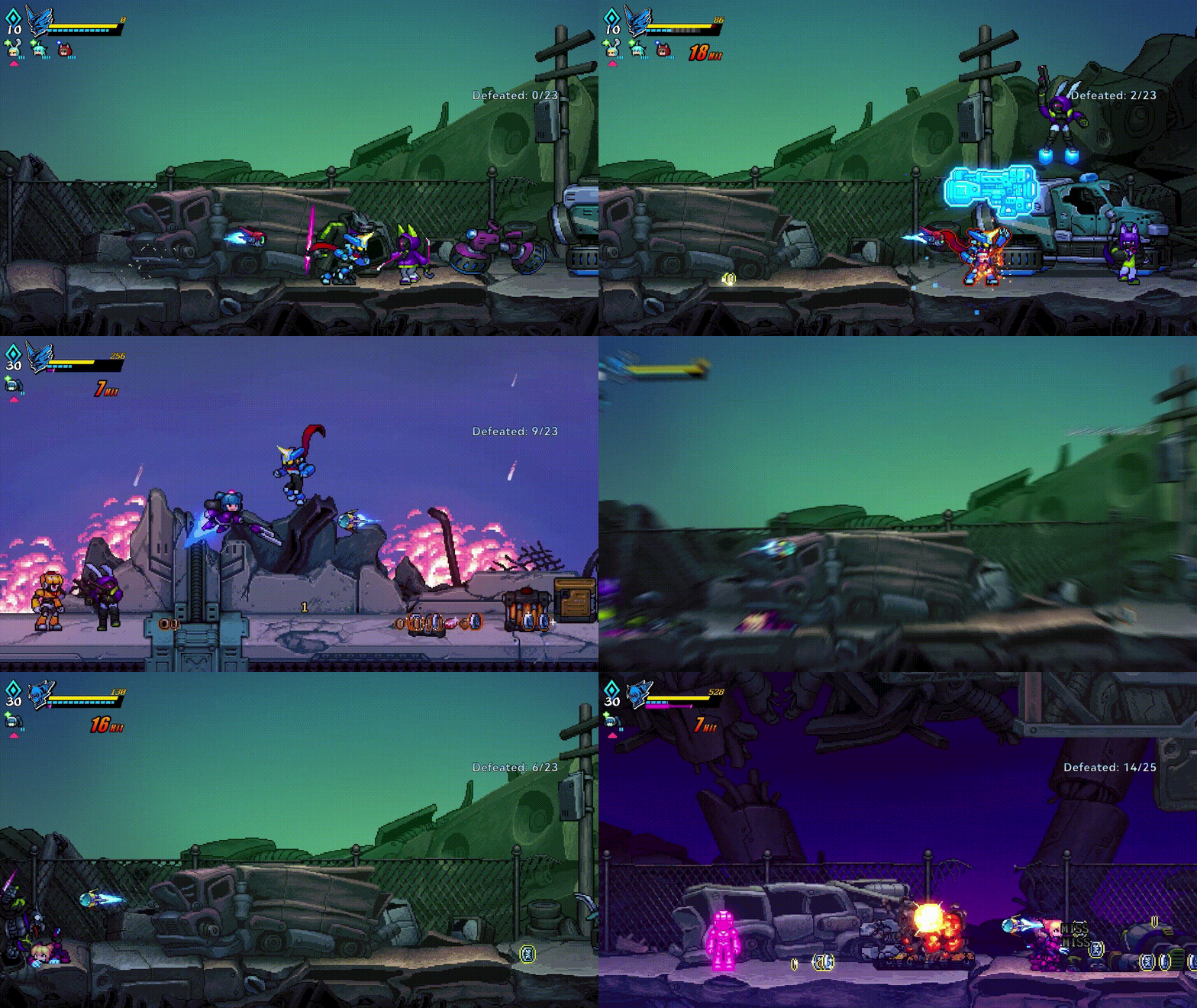
The early access demo has been out since 22nd January. What sort of feedback have you gotten about the game so far? Has it inspired any major changes?
Mabi Mogu
Community feedback was incredibly helpful. Based on that, we added moving attacks for Kelly, adjusted the combat pacing, improved enemy AI, and refined a lot of small details.
We also made many balance changes to the game’s stats, and all of this helped make the gameplay feel much smoother and more satisfying.
SUPERJUMP
After Super Alloy Crush releases, do you think you’ll keep releasing future games in this series, or do you have other projects in mind?
Mabi Mogu
Game development is our job and our passion. If possible, we would absolutely love to keep adding more content to Super Alloy Crush, and make a third Super Alloy game!
We also have plenty of other ideas constantly flowing from our creative passion. Who knows what might come next?