Jak & Daxter: Randomized
Living a random life

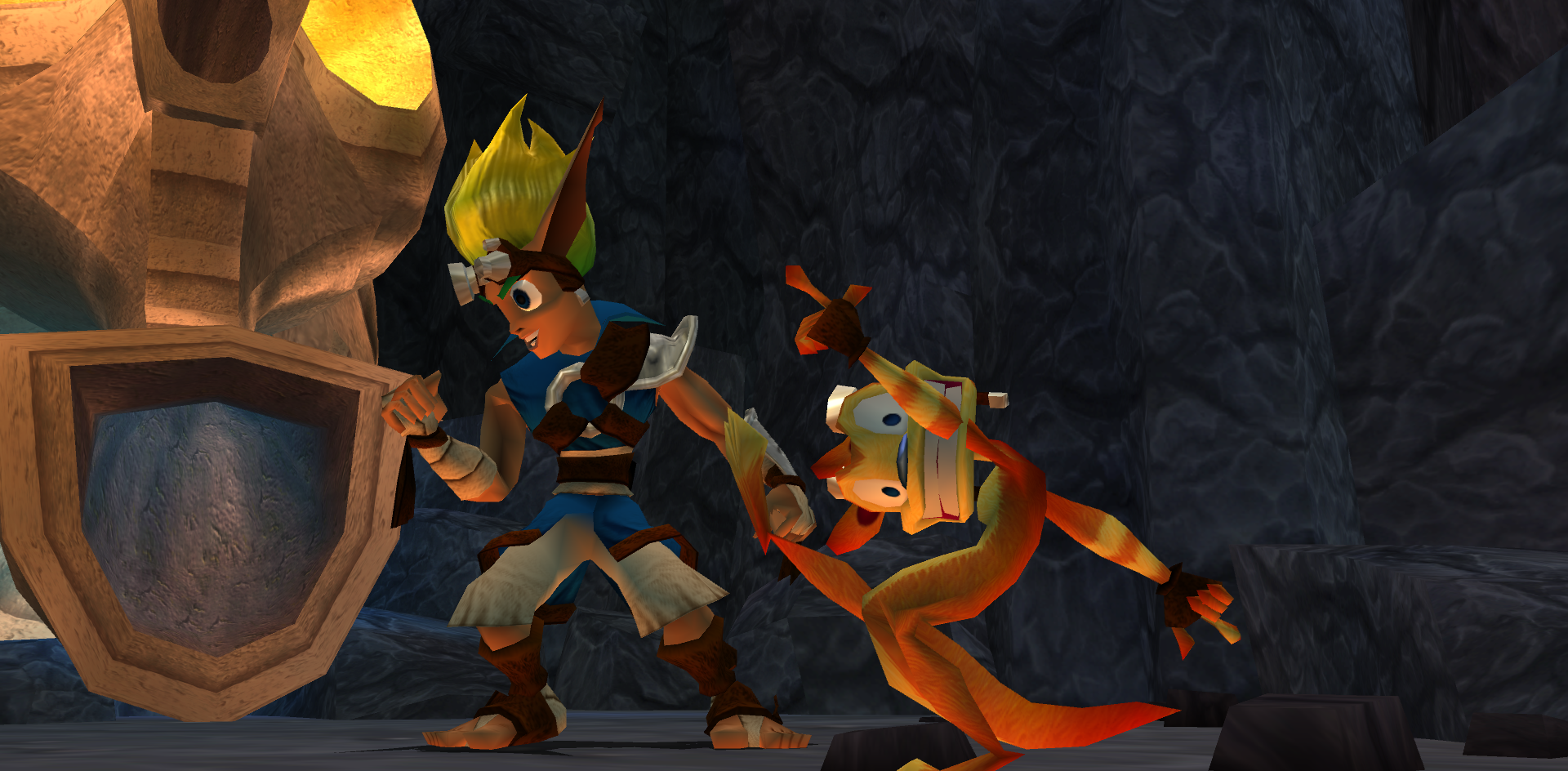
I have likely played Jak & Daxter: The Precursor Legacy longer than most players. As insane as it sounds to put about 50 hours into a video game that takes only 10 to 11 hours to complete at 100%, I’ve easily done at least that much. I think it’s a perfect 3D platformer with the perfect level of challenge, a fantastical signature style, and it stays exactly as long as it’s welcome.
While I don’t need an occasion to replay Jak & Daxter, I still find ways to mix up the formula. I’m not much into speed running; if I wanted to play Jak & Daxter with a timer in my face, I would just play Jak II. Although from the culture of the Jak & Daxter race, I’ll try to finish the game, meeting the minimum requirements to see how early I can accumulate the required amount of items. Conversely, I do love the occasional 100% play through for the rush of a fully completed checklist.
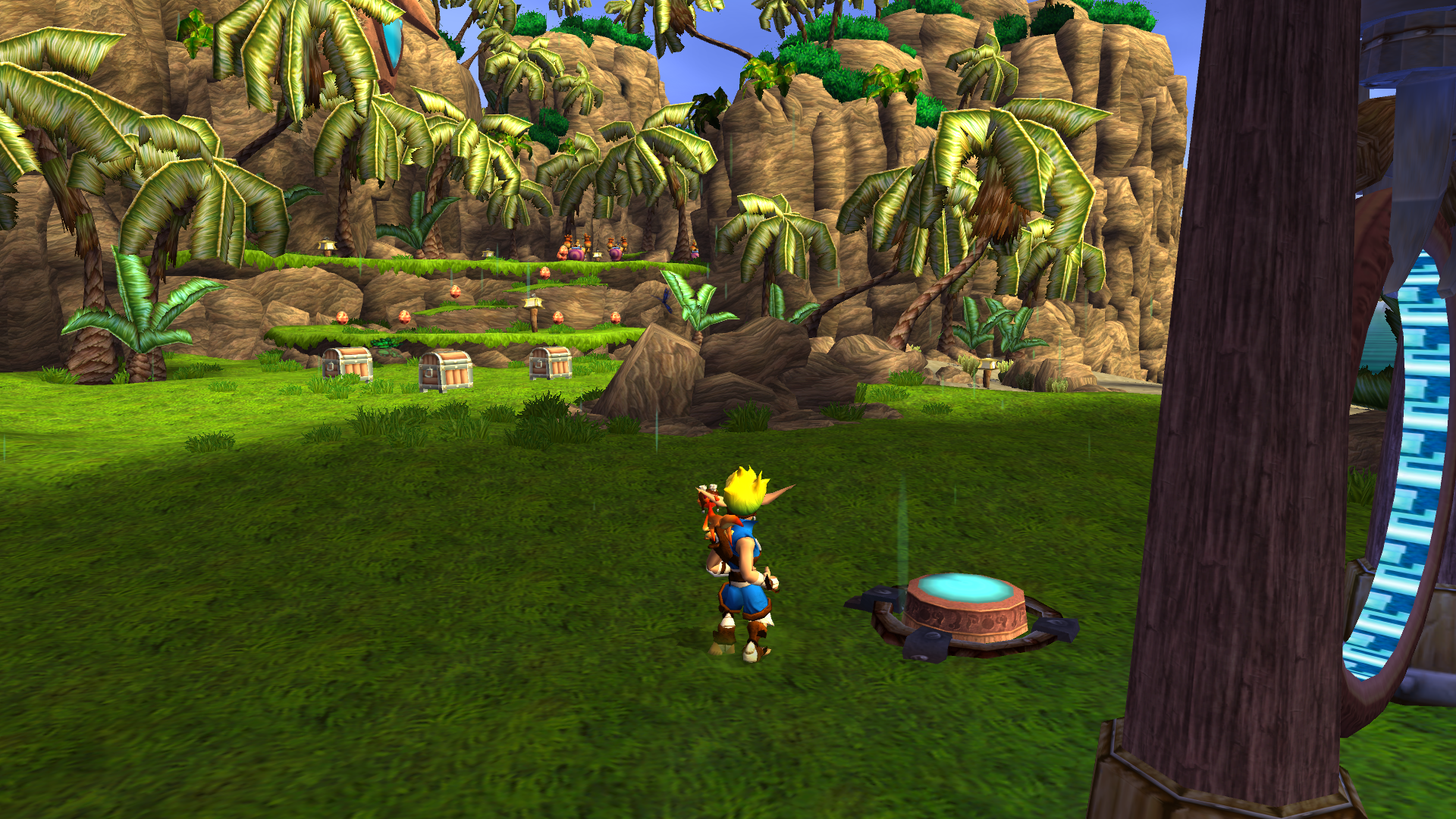
Making your own fun by playing a video game in different, awkward ways often stems from boredom and necessity. Through this experimentation, players over the years have invented many ways to alter the traditional gameplay experience and prove that fun can be found outside the developers' intended paths. A piece of technology that I’ve tried out recently is the culmination of a few impressive feats: the PC-native multi-world randomizer for Jak & Daxter: The Precursor Legacy.
Setting Things Up
To quickly explain the method, you would begin by getting the PS2 game's ISO file. While this process is frequently done in a less-than-legal manner, you could alternatively just slide your copy of the PS2 game into your PC and run it through an image file burning software if, like me, you still have your copy.
Now, you could play the game through an emulator, but the real reason to move the game onto your computer is to have a program called OpenGOAL take it from there. Jak & Daxter was built on a custom programming language that Naughty Dog used to fit their games onto Sony’s limited PlayStation hardware. If you’ll pardon the oversimplification, OpenGOAL takes this custom code and translates it into C++ so that the game runs natively on Windows PC. The PC offers better performance, but more importantly, it allows for mod support.
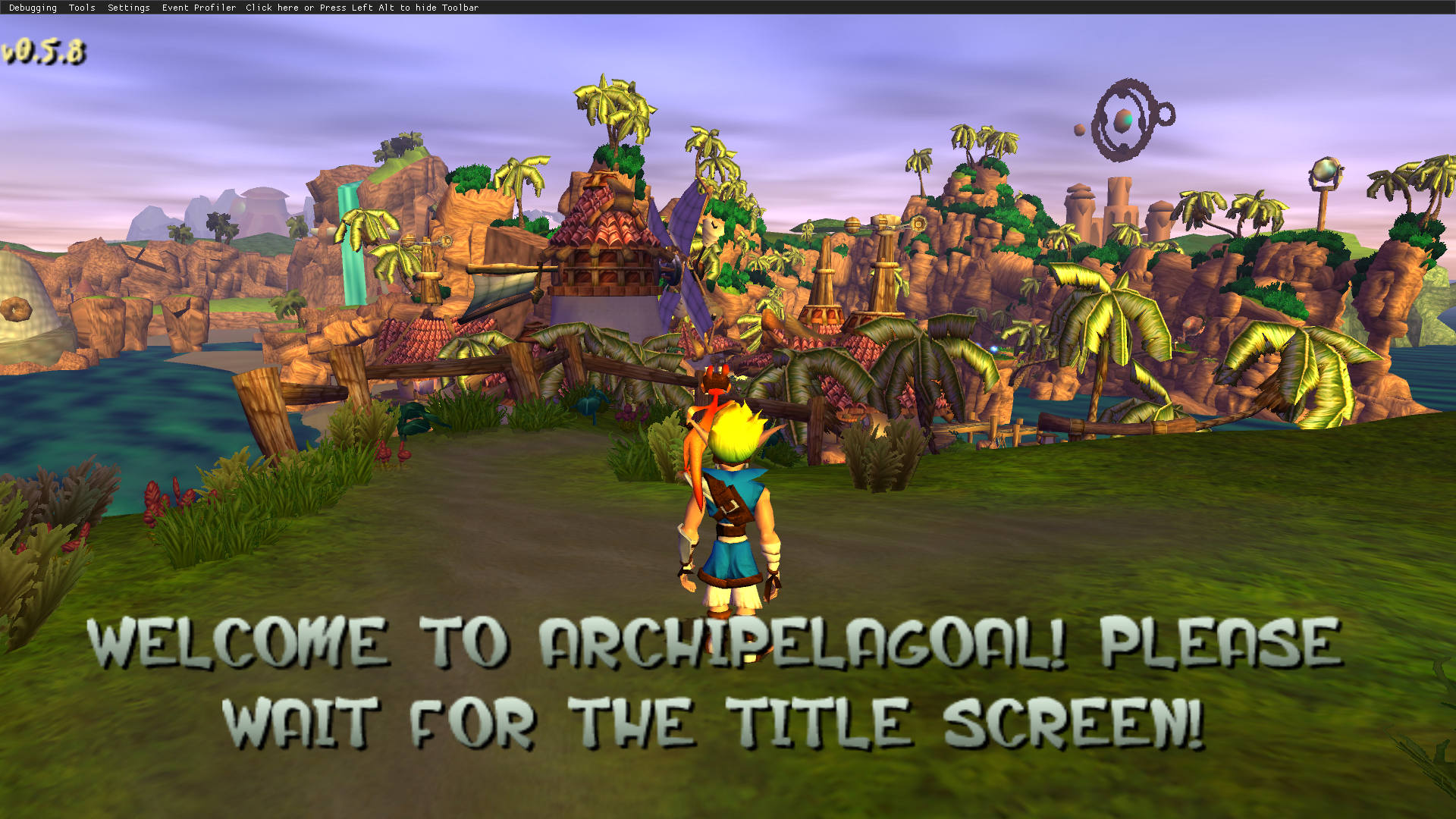
Archipelago is a web hosting software that allows multiple games to share pools of randomized objects. This means that a chest in Kingdom Hearts may contain a Power Cell for Jak & Daxter if those two games were the ones to combine their randomized item pools. This opens up the option for multiplayer, but for my example, I’ll be the only player in the lobby. You would have to install the Archipelago mod and spend a few hours learning how to use the software, but then you are ready to randomize.
Now I appreciate those who have made it 500 words into this article, which has so far just been about putting a PS2 game onto PC. But four free fan-made pieces of software made the Jak & Daxter randomizer possible, a touching testament to what this game still means to its fans even 25 years after its release.
Let's Get Random
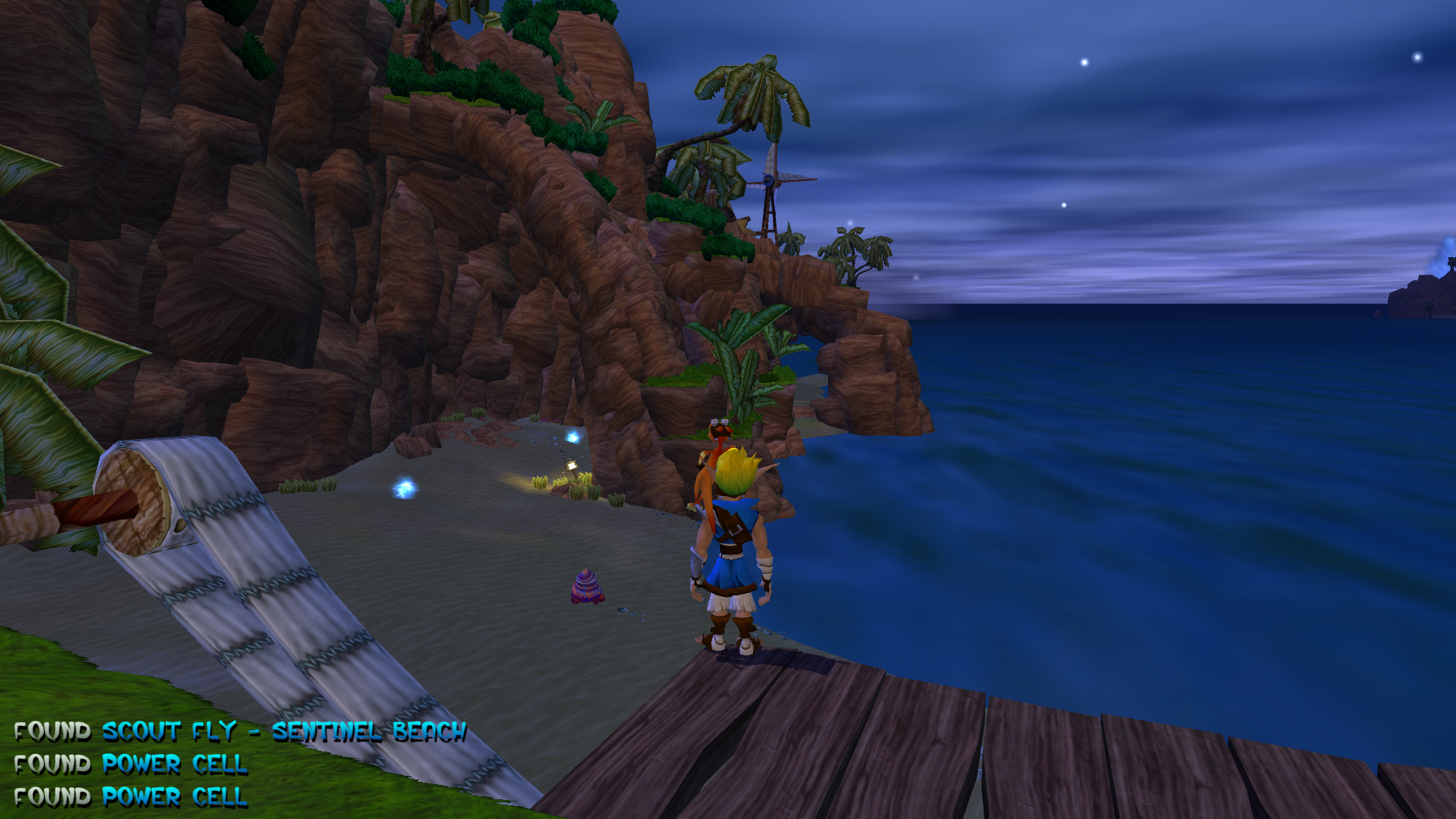
After this setup, all that’s left is to start the challenge. Jak & Daxter is a breezy and forgiving platformer; I can’t think of any one level I dread having to play, which is what makes the game infinitely replayable. It’s an easier game than Super Mario 64 in that, rather than spitting you out of the entire area when you die, you are spawned back at one of the generously placed checkpoints. This is a game where you can die to any challenge 5 or 6 times and avoid feeling most frustrations.
The move randomizer is a system that takes each acrobatic maneuver in Jak’s skill set and removes the ability to do them until you’ve discovered the move in the game. The only move that you are given at the start is the ability to jump (without the double jump). This turns the first half of the game into a puzzle. How many checks can I complete without any attacks? How many jumps can I clear without a long jump? As it turns out, you can clear a surprising percentage of the entire game without your complete move set.
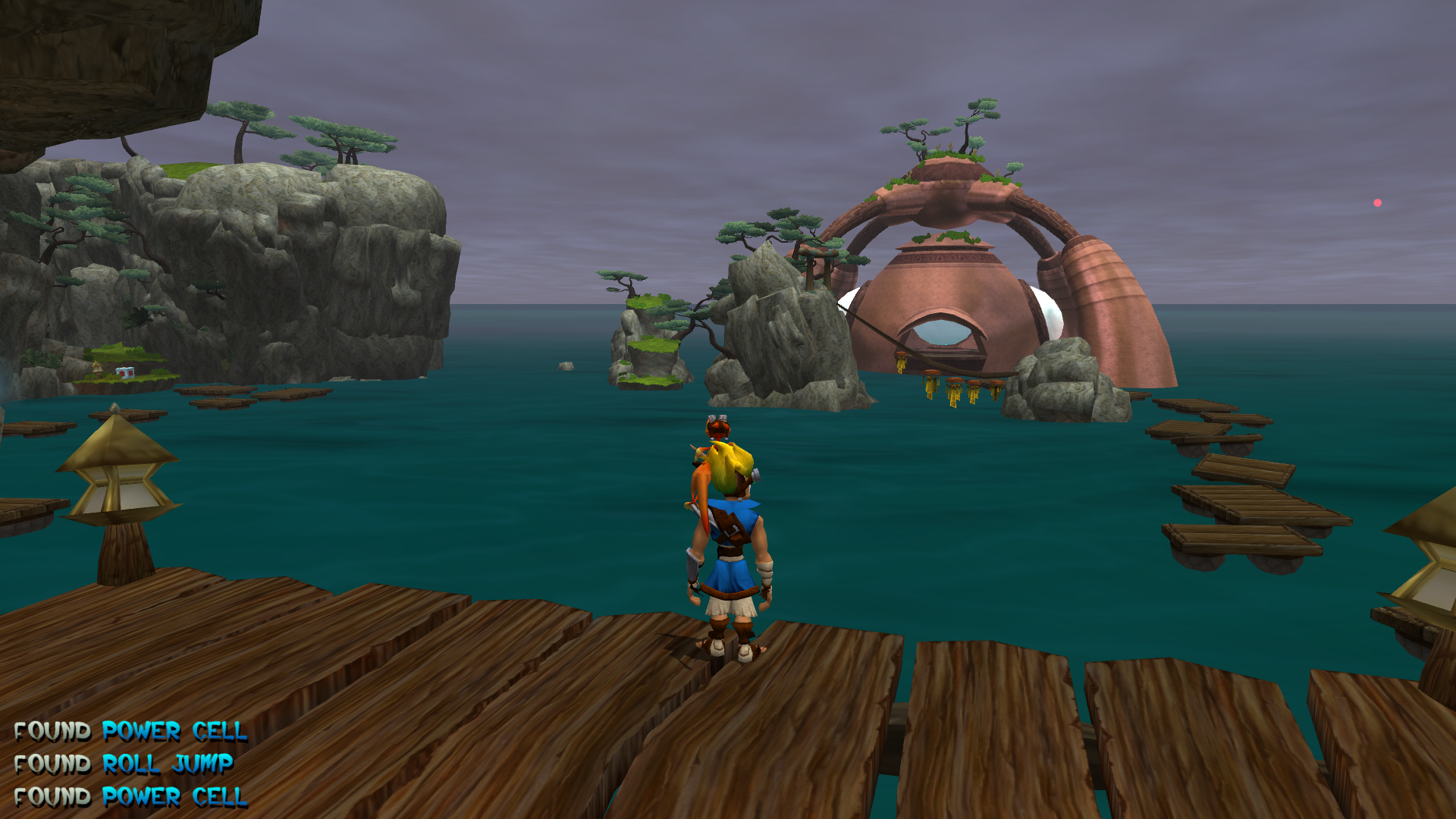
In particularly challenging runs, it was really fun for me to discover how long I could go without defeating a single enemy or only breaking scout fly boxes with Eco. There was a specific run where, instead of double-jump or crouch-jump, my only means of getting to high ledges was to uppercut into a helicopter kick. This is not something I would have ever done just playing the game normally, and it made me feel like a free runner, performing such complicated moves just to continue the game.
The move randomizer is turned off by default, but I recommend turning it on; it adds a lot of fun without too much extra difficulty. I’ve also tried playing with the Orbsanity settings turned on, where groupings of Orbs are added to the checklist, and collecting your chosen amount of orbs will result in a check. I set mine to 25, but I got soft-locked in the first area. I could have just missed some that I would have been able to get, but I think that the logic in this version isn’t perfect for Orbsanity. This setting is fun, but be prepared for some glitches that could break your run.
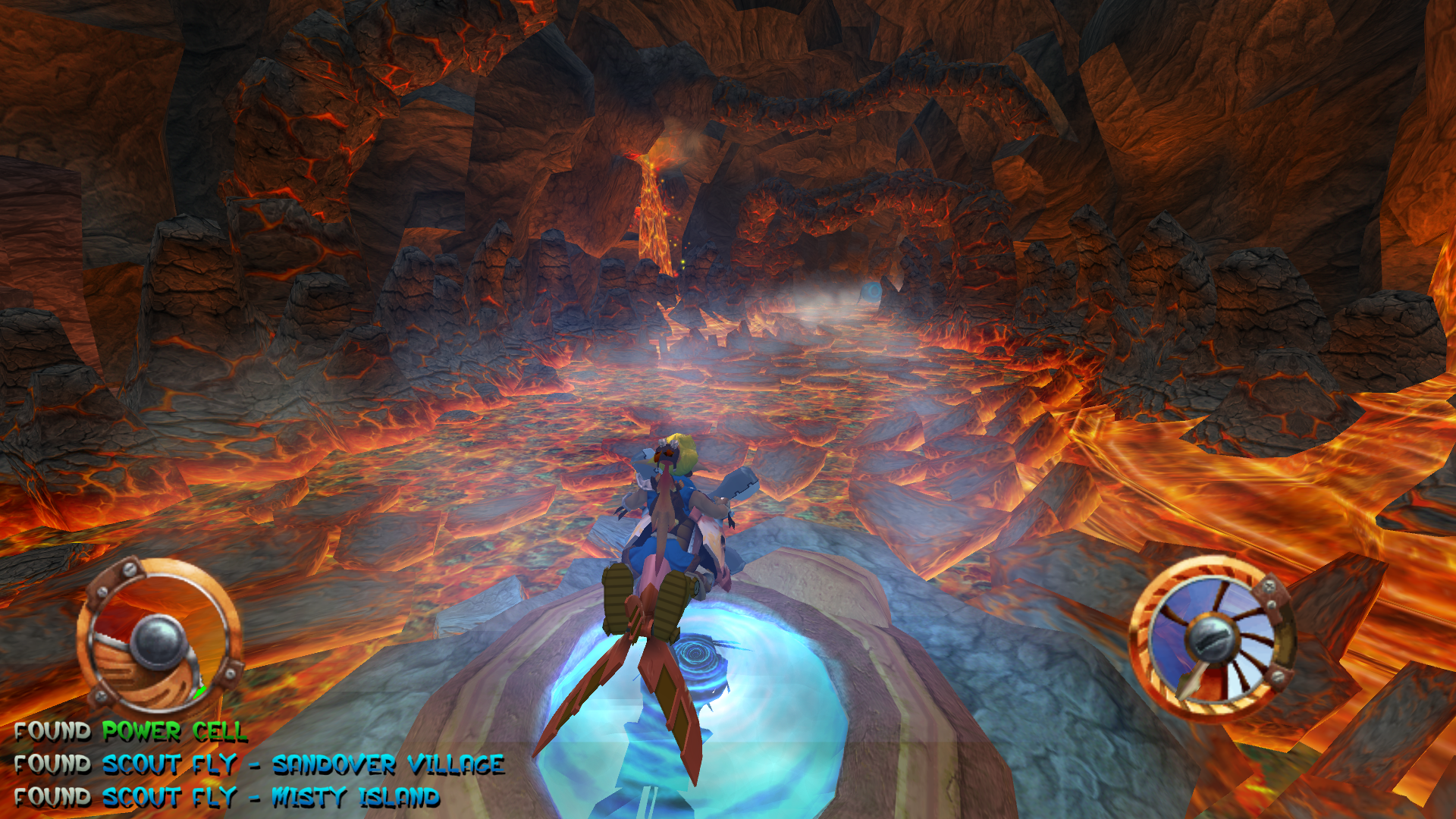
So far, I’ve done this run with item accessibility set to full. This means that the randomizer logic guarantees that if I slowly work towards 100%, I will be able to grab every item in the game without glitches or out-of-bounds exploits. In the future, I want to be able to play the game on Minimal, which would make me think about where I can and can’t go throughout the whole game, without the randomizer logic guaranteeing I get all of the tools that I need to succeed. This requires deep knowledge of the game, but acquiring that knowledge has been a core part of this challenge for me, and slowly ratcheting up the difficulty makes it all more fun.
With default settings, you should have enough moves to beat the game (or close) by the halfway point, although you’ll notice some barriers, such as needing some form of long jump to access Snowy Mountain or needing the punch to make any progress in Boggy Swamp. Another option that makes the randomizer so cool is that you can just set the challenge to be completed wherever you’d like, whether that’s at 100% game completion or just making it through Fire Canyon.
By default, the win condition is to defeat the final boss of the game, Gol and Maia. To do this, you need to collect at least 72 power cells (this value is also adjustable) and open the cages of the red, yellow, and blue sages in Gol and Maia’s Citadel. Naturally, the switches to their cages are randomized and could be anywhere in the entire game world.
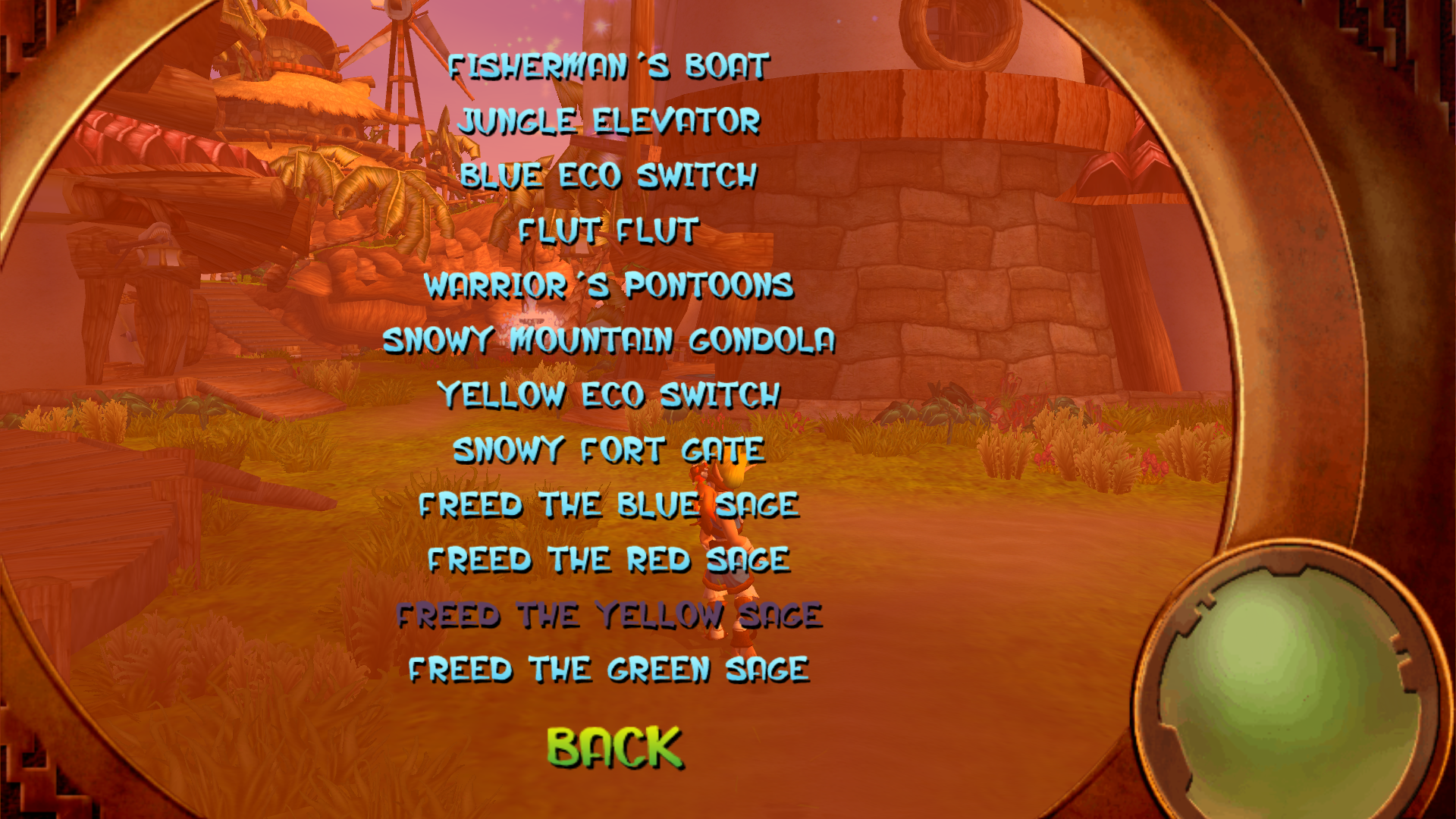
The second half of the Jak & Daxter randomizer is a hunt for these three cage switches. In my most recent clear of the game, I completed nearly 100% of the game before hitting the last switch, in a twist of bad luck during an otherwise eventful run. The randomizer also places checks in precursor orb caches, which are pods that unlock when activated with blue Eco. These are not tracked by the game's menu, so you are responsible for knowing where these are. There aren’t many, but I missed one in the final level and went back to complete every other objective before realizing my mistake.
After a handful of runs and one successful completion, I’m hooked on this way to play one of my favorite games. I’m trapped now between the urge to play more of this randomizer or check out some of the other games that you can randomize using the Archipelago software. After familiarizing myself with a few more games, I could even combine them into one big randomizer for a challenge on an even larger scale.
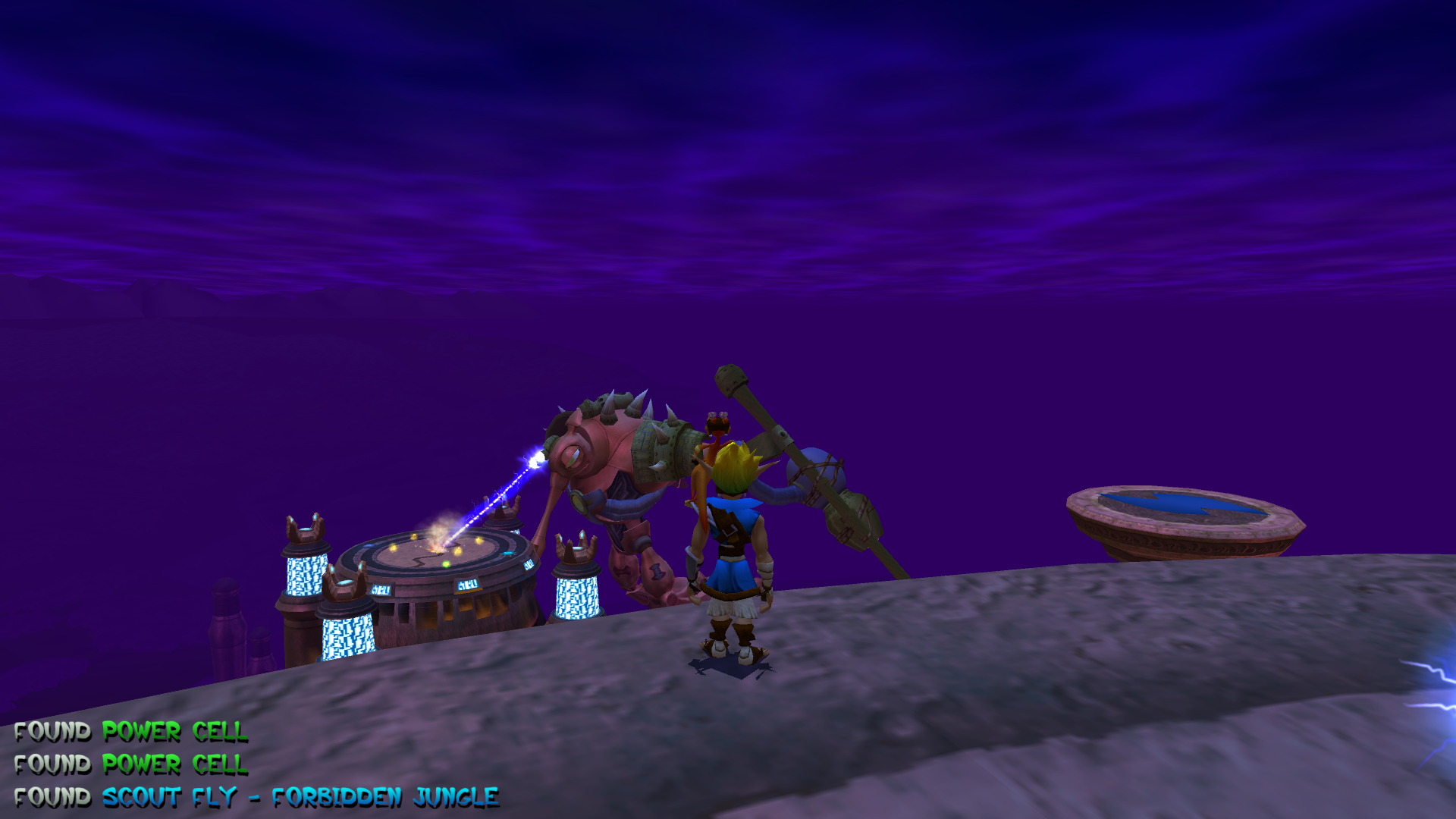
Some of these randomized games create a friendly challenge that becomes accessible to a demographic of players who may have been turned off by challenge running before. I don’t have the constitution to start speedrunning games to chase world records, but some challenges change the formula of the games we love without requiring endless hours of practice.
The Jak & Daxter randomizer is but one of these challenges with low barrier to entry and high replayability. With a little searching and experimentation, I believe there’s a challenge suited for anyone using the games already in their library. The world of challenge modifications and self-imposed rule sets is vast, and what makes it rich is the community surrounding them. If this sounded at all interesting, but Jak & Daxter is not your game, I urge you to find a community around the games that you enjoy. In the age of social media saturation, there are few things more satisfying than finding a Discord full of people to connect with in your niche hobby. The setup is a little intense, but with some perseverance, you may find that you prefer it over even the base mode of play that made you fall in love with the game in the first place.
Join the conversation
What do you think? Reply below to share your perspective.