The Choice Nobody Coded
An interview with Arturo Guerra on TTRPGs and the limits of choice in video games

There is a particular kind of disappointment that only video games can offer. You have a brilliant idea. Perhaps you want to talk your way out of a fight, climb something that looks distinctly unclimbable, or tell an NPC exactly what you think of their request. For a moment, you forget that you're playing a game and think only about what you would do.
And then you can't.
There is no dialogue option for what you want to say. An invisible wall blocks the path. The NPC repeats the same three lines. Your brilliant solution isn't a solution at all, because nobody thought to make it one.
This isn't necessarily bad design. Every video game has limits, whether we notice them or not. Even games celebrated for player freedom can only respond to the actions their systems allow. Yet we talk about choice constantly: branching narratives, multiple endings, open worlds, moral decisions. The more options a game gives us, the freer we feel.
But how free can a choice be if someone else had to design it first?
It's a question I kept returning to after speaking with Arturo Guerra, a game designer, graphic designer, and professional game master whose relationship with games stretches across both the digital and tabletop worlds. A lifelong gamer, Guerra grew up alongside computers, watching them become increasingly powerful and capable of producing ever more elaborate worlds. But his interests continually drew him to tabletop role-playing games (TTRPGs), and towards a very different understanding of what it means for a player to make a choice.
Moving between TTRPGs and video games throws the limits of video game choice into sharper relief. However expansive a digital game might feel, it still has limits to the possibilities it can recognize. To illustrate the point, Guerra turns to visual novels.
Imagine a game with ten characters you can pursue, scores of dialogue choices, and 200 possible endings. The number sounds enormous. You could replay for hours without seeing every possible outcome.
But all 200 endings already exist.
“Every dialogue choice leads to another branch of the dialogue tree,” Guerra tells me, “but even those are premade, predesigned, and locked in.”
Many TTRPGs aren't similarly restricted. There doesn't need to be a dialogue option waiting for the player, because the people around the table create as they play.
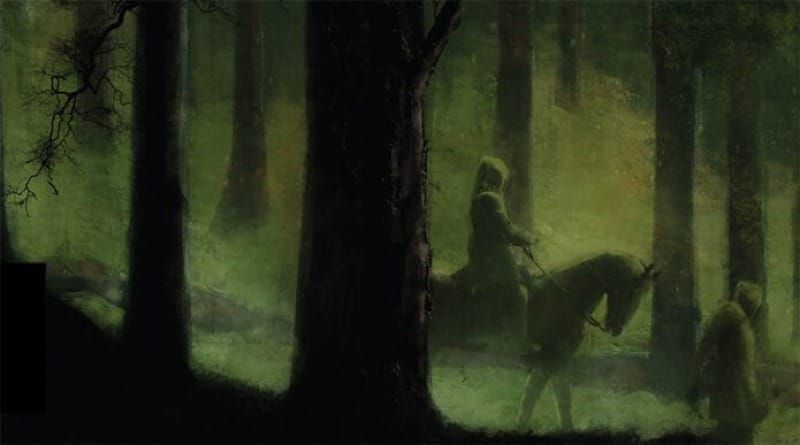
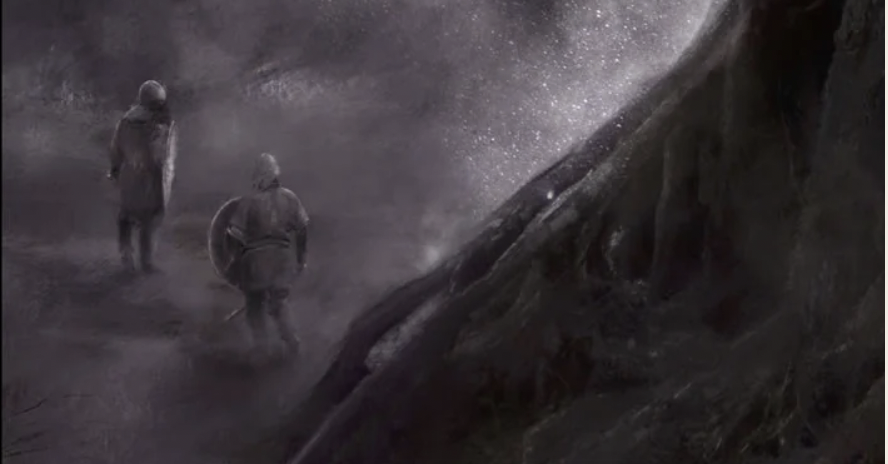
Guerra points to Trophy Dark, a TTRPG about doomed treasure hunters venturing into a foreboding forest. Rather than giving the game master a fully mapped world of predetermined encounters, the game asks players to help shape that world. Guerra describes how a game master may describe the setting and prompt each player in turn with questions about the world, adventure, or encounters.
Until the player imagined it, it didn't exist. But now it does. “That becomes the world. The player adds in something new to the story,” Guerra describes.
Details invented seconds ago become part of your character's history, the world, and the story everyone at the table is telling together. Nobody knows where this particular branch leads because, moments ago, there was no branch at all.
Guerra summarizes: “It becomes a very unique, personal, tailored experience to everyone at the table.”
Public Access takes this further. The horror-mystery TTRPG follows a group of young adults returning to their hometown to investigate a public access television station that vanished. When a player attempts something risky, they aren't simply asked to roll to discover whether they succeed or fail. The game master can ask questions designed to deepen the experience, such as what they are most afraid will happen if they fail.
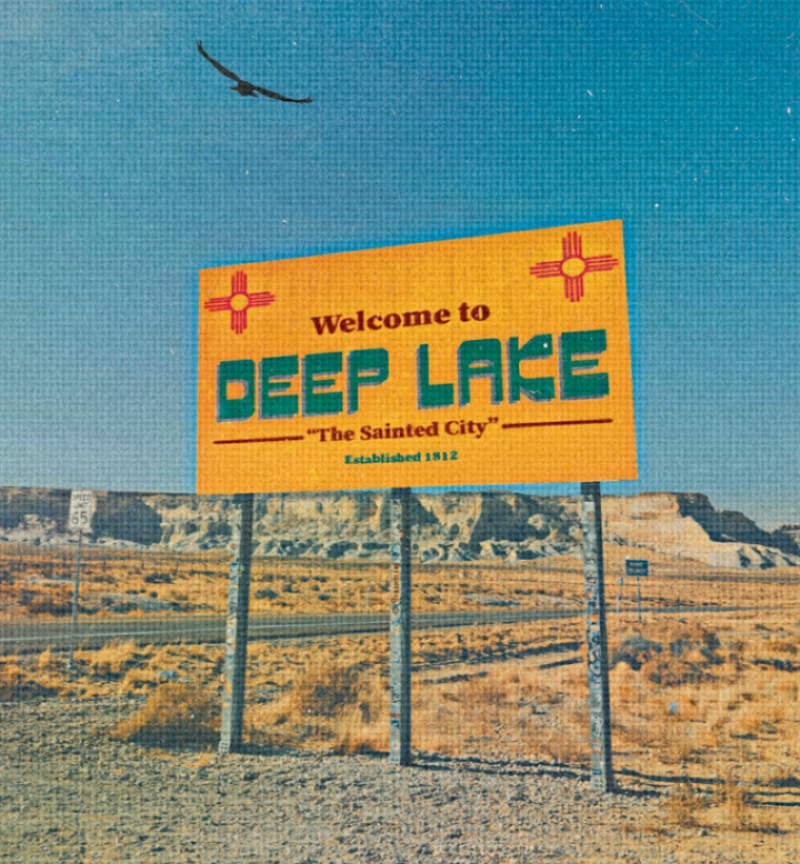
Guerra imagines a player investigating a supposedly haunted house. Perhaps their answer is that a radio suddenly begins playing a particular song. The game master can take what the player has offered and make it worse: the song is accompanied by the reflection of the character's father appearing in a mirror, drawing on a relationship established through play.
The consequence isn't predetermined, waiting for the correct dice roll to reveal it. Part of it has come directly from the person who will have to experience it.
“This is your fear. This is your trauma,” Guerra says. “You're putting your own trauma into the game, and it's feeding back.”
Then he lands on the problem facing video games, in six words: “No one is gonna code that.”
Taken literally, of course, video games code things nobody individually designed all the time. Procedural generation can produce worlds, encounters, and combinations developers may never personally see. No Man's Sky famously contains a universe of more than 18 quintillion planets; its creators did not sit down and build each one by hand.
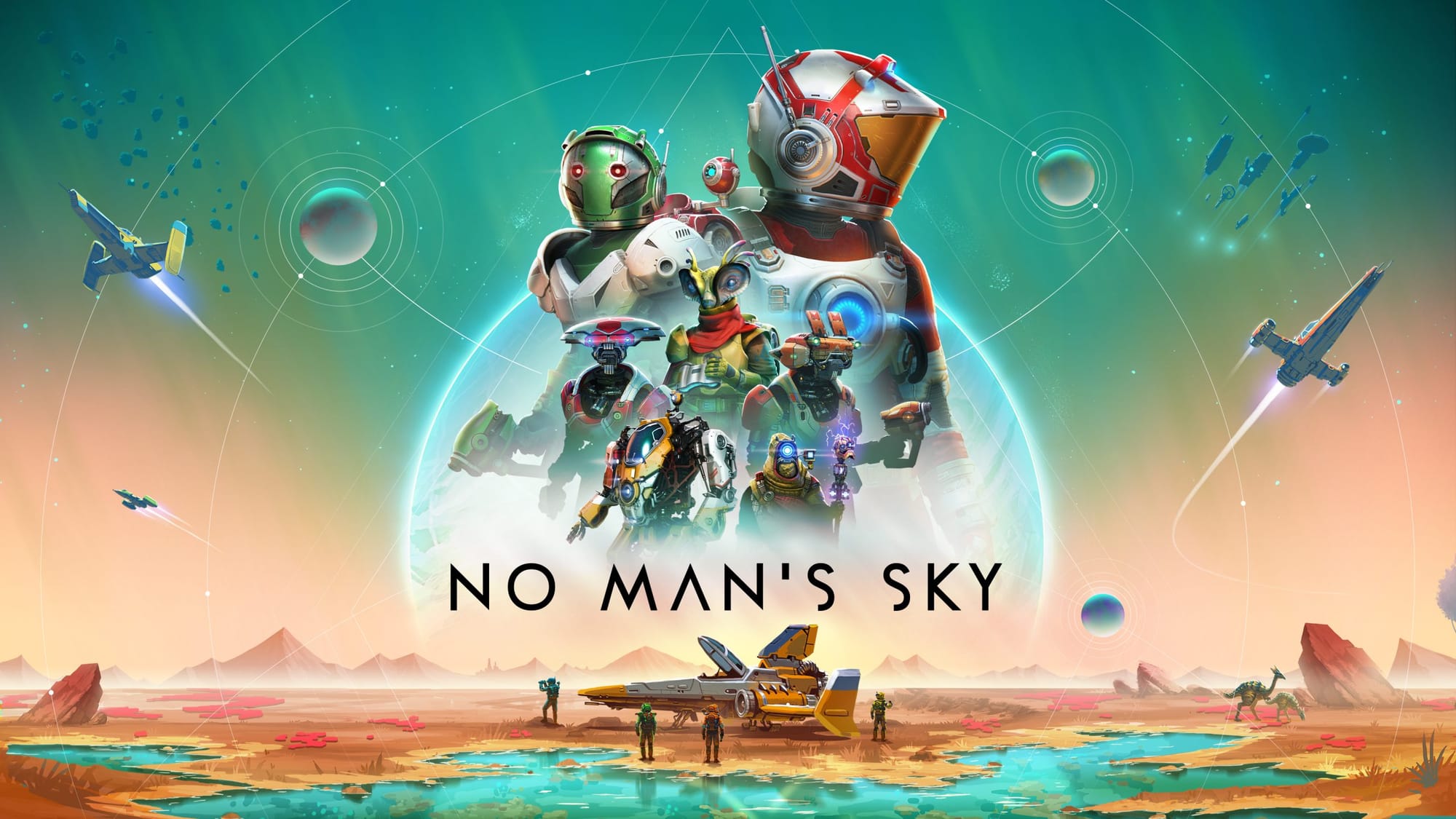
But Guerra isn't referring to the ability to explore an unlimited amount of places or levels. A player can discover a planet its designers have never visited, but they cannot decide that the strange rock formation in front of them is the grave of their character's brother and expect the game to understand what they have just made true. The possibilities may be practically innumerable, but players are still bound to the game's systems.
There is a difference, then, between being free to explore a world and being free to define something within it. No Man's Sky can give players more planets than they could visit in a lifetime, but Public Access lets players decide what a song on the radio means to their character. One offers a space of vast possibilities; the other lets players participate in creating the narrative itself.
For role-playing, that distinction matters. The appeal isn't simply getting to go anywhere or do anything. It's being able to ask, what would my character do? — and have the game accommodate an answer its designer never anticipated.
Video games have become remarkably good at disguising the boundaries around that question. The best role-playing games can respond to our choices convincingly enough that we stop looking for the edges. But eventually, we find one. We type the sentence the dialogue system doesn't understand, try a plan the quest wasn't built to accommodate, or discover that the person our character has become has no corresponding option in the dialogue wheel.
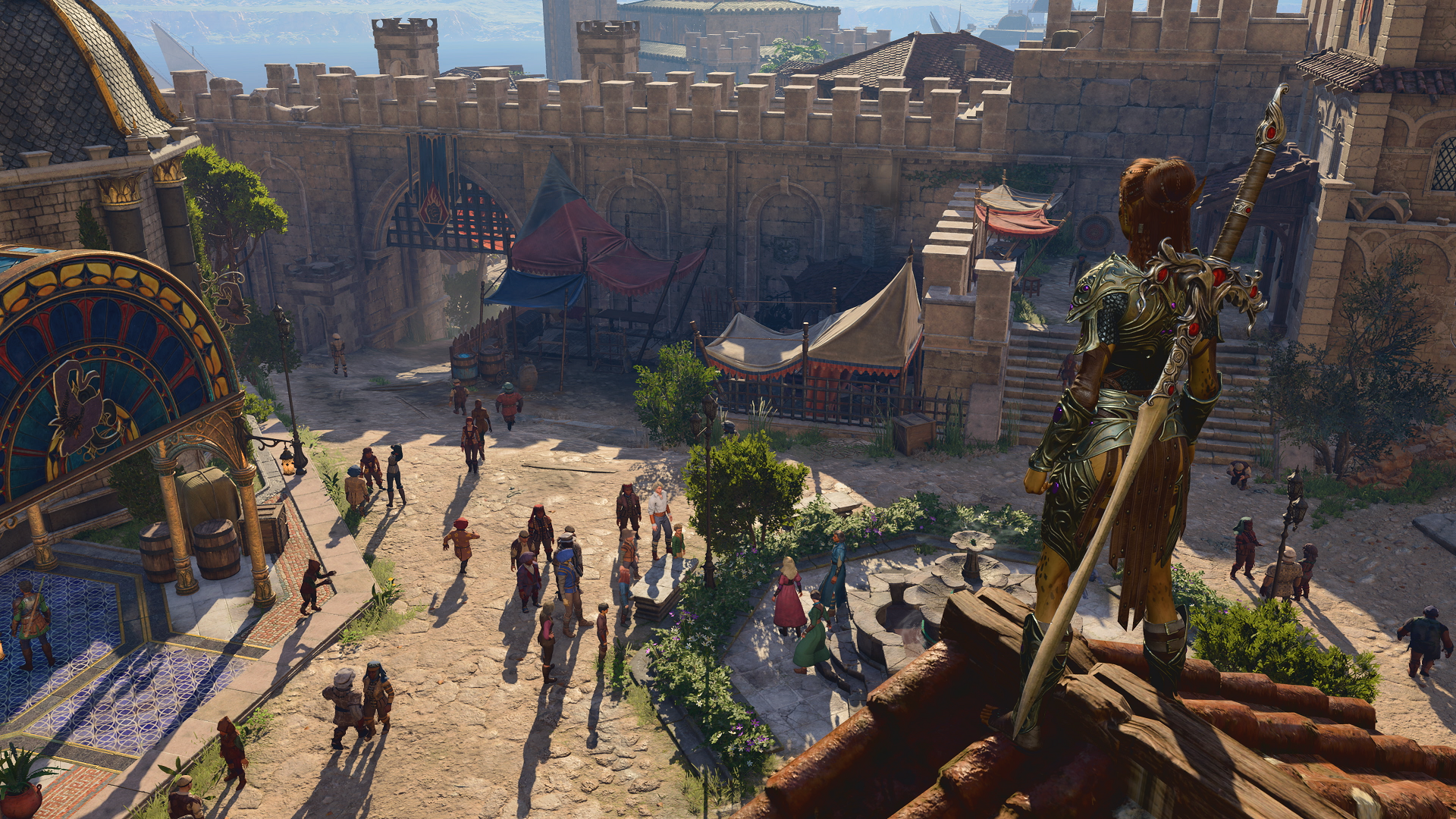
And yet, those boundaries may be just as valuable for play.
After all, role-playing doesn't require complete freedom. A role is itself a constraint. We decide that our character believes certain things, wants certain things, fears certain things. Then we encounter a situation that doesn't neatly accommodate the person we've decided to be. Working out what they would do anyway is part of the pleasure.
Video games add another set of constraints. They decide which doors open, which characters can be spoken to, and which responses appear when we speak to them. Sometimes those restrictions break the fantasy, but they can also give us something to interpret. If none of the dialogue options says exactly what I want my character to say, choosing the one that comes closest — or deciding they would say nothing at all — can itself become an act of role-playing. The player works within the authored boundary.
This is where a finite set of choices can become more interesting than its size suggests. Players can select the same dialogue option for entirely different reasons. One might spare an enemy out of compassion, another because their character refuses to kill, and yet another because they expect a later reward. The game records the same input, but the players haven't necessarily made the same choice.
In that sense, a video game character doesn't exist solely in-game. Part of the character exists in the interpretation we bring to them.
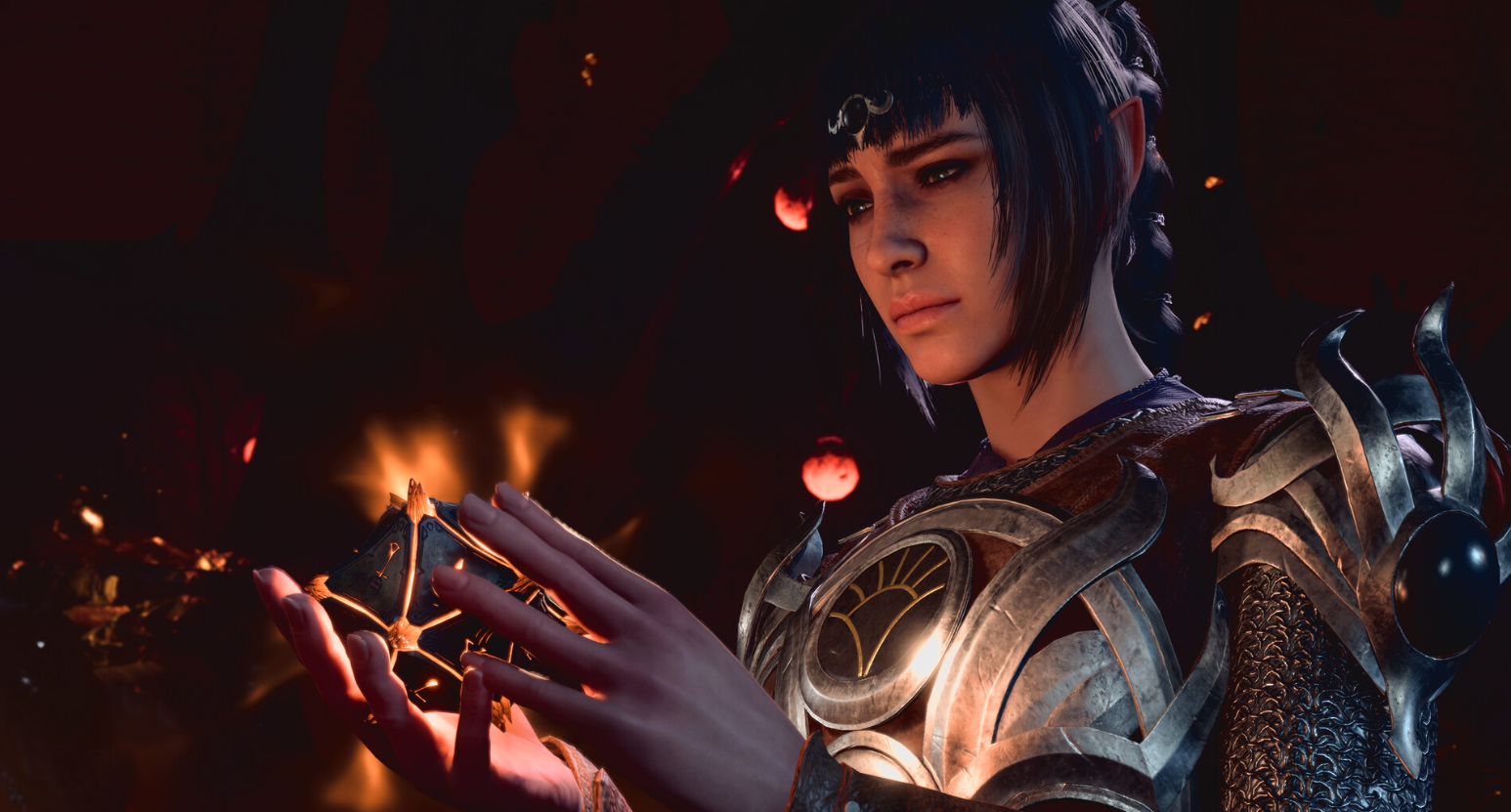
TTRPGs bring the act of interpretation to the forefront of play. More than that, they make that interpretation collaborative. A player introduces an idea, someone else responds to it, and soon something that existed only in one person's imagination has been acknowledged and expanded by everyone at the table. The freedom Guerra describes isn't only the freedom to invent, but to have that invention become meaningful to other people.
These differences don't require us to choose between video games or TTRPGs. The mediums’ different constraints ask different things of us as players. Video games give us authored worlds to inhabit and interpret; TTRPGs can ask us to take a more direct hand in creating the world as we go.
Guerra, for his part, wants more people to experience the latter. He points to the range of independent TTRPGs now available and the communities surrounding them, where finding and playing a game can be as simple as joining a TTRPG creator's Discord server. You don't necessarily need a long-running campaign either. One-shots can begin and end within a few hours.
“It feels like a movie,” Guerra says, “except you're not being a passive watcher. You are the character.”
For someone accustomed to role-playing through video games, a few hours of that kind of play might change how we understand the choices waiting for us when we return. Not because one offers freedom and the other doesn't, but because they reveal different things we can mean when we ask a player to choose.
A game doesn't have to let us do everything for our choices to matter. But every so often, it might be worth playing one where, when you have that brilliant idea, nobody has to have thought of it first.
Join the conversation
What do you think? Reply below to share your perspective.