We Need Physical Video Games
Physical means more than just a disc or cartridge


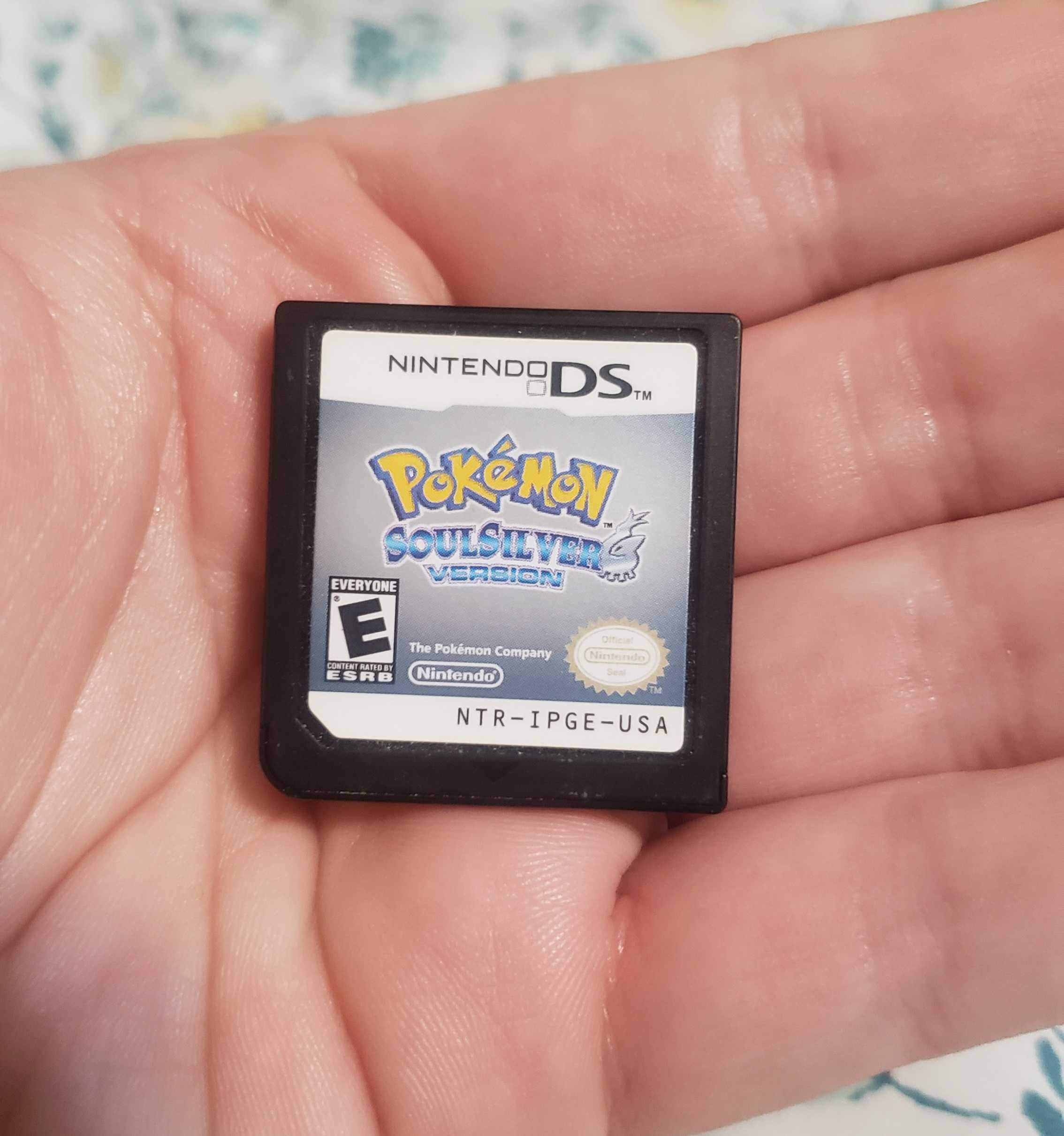
It's the late 1990s. My brother and I are gifted our first Game Boy with Pokémon Blue. Gaming had been sparing for us at this point, relegated to Super Mario Kart sessions at a friend's house and the occasional Sonic the Hedgehog 2 dash on a borrowed Sega Genesis when time allowed. This was different. Transformative. Permanent.
It's difficult to describe now, in a period of kaleidoscopic accessibility and breakneck change, how Pokémon singularly changed gaming. Not only were there TWO versions of Pokémon (Red and Blue), but they could communicate with one another via a Nintendo Link Cable. Lasting friendships developed in seconds thanks to the interactive nature of the brand new and charmingly addictive Pokémon formula.
My brother and I, at that time, had only one Game Boy (certainly my father had purchased the device secondhand from someone, somewhere) and shared it between us, passing the time in Pokémon Blue for hours between catches, gyms, and evolutions. I remember staying up late one evening, certain that Squirtle was about to change into something beautiful.
A different Christmas gifted us separate Game Boy Colors. Each of us was blessed with a copy of Pokémon Yellow, so we could communicate with each other, our worlds different but the same, exciting and exacting. And then there were Silver and Gold, Sapphire and Ruby. Friends came into the picture. We traded, battled. One edition of the game was physically swapped for the other. Before Yellow, we traded our copy of Blue for a friend's copy of Red to experience the minute differences between each version.
It didn't end at Pokémon; Mega Man Battle Network had different editions. Games like Dot Hack and Xenosaga provided bonuses if your physical memory card contained data from previous games in the series. With a PlayStation 2 at each divorced parent's home, all we needed to bring was a copy of our game and a memory card. Armed with a translucent ruby red 8MB card, our adventures with Kingdom Hearts didn't have to be interrupted by time or place.
Video games were an inarguably physical medium projected into a digital space. We carried consoles back and forth to slumber parties and birthdays. You haven't played Final Fantasy IX? Let me borrow your copy of Mega Man Legends. Magazines came with free demo discs packed with playable previews. Not only has the digital shift made video game ownership a lonelier enterprise, but it has also severely shortchanged the way we interface with video games as something truly ours.
The End of Physical Media
On July 1, 2026, Sony PlayStation announced that physical disc production will end for new games releasing on PlayStation consoles. PlayStation claims "shifting trends in consumer preference" as its primary reason for the change. After more than 30 years of physical discs for PlayStation consoles, as of January 2028, shelves will be bare and physical boxes will be as exciting as those for Grand Theft Auto VI. "Not all progress is progress," said The Hollywood Reporter, "If Netflix killed physical media, Rockstar Games just ran over its carcass."
Sony's metric that "85% of all video game purchases are digital" is grossly misleading. The physical market includes non-comparable data, skewing the metric by including smaller indie titles without physical releases, digital-only catalog titles, and DLCs. Sony compares limited physical products against a much larger digital catalog, misleading a 1:1 ratio of games that are both digitally and physically accessible.
This metric also only accounts for initial first-party sales, not secondhand markets, which are much more difficult to track. Did you buy your game used? Did you purchase your physical copy from Facebook Marketplace, a local used games store, or a friend? Sony cannot track that data.
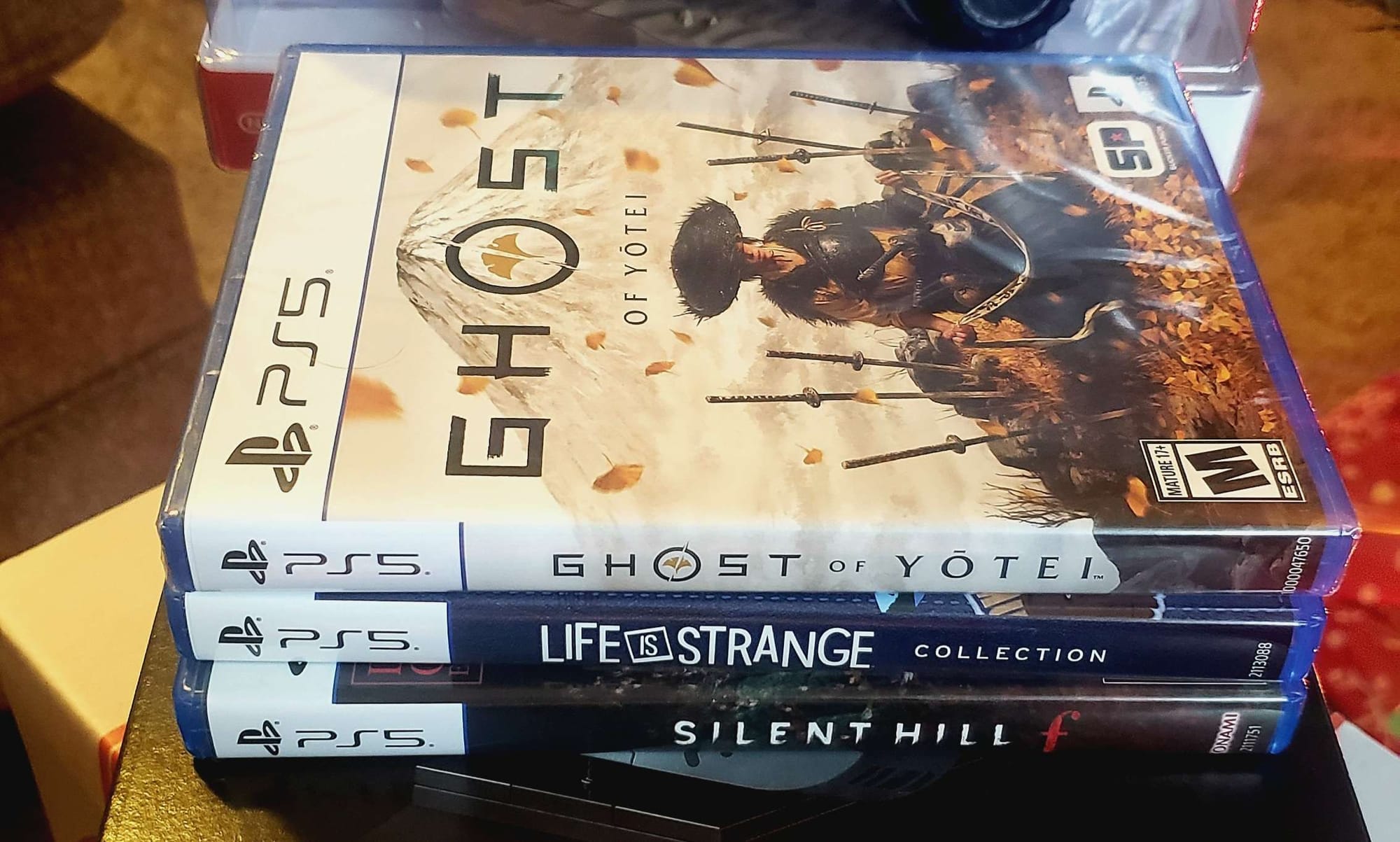
There remains a demand for physical copies of flagship games that is estimated to be as high as 30% of the market. Gamers often buy games at launch and trade them in later, rent physical discs, or purchase launch titles to share with friends and family.
Why is the backlash to the loss of physical media so severe when so many gamers regularly use the PSN, Steam, Epic Games, and other digital distributors to buy games? A major part of it is that the folks who spend money on physical games really like video games. These are older gamers, collectors, and medium purists who view gaming as an art form, or at the very least an indispensable leisure activity.
There is also the aspect of corporate control. If you've been on social media in the last few weeks, you've certainly seen conversations about what a digital-only landscape means for personal versus corporate ownership. Digital movie licenses are frequently revoked, modern games often require online checks at startup, and the complete loss of physical games will rewrite what it means to own, share, or resell games. Surge pricing, limited sales, and content-locked DLCs and microtransactions will increase exponentially in a digital-only environment.
Physical Media Preservation
I am not new to the conversation over game preservation. Gaming Needs a Library, In Defense of Emulators, and An Appeal Through the Nostalgia Glasses are important discussions about the longevity of the medium. What do we, as gamers and lovers of the art form, need to do now to ensure that gaming lasts longer than shareholder meetings, corporate decision-making, and capitalist intent?
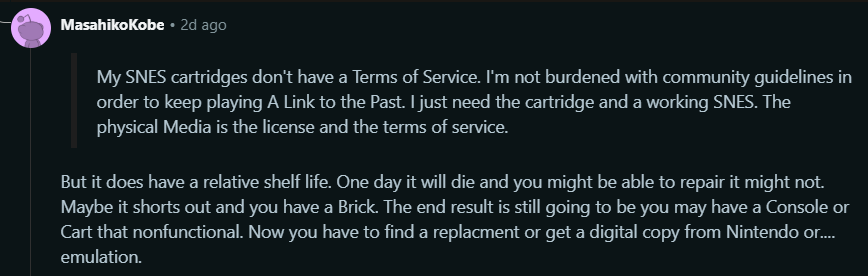
The preservation of physical media AND the existence of emulation go hand in hand. They are brother and sister, as necessary as air and water. Physical media paves the way for preservation, ownership, and curation, while emulation codifies it. Yes, one day all your physical media will die. One day, everything will die. The negation of the thing, or the upholding of its cynical reality, does not embolden the necessity of the plight. Even if all physical media will one day fade away, it is our responsibility to turn our closets and living rooms into museums and libraries, if we can.
The conveniences of the digital epoch have been unhealthy across every medium. We watch less DVD commentary and special features than we once did. Commercial streaming breaks have overtaken the solace and completeness of uninterrupted film. Streaming services like Spotify are devoid of artists' songs and even entire albums, and algorithms push "taste" onto a placid user base who forms their personal preferences based on what is presented as choice through the corporate lens.
Website after website reports that gamers are not remotely ready for a digital-only future. In 2024, Popular Science published an article titled Why you should still buy physical copies of video games, a sister article to the author's original Why you shouldn’t throw out those DVDs and Blu-Rays. It's easy to get into the whys of physical ownership: You can lend games to friends and family; you retain long-term ownership; you curate your own library that you can physically display; you can save space on your (increasingly crowded) device; and you can sell them when you're done. The argument incentivizes the importance of physical media, based on the fallacy that they will always exist. The very second that physical media is no longer available to us, we will notice, and there will be no backpedaling from its tragic effects.
For the Love of the Game
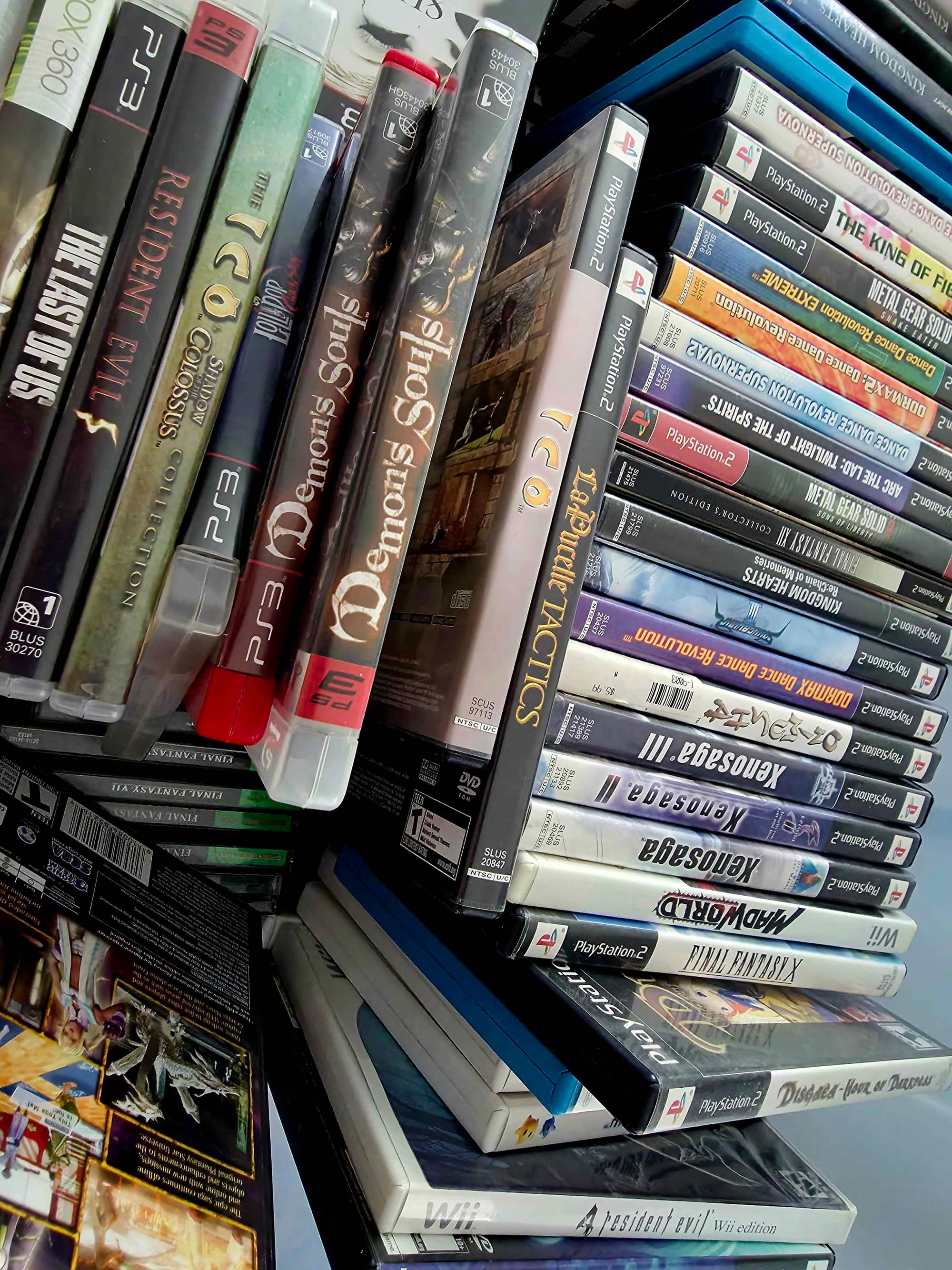
We need physical media. Vinyl records have become cool again. Physical book sales are on the rise. Gen Z espouses physical media as a source of identity, eschewing corporate control in favor of analogue devices and home entertainment. Young people are afflicted with "Netflix syndrome," in which they spend more time scrolling and selecting than they do watching and consuming. The all-digital gaming age will be a cycle of bloated digital libraries, truncated experiences, and unfinished titles. Purchasing becomes the real trend, not playing.
"The ability to own a physical DVD gives people a sense of ownership and autonomy," says Forbes. "Users can choose how to interact with the physical media and are less reliant on the impulses of global media and streaming platforms." Many of us are making the conscious effort to take our lives back from streaming platforms and social media black holes. As time becomes more limited, we limit our resources, becoming proud of acquired collections that showcase personal taste in lieu of algorithmic evacuations.
Does the sentimentality of personal ownership denigrate the importance of collection? Buffeting a personal library, retaining physical items for generational purposes, or keeping those nostalgic items that remind you of better times are all maudlin, but for collectors, physical games aren't always about having them on hand. We memetically celebrate that lost, nostalgic feeling of holding a game case and reading it cover to cover on the way home from the store. These tender, romantic butterflies can do more to help retention and preservation than any appeal to necessity. This is art.
The Problem of Right Now
Instant gratification has conditioned us away from the true meaning of ownership. Digital media offers infinite content and instant access, but at the risk of deluding meaning, and reducing "ownership" to a generalized idea, and not a physical state. It's not just nostalgia; it's the neuroscience of the brain—the attention economy is not only eroding our enjoyment, but it's also stealing away meaning from the medium.
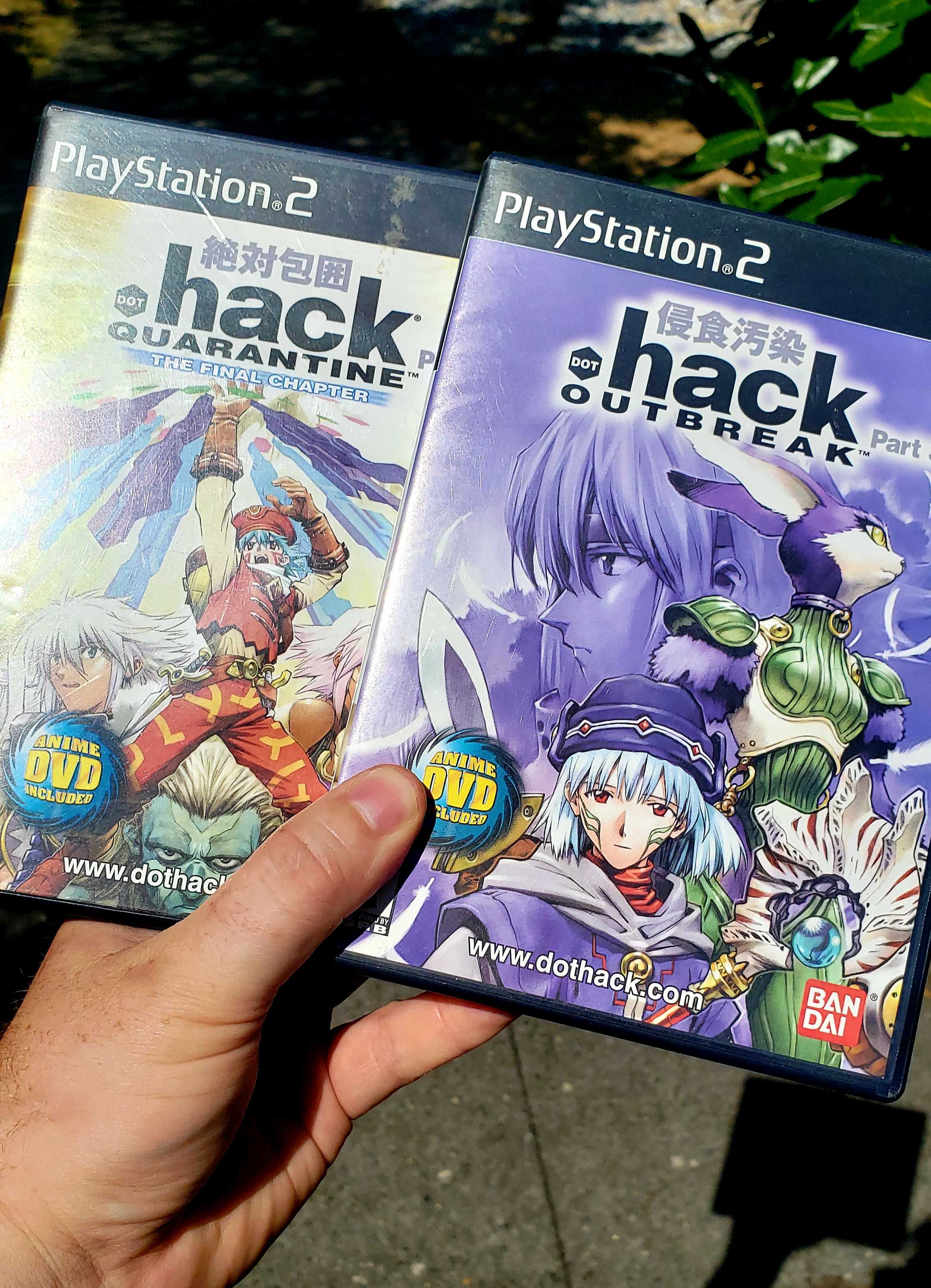
Physical media disrupts the cycle of instant gratification. In the era of generative AI and curated algorithms, it can feel ungainly to compare gaming to more erudite activities like reading, but in the war for your attention, it matters. Millennials don't miss video rental stores purely out of nostalgia—they miss the action. When you actually choose a physical disc, your brain makes a conscious decision. Selection sends signals to the brain that this is a real experience. Decision fatigue and the loss of ritual have eroded our brain's natural capacity to grow, and physical media is more than just content—the object is tied to a place and a time.
You remember the first time you put Kingdom Hearts into your PlayStation 2. You remember riding home in the car, reading the box for Super Mario 64. There's a piece of you out there, with every single strategy guide you've ever owned.
Via Magnetar: "From attention and memory to emotional engagement and satisfaction, the human brain responds differently to physical media than it does to algorithm-driven streaming. And as research into focus, decision fatigue, and sensory experience grows, it’s becoming increasingly clear why intentional, tactile viewing feels more rewarding and why high-quality physical playback is quietly enjoying a renaissance."
Different Eras
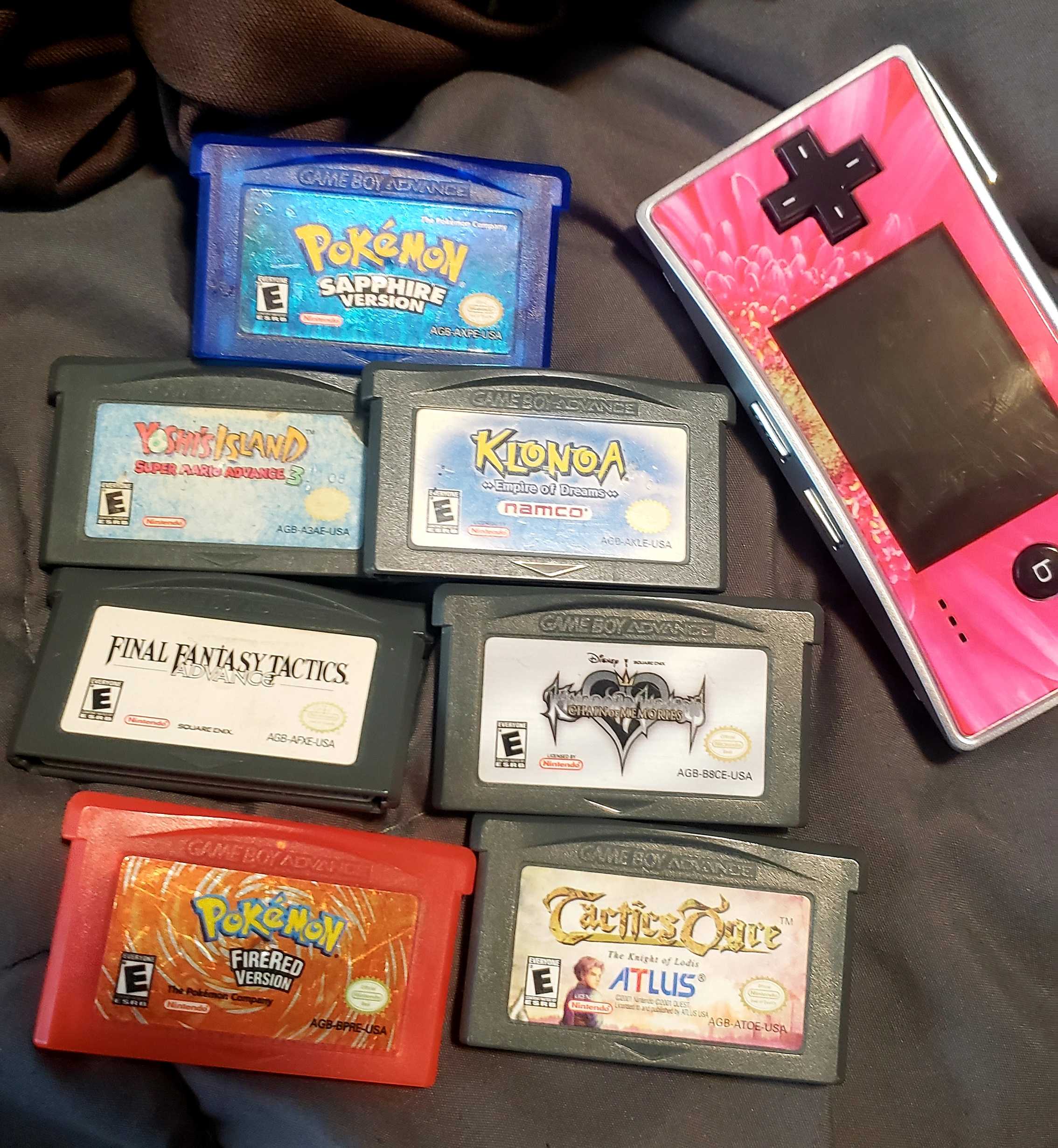
It's difficult not to wax nostalgic about a time and place that no longer exists. Video games are, in many ways, profoundly different from what they were thirty years ago. Information on upcoming games was gleaned from dozens of specialty magazines, not social media feeds. Stepping into a physical store like Toys' R' Us, KB Toys, Electronics Boutique, or resellers like FuncoLand allowed young gamers to make selections based on physical presentation, playable demos, or artful displays. Much of my tastes in the early 2000s were established by video game box art—I never would have discovered Disgaea, Riviera: The Promised Land, Tactics Ogre: The Knight of Lodis, or Mega Man Zero without being impressed by each cover.
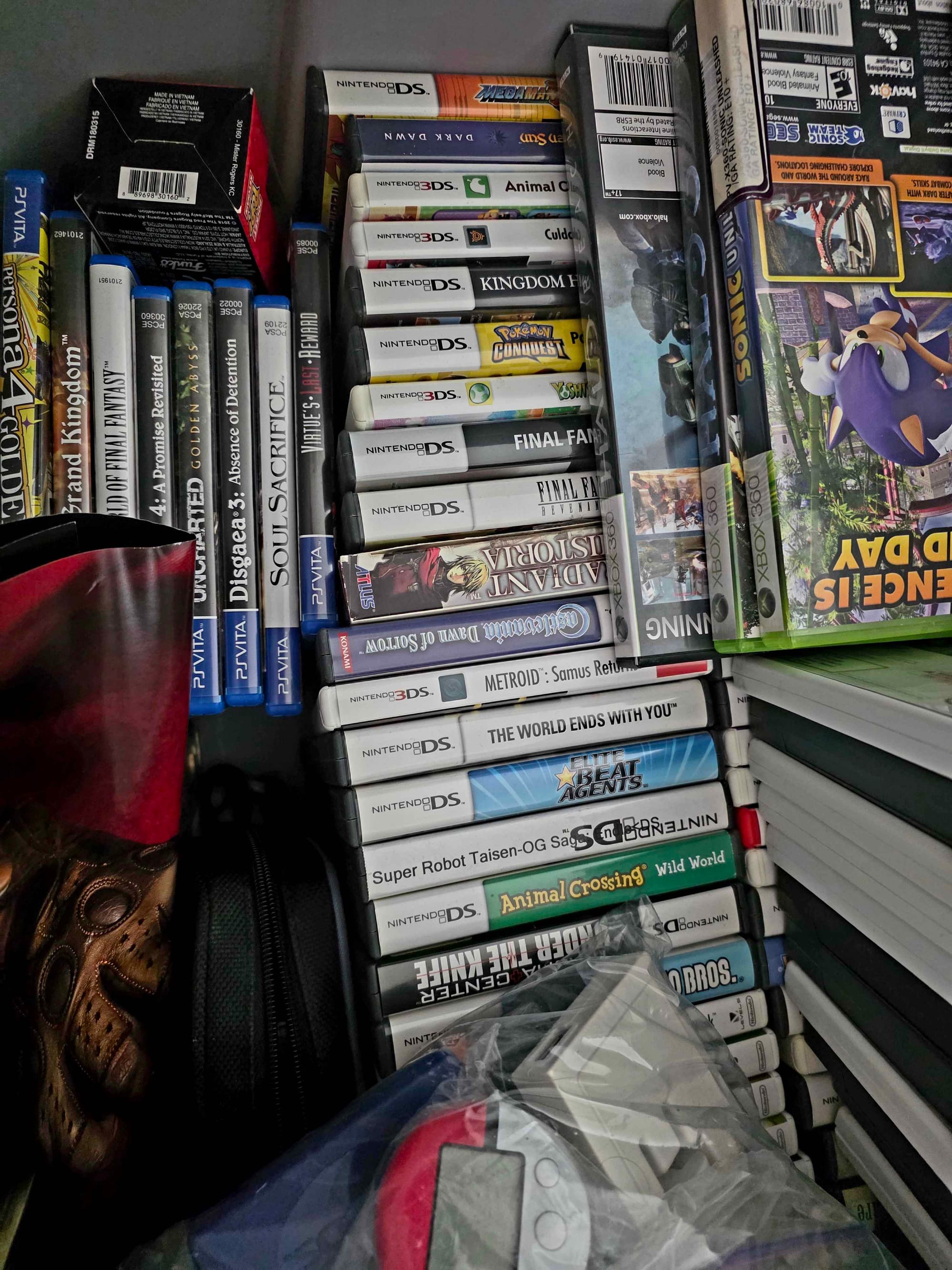
Those days are gone. Even with physical retailers existing as they do now, the dissemination of information is completely different. Content creators, digital storefronts, and social media inform consumers about new releases and deals. Only 4-5% of modern gamers learn about new games in physical stores, and long gone is the era of perusing stacked aisles of physical games, as stores like Best Buy, Target, and Walmart have significantly reduced their in-store stock or removed it altogether.
According to market research company Circana, "18% of players in the US buy a new video game about once every six months, while 12% buy one about once a year."
The survey also found that "33% of players buy a new game less often than once per year, meaning a combined 63% of players buy two games or fewer every year."
Even more troubling, Senior Director and Video Game Industry Advisor at Circana, Mat Piscatella, found that the entire non-F2P (Free to Play) space is being propped up by only 14% of players who buy more than one full-priced game a month.
The video game retail space has changed, but the medium as a whole has been irrevocably altered—and irrevocably damaged. Takeovers, mass layoffs, financial corner-cutting, and other aspects of the modern AAA gaming space have affected how and why consumers purchase games. Franchises no longer carry the influence they once did. F2P, Battle Royale, and Live Service games have been temporarily propped up by whales, forming a landscape where gamers feel hesitant to jump on the newest trends, certain that servers will be shut down in six months to a year. Cancelled projects, or projects announced too early, have harmed the trust that gamers once had for big names like Nintendo, Square Enix, Bethesda, and Ubisoft. A deluge of unimportant content and commercials propped up as announcements has embittered an already cynical user base that is too often excited about remakes and remasters versus exploratory IPs.
Preservation Is The Answer
The health and legacy of the medium are being torched by the very powers that own it. An all-digital future is a slow-burn fire sale—it's a dog whistle over the value of video games as a form of art, entertainment, and long-term sustainable interactive storytelling format. A recent Instagram Community Note under the PlayStation account read:
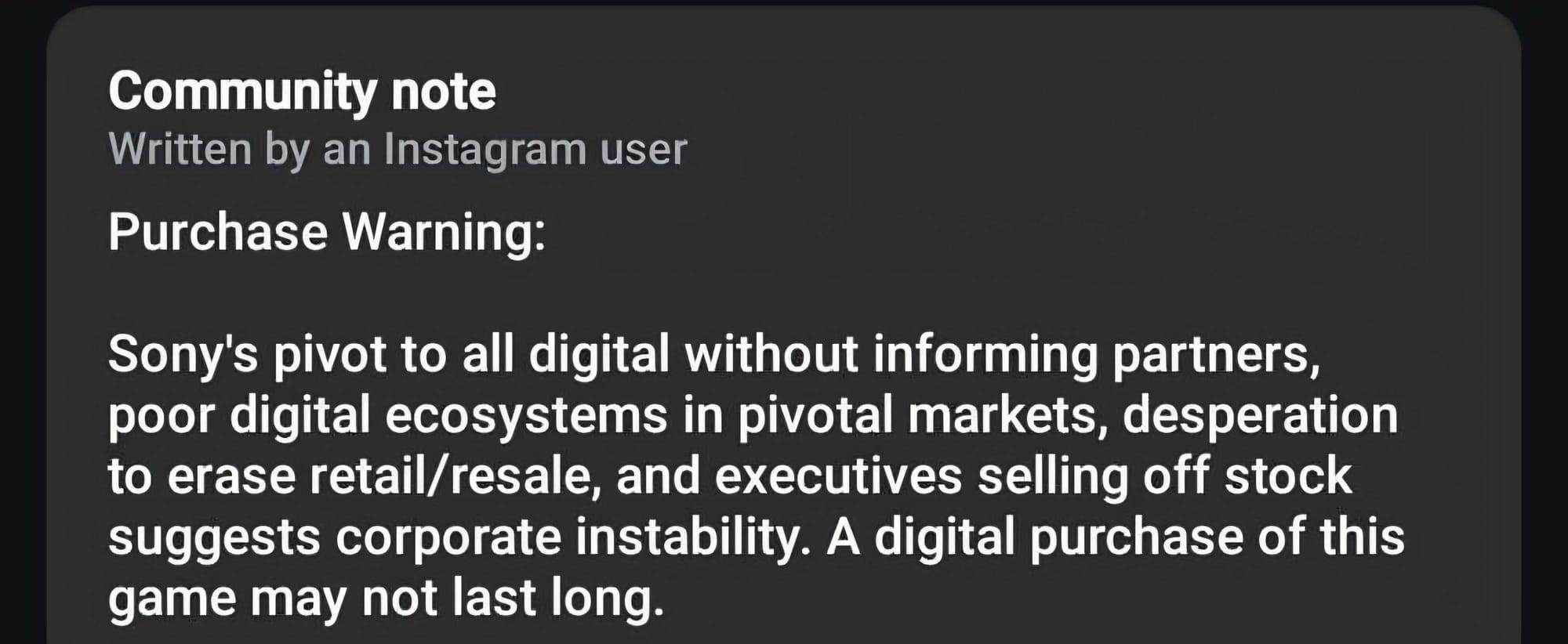
The Entertainment Software Association (ESA) says the industry is doing enough to preserve its own legacy. Outside organizations, video game historians, and gamers have a different opinion. While the ESA has made a show of backing an all-important gaming digital library, they lobbied the US Copyright Office in 2015 to not expand archived access to video games, as this would "hamper the vibrant and growing market for authorised 'retro' or 'legacy' games and consoles." It is no great secret that the video game industry's existential threat is not copyright protections and stricter IP laws, but actual professional efforts to preserve video games before they slip into lost media.
Of DVD/Blu-ray, Christopher Nolan said: “No company is going to break into your house and take it from you and repossess it. It's yours, and you own it. That's never really the case with any form of digital distribution.” The same is true for Sony, Nintendo, and Microsoft. These companies can shut down servers, rescind access to digital keys, and delete entire digital libraries. Short of sending Pinkerton thugs to your home to shake you down, your physical library is yours to keep.
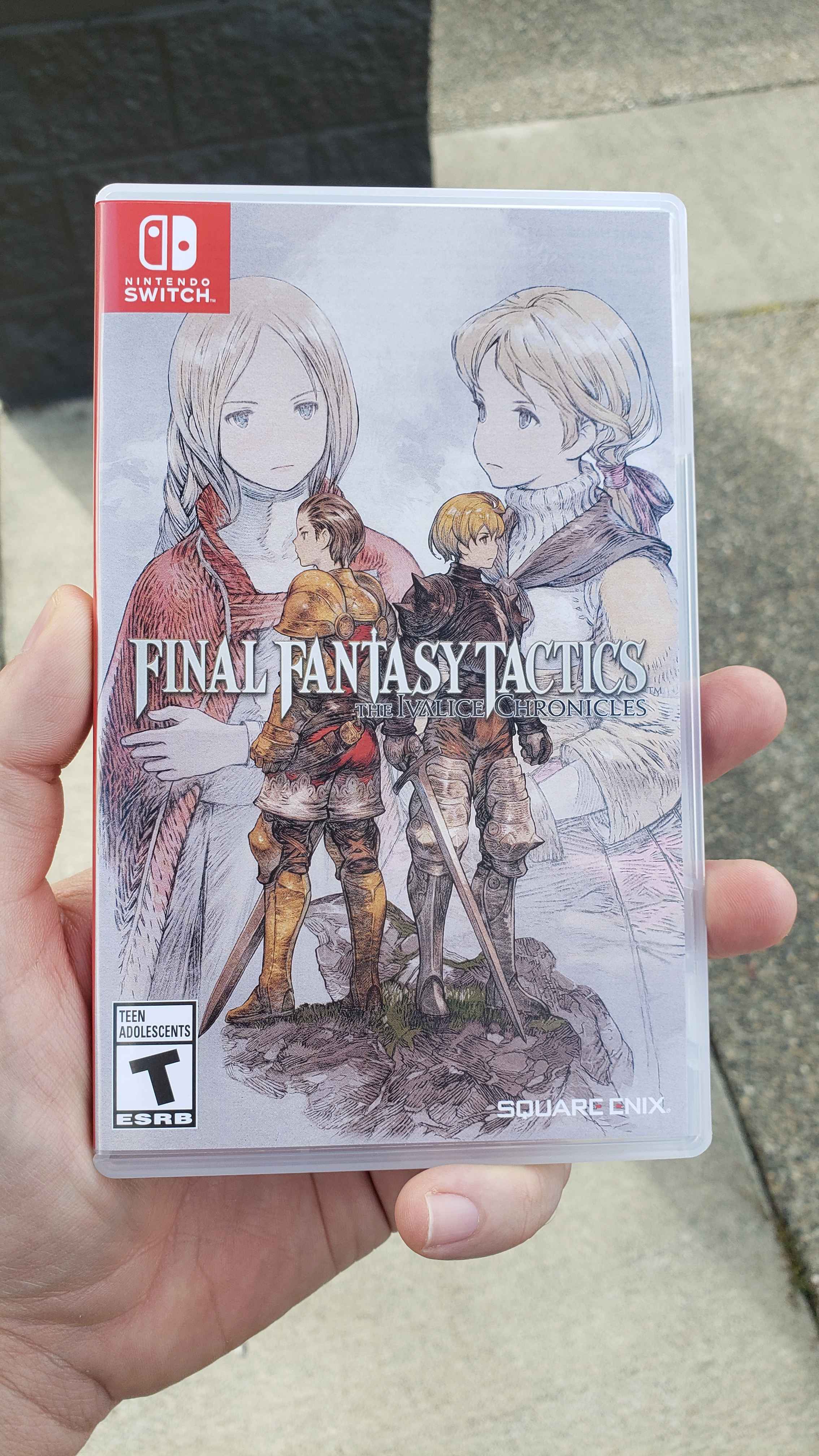
So what does physical video game preservation actually mean? If both hardware and software have limited lives, and video games one day no longer have physical printings, how can individuals preserve decades of video game collecting? Video games are, ultimately, a commercial interest; marketplaces and online libraries aren't going to solve the issue of preservation. It has to happen in personal homes, in non-partisan libraries, in the hands of gamers themselves, away from DRM protections and online licensing requirements. Preservation requires passion.
We must archive original game media, preserve code and software through emulation and backups, and confront digital-only ecosystems that are nothing more than unstable servers and commercial storefronts. If optical media is no longer valuable to Sony, we must continue the process without them. It's a pirate's (and collector's) life for me.
Video Games Are Forever
Every clever, necessary, and rational argument I can make pales against the truth: physical video games matter because we love them. For those of us who have been passionate and sentimental about video games for decades, who have seen video games as art and therapy and entertainment and distraction, who have memories of purchasing and holding and reading and owning and playing, the loss of physical video games is more than a gut punch. It's a betrayal.
I'm ten years old, sharing my Game Boy with my brother, enjoying the infinite mystery and adventure of our Pokémon Blue cart. I'm fourteen years old, new to Kingdom Hearts, replaying the opening hours of the game over and over because my father didn't know we needed a physical memory card. I'm fifteen years old, and my pre-order incentive for Wind Waker is a physical re-release of The Legend of Zelda: Ocarina of Time/Master Quest. I'm eighteen years old, with my own money, purchasing collector's editions of games that I'll have with me for the rest of my life. I'm twenty years old, and my best friend lends me Persona 3 and Metal Gear Solid: The Essential Collection, creating two separate but equally immense obsessions that will last forever. This repeats ad nauseum, experiences built upon experiences, my library growing, ownership shifting hands and hearts.
I'm thirty-seven years old, looking back on my long and short history with the video game medium, worried sick about what will change and what will remain.
Join the conversation
What do you think? Reply below to share your perspective.