Eras: The Eight Generations of Gamers
A taxonomy of gamers


For all the transformations that have occurred in the video game industry, the demographic shift is one of the most subtle and yet most important. In decades past, video games were a single, discrete entity, enjoyed almost exclusively by an adolescent male audience. This stereotype is no longer true - barely a quarter of the game-playing masses are minors and gender is not a dividing line.
Even so, demographics still inform one's understanding of video games. As a certified 90s kid, I can speak with my twenty-ish students about the hobby, but we aren't exactly speaking the same language. The games we are playing - even the features within those games - are largely alien, and this remains a point of contention when talking about different age groups.
To help mend this gap, I've put together a taxonomy of sorts based on one's birth year. The goal here is to assign people to groups based on their shared experience of video games. Standard genres, locations, the surrounding culture, and even economics have changed so many times that we all started at different points.
There are a few caveats here. First, this is based on the North American experience. Different aspects reached other regions at different times, and thus the divisions are bound to vary across the world. Second, as someone who's always despised the artificial "generation" categories to which people are assigned, I wanted to make this a little more flexible. Therefore, most of these categories have a few years of overlap. Those born in the overlapping years may have had experiences closer to one side or the other, or might be a blend of the two.
Suffice it say, there are bound to be plenty of exceptions. Consider this a starting point, not an absolute conclusion.
Before 1960: Minimal Experience
People in this group came of age before the mid-70s, and as such, they had little to no exposure to electronic games growing up. Most of them have only discovered video games within the last few years.
Even for the youngest among them - those who perhaps encountered a Pong machine before leaving high school - video games simply weren't a part of their youth. Most likely, they learned about games from their children or grandchildren. They might know a bit about the medium, but lack any real understanding of concepts like genre, design, or mechanics.
Until recently, this was a group that kept video games at a safe distance, but the rampant growth in the mobile market and the ensuing rise of casual games has changed that. These adults spend fewer hours per week playing games, but most of them still have a game or two on their phones.
1960-1973: Arcade Era
People in this group came of age during what's now known as the "Golden Age of Arcades" - a period of rapid growth and innovation within the coin-op market. This marked the dawn of the video game industry as we know it today.
Throughout the 1970s, arcades became popular hangouts for young people, and arcade cabinets began to appear in an increasingly wide range of businesses. The concept of video games was rooted in geography and was communal if not necessarily social. One made a point of visiting an arcade, often with competitive intent - trying to knock someone else off a high score list.
Arcades in the Golden Age attracted an eclectic crowd, something helped along by the economics of arcade games. During this period, video games were, at once, a cheap and potentially very expensive hobby. It was nothing to slip a quarter into a Galaga machine while waiting for an order at a pizzeria, but a dedicated player was going to spend a lot more - especially if the arcade owner was configuring the machines to make them more difficult.
This meant that, while most young people played games from time to time, only a few treated it as a serious hobby in and of itself. For many people during this era, a trip to an arcade (or some other business with cabinets) was merely something to do, and thus few people this age are particularly dedicated. Their concept of video games has always been as a mere pastime, no different than any other.
1971-1978: The First Consoles
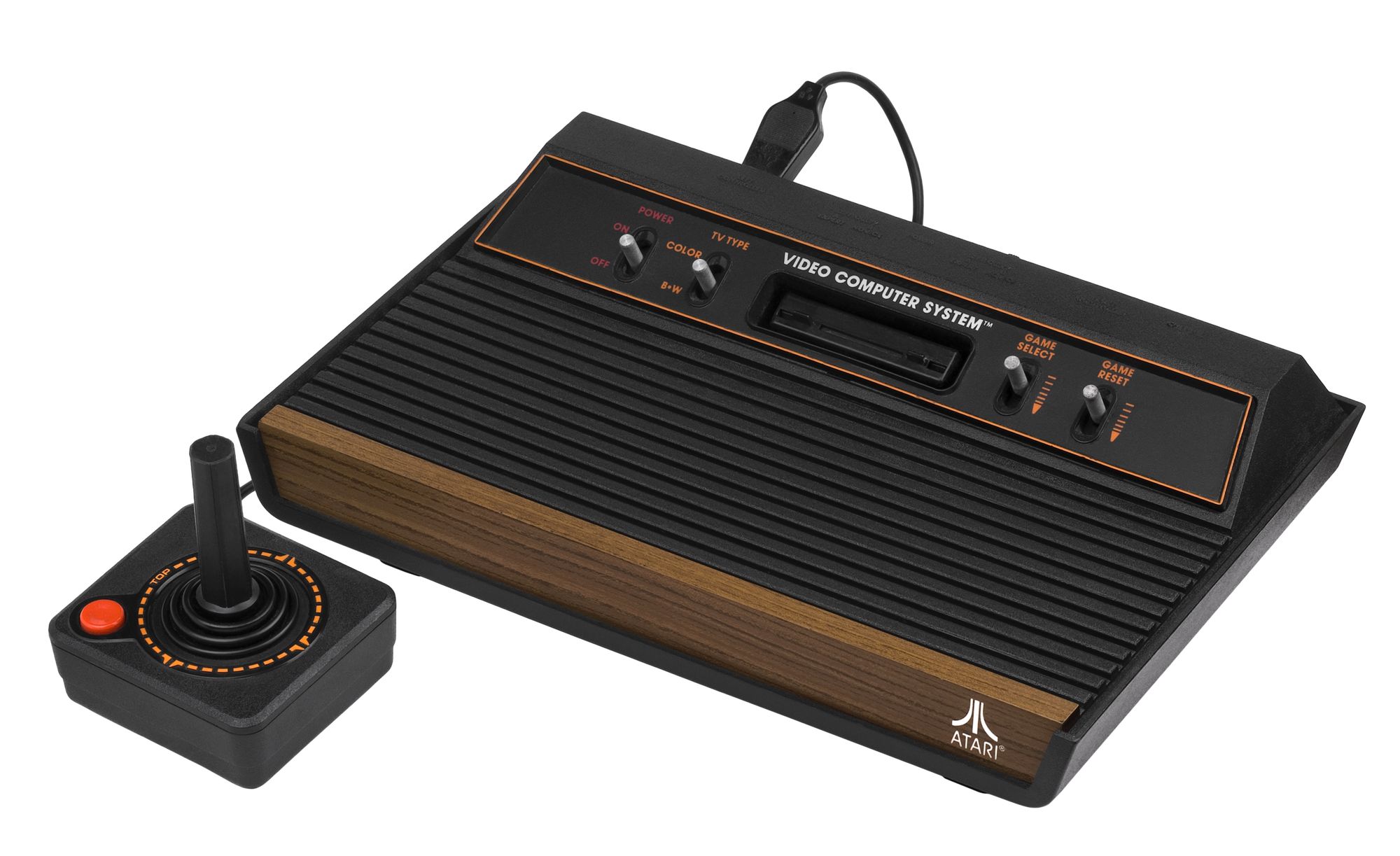
People in this category came of age during or after the first two console generations. Between the development of increasingly sophisticated consoles and the availability of cheap 8-bit computers, it began an age of gaming at home.
These people experienced what was perhaps the most dynamic and chaotic period in the history of video games. Early consoles were a game-changer, but the arcades were still booming as well. It was an era in which American society had gone game crazy - the age of Pac-Mania and the arcade superstar. Together, this marked the early 80s as the high-water mark for the industry.
However, this same group also lived through the abrupt death of that boom time. The collapse of Atari in 1983 was followed by a massive contraction in the arcade sector throughout the middle of the decade. These events weren't merely economic blows, but had a ripple effect throughout society. Video games had been the bleeding edge of cool, but the North American crash ended that in short order. In a few short years, games went from a national pastime to a niche hobby reserved for small children.
As with the former group, few in this age category were all that dedicated to games. In fact, the contraction of the industry and the sizable social shifts mean that many of them grew up viewing video games as an immature activity.
1979-1991: Console Wars
People in this category came of age after the fall of Atari and during the revival of the console market. This was a period in which home consoles were the primary means by which people played video games.
Arcades still existed, and people born in these years will remember an arcade resurgence spurred on by the fighting game boom of the early 90s. Nevertheless, this was a period where the geography of video games had shifted from the arcade to the living room or the bedroom. If anyone was leaving home to play games, it was more likely to be at a friend's house than an entertainment center.
This period saw the refinement of video game mechanics into a set of familiar types - the "conventional" genres, if I might be so arrogant. On the consoles, these would include platformers, RPGs, puzzle games, sports games, and fighting games. Meanwhile, the comparatively tiny PC market gave rise to the FPS, strategy game, and adventure game. During this period, there was a marked difference between the games on each platform, with precious little crossover.
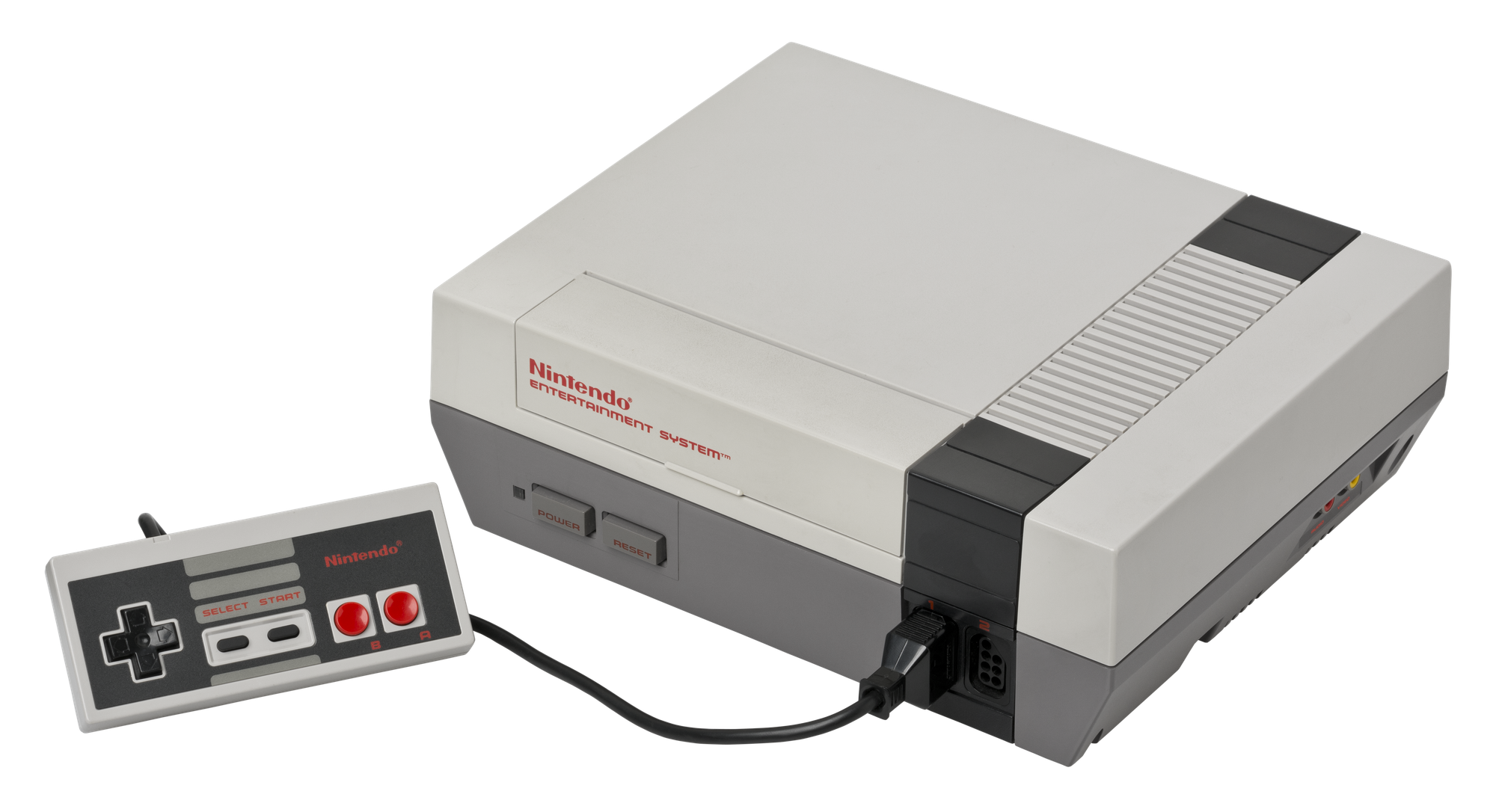
On the hardware front, this was the era of the "Console War." Nintendo's initial dominance was swiftly challenged by Sega, followed by a range of other companies attempting to grab a piece of a fast-growing market. For young people of this era, selecting a system could be as much about personal identity as it was about games or system specs.
Culturally, this was perhaps the most homogeneous era. With the adult audience abandoning video games in the wake of the market crash, games were widely seen as the sole province of children, specifically prepubescent boys. It was seen as shameful for adults or even older teens to play video games, and the knowledge gulf between this cohort and their parents was about as wide as it ever got. It was an age of confused adults in toy stores looking for a Genesis but asking for a "Sega Nintendo."
Adding to this was a series of moral panics throughout the 90s and early 2000s, mostly focusing on violence. People had been attempting to link video games to violence, criminality, and compulsive behavior since the arcade era, but they'd never had the political juice to do anything about it. Those who followed the various hearings (both home and abroad) on the alleged dangers of video games were changed by the experience.
People in this group can be both insular and very passionate about video games. They are likely to view game genres through the lens of their youth, more likely to self-identify as "gamers" than most other cohorts, and can still be defensive over the hobby and the people who enjoy it. They are also more likely than most to think of video games as a solitary or small-group hobby as opposed to something competitive or collaborative.
1989-2000: Online Games
People in this category came of age after the development of the World Wide Web and the proliferation of high-speed connections. As such, the internet played a large role in their lives, including how they viewed and approached video games.
Ideas such as online multiplayer and digital distribution had been floating around throughout the 90s. By the middle of the decade, the transition from dial-up internet to DSL made online deathmatch practical for a growing number of FPS fans. This kicked off a wave of innovation, yielding the dominance of MMORPGs starting in the late 90s, internet-ready consoles and matchmaking services in the early 2000s, and the first MOBAs in the mid-2000s.

The consoles themselves were also changing, and this might be the period that saw the most dramatic technological changes. Besides online capabilities, these changes included true 3D-rendered graphics, optical media, high-definition connections, and onboard storage. Consoles were becoming more PC-like as the designers tried to compete with the fast-growing PC market.
These changes didn't go unnoticed by the general public. This was a period marked by the gradual mainstreaming of video games and the shedding of the stigma built up during the 80s. The "video games are for children" concept quickly became inaccurate, with the median console owner being well into their 20s. Additionally, while there was still a fair share of controversy - such as that regarding the allegedly addictive nature of MMOs - it's safe to say that fewer people viewed video games as dangerous in this era.
Hollywood contributed much to this mainstreaming. Screen adaptations were very common during this period, and that included a lot of video game-based films. Most of these were barely remembered flops, but the Tomb Raider and Resident Evil films were popular enough to spawn cinematic franchises. Movies like these would expose a non-game-playing audience to those IPs throughout the 2000s.
This mainstreaming could be a double-edged sword, particularly for fans of certain genres. Game development became far more formulaic across this period as companies focused more on a handful of "mature", male-targeted genres perceived as being stronger. These included fighting games, survival horror, and first-person shooters. Fans of other, less flashy genres had fewer choices, having to find these "old-fashioned" games on the handhelds or in the nascent retro gaming world.
Speaking of handhelds, this group also bore witness to a special phenomenon: Pokémon. For this group and every group after, Pikachu is as much an icon of their youth as Mario or Sonic were for the cohort before.
People in this group are used to playing games with friends, regardless of place or time. They think in terms of more high-octane games, particularly FPS games, which became an overwhelming force across their childhoods. As with those from the Console War period, many of them identify with the hobby, but growing up during a period of mainstreaming means that they are a bit less protective of it.

1997-2009: The Rise of Mobile
People in this category came of age during the widespread adoption of cell phones and the expansion of telecommunications. Coupled with the revival and growth of the PC market, this greatly expanded their understanding of what video games are.
Portable gaming was certainly not new - handheld systems had existed for decades, forming a substantial part of the market. However, these had always been a cultural niche, largely marketed toward children. The launch of the App Store and the subsequent expansion of smartphones over the following decade exposed portable gaming (and gaming more generally) to a far larger audience. Children of this era were very likely to have been first exposed to video games on a parent's phone.
The rapid dominance of the mobile market is the big story of this period, but it's far from the only one. The PC market was also benefitting from the fast expansion of e-commerce. Valve's Steam was a limited service when it first launched, but by the time this cohort was coming of age, it had transformed into a sprawling storefront that monopolized a large part of the games market. Aside from making it easier to find and buy games, programs like Steam Greenlight also opened up new possibilities for independent developers to try their luck.
The growth of mobile and PC meant that consoles were losing ground throughout this period, but that didn't make them irrelevant. This was an era of massive console franchises, with the Grand Theft Auto and Call of Duty series setting records throughout this period. The children of this cohort are, in many ways, the first CoD babies, growing up during the true pinnacle of first-person shooters.
All of these changes were affecting the games as well, with those well-established genres beginning to disappear or mutate. Hybrid genres become the norm as the "everything is an RPG" ethos becomes entrenched. Meanwhile, wholly new genres were developing on the mobile front and among independent developers. Open-world survival, immersive simulation, battle royale, and sandbox games all took form, while the roguelike approach had been fully mainstreamed.

This cohort also grew up with a distinctive video game subculture that was unlike what existed before. For previous groups, game culture consisted of magazines, fansites, forums, and the occasional show; largely functional, it existed to disseminate news and rumors. All of this changed with sites like YouTube and Twitch; Let's Plays turned the video guide into a form of entertainment in and of itself, and the increasing visibility of eSports proved popular among young people already used to seeing ladders and rankings in the games they played.
That content creator culture is the dividing line. The mobile-era cohort spends about as much time actually playing games as the previous two groups. Where they differ is in how much they engage with game-related content. For this group, the world of video games is far bigger than the games themselves.
Speaking of divisions, the many contrary forces acting on the games market mean that there isn't a singular description for the children of this era. Those who are on the older side, male, and with more access to consoles tend to view video games through a more competitive lens, making them closer to the previous group. Those falling outside these categories are a bit more casual in their outlook, such that they more resemble the next group. Regardless, this is a group for which video games are not tethered to geography at all, but are all-encompassing.
2007-2016: Live Service Era
People in this category came of age during a significant consolidation and shift in the market at-large. With design principles and business models in flux, it was an age when everyone was changing how they approached video games.
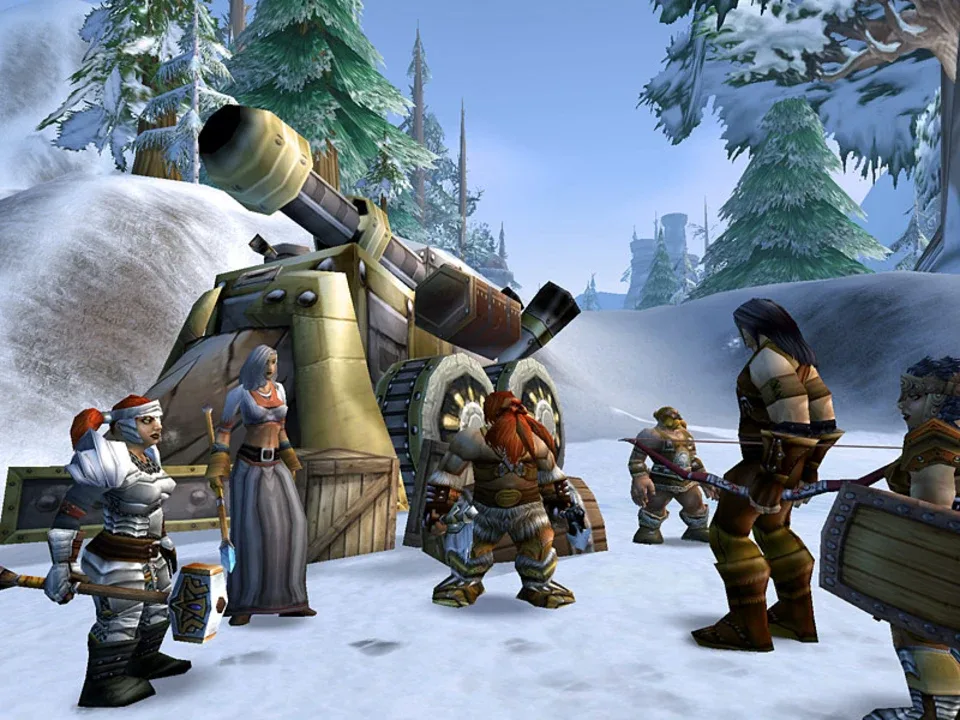
The concept of offering a base game for free and then generating money from inside the game wasn't a new one - this had been a model for small MMOs and casual games dating back to the turn of the millennium. Throughout the 2010s, an ever larger share of A-tier games transitioned over to this model as they scrambled to accrue the largest audiences possible. It was a perfect way to attract a gigantic youth audience, who naturally have ample free time but limited money.
This transition also mirrored changes in the greater media landscape. The world of entertainment was simultaneously growing broader (due to reduced barriers to entry) and more consolidated. By the time this cohort was old enough to play games, the market had become almost wholly centered on a handful of live-service titles and yearly release mega-franchises.
Outside of the core gaming audience, this also represented a profound cultural transformation. The concept of the "gamer" identity became increasingly meaningless when everyone is playing video games. With senior citizens familiar with the hobby, it's safe to say that video games had become as mainstream as they're ever going to get.
However, this mainstreaming actually brings a new type of controversy to bear. The ever more aggressive monetization of free-to-play games draws attention from the press and, eventually, government bodies. To those born before this cohort, these games can be exploitative in a way no one had ever seen.
A less remarked upon aspect of this period was the increasing importance of audience metrics. Live service games don't succeed or fail based on sales but on concurrent player count, play time, engagement, and external content - information that is now routinely collected. More than that, many of these metrics are public knowledge, with regular players having more information on the business aspects of these games than they ever had in the console era.
For the young people who played these games, the most profound change was in the number of games played. Video games in the 80s, 90s, and 2000s were driven by a steady release schedule - a new crop of games coming out each month, accompanied by regular news drops. With the industry coalescing around just a few games, many in this cohort were only playing a single game (likely whatever was popular at their schools) for years on end.
Ironically, people in this group are more detached from video games despite spending an enormous amount of time playing them and talking about them. They have their favorites and can be passionate about them, but they have no real emotional ties to the hobby at large and are highly unlikely to identify as "gamers." For all the changes, they share with those in the arcade cohort a view of video games as mere pastimes. We'll see if they remain in the market after they age up and lose interest in their singular favorite game.
2016-????: An Age of Uncertainty
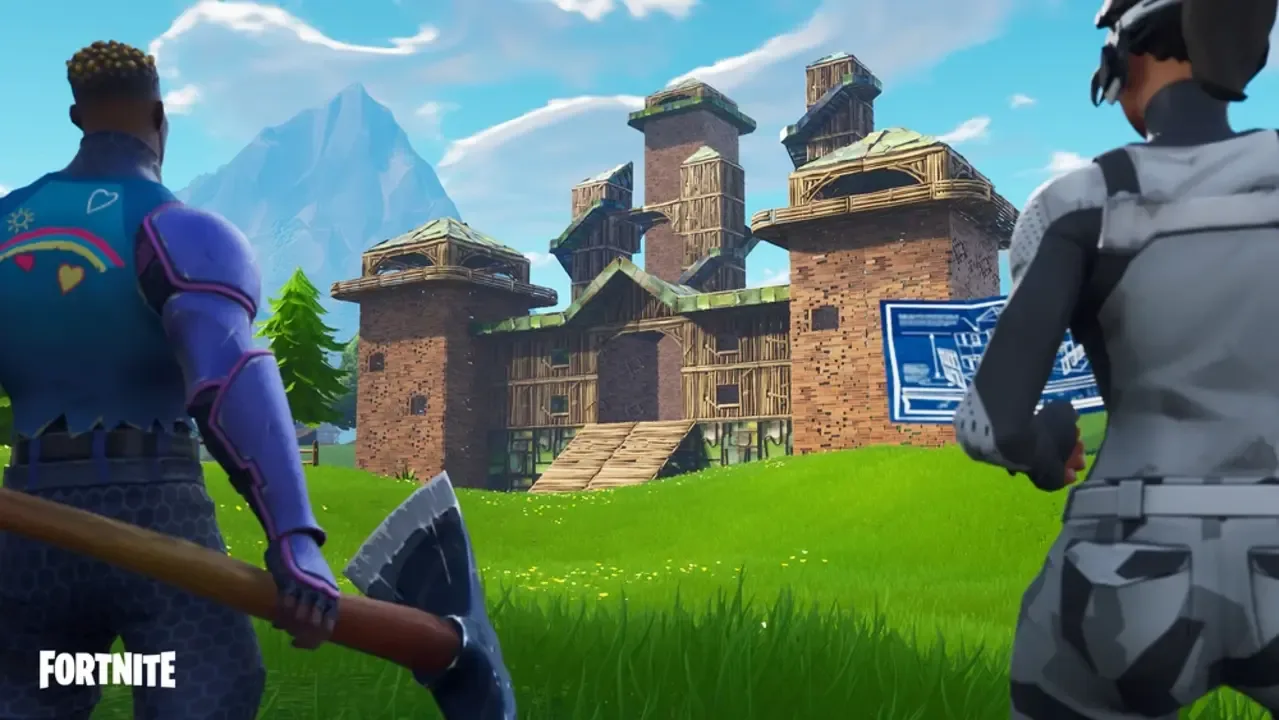
It's hard to say what trend will define the next cohort. We all know that the video game market, much like the media landscape at large, is at a delicate moment. Costs are spiraling out of control, the consoles are stagnating, and the growth that fuels live service games has come to an end. The center simply can't hold.
The children born fully into the live service era will turn ten this year. From the outside, it seems like the video game scene presented to them will just be a somewhat stunted version of that enjoyed by the previous group. However, the fact that there are no massive changes in the technology or economics of games doesn't mean that other, more subtle cultural forces might affect their viewpoints.
Some might argue that the growing animus against AAA companies will result in this cohort going deeper into indie games. A boy can dream, but I seriously doubt that this will happen any time soon. I'd guess that their perspectives will be influenced more by those of the overall society.
On the one hand, we've seen video game franchises transform into colossal multimedia monoliths. This could be a sign that the hobby has fully matured and that these kids will be quite neutral in their outlook. But this is also an age of moral panic against technology, with a backlash even greater than the one in the 90s. Most of this isn't targeting video games in general, but there are plenty of conspiratorial whispers about the chat features in youth-oriented games. Panics like this can push one in two directions - submissive or rebellious.
While we wait to see what the future holds, I invite you to reconsider the past. Think about what your particular video game experience was like when you were ten years old and let the world know about it. It's a small step, but understanding begins with small gestures.