The History of Portable Tactical RPGs, Part 1: Game Boy (1989–2003)
Strategy to go

While the Super Famicom in Japan was home to several tactical RPGs that rank among the most influential, acclaimed, and successful of all time, most titles in the genre were never released internationally. In subsequent console generations, tactical RPGs became especially prominent on portable platforms: their fully turn-based gameplay loop (movement and actions), small-scale maps, and stage-based progression proved well suited to systems with limited hardware capabilities, small (sometimes touch-sensitive) screens, and less ergonomic control design with fewer buttons.
In this SUPERJUMP series, we will present an overview of the history of tactical RPGs on portable consoles, from the original Game Boy to the current Switch Lite. We will show how the evolution of portable hardware went hand in hand with the development of tactical RPG mechanics, resulting in a diverse body of titles within this hybrid genre.
Two criteria are being used to include a video game in this chapter:
- The title was released for early Game Boy models (GB) or Game Boy Color (GBC) between 1989 and 2003.
- The title is a turn-based RPG whose main gameplay sessions are in grid-based scenarios, in which the player can move the units of a party or battalion. Although in some cases the player can control a single unit, combat primarily takes place against a coordinated party or battalion, not monsters that spawn or inhabit the world with relative independence. This is not a universal definition for tactical RPGs, but rather a functional definition of the genre for the Game Boy line of handheld consoles.
See the essay Origins of the Strategy RPG (1982-1995) (SUPERJUMP, 2022) for historical details on the definition of the tactical RPG genre.
Table of Contents
I. Hardware features
I.i. Game Boy
I.ii. Game Boy Pocket
I.iii. Game Boy Light
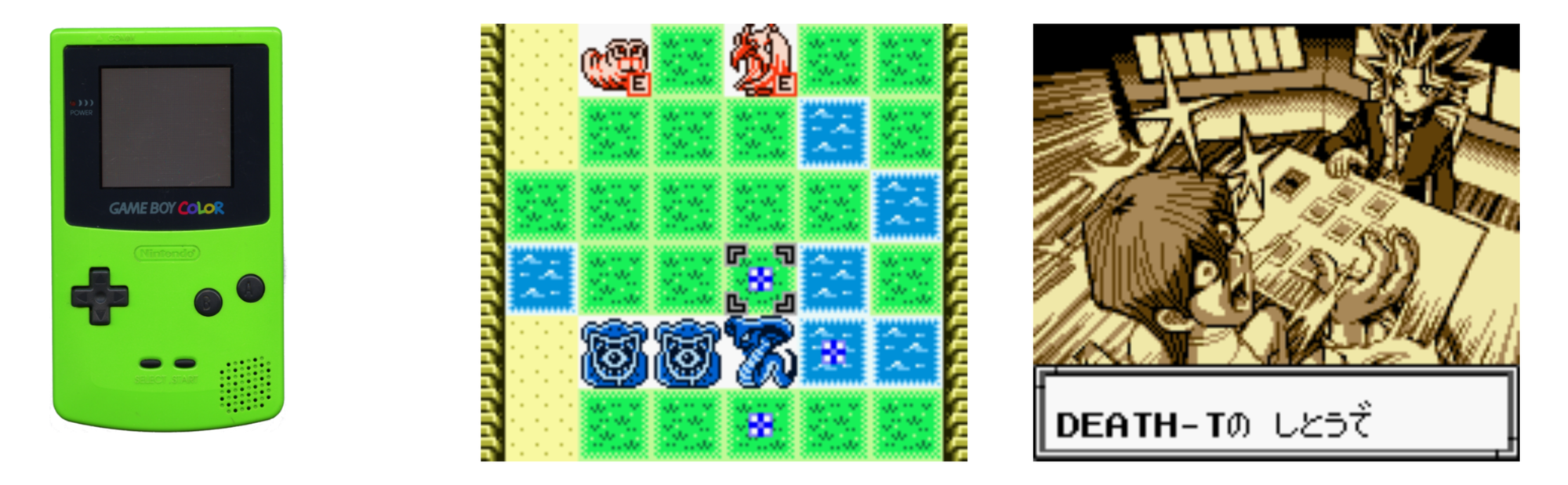
I.iv. Game Boy Color
II. Major tactical role-playing games
II.i. Super Robot Taisen
II.ii. Little Master
II.iii. Little Master 2
II.iv. Yugioh Capsule Monster GB
II.v. From TV Animation One Piece: Yume no Luffy Kaizokudan Tanjou
III. Minor tactical role-playing games
IV. Cronology
V. Honorable mentions
VI. Generation shift
I. Hardware Features
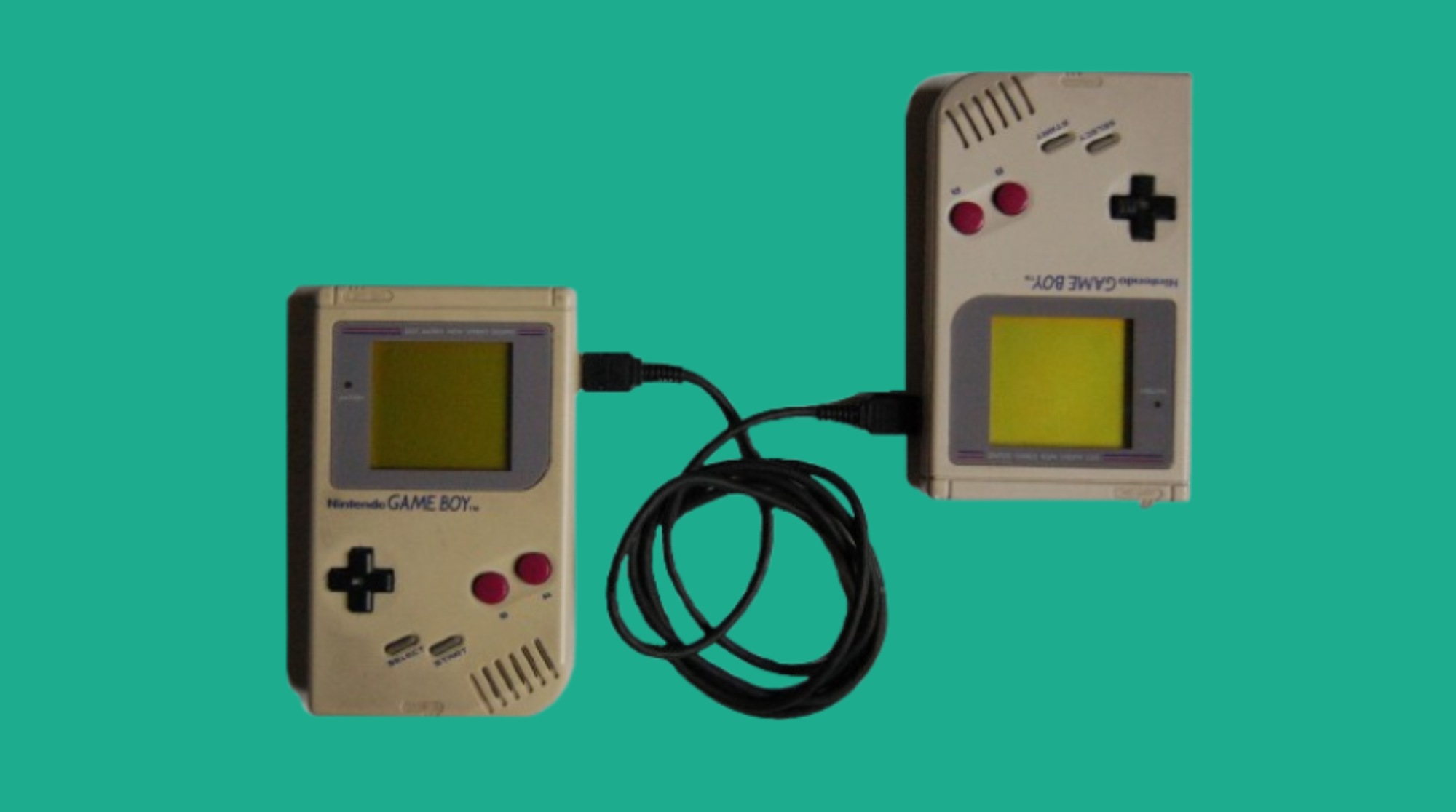
Announced in 1989, the Game Boy was conceived by Nintendo’s R&D1 team under Gunpei Yokoi as a portable gaming system that prioritized affordability, durability, and long battery life over cutting-edge specifications. It used low-power technology and debuted with a greenish dot-matrix screen and a simple control layout derived from the NES controller. The system’s early success was amplified by bundling the iconic Tetris with the hardware, a strategy that helped establish the Game Boy as a defining platform in portable gaming. The Pokémon series, of course, was also largely responsible for the success of this handheld console. Games like Tetris and Pokémon used Game Link cables for local co-op or multiplayer.
Core Technical Characteristics (Shared Architecture)
- CPU: Sharp LR35902 (8-bit hybrid of Z80 and Intel 8080)
- Base Clock Speed: ~4.19 MHz
- Display Resolution: 160 × 144 pixels
- Graphics Model: Tile-based backgrounds (8 × 8 tiles) with hardware sprites
- Sprite Limits: Up to 40 sprites on screen; 8 × 8 or 8 × 16 pixels per sprite
- Input: Digital D-pad; A / B buttons; Start / Select
- Cartridge-Based Storage: Banked ROM and RAM via Memory Bank Controllers (MBCs)
The Game Boy and its direct evolutions (Game Boy Pocket, Game Boy Light, and Game Boy Color) sold approximately 118.69 million units worldwide; the family is currently the fourth best-selling video game platform of all time. However, while turn-based RPGs flourished on the system, tactical RPGs were scarce on that platform. The two most important tactical RPGs in the Game Boy line are Super Robot Taisen, which is the first in one of the most classic and prolific tactical RPG series, and Yu-Gi-Oh! Capsule Monster GB, which laid the groundwork for a spin-off sub-series in the Yu-Gi-Oh! video game franchise.
Despite their severe technical limitations, the Game Boy models offered a basic ground for tactical role-playing games. Their low-resolution grid-based displays, turn-based input model, and modest processing capabilities aligned with the requirements of small-scale tactical gameplay. Tactical RPGs developed for these handhelds often featured concise and episodic narratives, succinct dialogue, few simultaneous units, discreet movement with few variations, small top-down grid-based environments lacking verticality, few objects, menu-driven combat, and interfaces that simplified and sometimes omitted specific information (such as the chance to dodge or block an attack). Furthermore, the portable format encouraged short and intermittent gaming sessions. The Game Boy's D-pad is ideal for top-down grid movement, and the A / B buttons on this handheld are used to select a playable unit and its turn-based action.
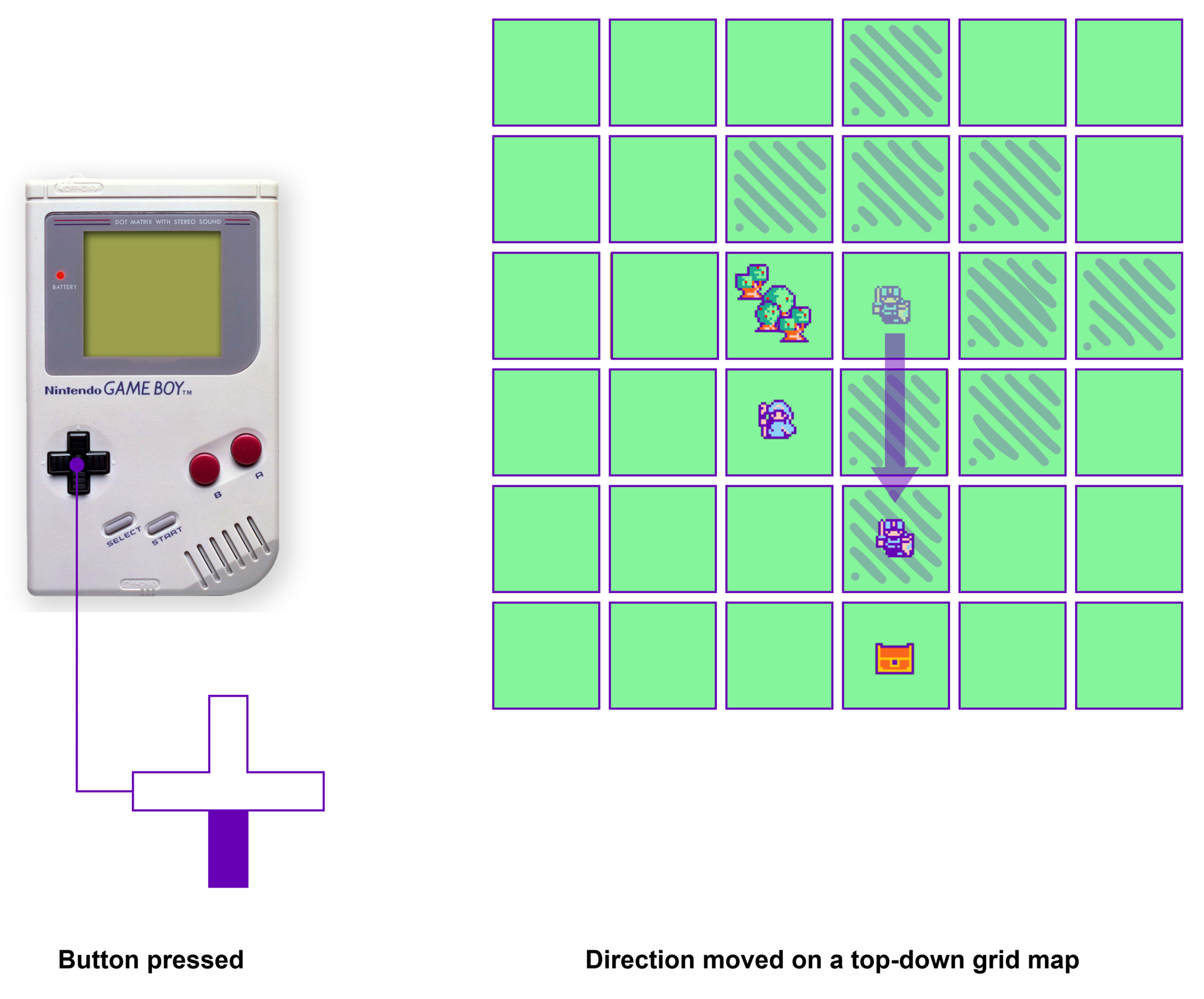
Games often favored a top-down view for clear readability of the grid, and possible routes of movement were often shown by making unreachable tiles darker or by adding a mark like Little Master’s dark dot to indicate where players could take the currently selected unit. Simple cursors highlighting the current tile the player was interacting with were already a staple, letting players move units and check areas on the map. Cancelling movement wasn’t present on the first Super Robot Taisen, but other titles, like Little Master, had this function.
For battles, the most popular format was to use transitions from the map grid to a separate screen that showed the attacker and defender in action, in a similar fashion to Fire Emblem, but often with simpler movement animations. One exception was Yu-Gi-Oh! Monster Capsule GB, which represented attacks as hit animations directly on the map.
The video below offers a sample of the audiovisuals of a tactical RPG on the Game Boy. In the subsequent subtopics, we present, in general terms, updates to the original Game Boy that impacted the experience of playing a tactical RPG.
Super Robot Taisen emulated via Visual Boy Advance. Source: Banpresto/Authors.
I.i. Game Boy (DMG-01, 1989)
- Display: 160 × 144 pixels; 4 grayscale tones (2-bit)
- RAM: 8 KB system RAM; 8 KB video RAM
- Sound: 4 audio channels (2 square wave, 1 wave table, 1 noise)
- Power: 4 × AA batteries
High-contrast monochrome screens favor symbolic iconography and grid-based design, the basis for tactical maps, RPG interfaces, and menus.
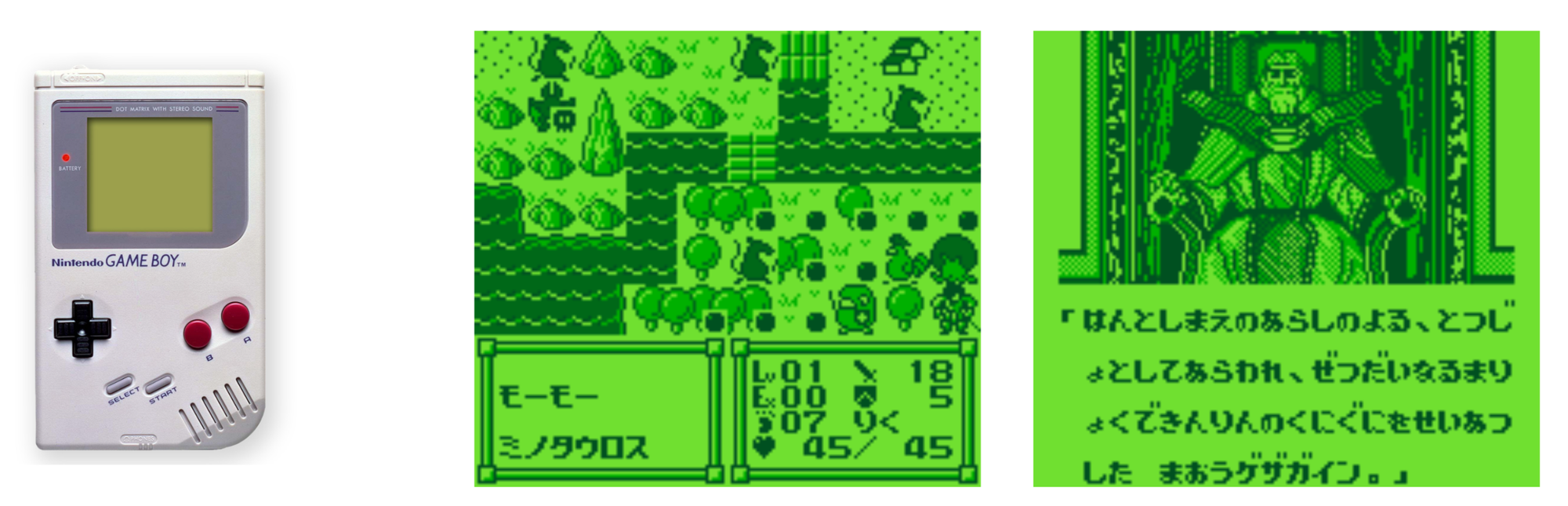
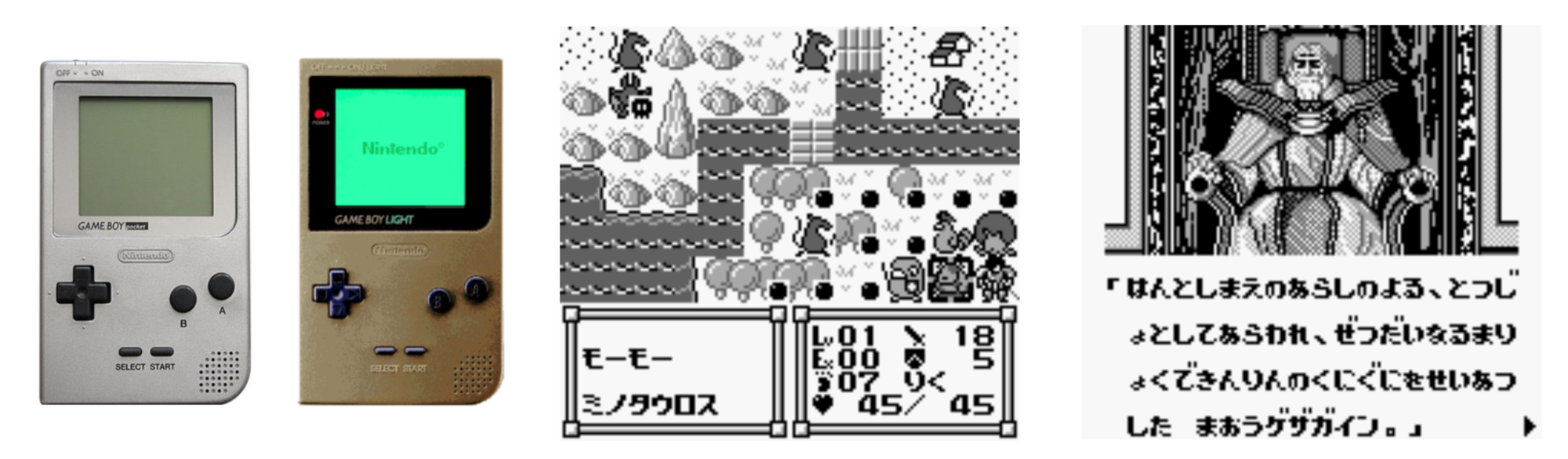
The console's non-backlit LCD screen features a greenish background.
I.ii. Game Boy Pocket (1996)
- Display: Improved passive-matrix LCD with higher contrast; still monochrome (4 grayscale tones)
- Form Factor: Smaller and lighter chassis
- Power: 2 × AAA batteries;
The Pocket introduced significantly improved screen clarity, indirectly enhancing the readability of tactical interfaces and small map tiles.
The Game Boy Pocket also uses a monochrome four-shade palette, but with true grayscale tones.
I.iii. Game Boy Light (1998, Japan-only)
- Core Hardware: Equivalent to Game Boy Pocket
- Display: Monochrome LCD with electroluminescent backlight
- Power: 2 × AA batteries
The backlit screen greatly improved visibility in low-light conditions.
On the Game Boy Light, when the backlight is turned off, the display appears identical to that of the Game Boy Pocket.
I.iv. Game Boy Color (CGB-001, 1998)
- CPU: Enhanced LR35902
- Clock Speed: 4.19 MHz (DMG compatibility mode); ~8.38 MHz (native CGB mode)
- Color Capability: 32.768-color master palette; up to 56 colors on screen simultaneously, without advanced tricks
- RAM: 32 KB system RAM; 16 KB VRAM (two banks)
- Backward Compatibility: Full support for all original Game Boy titles
Color palettes enabled clearer unit differentiation, terrain encoding, and status signaling, while increased RAM and clock speed supported more complex AI routines and larger battlefields.
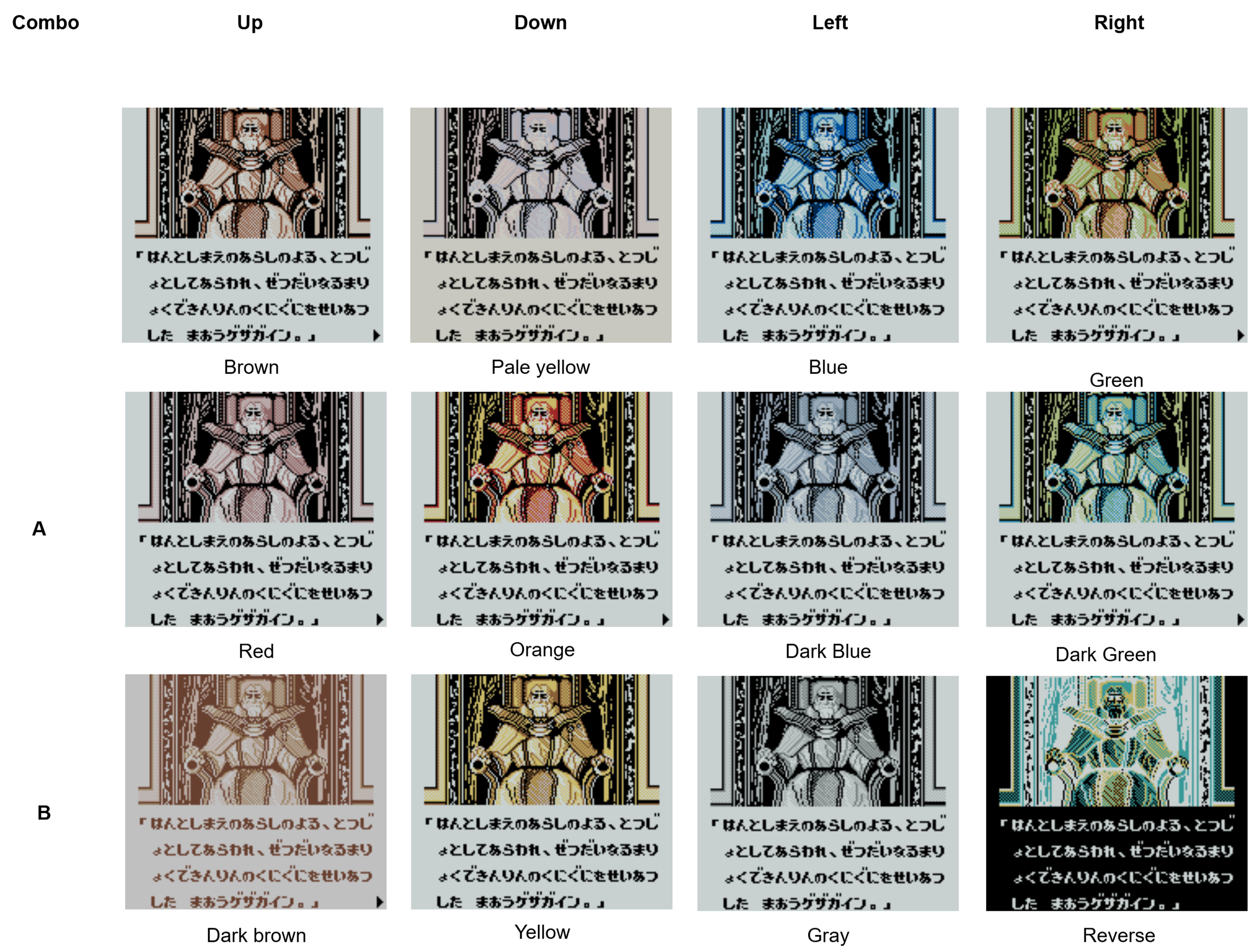
For GBC-exclusive games, the hardware supports a 15-bit RGB palette, but color usage is strictly palette-based: each background tile references a 4-color palette, with up to 8 background palettes and 8 sprite palettes available per frame. For sprites, one color is always transparent, resulting in a practical maximum of 56 on-screen colors (32 from backgrounds and 24 from sprites). When running original Game Boy games, the four grayscale tones of the monochrome game are mapped to predefined color palettes, either automatically selected based on the cartridge header or manually chosen by the player via button combinations at boot, preserving the original light–dark relationships while adding hue.
II. Major Tactical Role-Playing Games
We say that a tactical RPG (TRPG) is "major" when it satisfies at least one of the following criteria:
- The title has an average score of 35/40 or higher on some review aggregator (EGM or Famitsu)
- The title sold more than 100.000 copies
- The title is part of a main series
- The title is the first in a subseries
- The title was significantly influential in the development of later major titles.
If a spin-off surpasses the original series in sales and critical acclaim, we say that it has become a main series. By that definition, Super Robot Wars and Tactics Ogre are main series, while Final Fantasy Tactics and Shin Megami Tensei: Devil Survivor are not.
In chronological order, this topic presents all the major tactical RPGs from the Game Boy line, including narrative introduction, gameplay, and critical and commercial reception. Each game is accompanied by cover art plus up to 6 screenshots from the game:
- Tactical battle grid;
- In-game dialogue (if any);
- Transition to combat (if any);
- World map (if any);
- Exploration (if any);
- Cutscene without in-game graphics (if any).
II.i. Super Robot Taisen (GB, 1991)
After having done a similar crossover project called Compati Hero back in 1990, Bandai’s subsidiary Banpresto decided to create a project to mix multiple mecha series into a single game. This gave birth to Super Robot Taisen, a tactical RPG that let players move various giant robot units through grid-based battlefields.
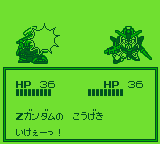
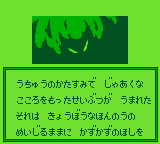
When starting the game, players have to choose which series they’d like to comprise their army. The choices include Mobile Suit Gundam, Mazinger, and Getter Robo, and the main unit can be selected as the player’s favorite from the list, allowing players to add extra points to their attack, HP, speed, or charisma. As the player progresses through the maps, it is possible to obtain more allies using a chance-based persuasion system.
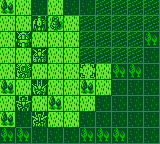
Super Robot Taisen emulated via Visual Boy Advance. Source: Banpresto/Authors.
Also known as Super Robot Wars in the West, the series would become very prolific, with over 70 releases across multiple systems, including Super Famicom, Game Boy Advance, DS, 3DS, and all PlayStation consoles and handhelds. Most titles remain available only in Japanese, but all games since Super Robot Wars OG: The Moon Dwellers (2016), have been released in English.
The first game sold 190.000 units and was a best-seller in the first years of Game Boy in Japan. While reviews from back in the day are hard to find online, back in 2020, Famitsu commented on how the title already introduced some of the appeal of the crossover franchise, even if, compared to later releases, it is noticeably limited:
“The story is unique, and the appeal of the series lies in how it skillfully blends together works with completely different settings into a single narrative. While it's common to read the story with excitement, wondering how your favorite works will connect, the adventure section of the first game was quite simple. [...] Due to hardware limitations, the battle animations in this game were simple, with missiles flying about, giving the game a feel similar to that of early command-based RPGs. However, with the background music from each game playing and the robots on both sides being depicted, it's interesting to see a glimpse of the powerful battles of today.”
Full text (Famitsu’s retrospective of the game’s launch date): https://www.famitsu.com/news/202004/20196852.html
Super Robot Taisen emulated via Visual Boy Advance. Source: Banpresto/Authors.
II.ii. Little Master (GB, JP: 1991)
Tokuma Shoten’s Little Master: Raikuban no Densetsu was another game starting a brand-new series on the Game Boy. The title would eventually span a sequel on the same platform in 1992 and another on the SNES in 1995. An English translation was planned, and the title would have been released as Doomsayer: A Hero’s Crusade, but this Western version was ultimately cancelled back in the day.
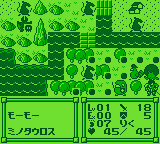
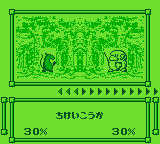
In Little Master, players control Raikuban and the kingdom’s troops, which include anthropomorphic animals. Land effects on the characters were presented right before each combat, which happened in a separate screen like the Fire Emblem series. Attack animations were considerably more detailed than Super Robot Taisen of the same year, with each individual moving towards the enemy to unleash an attack, and the battle background depicting which terrain they were on. It was also possible to fuse units to create even stronger allies.
Sales data or reviews from back in the day are hard to find, and the game remains an obscure gem from the Game Boy, which is also the case for its sequels. Nonetheless, in 2018, Zatos Hacks released an English fan translation of the game, pointing out some of its qualities:
“Little Master is the first game in the Little Master trilogy. This game and the series as a whole are quite terrific! The game is a strategy RPG which features great gameplay and music. Levels are varied to keep the gameplay fresh. The game also features a unity system, where you can combine troops to form more powerful ones! A standout game for the Game Boy!”
Romhacking.net Description: https://www.romhacking.net/translations/3647/
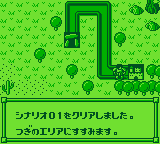
Little Master emulated via Visual Boy Advance. Source: Konami/Authors.
II.iii. Little Master 2 (GB, JP: 1992)
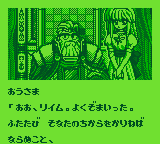
Coming a little less than a year after the first game, Little Master 2 is a straight sequel that keeps much of its structure. Even visually, the game is very similar, reusing units and some maps but expanding the game to have more than double the number of missions and adjusting the balance so that some units aren’t too strong and there’s more of a challenge overall.
As far as major additions to the genre, the game doesn’t truly bring anything major to the table, focusing on presenting what’s mostly a revamped, improved version of what Little Master offered. One of its few significant additions was introducing a healer unit to the team that can transform into a different fighter afterward.
Little Master 2 emulated via Visual Boy Advance. Source: Konami/Authors.
Like its predecessor, there’s a lack of data on its sales and reviews available online. However, the series would continue with a third game, called Little Master: Nijiiro no Maseki on the Super Famicom, which would bring further gameplay improvements. Unfortunately, Little Master 2 is still only available in Japanese, not even receiving any English fan translations.
One of the only online reviews for the game comes from a user on the gaming site GameFAQs, commenting on how the game is now improved:
“Released less than a year after its predecessor, Little Master comes back to the Game Boy. Despite being, at first glance, almost the same exact game, this second entry is bigger and better in nearly every aspect. [...] But all in all, Little Master 2 is a compelling TRPG that deserves to be played. Although technically a sequel to the first game, it is not mandatory to play it before jumping into this one. Whether you’re looking for a great game to play on your original Game Boy or looking for a tactical RPG to satisfy your gray matter cravings, you can’t go wrong with Little Master 2: Knight of Lightning. A definite must.”
Full retrospective review: https://gamefaqs.gamespot.com/gameboy/569771-little-master-2-raikou-no-kishi/reviews/160203
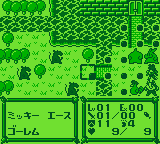
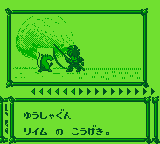
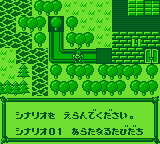
Little Master 2 emulated via Visual Boy Advance. Source: Konami/Authors.
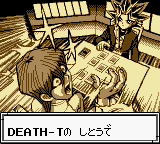
II.iv. Yugioh Capsule Monster GB (GBC, JP: 2000)
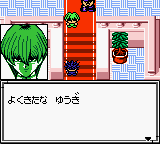
Yu-Gi-Oh! Monster Capsule GB was developed and published by Konami for the Game Boy Color and released exclusively in Japan as part of the expansion of the Yu-Gi-Oh! franchise. The game is directly inspired by the “Monster World” and “Capsule Monsters” story arcs from the original manga, offering a self-contained adventure outside the traditional card-duel format that came to dominate the series. In the narrative, the iconic Yugi Muto confronts the antagonist Seto Kaiba, whose possession by the Millennium Ring precipitates a tournament-based journey through the “Monster World” in order to rescue friends and family.
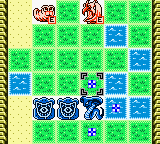
In terms of gameplay, Monster Capsule GB employs a turn-based tactical RPG system in which players deploy and move “capsules” (each representing a monster) across square battlefields, exploiting movement ranges, unit-specific abilities, and terrain effects to defeat opponents. The system distinguishes itself from other portable tactical RPGs of the period by integrating traditional RPG progression with rigid spatial positioning and mechanics derived directly from the Yu-Gi-Oh! universe, resulting in a hybrid experience situated between board game design, role-playing progression, and tactical combat.
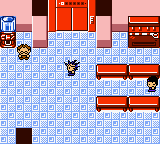
Battles take place on a 6x6 field, where each square represents a field. You can position up to four Monster Capsules (MCs), and on each turn, you move and attack a monster. If there are no more MCs on the field, you lose. Dice rolls determine the success of an attack; If the result is less than the hit rate, the attack is a hit. Hit rate and power can also be increased by field energy sources or support effects, such as enemies being within the attack range of other allies. Excepting battles, everything else, including route selection, is decided by dice.
Yugioh Capsule Monster GB emulated via Visual Boy Advance. Source: Konami/Authors.
Commercially, Yu-Gi-Oh! Monster Capsule GB achieved a modest performance in the Japanese market, with cumulative sales of approximately 129.095 units (Wiki/GameDataLibrary/Famitsu). The title peaked at over 36.000 units sold in its first week (yugiohdata), securing prominent positions in domestic sales rankings throughout 2000. There is scarce information about reviews from the 2000s, but subsequently,in Yu-Gi-Oh! Monster Capsule GB has been praised in comparison to other titles in the franchise on the same platform.
“Although the subject matter differs, this title surpasses other GB Yu-Gi-Oh! games in quality and is definitely in the category of a good character game.”
[ 題材としているゲームが違うとはいえ、他のGBの遊戯王のゲームを上回る出来であり、キャラゲーとしても間違いなく良作の部類に入る。]
Full retrospective review: ゲームカタログ@Wiki,
Yugioh Capsule Monster GB emulated via Visual Boy Advance. Source: Konami/Authors.
II.v. From TV Animation One Piece: Yume no Luffy Kaizokudan Tanjou (GBC, JP: 2001)
With licenses to some anime at their disposal, Banpresto invested in creating an RPG adapting One Piece’s early events. As with all the other tactical RPGs for the handheld system, it was only released in Japan.
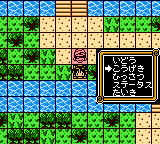
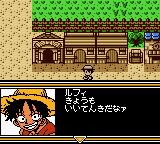
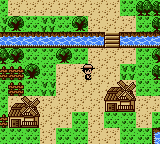
Gameplay has a structure very similar to the traditional command-based, turn-based games. Outside of battles, players can explore the world in a top-down perspective, moving around to reach specific points in the map to trigger dialogues with characters. When moving around specific areas, it’s possible to trigger random battles, which will take the player to grid-based, tactical combat. At first, the player starts only with the protagonist Luffy, though more characters join the team as the story progresses, and it’s possible to change the order of events compared to the original manga/anime.
From TV Animation One Piece: Yume no Luffy Kaizokudan Tanjou emulated via Visual Boy Advance. Source: Banpresto/Authors.
From TV Animation One Piece: Yume no Luffy Kaizokudan Tanjou sold approximately 375.962 units (Video Game Sales Wiki). On release, Famitsu reviewed the game with a 23/40 (Wiki/Famitsu No. 646). When it comes to the game's qualities, Yuki Ogata points out the scenario variations as one of its big draws:
"You can create a pirate crew with your favorite characters and progress through the story however you like. It's a game where you can enjoy 'what if' One Piece scenarios, such as putting 'Sanji' and 'Gin' or 'Zoro' and 'Helmeppo' in the same party."
[自分の好きなキャラを集めた海賊団を作り、自分が好きなようにストーリーを進める。「サンジ」と「ギン」や、「ゾロ」と「ヘルメッポ」を同じパーティにするなど“もしも”のワンピースが楽しめるゲームだったのだ。]
Full retrospective review: Futabanet Manga plus
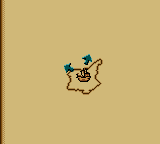
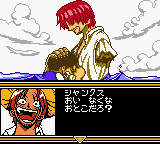
From TV Animation One Piece: Yume no Luffy Kaizokudan Tanjou emulated via Visual Boy Advance. Source: Banpresto/Authors.
III. Minor Tactical Role-Playing Games
Not all tactical RPGs released for the Game Boy line were prominent in their time, but all deserve their place in the chronology. Below, we present the minor tactical RPGs released for the Game Boy line.
Dai-2-ji Super Robot Taisen G (GB, JP: 1995)
Dai-2-ji Super Robot Taisen G (or “2nd Super Robot Wars G” in an English name translation effort) is a remake of Dai-2-Ji Super Robot Taisen, originally released for the Family Computer (Famicom). The game’s mostly similar to the first one in structure, though it offers a much denser narrative with pilots having a notable presence in dialogue (this would become the norm for later games in the series). Battle animations were also improved to better reflect damage. Upon release, Famitsu magazine (then known as Famicom Tsushin) reviewed the GB edition of Dai-2-ji Super Robot Taisen with a 28/40 (Wiki/Famitsu No. 342). In its release week, the game sold 57.163 units (Game Data Library).
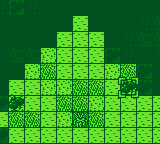
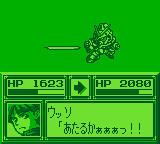
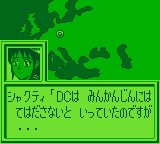
Dai-2-ji Super Robot Taisen G emulated via Visual Boy Advance. Source: Banpresto/Authors.
Another Bible (GB, JP: 1995)
Another Bible was developed by Multimedia Intelligence Transfer and published by Atlus, exclusively in Japan, as a spin-off of the Megami Tensei series. While less philosophical than the mainline Megami Tensei titles, Another Bible preserves the series’ thematic interest in fate, moral conflict, and the ambiguity of divine authority. Unlike traditional tactical RPGs, the game integrates simplified demon management mechanics reminiscent of Megami Tensei. Another Bible was a niche release with scarce reviews, and there are no reliable sources for its sales.
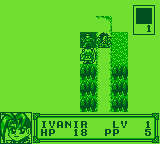
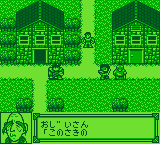
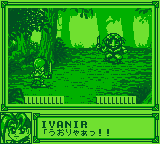
Another Bible emulated via Visual Boy Advance. Source: Atlus/Authors.
Senkai Ibunroku Juntei Taisen (GBC, JP: 2000)
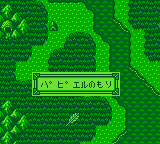
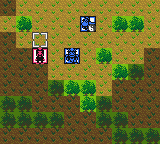
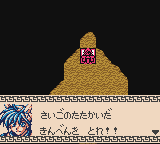
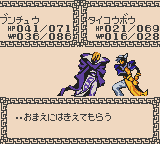
Another tactical RPG developed by Banpresto was Senkai Ibunroku Juntei Taisen, which was also based on an anime IP, in this case, Hoshin Engi. Like other games in this list, it was only released in Japan. The game was generally structured like the Super Robot Taisen games, with the interesting element of being able to spend a turn to recharge the energy gauge needed to activate special attacks with longer range, as well as having the ability to equip different skills to each ally unit. This is another obscure game with scarce reviews. In its release week, Senkai Ibunroku Juntei Taisen sold only 15.699 units (Game Data Library).
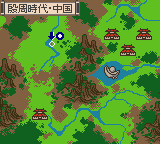
Senkai Ibunroku Juntei Taisen emulated via Visual Boy Advance. Source: Banpresto/Authors.
Monster Maker: Barcode Saga (GB, JP: 1993)
Monster Maker: Barcode Saga is perhaps one of the most unique examples of the genre and a hard one to play now. Developed as a partnership between Namco, Sofel, Show-Kikaku, and Kugatsu Hime, this tactical RPG took advantage of the peripheral Barcode Boy for players to unlock allies and create their own army with warriors, mages, archers, knights, and dragon knights. Due to all the hoops necessary to get it to work, emulating it as intended is complicated, and some of its efforts and progress were presented by Shonumi back in 2017. More about the game can be seen on the Laowai Jockey YouTube channel (2026).
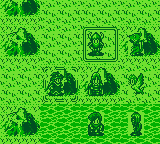
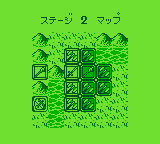
Monster Maker: Barcode Saga emulated via Visual Boy Advance. Source: Namco/Authors.
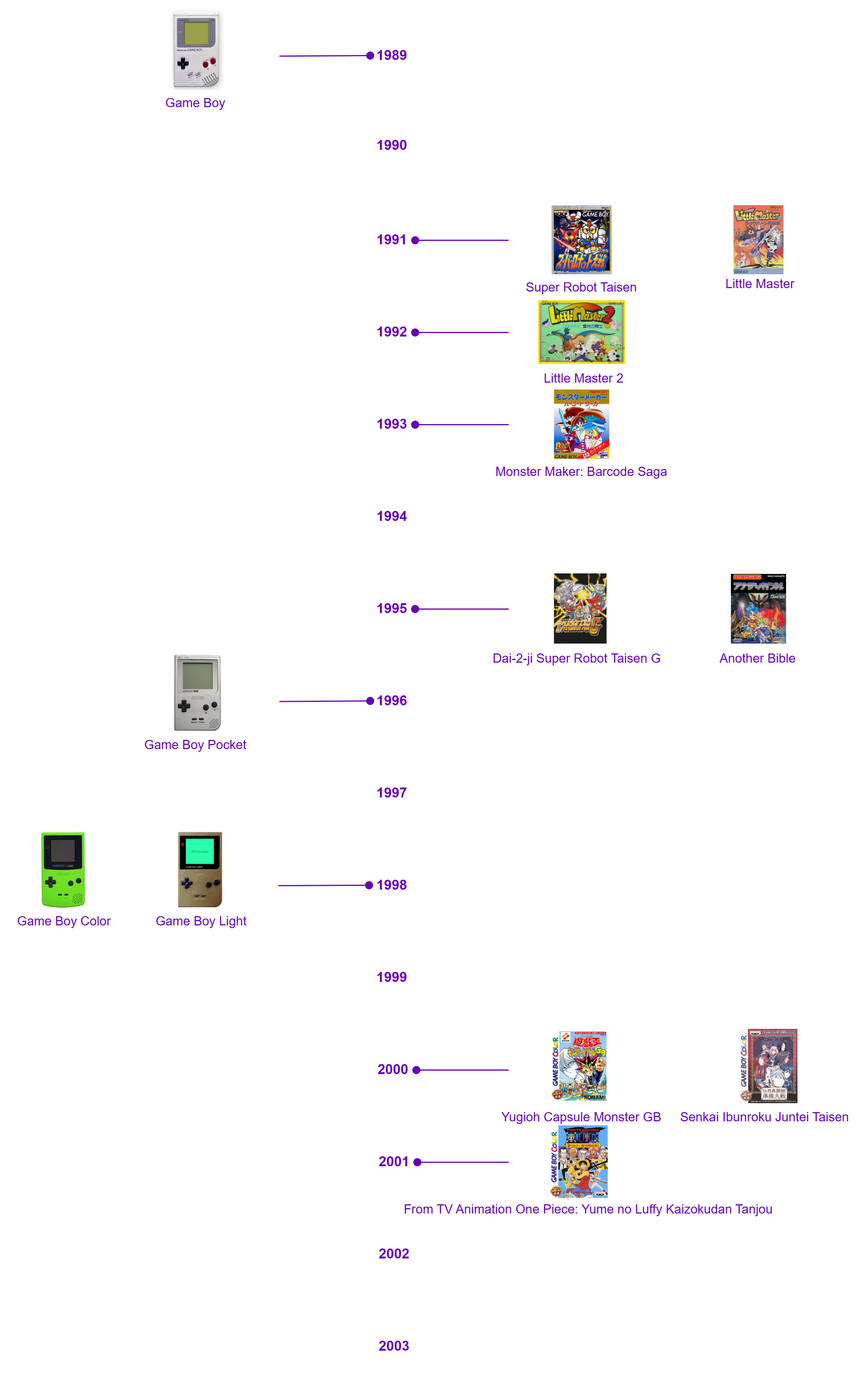
IV. Chronology
V. Honorable Mentions
We begin this timeline with the Game Boy, but there are handheld consoles released before the Game Boy line (Wiki) that don't have tactical RPGs in their libraries:
- Microvision
- Entex Select-A-Game
- Entex Adventure Vision
- Palmtex Portable Videogame System
- Digi Casse
- Epoch Game Pocket Computer
- Etch A Sketch Animator 2000
Titles that receive an honorable mention satisfy one of the following three criteria:
- It is a strategy role-playing game (SRPG), but not a tactical role-playing game (TRPG).
- It is a tactical game, but not a tactical RPG.
- It is a grid-based, turn-based game that may at first glance be confused with our definition of TRPG in this section.
Here’s the full list of honorable mentions:
- Nobunaga's Ambition (GB, JP: 1990, NA: 1991)
- SD Gundam: SD Sengokuden – Kuntori Monogatari (GB, JP: 1990)
- Ultraman Club: Teki Kaijuu o Hakken Seyo! (GB, JP: 1990)
- Daisenryaku (GB, JP: 1991)
- Game Boy Wars (GB, JP: 1991)
- Kikou Keisatsu Metal Jack (GB, JP: 1992)
- SD Gundam: Sengokuden 2 - Tenka Touitsuhen (GB, JP: 1992)
- SD Gundam: SD Sengokuden 3: Chijou Saikyouhen (GB, JP: 1992)
- Tokio Senki: Eiyuu Retsuden (GB, JP: 1992)
- Fushigi no Dungeon: Fuurai no Shiren GB: Tsukikagemura no Kaibutsu (GB, JP: 1996)
- Azure Dreams (GBC, JP: 1997, NA: 1998, EU: 1998)
- Game Boy Wars Turbo (GB, JP: 1997)
- Game Boy Wars 2 (GBC, JP: 1998)
- Game Boy Wars 3 (GBC, JP: 1999)
- Fushigi no Dungeon: Fuurai no Shiren GB2: Sabaku no Majou (GBC, JP: 2001)
Firstly, there are tactical games that are not RPGs on the Game Boy. This includes Daisenryaku, Kikou Keisatsu Metal Jack, and the Game Boy Wars titles, which are part of the same series as the popular Advance Wars games. Uchuu Senkan Yamato is also included in this category, albeit mixing tactical strategy with shoot'em up segments.
When examining the concept of tactical RPGs, which include turn-based grid movement and combat, it’s also important to highlight the Mystery Dungeon format of roguelikes. While not commonly associated with the genre due to not having organized enemy troops, they also share the grid structure in the exploration of the randomly generated dungeons. Three major examples of the genre were available on the GB and GBC: two Shiren entries and Azure Dreams, which is the only officially translated game in this whole retrospective of the handheld.
Finally, the SD Gundam: SD Sengokuden trilogy on Game Boy mixes the tactical format with action combat. Players move the units around a grid-based structure and then must directly control their robots to fight against the enemies in an action format. The game is closer to a mix of tactical strategy and action, seemingly not bringing significant RPG elements to the table.
Curiously, even though the Sakura Wars franchise is composed of tactical RPG titles in its mainline, the Game Boy entries (Sakura Taisen GB and Sakura Taisen GB2) discard the grid and instead battles play in a traditional gridless turn-based structure. For the first game, battles are adapted to work within the LIP's choice frame, letting players pick an action like in a text adventure instead. Meanwhile, the second one is akin to traditional Japanese RPGs like Final Fantasy, with the player choosing commands in the menu once a unit’s turn comes around. As such, they’re not even adequate as honorable mentions.
VI. Generation shift
By the early 2000s, the Game Boy Color remained in production even after the arrival of its generational successor, the Game Boy Advance (GBA) in 2001, but both original and Color models were finally discontinued by March 2003. Even after nearly a decade and a half on the market, the Game Boy line never released any tactical RPGs with an official English translation, unlike its rival handheld consoles, such as the Neo Geo Pocket. In Part 2 of our series, we will discuss the history of tactical RPGs on the rival handhelds of the Game Boy family (i.e., the Game Boy line along with the Game Boy Advance line).