The 100-Yen Democracy
A reflection on soup, equality, and preserving gaming culture

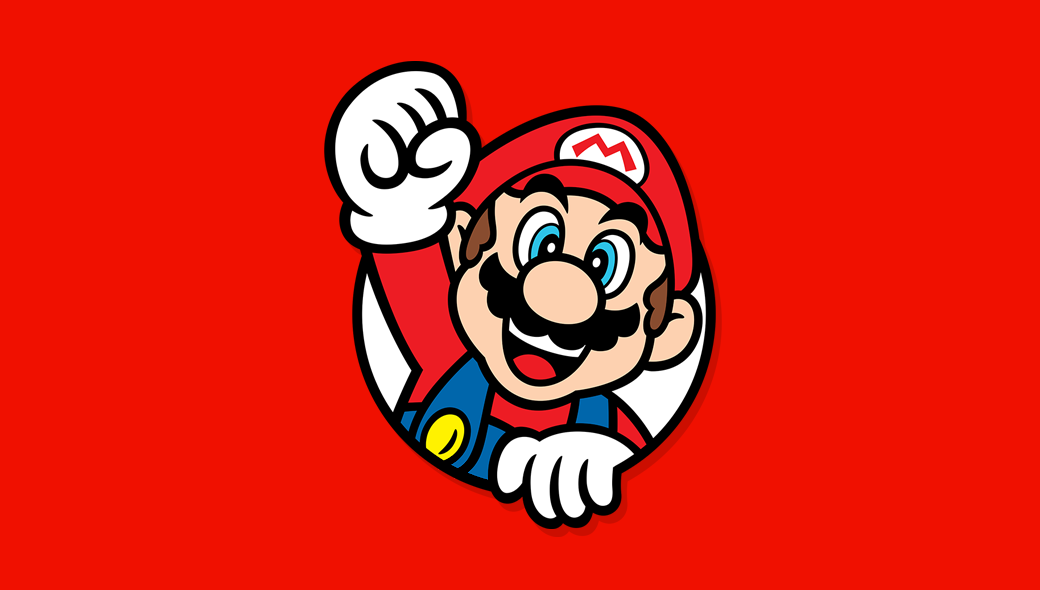
"Video games are just toys."
This sentiment may seem lighthearted and simplistic, but there is a fundamental nobility and even a form of democracy at the heart of this idea that I believe we must protect. By inserting a single ¥100 or 50c coin, anyone can become a hero on equal terms, regardless of nationality, wealth, or social status. Has there ever been a creative medium in human history that so rapidly and broadly nullified these distinctions between human beings? Of course, video games have evolved across many dimensions over the years, often becoming increasingly complex and sophisticated fabrications of technology and art. However, the combined advancement of video games (and the convenience with which we can now access them) surfaces the risk, at least in my view, that we might lose sight of the very roots of video game culture.
In my view, the essence of video games doesn't lie exclusively in advanced graphics, the celebration of technology, or the convenience with which we can access the experience. Rather, it is expressed through the ways in which video games can uniquely deliver a pure, refined equality of experience for highly diverse audiences. This leads me to ask the following questions:
- Why do video games captivate us so deeply and refuse to let go?
- Why can a single game transcend national borders and become a kind of universal human language?
In order to explore these questions more thoroughly, I'd like to delve into video game culture through four unique perspectives.
CHAPTER 1
Soup and a Bowl: On the Ideal Relationship Between Hardware and Software
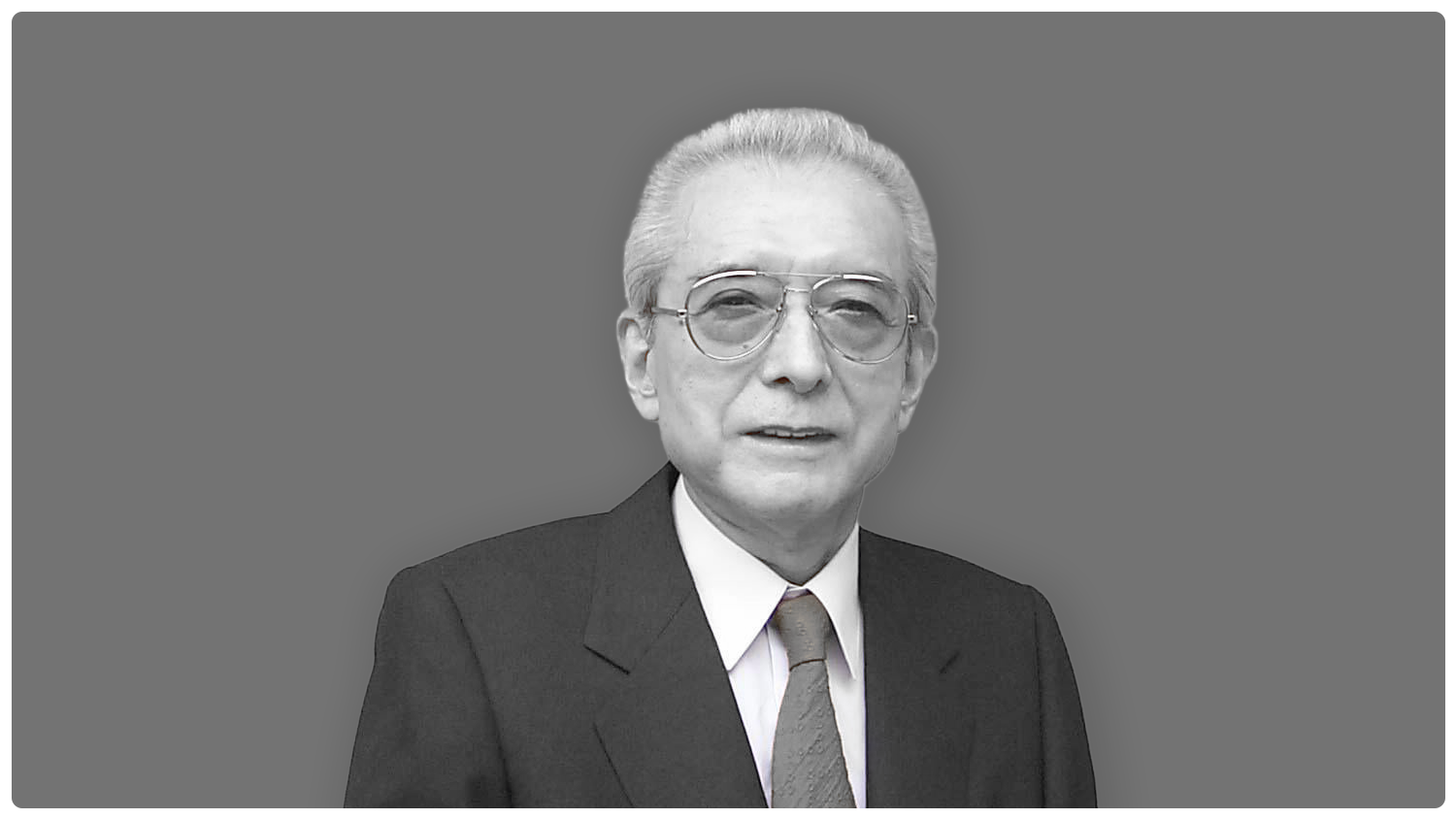
Nintendo's former President Hiroshi Yamauchi once declared:
“Hardware is simply a ‘box’ that people are forced to buy in order to play the software they really want to play.”
These words represent a fundamental reality: the software (the entity that actually contains the language of gameplay) is, without a doubt, the true star of the show.
I view the relationship proposed by Yamauchi-san as analogous to soup and the bowl that holds it; the interplay between the dish itself and the vessel that contains and serves it. Here, the soup refers to the game experience itself, crafted with the creators' heart and soul. The bowl refers to the hardware that delivers this experience to the player.
What this means in practice is that the entertainment value of video games should be evaluated based on the taste of the soup. However, if we step back and look at the modern gaming market, a strange inversion has occurred: before we knew it, the conversation largely shifted to the luxury of the bowl (e.g. the specifications of whatever machine is used to play the game). Further, the taste of the soup we enjoy has come to depend on which bowl is being used, meaning that disparities between the hardware performance of different machines fundamentally impact the game's content (and thus the experience itself), creating a form of inequality that runs counter to the core value of video games as a medium.
“I view the relationship proposed by Yamauchi-san as analogous to soup and the bowl that holds it; the interplay between the dish itself and the vessel that contains and serves it.”

This is akin to serving a dish prepared by dousing a mind-bogglingly expensive golden bowl (itself born from the hardware developers' self-indulgence) with an excessive amount of potent poison (full of distorted ideology and self-absorption). I would describe this as a betrayal of the customers: the children and adults who paid a high price and went to great lengths to visit the restaurant to enjoy the soup.
In my view, the ideal relationship between soup and bowl is one based on thorough and absolute equality.
What Nintendo continues to offer is a ¥100 soup that is simple, infinitely warm, and with a flavour that never disappoints. This soup isn't served in a heavy golden bowl reserved for a tiny elite who can afford the privilege. Whether on a park bench or a factory assembly line, everyone - both the great and small, the rich and poor, children and the elderly - can all sit at the dining table to enjoy the same delicious flavour as they sip from the same humble plastic bowl. Rather than spending money on fancy bowls, Nintendo has consistently prioritised the purity of the broth itself, ensuring that when you finish that last spoonful, you sincerely think "Ah, that was fun". Although Nintendo was founded in 1889, it has in many ways cast aside the pretensions that might usually pair with a very long-established firm along with the trappings of a high-end restaurant. The democracy of play, where anyone can become a hero with a single ¥100 coin, is the one-of-a-kind recipe they have steadfastly upheld.
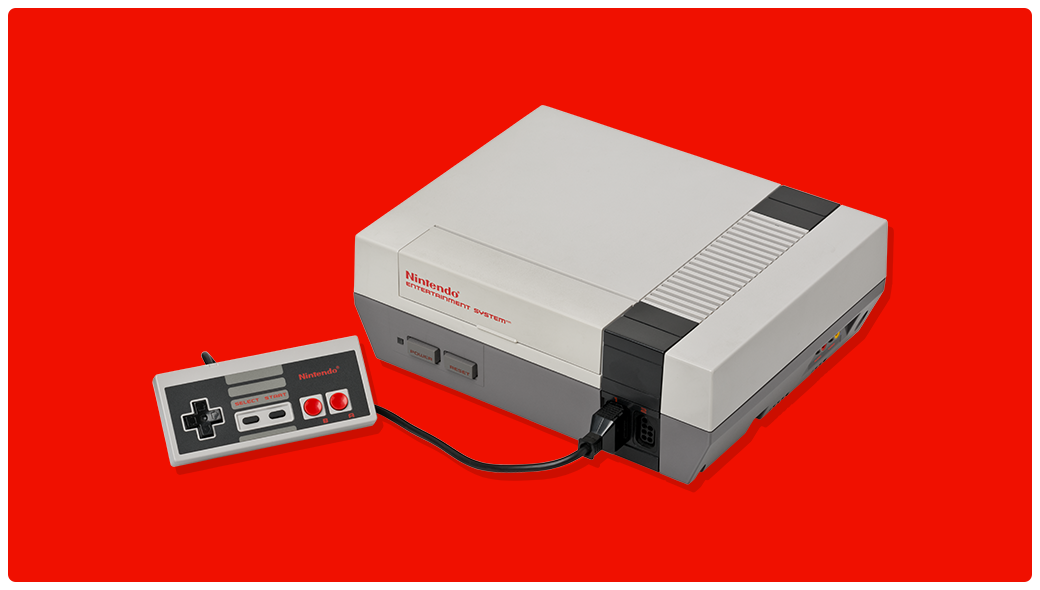
Wasn't the Famicom (known as the Nintendo Entertainment System outside Japan) once embraced by households around the world because it was the "fairest bowl"? As long as they picked up the same Famicom bowl, all children, regardless of background, could enjoy Super Mario Bros. at precisely the same temperature and flavour. Everyone, adults and children alike, could savour that same experience.
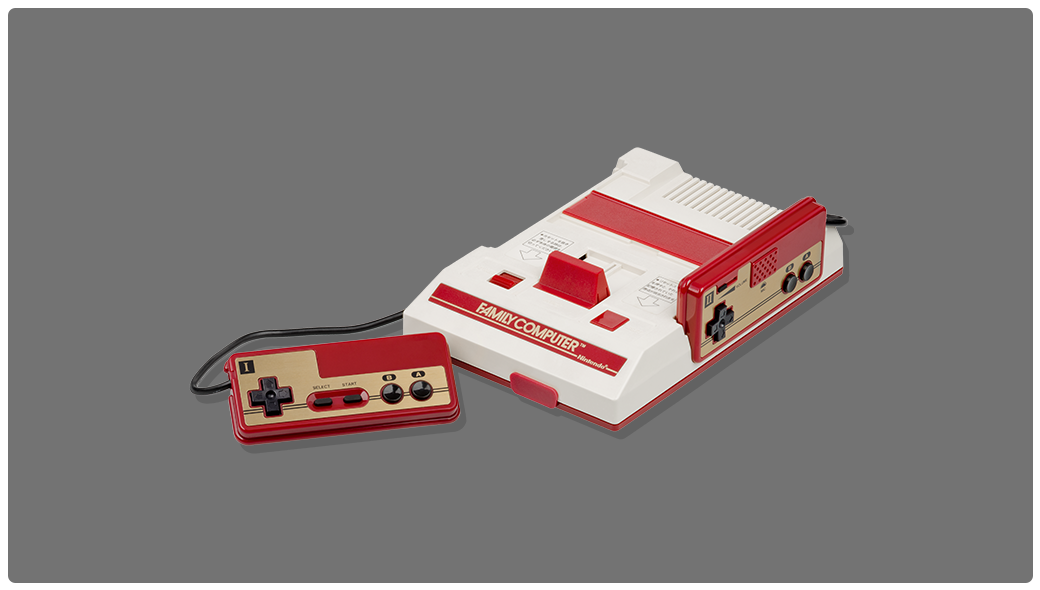
The fact that the hardware functioned as a common standard (an equal bowl) must have been the minimum ethical standard for creators to fulfil the promise of delivering the very best flavour, exactly as intended, to everyone. I am convinced that this fair foundation is a key reason why video games took root in our culture as precious experiences that remain in our memories for a lifetime.
It's also not just a question of the bowl representing a common standard for all. The bowl is an object that directly serves the experience, and so, it must be designed to enhance the attributes that are actually relevant to the quality of the soup. What does this mean in practice? If the bowl is made of an expensive and beautiful material that has aesthetic value but does nothing to enhance the soup itself, then this would be an example that contradicts the idea of the servant-master relationship (i.e. where the bowl should be designed entirely to serve the quality of the soup and nothing more). So, the bowl might not be made of fancy materials, but if it aids the quality and delivery of the soup, then it's serving desirable goals. In terms of video games, one example might be the guarantee of sharp responsiveness to player inputs (where the game returns the intended output [behaviour] with absolute precision in response to physical input [controls]). This goal is only achieved through tightly-integrated hardware and software, where the hardware is designed entirely on the principle of service to the software. In this interpretation, any extraneous hardware specifications become irrelevant if they don't contribute to the precise 1:1 relationship the player has with the game world.
So far I have been discussing the Famicom/NES, but how does this concept apply to modern Nintendo platforms? Let's consider the Nintendo Switch 2 as the contemporary example.
In the lead up to the console's release, there was a great deal of discussion and speculation around technical specifications (for example, how much resolution had improved, and how close it might come to rivalling other companies' high-performance machines). However, it's important to understand that Nintendo's intention in bringing this new bowl (hardware) to the world has almost nothing to do with the specifications arms race. Revamping the hardware and boosting its capabilities was about serving the latest/most contemporary soup recipe to audiences without spilling a single drop while also serving it equally to everyone around the world.
As game development technology and techniques continued to advance, the old bowl (the original Nintendo Switch) increasingly forced soup creators to cut back on the ingredients they wanted to include, lest they risk diluting its flavour. This would have made it impossible to fulfil the core promise Nintendo made during the Famicom (NES) era: to deliver the best possible flavour, exactly as the creator intended, equally and in the best possible way to everyone.
The new bowl - the Nintendo Switch 2 - has further reinforced the "fairness of entertainment"; not as a luxurious dish to be enjoyed by a small elite or a core niche audience, but as a platform where tens of millions - perhaps hundreds of millions - of people around the world can equally savour the latest experiences at 100% quality and with high convenience (thanks to portability).
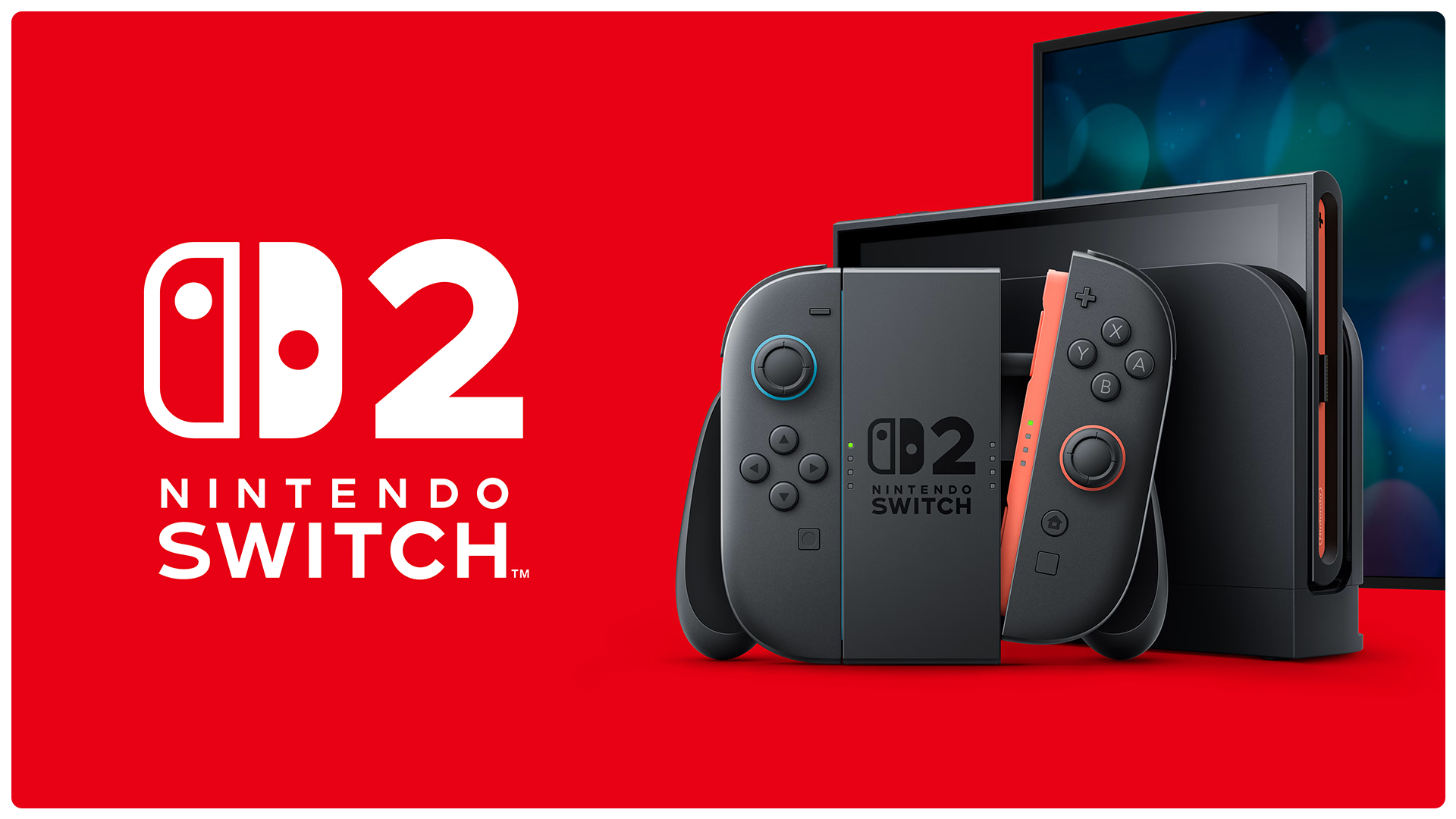
Simply improving specs and publishing impressive numbers wasn't the goal here. To the extent that specifications were improved in the latest hardware, they were always in service to the games and to the preservation of equality of entertainment for the next generation. The bowl's design has been enhanced both to improve the flavour of existing soups available today, but also to further enhance the flavour of any new soups that will be released in future. I believe that by viewing the Switch 2 through this lens, we can better understand the cultural significance of this new hardware.
Although many years have passed since the inception of the video game industry itself, Nintendo's philosophy has remained consistent. These are the same core principles that were birthed with the idea of that single coin in the early arcades - and the incredible equality and open access - it introduced to the world all those years ago.
At this point you might be tempted to ask a fundamental question, which touches on the main principle my thesis is anchored to: why is equality so important? To answer this question, I'd like to discuss the "single coin philosophy" itself in further detail. This is the central idea that rests at the very heart and foundation of video game culture.
Chapter 2
Preserving the 100-Yen Democracy
The single coin has been a constant presence through the entire history of video game culture.
In the past, we would insert ¥100 coins into the arcade cabinets occupying dimly-lit gaming centres or sitting outside candy stores. This simple exchange - pay ¥100 for a few minutes of play - that symbolises the beating heart of video game democracy. It doesn't matter who is inserting that coin. They might be a CEO, an elementary school student, or even a kindergartener; there's no difference in the play experience they receive. The software running inside the arcade machine doesn't care about the player's social status, bank balance, or where they live. It disregards all other irrelevant attributes too. That ¥100 coin is not just an equaliser, it's a token that opens the door to a form of digital liberation: it empowers the player to perform unbelievable feats while simultaneously leaving real-world inequality and discrimination behind.
I believe that the modern video game industry surfaces a crisis that confronts and challenges this spirit of the single coin philosophy.
The history of video games as an industry - which really began with Nolan Bushnell and Atari's iconic Pong - has always valued the "equality of a single coin" above all else. When we insert that ¥100 coin into the machine, a silent contract is formed. It states: "I have paid the price of entry. Therefore, for the next few minutes, I have the right to be treated fairly as the protagonist of this world." And the game machine responds faithfully to only the inputs received regardless of who the player actually is. And so, the ¥100 coin is not about cheapness but rather, it is about dignity.
In today's gaming scene, this idea of the ¥100 coin democracy is beginning to waver. Under the guise of "free-to-play", we see systems where victory is determined by how much money players spend to acquire various advantages and where only those with high-performance internet connections (and powerful devices) hold a distinct edge. My argument is that these practices reinforce real-world inequalities in ways that video games were once meant to break down.
What Nintendo - and the culture of video games more broadly - has continued to protect is not mere entertainment. It is one of the few sanctuaries of absolute equality in the world. These are environments where, when you enter them, you're on the same footing as everyone else and you can change your fate based purely on your own skill rather than factors outside your control.
The Toymaker's Pride
Perhaps the reason Nintendo's pioneers continued to describe themselves as "toy sellers" was not only because of the company's past as a toy producer, but also because of their pride in this commitment to equality for players. Toys should, by their very nature, be open to all children. They should allow children to forget - at least during playtime - the pain, sadness, and hardships caused by real-world barriers such as family background and economic circumstances over which they have no control. Toys also serve as a medium through which children can find friends and interact with each other. In this way, they have value beyond their intrinsic nature: they can actually help to reduce real-world barriers between people too.
The ¥100 coin guarantees so much more than fairness. It is the key to a space that is a true meritocracy, where results are attributed purely to the player's skill and decision-making rather than to any other attribute. This direct causal relationship between effort and result guarantees that players can find a form of true affirmation in victory within video game worlds. There are very few mediums in human history that can boast these traits.
Diluting the Soup
Earlier I mentioned the free-to-play model. But subscriptions are another point worth discussing (especially as they have, in many cases, outright replaced the simple ¥100 coin proposition).
At first glance, this system, which resembles an all-you-can-eat buffet where you can enjoy many soups at low cost, seems like a fair deal to consumers. However, a serious trap lurks within. When soup is thrown into the giant pool of a flat-rate system, the unit price per bowl approaches zero. At the same time, the player's commitment to that single bowl of soup also fades.
What leaves a deeper imprint on your soul? The single bowl of delicious soup you receive after paying ¥100 (a sum that is by no means trivial to you) versus a bowl of soup chosen on a whim from an impossibly vast menu?
The greatest flaw in the subscription model lies in the disappearance of the pain of choice (or, the switching cost). In an environment where there is no weight (cost) to spending ¥100, players will easily jump from one soup to another at the slightest sign of difficulty or boredom. If we grant that the experience of self-transformation, which emerges by overcoming difficulties, is the very essence of video game entertainment...then we must conclude that presenting almost unlimited escape routes from said difficulty undermines the quality of the experience at its very core.
I personally feel that this freedom of choice (which was actually used as a catchphrase in the commercials for the Japan-only Famicom Disk System), is gradually eroding the valuable emotions that every player in the world has surely felt at least once: that frustrating yet irresistible feeling of "this is infuriating but I can't stop!" and the associated desire to try again.
What we must preserve in the future is the spirit of the ¥100 coin: recognising the true value of a single bowl of soup that can be enjoyed by everyone in the way its creators intended. This principle might take different forms in our modern digital age, but it is nonetheless an important principle at the core of gaming culture.
I would argue that the benefits of this ¥100 coin democracy extend far beyond entertainment itself. This concept of a space of absolute equality could serve as a device for genuine peace that could help to dissolve real-world conflicts. When you think about it, no other medium in human history has succeeded as much as video games in bringing people from different backgrounds together under the same rules.
“...a commitment to open and equal access for all, where achievement is truly meritocratic in nature, enables us to genuinely recognise the player sitting next to us as a comrade - even after we've put the game down.”
When we make video games an unfair battlefield (where only those with the necessary financial or infrastructure resources can win), then we risk spurring greater animosity between players. Alternatively, a commitment to open and equal access for all, where achievement is truly meritocratic in nature, enables us to genuinely recognise the player sitting next to us as a comrade - even after we've put the game down.
Defending the ¥100 coin philosophy is not just a question of business models; it's really a cultural mission to protect one of the last sanctuaries where everyone can laugh together equally in a world that is increasingly emphasising divisions between people, both large and small.
I have discussed the philosophy at the heart of video game culture, but what of its most prominent ambassador: Super Mario himself? Why have people all over the world found themselves identifying so completely with Nintendo's humble plumber? The secret lies in the fact that Mario was not designed as a specific person, but instead as a vehicle for embracing yourself. In Part 2 of this series, we'll explore the hero's journey and why Mario is the world's most beloved fictional character.
Join the conversation
What do you think? Reply below to share your perspective.