The Intentional Gaming Resolution
Refocusing on fun

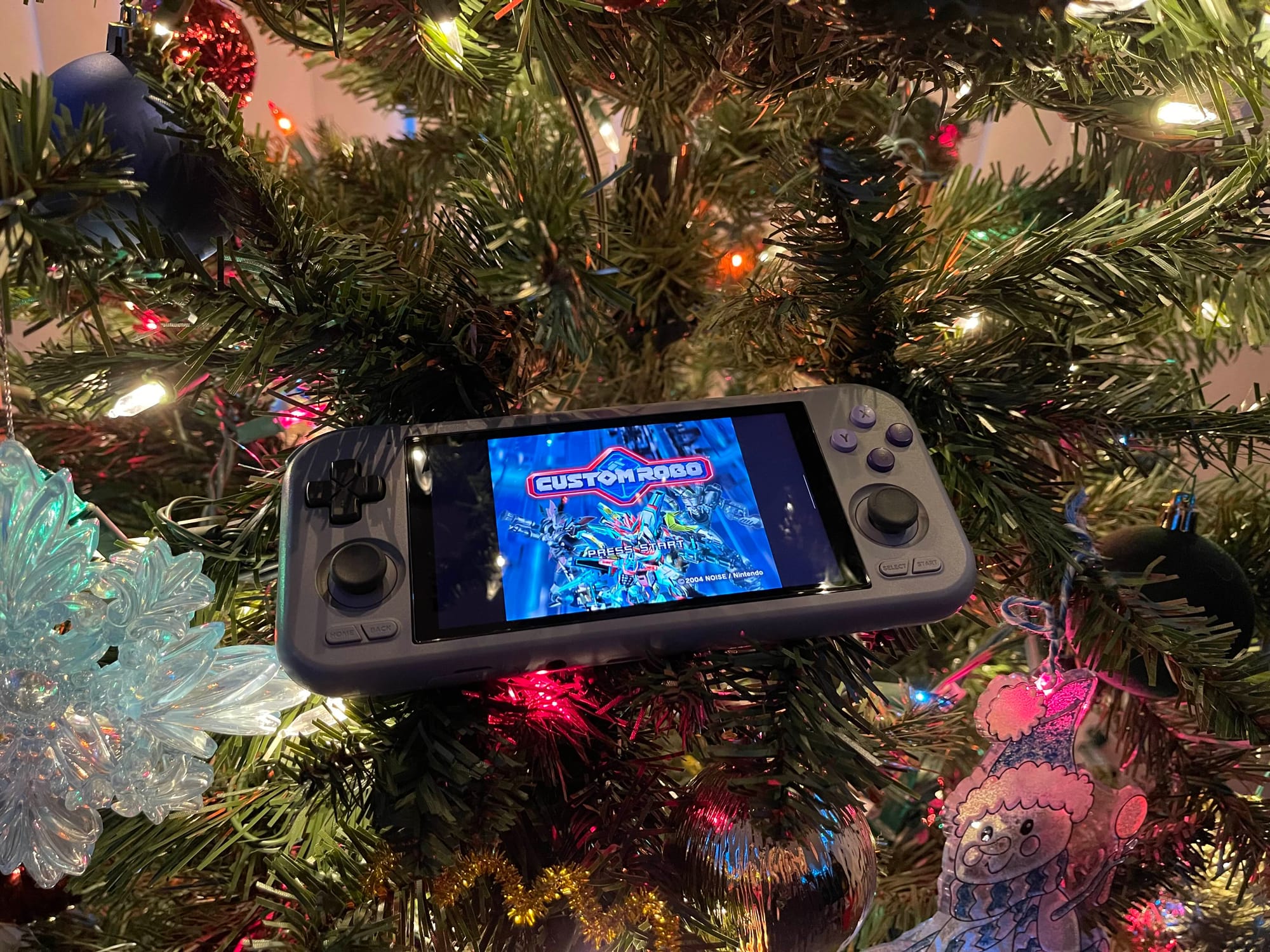
We got everything that we could ever want. An entire generation poured their heart and soul into the video game hobby, and, as adults, we have access to entire libraries of titles accumulated over years of digging through sales and awaiting exciting releases. New games appear so often that you couldn’t possibly hear about every one without putting in the work of a paid games journalist. Retro devices put entire childhoods into our pockets, and our living rooms are high-definition portals to incredible worlds of action and adventure. We got everything that we could ever want, so why is it that I spend my 2 hours of free time after work staring at my Steam library of 700 computer games, feeling as if there were nothing to do?
I asked myself this question in 2025, and it barrel-rolled into many different questions. Why don’t I finish video games? Why can’t I focus on specific games? What do I even like? All of these are clearly things that I should know about myself; a quick search online will find that many people also suffer this lost feeling when engaging in their favorite hobby; I’m not alone on this. I spent months testing methods and scouring for answers until I found a New Year's resolution that worked for me.
I want to share what I’ve found; putting it in writing will help me cement the resolution in my year, but also sharing it may help somebody else (maybe you!) find the path towards having fun again.
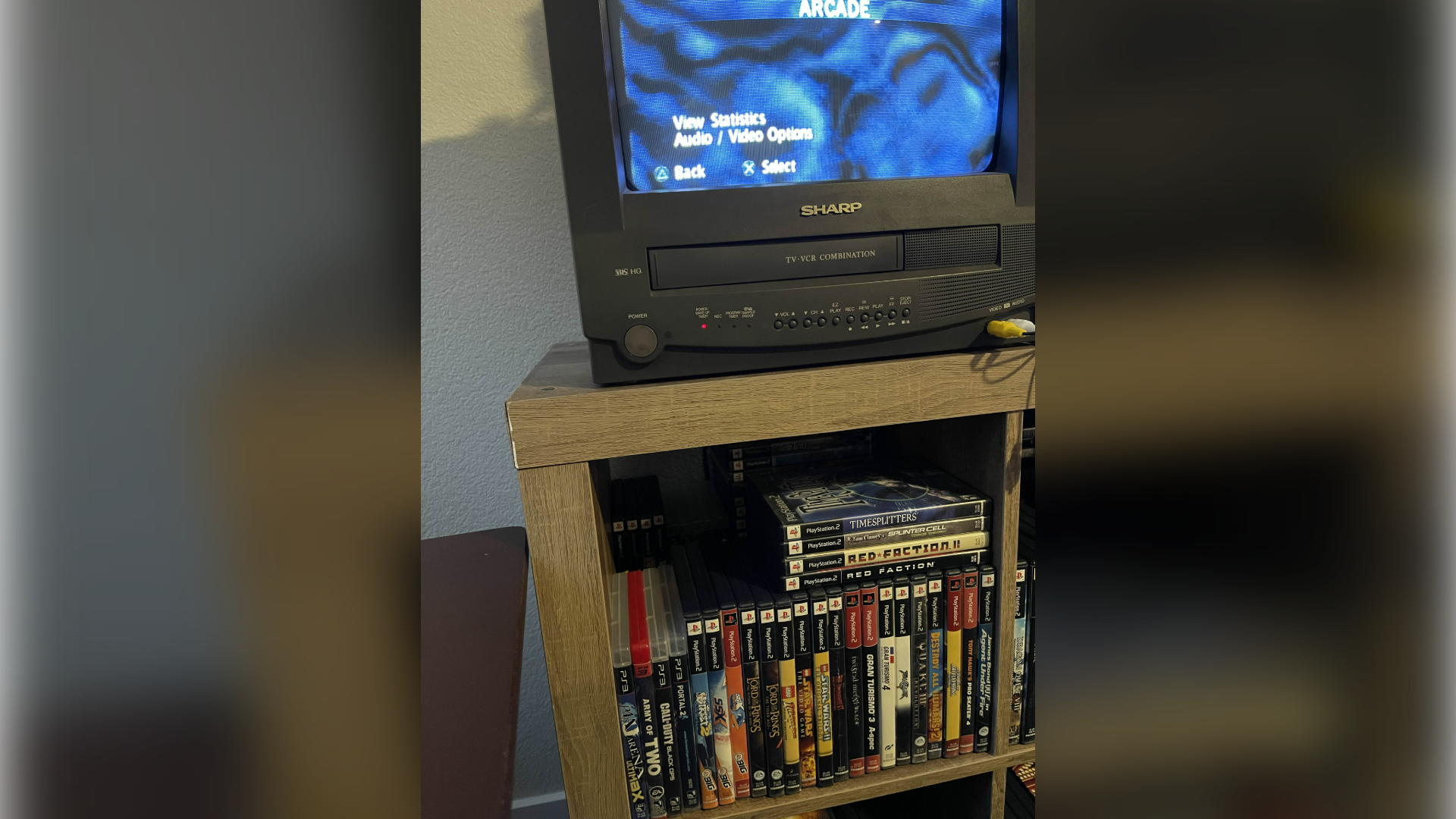
Removing The Un-Fun
At the beginning of 2025, I was a chronic scroller. I surfed the web probably too much. Tweet after tweet and TikTok after TikTok until it was time to shut the lights off and go to bed. I would take my phone out if there were beats of silence in conversations and waste work breaks by drowning in the noise of micro-content. If you want time to do any hobby, you have to make that time, and you can start to do that by getting rid of the distractions that you don’t value, that are easier than resuming a video game. For me, this was taking a holy crusade to the parts of my phone that didn’t serve me.
The dumb phone movement is inspired; I really like the ideas that the spearheads of that cult stand for: downgrading to tech that you don’t want to use unless you have to. I realize that there are some out there who need to physically remove the smartphone to get rid of the temptations of scrolling, but I’ve found a lot of success in just stripping my phone of every app, almost to factory defaults. I keep basic things like banking apps, calendars, and Steam; I even have a card game on there to play with friends and Shonen Jump to read comics from time to time. Only distractions that I get real value out of get to stay. Your phone works for you; you don’t have to cave in to impulse and short-form entertainment. All other social media, games, and shopping apps went away.
I hardly check my phone now. When I’m bored at home, I don’t have the easy way out anymore; I get up and grab my Steam Deck, a retro handheld, or a controller and find something to do that I’m going to enjoy a lot more than reading a feed. I realized that I didn’t have a problem finding time to play video games; I was developing a difficulty motivating myself to pick up a controller over opening TikTok. Thus, I transformed my phone into a device that serves my interests instead of distracting me from them.
Curating Your Interests
So, we now have the controller in hand, but we are flooded with options. I own easily over a thousand games, and I am willing to bet that a majority of other people in the hobby can beat that number or come pretty close. Hitting a few Steam sales, raiding Humble Bundles, or scouring bargain bins can have you swimming in video games on a relatively healthy budget. Many of us dreamed of having large libraries of games as kids, and now that it’s real, we have built our own ghost haunting us, named “The Backlog.”
The backlog puts us into a specific mindset. “I’m gonna get around to playing it sometime, but I have to start somewhere.” Casually, you pick up something you’ve been meaning to play with the goal of beating the game. We play games for many different reasons: to hang out with friends, to become better at a sport, or to just relax and have fun, among others. Completion is a large motivator in a lot of people, and there are many games specifically geared to itch that part of your brain. Mounds of checklists in an Assassin’s Creed or Far Cry game allow players to feel accomplishment for completing areas or finishing quest lines in short bursts.
This mentality doesn’t translate to backlogs very well, for your average player trying to finish longer goals and games that can take dozens of hours.
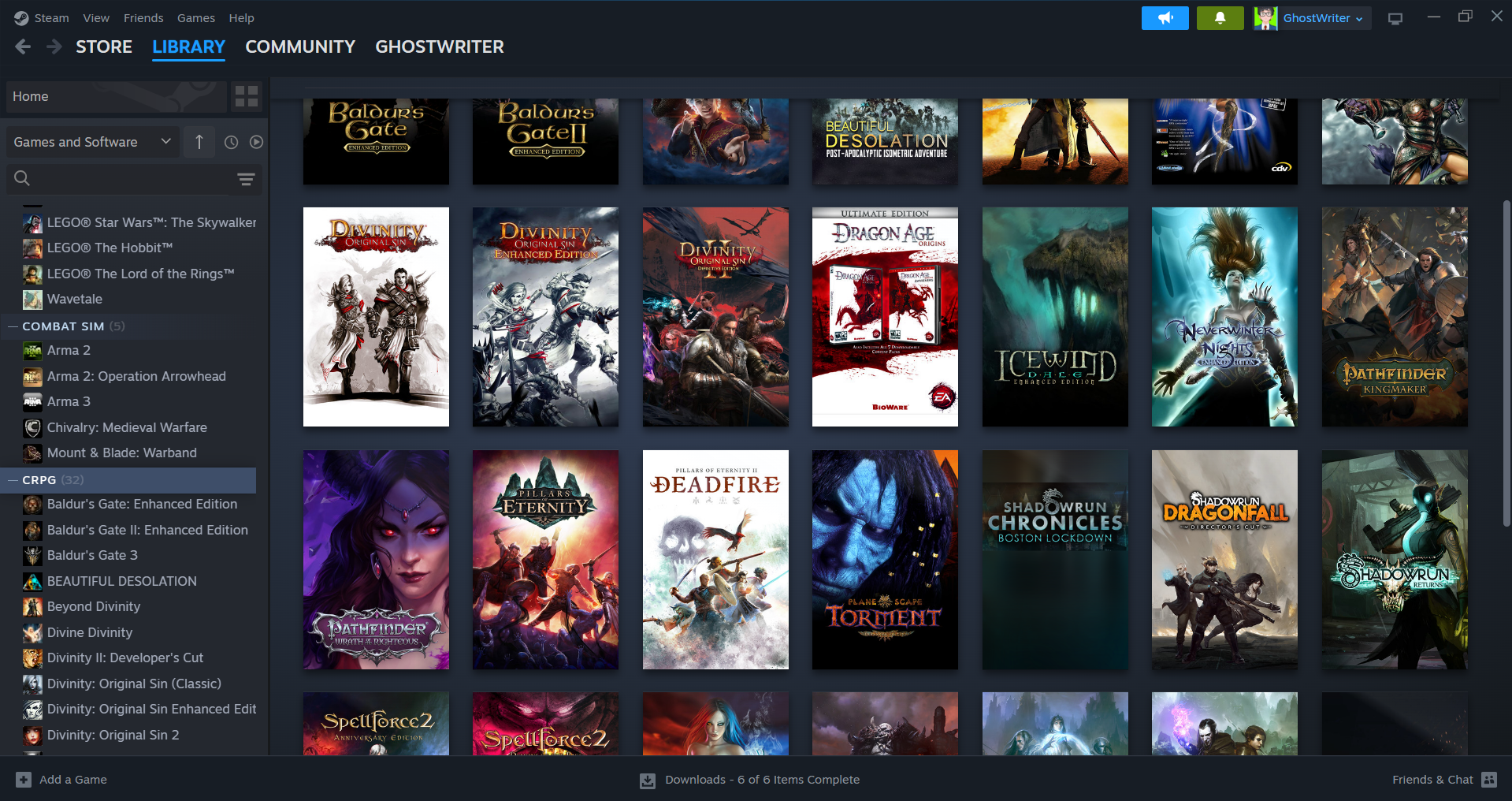
We have to limit and curate our options so that we aren’t playing games only on the premise that we own them. Of course, this comes at the cost of admitting that we’ve wasted money on games that we will likely never play, but we gain the likelihood that we will spend our time playing video games that will stick with us long after the credits roll.
Now we can just go game by game and by process of elimination, be honest, and give up on the games that we don’t enjoy. This is still a huge step in our journey, but I think that we could do just a little bit better in finding our next conquest.
A Closer Look
I have been addicted to several broad genres of video games, and it takes a bird's eye view to discover exactly what it is that ties these hyper-fixations together.
As a kid, I almost exclusively played 3D platformers. This shouldn’t be surprising, coming from someone who grew up owning a PlayStation 2. I played a lot of Kingdom Hearts, Ratchet & Clank, and Jak and Daxter; I even have a history with Super Mario. Now, what might be the common thread between all of these games seems to be a colorful aesthetic, or the collection of shiny objects, or even the exploration of vertical levels. But these factors haven’t stuck with me over the years; what has stuck with me is inventive movement systems and how they fuse with combat.
Games like Insomniac's Spider-Man, Arkham Knight, Saints Row 4, and InFamous have all kept me hooked, and that is through fast and fun movement that sends you hurtling, swinging, and sprinting at impossible speeds through city streets. I hate open-world games that offer only checklists and waypoints, but I make an exception when the traversal is so unique and fun. I feel the same way about most action games; if moving is fun, then I will look past most of the parts that I think are boring. I look for green flags like this when deciding on a game to play, but let’s look at a few more examples.
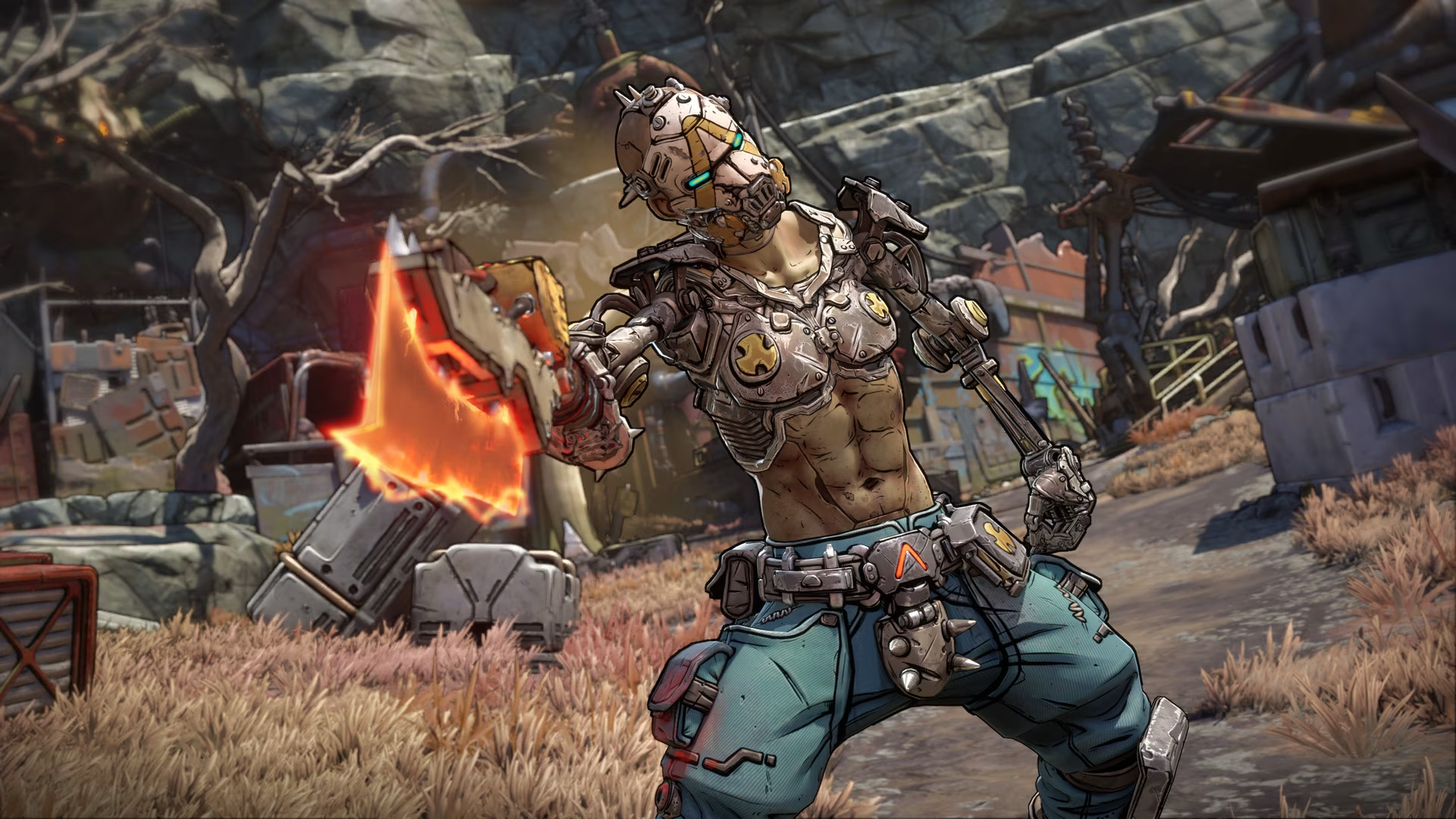
I’ve never formally identified as a loot goblin, but my track record seems to indicate that the frontal lobe of my lizard brain lights up when I see an explosion of rainbow colored loot come from a boss that I just burst down while cranking punk music. After playing through Destiny, Borderlands, and Diablo 3, it would seem that I have a specific weak spot for inventory management and chasing those legendary needles in the haystack of commons.
As I play through Grim Dawn, as I wait for Borderlands 4 to reach an acceptable price, I am reminded that these types of looter games have become a comfort food that I love to pick up and put down. These are the most extreme cases where the loot is the game, but if a game has any sort of granular item building and limit that stops hoarding, I really dig into it. I think that is why I will generally bounce off of Betheseda RPGs, where many loot items are identical to each other, and I get drawn towards games like Dungeon Defenders or Wildermyth, where every item feels like a new discovery, and the ones you choose to carry with you become treasured.
I would like to say that I love all RPGs, but I have a penchant for a specific type and tend to bounce off anything that doesn’t meet this requirement. Persona, Dragon Quest XI, Dragon Age Origins, and Cyberpunk 2077; the common thread in all of these is a strong emphasis on party or supporting cast storyline. If I can touch the life of a supporting character or a party member, I am fully invested. I realized this during Cyberpunk when I promptly skipped all of the side content to answer every call from a friend in need because that is the only thing in the game that I cared about doing.
These are my green flags. This is not to say that I never try anything new, but this is to ensure that I know what new games I should look out for and what games should float to the top of the backlog. Looking into your past can highlight what you have traditionally enjoyed and inform things that you might like in the future. The next step might even involve only installing the games that interest you or selling/hiding the games that no longer bring you joy from your library. We curate our libraries, and it not only helps us choose what to do, but it also creates a group of games that is uniquely yours and a great representation of your interests.
Keeping Momentum
So far, what we have is 1600 words on how to sit down and choose a game to play. While this seems very simple, if you’ve ever spent an afternoon downloading games to play, played for five minutes, and realized that maybe it was another game you were in the mood for, then we are kindred spirits, and you know this explanation only scratches the surface of the paralysis. But now that we’ve allowed ourselves some space to focus and figured out what game we are playing, the majority of our intentional gaming set dressing is done. The rest happens when we’ve sat down with the game for the day.
It’s hard to focus and be present with your hobby in the time between play sessions, especially if that time can be a few days with work and life in between. I lose track of games that I really enjoyed playing and end up either wanting to start the game over or dropping it completely when its been a week and I don’t remember the goals I was working towards. There is a simple solution to staying focused on a goal that most people will tell you: journaling.
I’ve tried many apps that let you pick a game, make a few notes, and track your backlog progress. To be honest, I couldn’t find a single one that worked for me. Most will want you to also track game time and, most frustratingly, the percentage completed. After months of journaling, both in depth and loosely, I’ve found that a public blog works best for me. It makes me take a bit more pride in both taking screenshots and making a bit of a presentation out of it, which I don’t feel when I keep a private journal. I hear very good things about field journals, too, and even though I’ve spent months experimenting, I still plan to try that out as well.
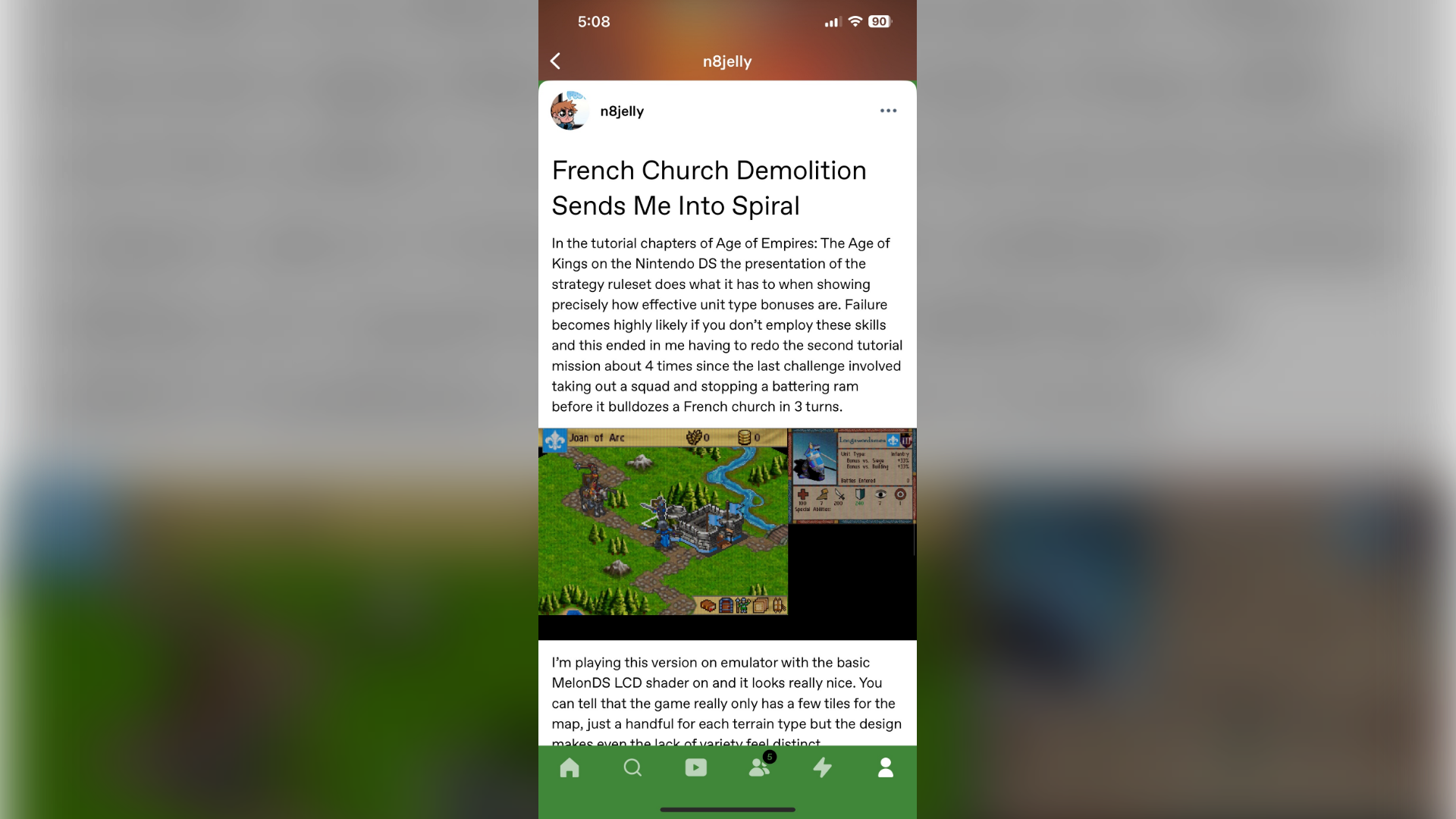
Making notes after playing games and even lightly chronicling my characters' adventures helps engrave those experiences in my brain just a little longer. The act of writing a note, as simple as what your next objective might be, does a lot to create excitement towards the next time that you get to play. After all this time, I am convinced that there is no definitive way to do this as long as you make the note. Journaling is a hard habit to maintain. Making time before bed rather than playing that extra 5 minutes, or getting out the pen and paper and making the journal your own, take a lot of discipline. But journaling will help a gaming session sit with you in a meaningful way and create new investment into your hobby as well as the rest of your life if you decide to journal that as well.
The Resolution
My New Year's resolution for 2026 is to have fun when I game. I want to keep checking if my distractions are serving my needs. I want to remember what I enjoy and make sure that the games I play are in line with my interests. And I want to journal and create imagination and excitement in the long gaps when I have to be a responsible adult rather than a gamer. I’m still refining my method, but this is the blueprint that I want to start 2026 with. It includes being more honest and realistic with myself, and yourself is the only person that you cheat when you promise that you will eventually and finally play The Witcher 3, only to drop it after 2 or 3 sessions. Make time for the things you love this year and give yourself the tools to appreciate them because you deserve the excitement that caring about a hobby can create. So Happy New Year, and of course, happy gaming.
Oh, yeah, and I’ll start going to the gym every week, going to therapy, and all that stuff too.