The Omori Manga Is Actually Great
The video game antis are just being mean


The big problem when a fandom grows is the law of averages: sometimes irrational voices take over and dominate the calm ones. We’ve seen that firsthand with Omori, a fandom that emerged from a video game that would have once been a graphic novel. Fans have cried foul about the ongoing manga series, nitpicking where they can. Everyone has the right to their opinion, but in some cases, like on Reddit, the hatred feels like a dogpile. And why? Because creator Noi Konoito drew older art, which these "antis" felt violated purity culture. (Remember the rule of fandom, folks: don’t like, don’t read).
Omori as a manga is gorgeous, and I adore perusing each page. It reminds me of how the game and my friend Bettina Levy playing it got me through a bit of lockdown. The pages and pacing also remind me of the inherent difficulty in translating a video game with multiple endings. You have to figure out how to encapsulate the whole and make narrative sacrifices at the same time.
The first two manga collections are out in the US, with the third and fourth set to release this year. I was lucky to obtain volumes one and two from the local library to give my full thoughts.
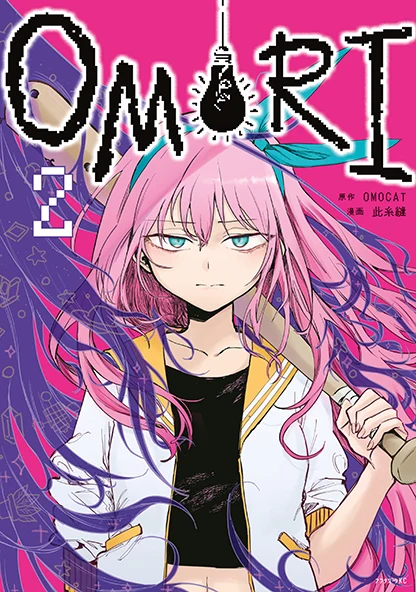
Departures from the Game
As I discussed in my previous article about the manga, the Omori video game offers the player some choices. You can choose to save Sunny or succumb to Omori, depending on the route you play. Variations also appear depending on what you do on the Main Route after learning the reason Sunny hid himself away for all those years.
The manga doesn’t give you that choice. Sunny has one route, the main one, and it makes sense: a story needs a protagonist going through some arc or journey. The Hikikomori route is downright depressing and would result in many boring scenes of Sunny doing chores when awake. While the game homages Yume Nikki, we don’t need another adaptation of that trope-making legacy.
Pragmatically, Choose-Your-Own-Adventure (CYA) is much harder to do in comics than in prose, and it would strain the main manga artist along with their assistants. If Omori had been released all at once, giving the artist time to redo the pages, then we may have seen a graphic novel with multiple endings. But in a serial, the chapters have to be sixteen pages minimum for most publications, and a CYA would probably require double, if not triple, the work. Unless Omori were released as a full graphic novel, the way Omocat originally intended for the story, most manga magazine editors wouldn’t approve that length.
Sunny’s active protagonist stance in the manga also seems to spurn readers who played the game. In that medium, you can choose to make Sunny a recluse who won’t face his problems or a flawed teen who decides he has to re-engage with the real world and his old friends. He serves as an outlet for the player character rather than as his own person, and as a result, his facial expressions tell more about his thoughts.
The turning point for me is that in the manga (unlike in the game), Sunny isn't forced to jump into a lake and save a drowning Basil. The game's Main Route required you to do so to continue that progression. But here, Sunny makes a conscious decision to dive, and you can see it in his face. He’s scared of water, but Basil needs him. This moment convinced me that the manga knows what it’s doing.
What Does a Solo Sunny Journey Show?
It shows that Sunny doesn’t have a choice but to move forward in finding out the truth. We see from his facial expressions that he deeply cares about the real Kel, Aubrey, and Basil, while still revealing nothing about Mari, his darling sister. Sunny, however, still can’t say a word.
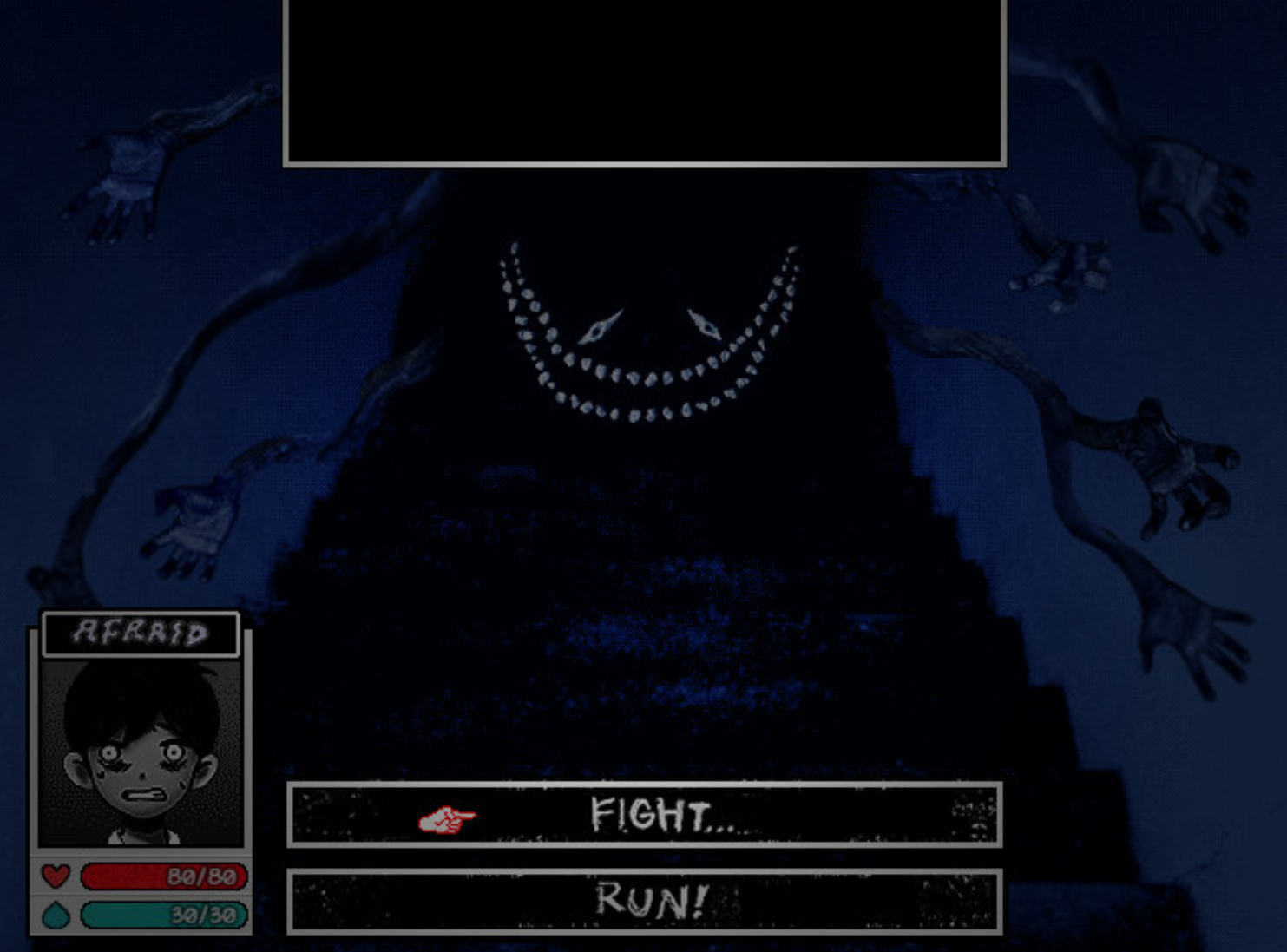
We also get some really gorgeous and creepy art, visuals that sometimes go beyond the iconic boss battles in the game. Sweetheart’s scenes are comedy gold until she becomes possessive of Hero, though thankfully the kids’ boss battle with her is easier than the one the player has to do in the Omori game.
Finding the Truth In the Light
There is a great irony in a game and manga like Omori talking about how you must face your inner darkness to become a better person. Omori insists that if you don’t face that darkness and your mistakes, and find a way to forgive yourself, then that self-hatred will eat you up from the inside out. The antis who claim to be fans of the original Omori game completely miss the point.
Volumes three and four can’t come soon enough. I’m eager to see them and shower love when we get to Blackspace and the big twist regarding a major character’s death.
Join the conversation
What do you think? Reply below to share your perspective.