Hidden Gems of Game Design Vol 42
Unearthing Kokoro Clover Season 1, Rytmos, and the original Grand Theft Auto



Plenty of amazing games go unnoticed and are not played widely, for various reasons. Maybe it’s a diamond in the rough, or the marketing wasn’t there, or it could be a game ahead of its time. For this monthly series, I’ve asked my fellow writers at SUPERJUMP to pick a game they think is deserving of a chance in the spotlight. Please share your favorite hidden gems in the comments.
Josh Bycer
Kokoro Clover Season 1 (2022)
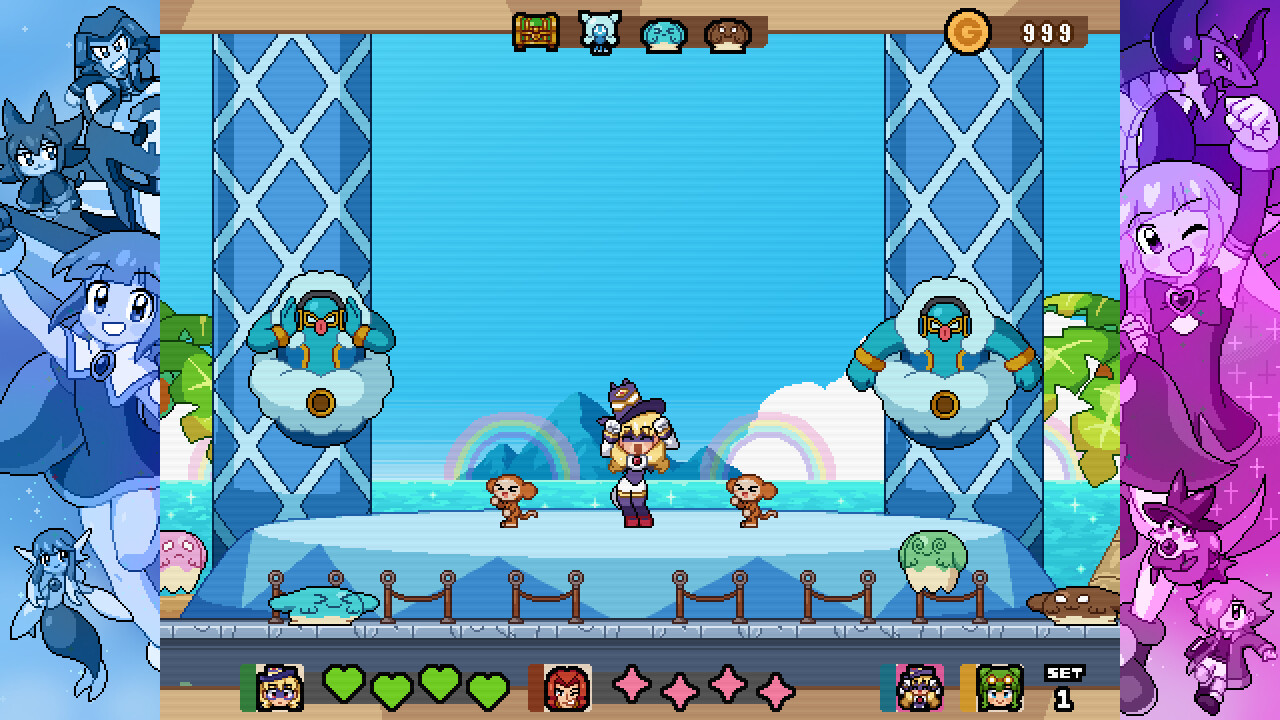
As a shocker, it may be surprising to hear that video games are often inspired by anime, and my pick for this month is a game that is meant to take you back to the days of waking up to watch your favorite Saturday morning series. Kokoro Clover Season 1 is an action game where you play a girl who has the power to summon elemental spirits to help her. She must use the power of friendship to save the world from evil.
And with that, we’re off on a Saturday morning adventure as we explore the world, meet lots of friends, and get into fights. The aesthetics and style are some of the best parts of the game, complete with its own anime-inspired intro that would have fit right in watching cartoons in the '90s and end credits previewing the next episode.
In line with the subject matter and cuteness, this is not a hard game. You begin with the power to do the monkey and become immune to all damage, with each stage usually having one boss fight and one short platforming level. Aesthetics and charm are the reasons to play; however, all the cuteness in the world can’t make you ignore some annoying technical issues. There are no volume sliders, and the game doesn’t work right in full screen. Still, this is a great family-friendly game for anyone looking to recapture the feeling of watching their favorite cartoon. At this moment, there is a season 2 planned and a mini-season available on Steam.
Ben Rowan
Rytmos (2023)
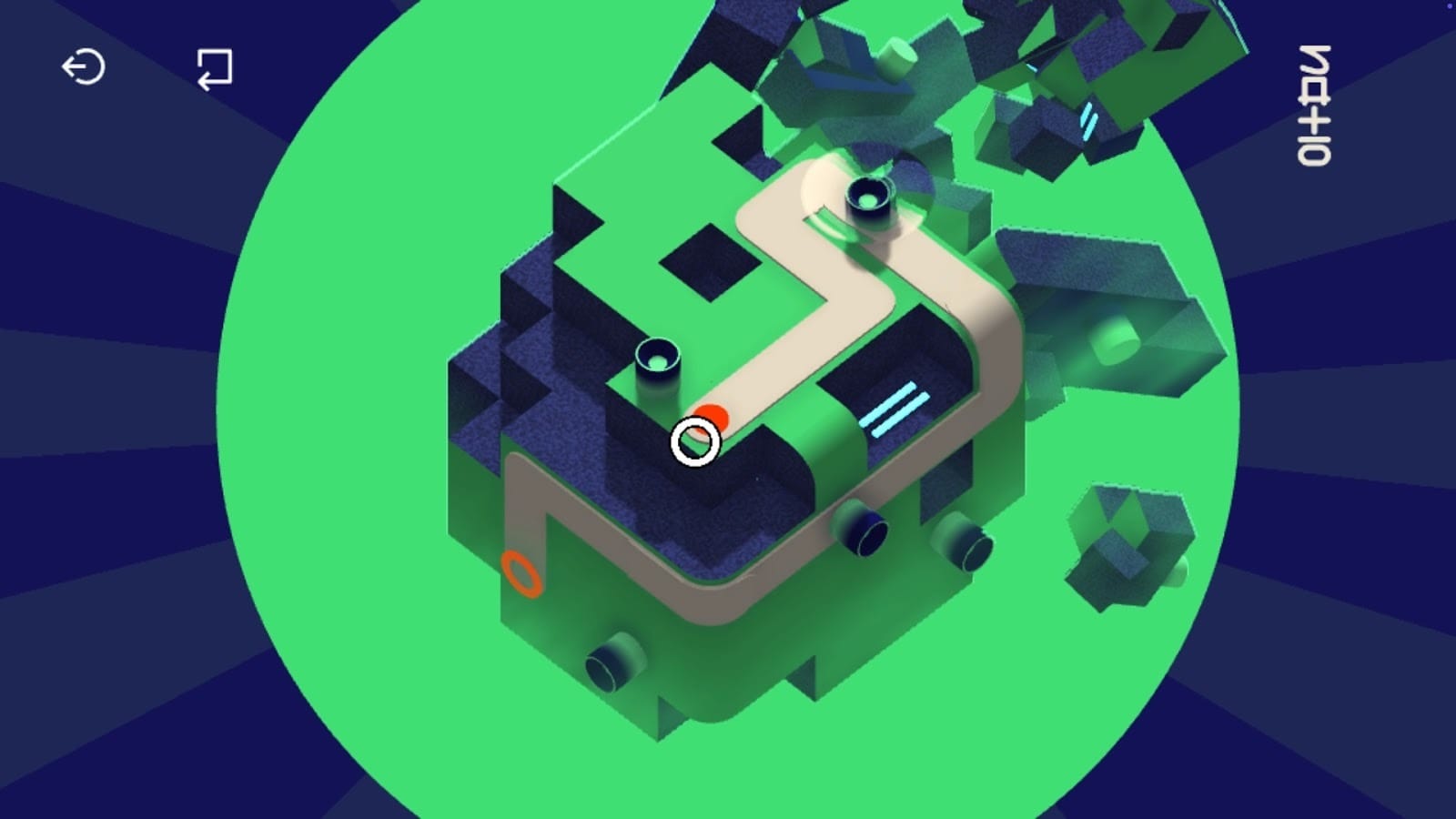
I came across Rytmos on Steam and grabbed it out of curiosity, drawn in by its unique style and my love for music and quirky puzzlers. Expecting something rhythm based, instead I found a puzzle game with a musical twist. This indie title by Copenhagen-based Floppy Club turned out to be a pleasant surprise, a relaxing line-drawing head-scratcher set across the faces of cube shaped planets. It wasn't what I expected, but after a few levels I was hooked.
Each stage is the face of a floating cube or planet in space. The goal is simple enough: draw a single continuous line that loops from a starting point, passes through all the target cylinders, and returns to where it began. The line can only move straight until it hits an edge, and you can't reuse the same path or trap yourself. Early planets are gentle, but later ones had me thinking carefully about how to steer my line around the cube.
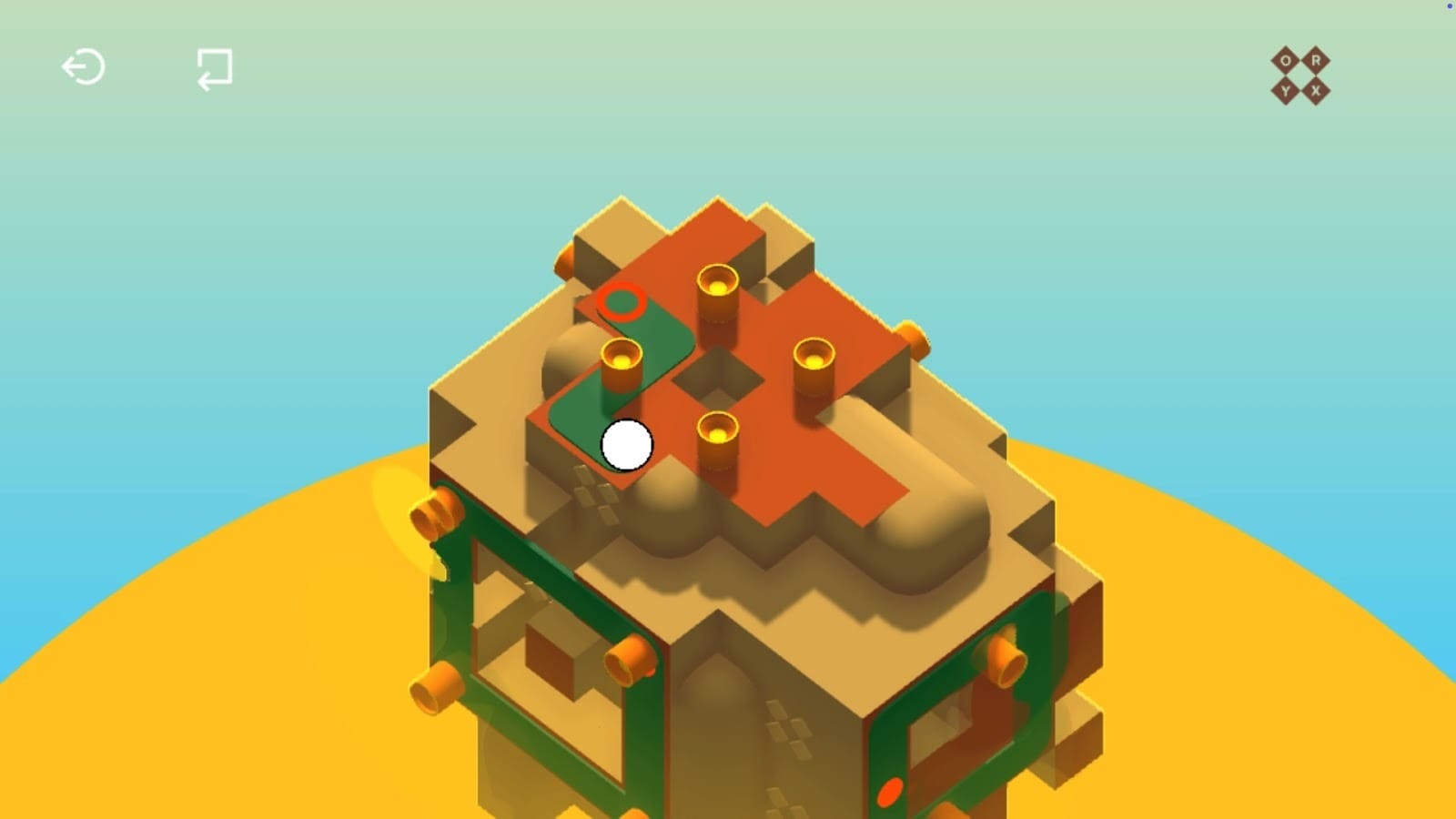
It never becomes punishing. Rytmos sits firmly on the relaxing side of puzzle gaming with a fairly low difficulty curve. I breezed through most levels in a try or two, although a few clever layouts took multiple attempts before that satisfying moment of realisation. There's no penalty for experimenting, and rotating the cube to try a different side keeps the mood calm and meditative.
What really makes Rytmos shine is how each puzzle becomes a cute little musical journey. The game is arranged like a miniature universe of solar systems, each themed around a different musical style or culture. One moment I was wandering through the smooth melodies of Ethiopian jazz, the next I was nodding to the pulsing thump of German electronica. The soundtrack ranges from Indonesian gamelan to Japanese ambient, so it's full of global character.
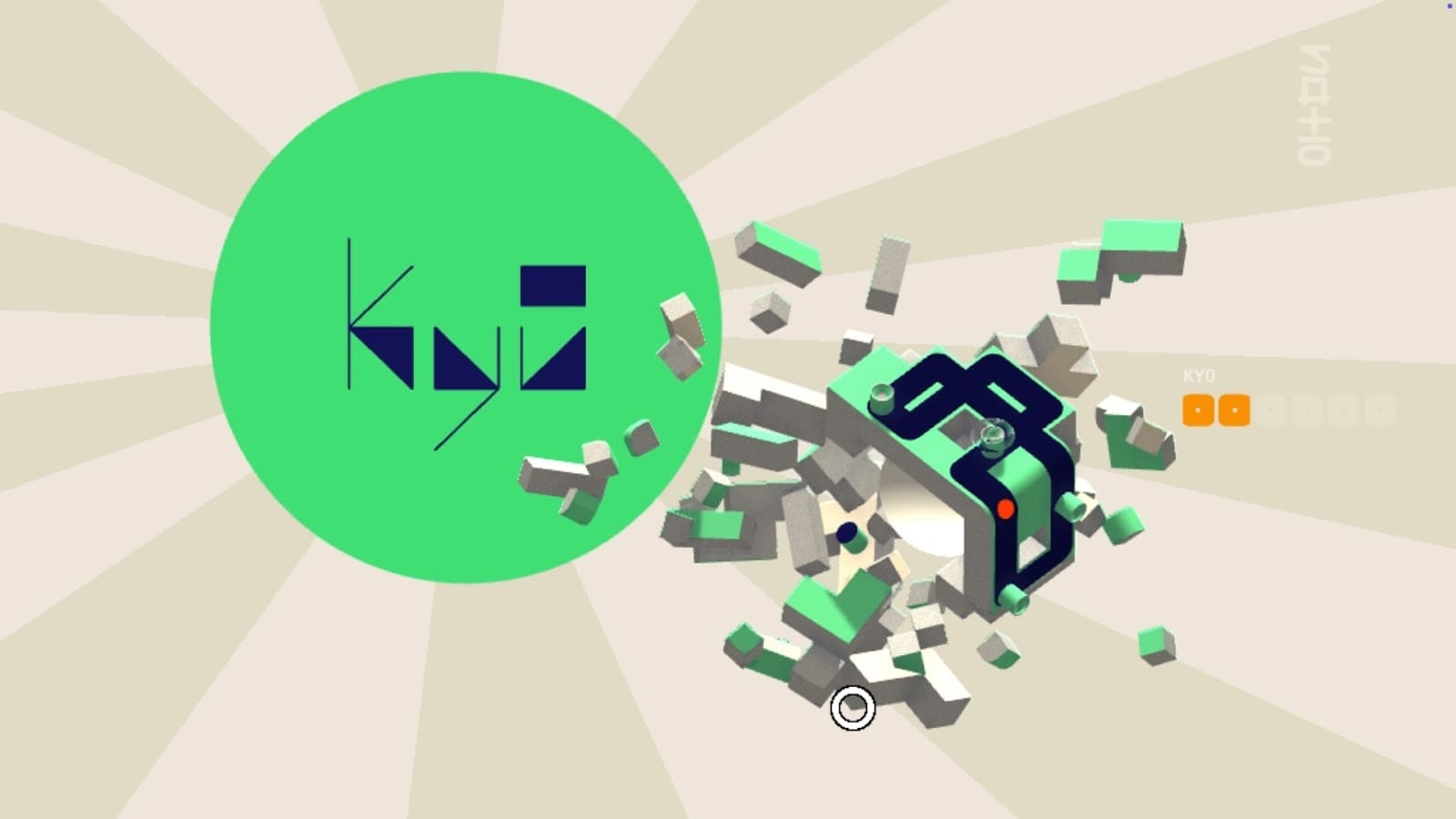
Each solar system has its own colour palette and visual identity that matches the music, so every world feels fresh. As puzzles are solved, each line connection adds a note or beat to the background. By the time a cube is complete, you've built an entire track for that genre. The music here is a reward rather than a mechanic, but it's a wonderful one. Finishing a system unlocks an instrument from that culture and lets you play freely on a looped beat. Whether I was tapping on a kalimba, a synth or tweaking a low pass filter, recording a short riff to be saved on a virtual vinyl was a satisfying touch.
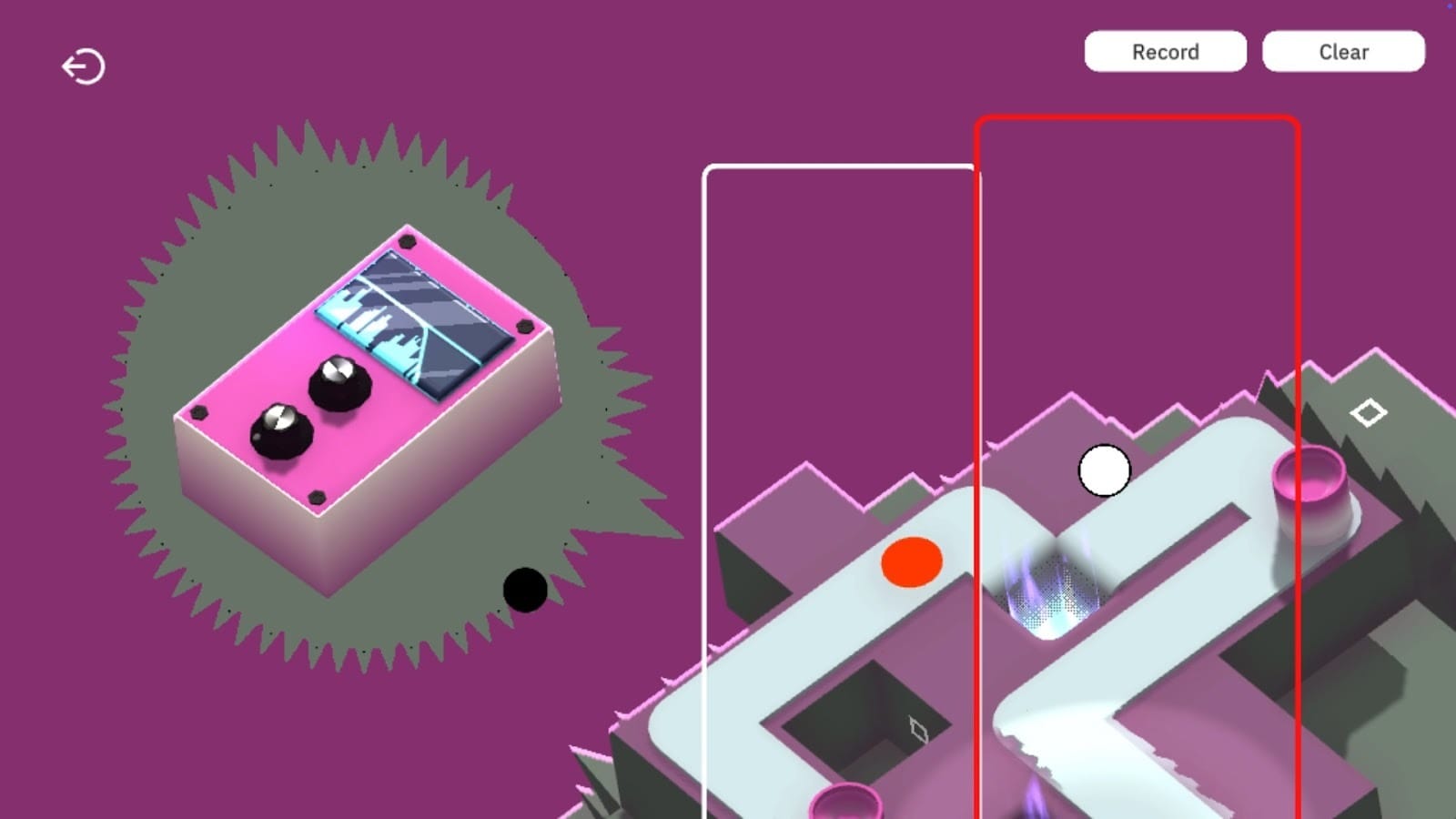
The presentation is clean, colourful and smooth, and the sound design is gorgeous. With good headphones the experience is super immersive and relaxing. Rytmos ended up being a zen-like adventure that left me feeling refreshed. If you're looking for a cozy puzzler that explores a wide range of auditory styles and musical history, this is a hidden gem worth adding to your playlist.
Anonymous
Grand Theft Auto (1997)
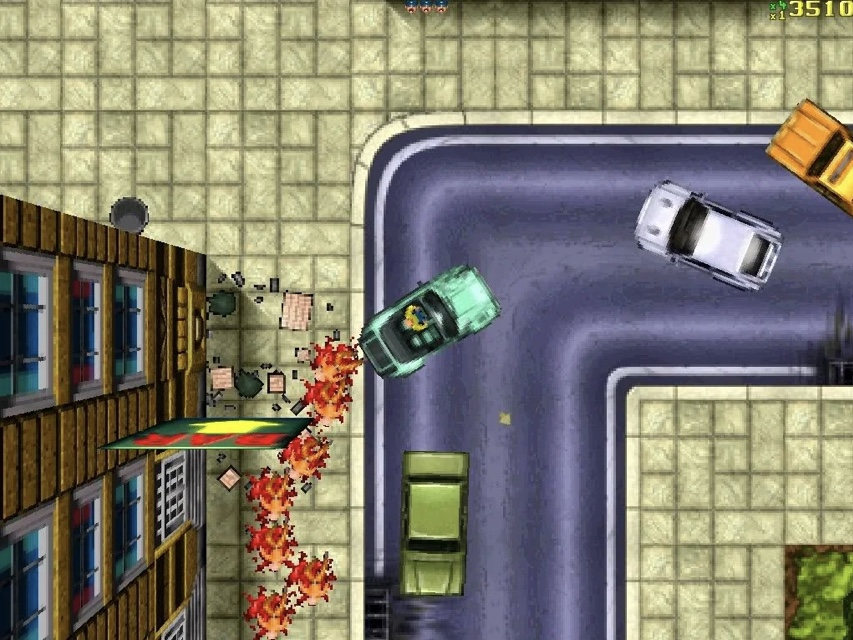
From fan theories and reactions to release-date delays, not a week goes by without Grand Theft Auto VI making games-industry headlines. While the original from 1997 had frenzied car thievery worthy of its name, its top-down perspective and blocky graphics looked nothing like GTA 6’s near-photorealistic visuals.
In the original GTA, you started as a small-time crook in Liberty City before moving to San Andreas and Vice City, locations explored extensively in later titles. They were based in New York City, San Francisco, and Miami, respectively. Instead of a central plot, Grand Theft Auto tasked you with getting points to open up new portions of the game.
Points could be earned by clearing missions that usually involved stealing cars or transporting shipments, outside the occasional gunfight. The game’s four weapons (pistol, machine gun, rocket launcher, and flamethrower) were a far cry from the sequels’ massive arsenals. But that kept GTA’s focus on its driving.
Despite its primitive visuals, running over pedestrians with a sleek sedan or turning cops into puddles of blood would remind you of its M rating. Driving was a chore, with iffy camera angles that wobbled during car chases putting a dent in your bonnet before the maps’ dead ends did. Liberty City’s bridges made this worse, forcing you to backtrack if you made a wrong turn.
While that is a laundry pile of flaws, revisiting the original is an eye-opening experience. The franchise may have hit its stride after switching to a third-person perspective in Grand Theft Auto III, but its first game did have escalating cop chases, tussles with gangs, and epic getaways. It even had pedestrian routines, simulated traffic, and quick responses from ambulances, fire engines, and cops.
Grand Theft Auto isn't exactly a hidden gem, but it remains a pilgrimage worth taking before GTA 6 creates ripples across the cultural discourse once more.