The Loneliness of Friendslop
Turning loneliness into something meaningful

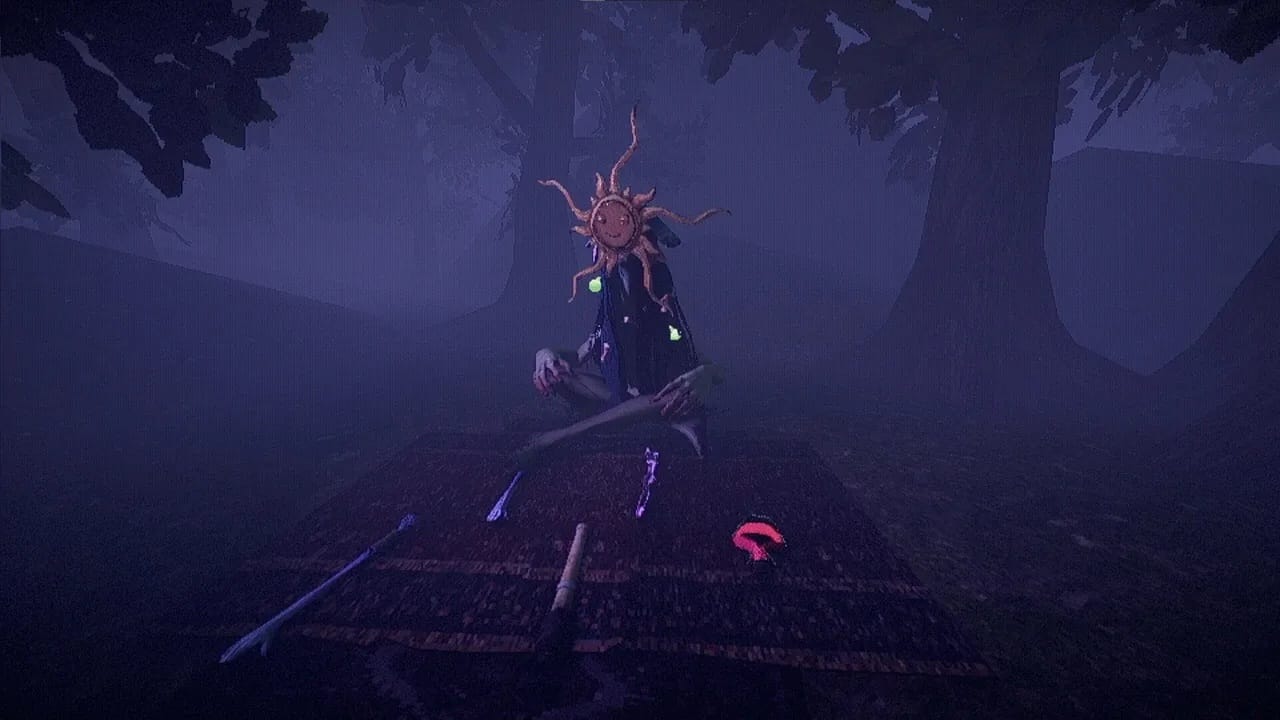
"Friendslop" as a genre term has piqued my interest for as long as gamers and game critics have been arguing about its use. It was a strange moment where hyperviral Gen Z TikTok slang breached containment, and the term started to be used by more "serious" game writers and critics.
These games promise social connection but end up producing loneliness; the best ones turn that feeling into something meaningful.
Despite how it may sound, Friendslop no longer refers to games in that genre in a derogatory manner; it now just refers to any multiplayer—usually co-op—game of relatively low budget. I get why some game writers are mad that a term like slop, which is now heavily associated with AI content of low effort and value, is being used to categorise games with real artistic value. But, as Lotus writes in a post on her blog, these arguments are made as if we could choose how gamers refer to games. We, as critics, can call these types of games whatever we like. We can even choose not to categorise them at all and consider each one as an individual piece of media, but the people who actually play them will still end up calling them friendslop.
That said, friendslop games grabbed my full attention as a critic for another reason, or more precisely, because of a specific feeling: loneliness.
It’s unavoidable, and after asking my friends, I found that they feel the same. In one moment or another, thanks to the proximity chat mechanic (where you can only hear your squad if they are near you), you make a turn, fall behind, or slip down a cliff, and suddenly, you don't hear anyone. You spend the next 5 or 10 minutes in complete silence, not knowing if your friends are even alive, their sweet voices now only a memory. A melancholic feeling of solitude presses on you. This is fine, even cool sometimes, but there's a specific game where it just feels wrong. And I think I know why.
YapYap is one of the newest entries in the genre. It's a game where you and your friends play as a team of wizards summoned by a greater wizard/entity/spooky-moon-guy(?), to wreak havoc in enemy wizards' towers. You get three attempts to infiltrate a tower filled with monsters out to kill you and meet the quota of chaos required to pass the level. The more stuff you break, burn, piss on, or fill with mucus, the more chaos you earn. Other missions are assigned after every three attempts, which gives you extra chaos points upon completion. More importantly, you can only cast spells by using your voice to say the enchantment words out loud. So, if you have a wind wand and say "aero", a gust of wind flows from you, violently pushing all things forward, and if you have the piss wand and you say "piss yuck", you expel a stream of piss that gets farther the louder you scream. Fun, right?
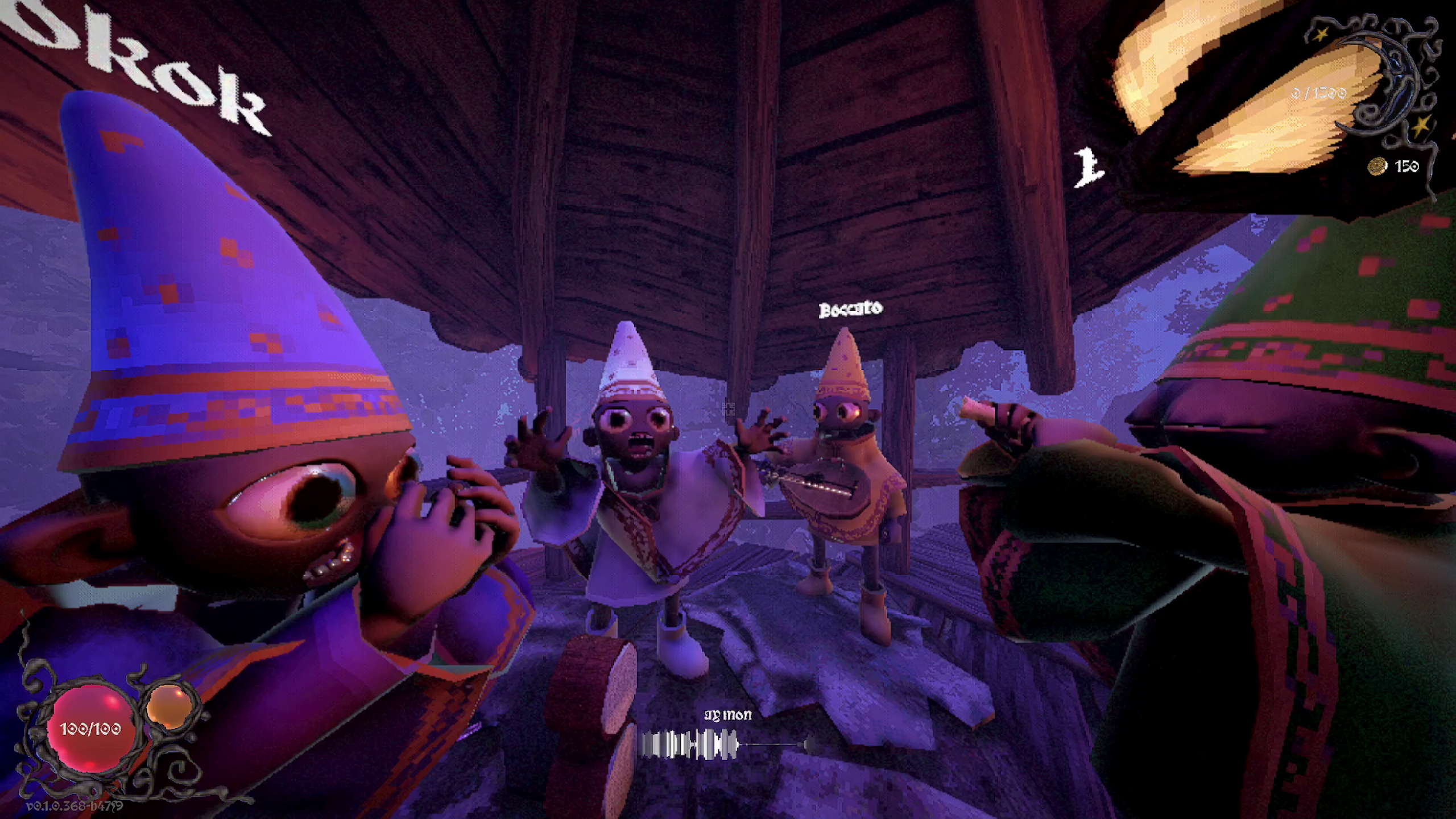
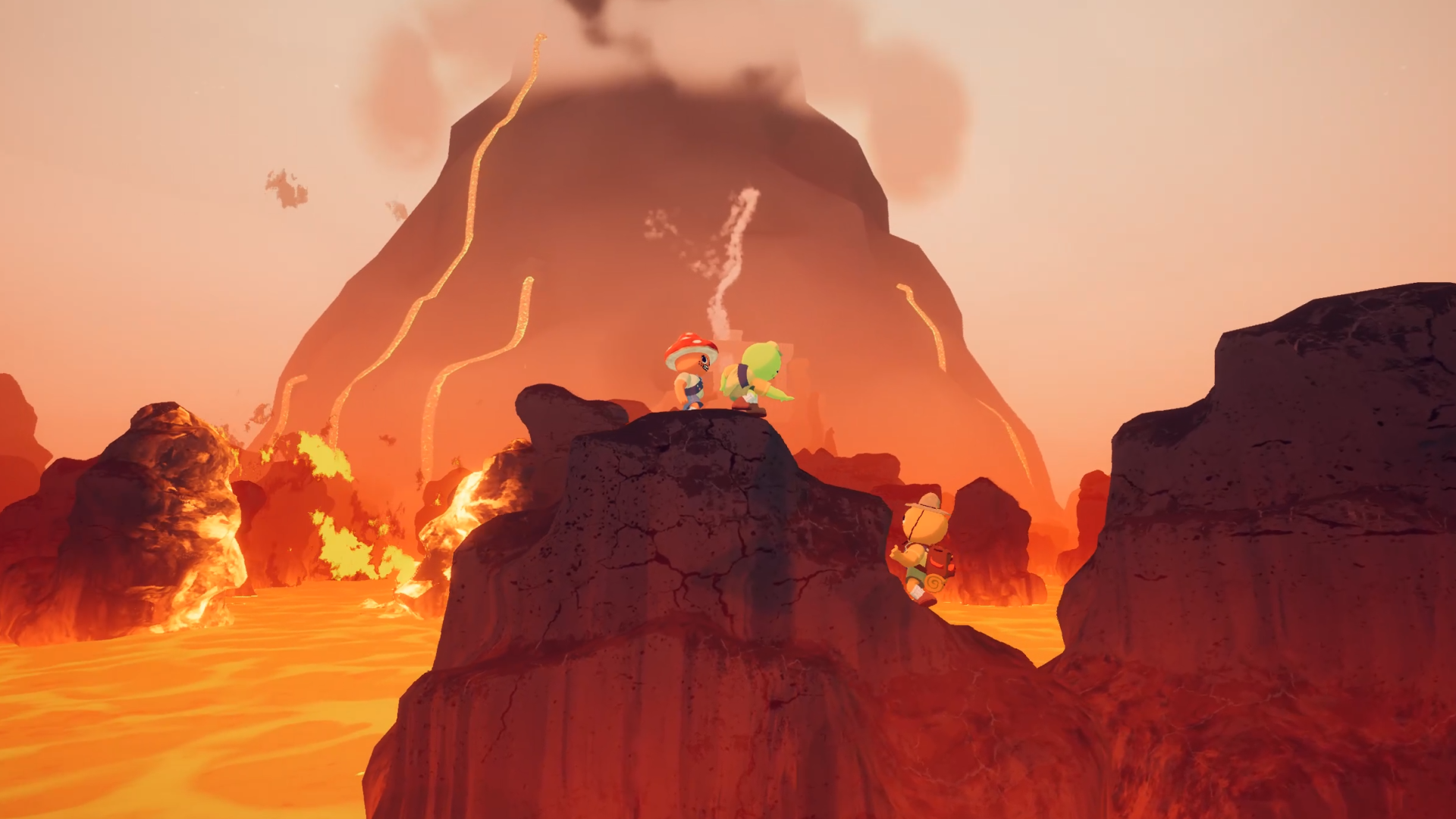
The truth is, the novelty wears off pretty quickly. As I mentioned, proximity chat is one of the characteristic mechanics of friendslop games. In PEAK, for example, it is used for comedic effects, where you can hear your friend's voice getting fainter and fainter as they plummet towards the void. But because you have to say the spells out loud in YapYap, most of what you hear from your mates is the same words repeated over and over, so communication can get pretty frustrating. The problem is that there's no real incentive to communicate with your friends anyway.
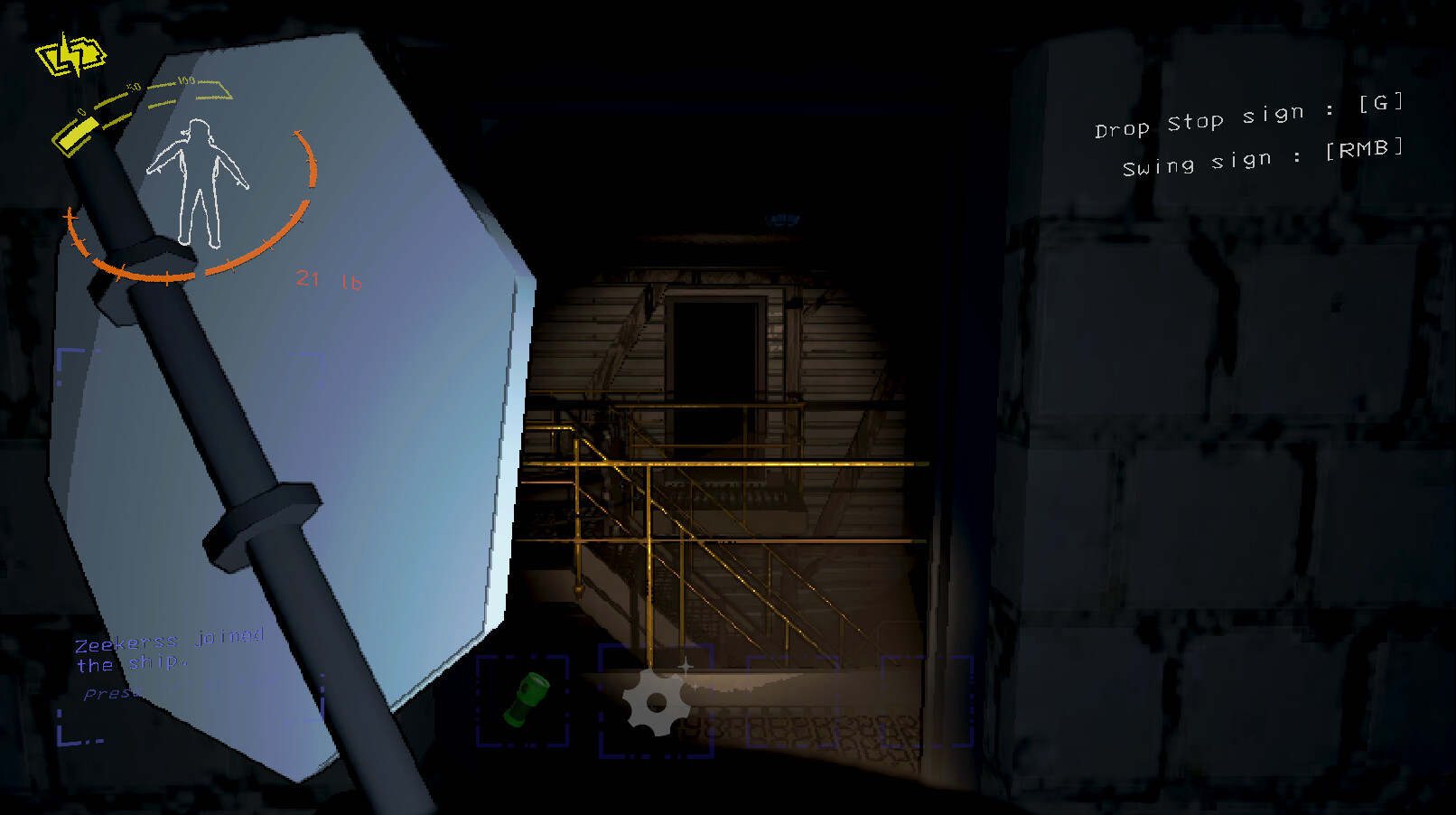
In PEAK, it's crucial that you stick together to reach the summit, as there are different mechanics a player can use to make their friends' climb easier. In other horror co-op games, such as Lethal Company, there are more complex options for collaboration, such as opening doors on the ship or giving directions through the walkie-talkie. In YapYap, the richest mechanic for cooperative strategy is combining the spells from different wands, and even then, a player can have more than just one wand, making the presence of another player practically unnecessary. You can be revived, too, if someone from your squad grabs your corpse and performs a ritual at a specific altar. But none of these mechanics are as fun or as interesting as the ones I could find in other, more thought-out examples of the genre. Consequently, you often end up completely separated from your pals.
Therefore, loneliness. In friendslop, there is the slop part, which refers to the low-budget, rushed development to cash in on the trend; and the friend part, which is what started attracting a whole lot of gamers and non-gamers alike after the pandemic-mandated physical isolation. In the original tweet where the term was coined, @wooosaaaahhhhh mentions—semi-jokingly—that these games' sole purpose is "friendfarming". But therein lies my main frustration with YapYap and the friendslop genre: I don't think they're even particularly good at providing a fun time with your friends.
I mean, of course, you have fun when you play with your friends, but you get that for free by virtue of the 'playing with your friends' thing! Most of these games rely on moments of emergent gameplay to be entertaining, which makes them ideal for streamers and clip compilations. So the mechanics with which the players interact must be designed with these funny moments in mind—PEAK and Lethal Company, for example, are really good at physical comedy. But when the core gameplay loop isn't as strong, like in YapYap, it just feels like a game that makes communicating with your friends harder, without giving anything fun or interesting to do in return. I found this strange, considering the lack of originality in YapYap's premise.
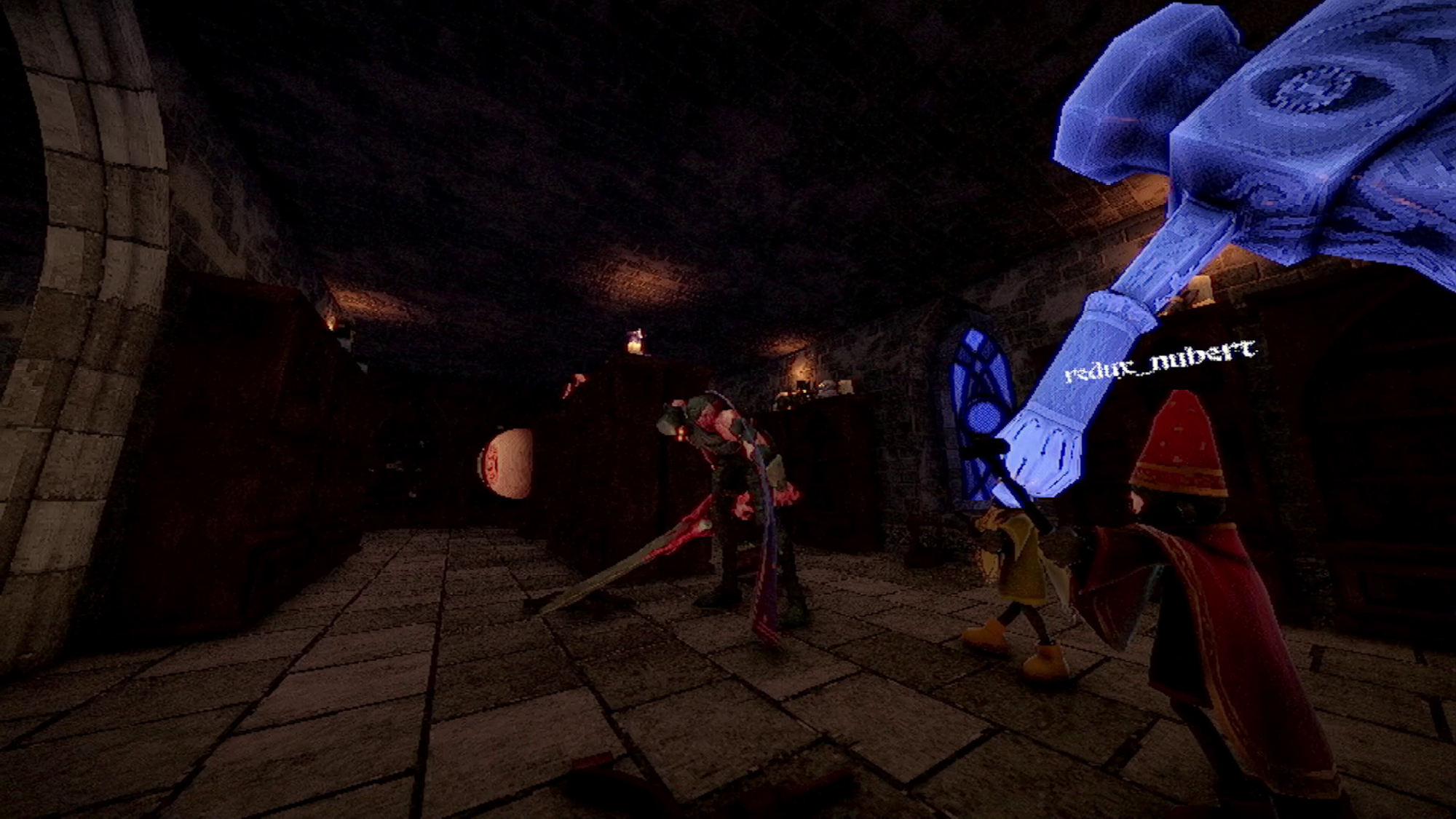
However, the feeling of loneliness itself is not YapYap's fault: it's inherent to the genre, somewhat paradoxically. It's just that other games capitalize on that feeling. In Lethal Company, when I'm alone, I start to sweat when I hear footsteps, not knowing if it's a friend or a monster. In PEAK, when my fellow climbers go another route or fall, and I'm on my own, my climb suddenly means more; it turns into an epic solo ascent filled with obstacles that are way harder now that I don't have anyone on the other side to lend a hand. I think that speaks to how both games use their environments to enhance their mechanics.
Although YapYap has an art style that fascinates me, it still feels more like an amalgamation of aesthetics, with monsters lifted from horror games, and cute player avatars reminiscent of PEAK. So, in the moments I'm alone, and I stop listening to my friends hollering up spells, the game doesn't do anything for me besides the cool-looking graphics. I only keep casting spells, burning furniture, and trying to find my way through the confusing, repetitive, and uninteresting maps. At that moment, I might as well play a single-player game while in a Discord call.
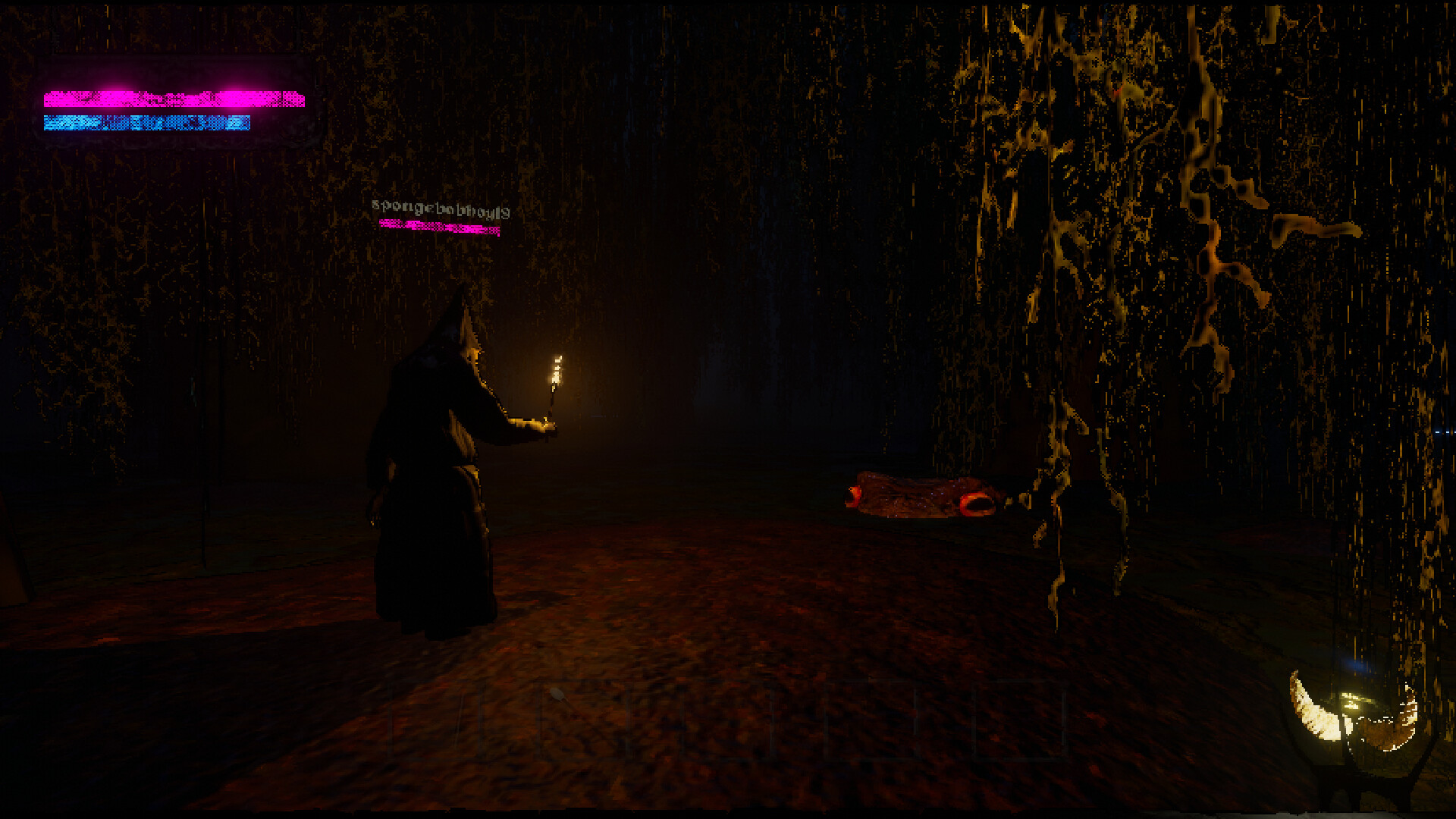
There's another multiplayer game where you play as wizards and must use your voice to cast spells: Mage Arena, which I find a bit more fun. The difference is that it has PvP: it's really easy to create emergent moments of gameplay in PvP games, because it depends more on your ability to mess with your friends and less on the mechanics. I've lost count of the times I've almost died with laughter playing Gang Beasts, Stick Fight: The Game, or Duck Game, all really simple PvP games. I guess it's easier to feel closer to my friends when I'm fighting them than when I'm trying to mindlessly collect or destroy things in a map to reach a quota.
I'd have loved it if YapYap's beautiful artistic direction were accompanied by equally interesting mechanics, and if the devs could've taken a little more time to design a more unique gameplay loop. Ultimately, YapYap confirmed what I feared most about the friendslop genre when not handled carefully: that a genuinely charming-looking game with a funny mechanic could end up feeling... sloppy, even with friends.